

As inflation bites, Japan has seen a surge in various "resale for profit" schemes. While reselling itself often sparks debate over hoarding, price gouging, and market disruption, the practice has now expanded to target construction, home improvement, and even daily necessities. 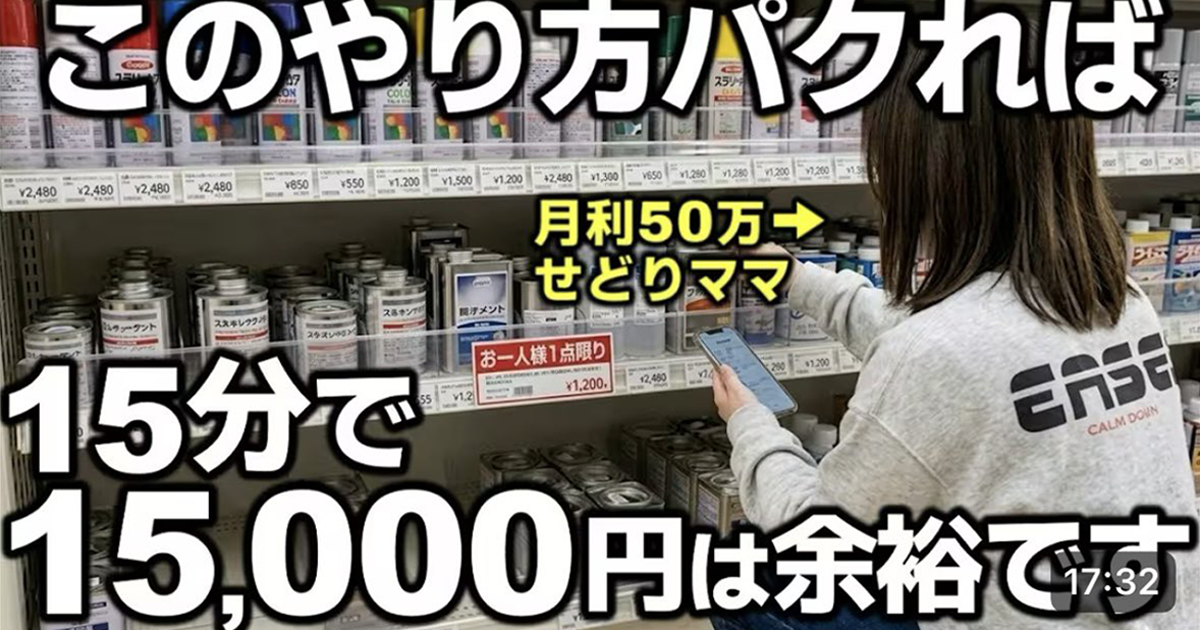 Recently, a "resale mom" who specializes in teaching these tactics claimed her methods could net ¥15,000 in just 15 minutes, with monthly profits soaring to ¥500,000 (approximately NT$100,000). Unlike the usual flipping of toys, sneakers, or collectibles, her latest focus was on items like paints, paint thinners, and rubber gloves.
Capitalizing on recent instability in naphtha (a petrochemical raw material) supply due to Middle East tensions, which in turn affects the availability of paints and thinners, she instructed followers to clear out physical store shelves and then resell the items online at inflated prices. Even shelves clearly marked with "limit 1 per person" signs were seen as opportunities to exploit price differences.
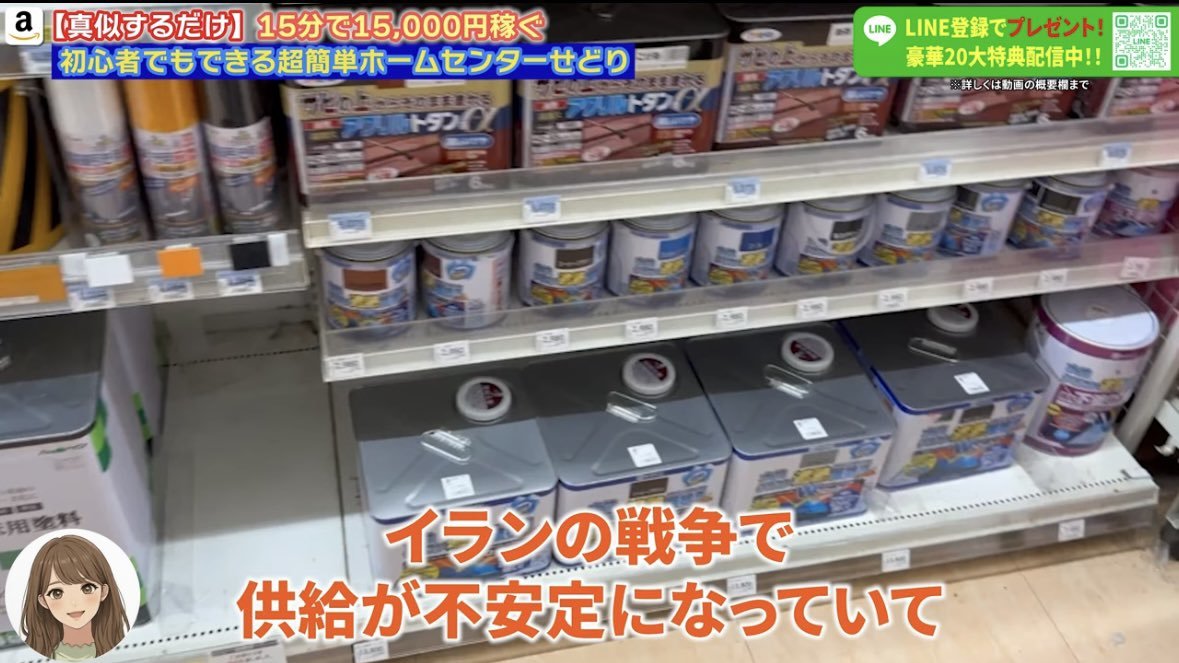
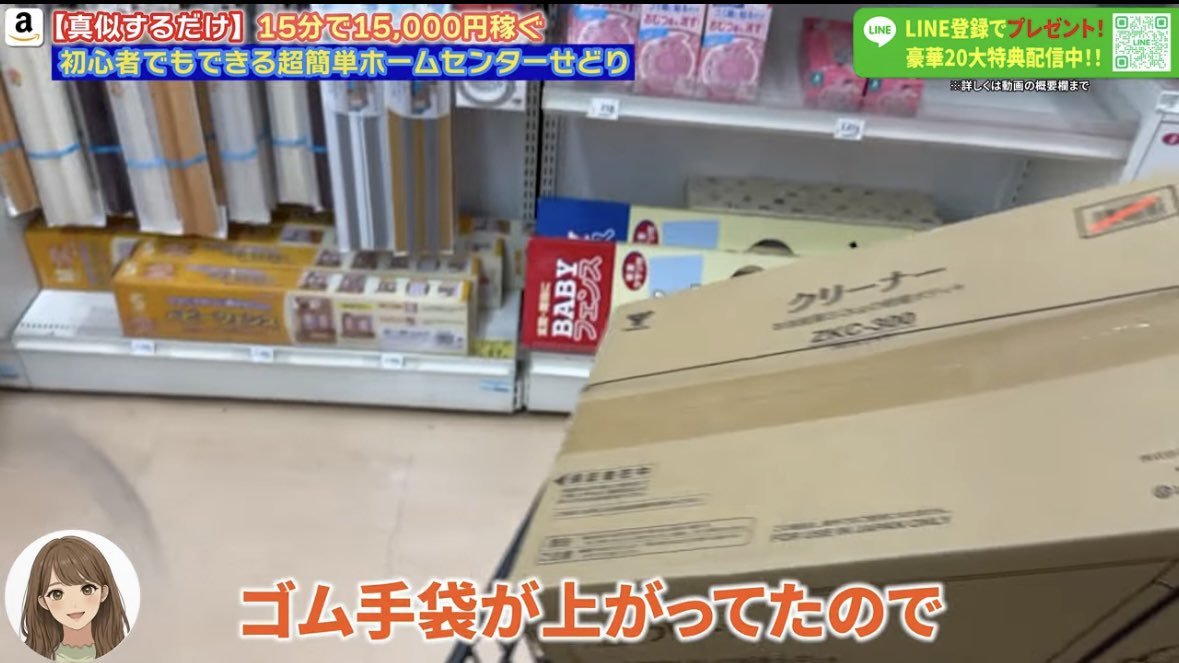
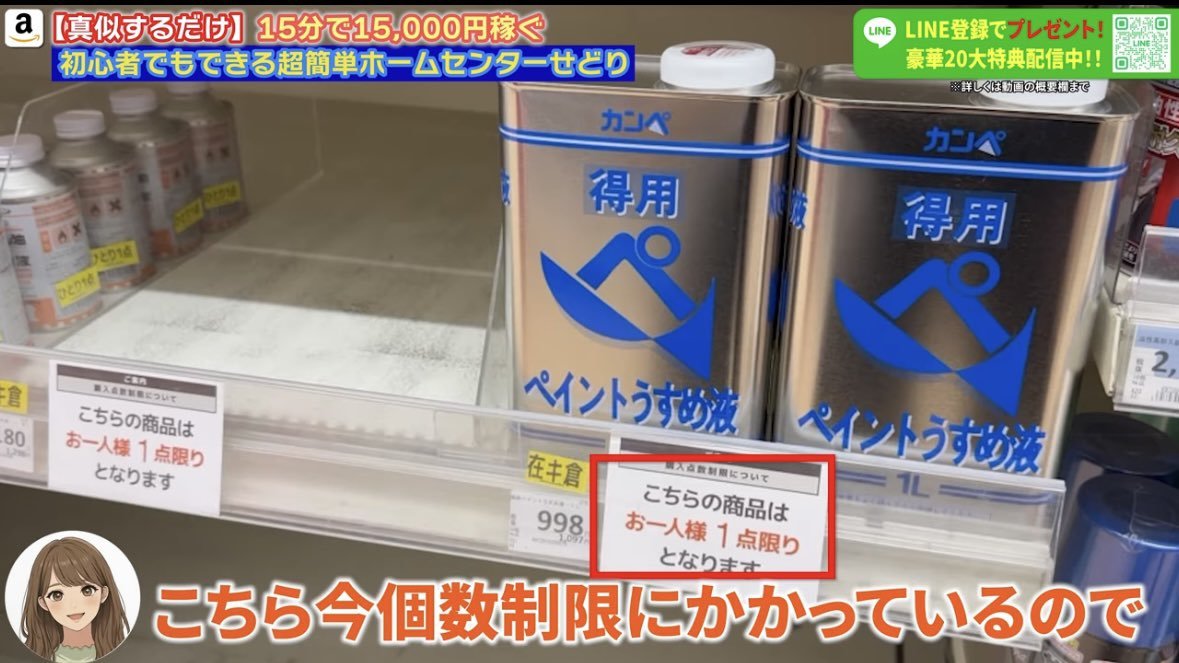
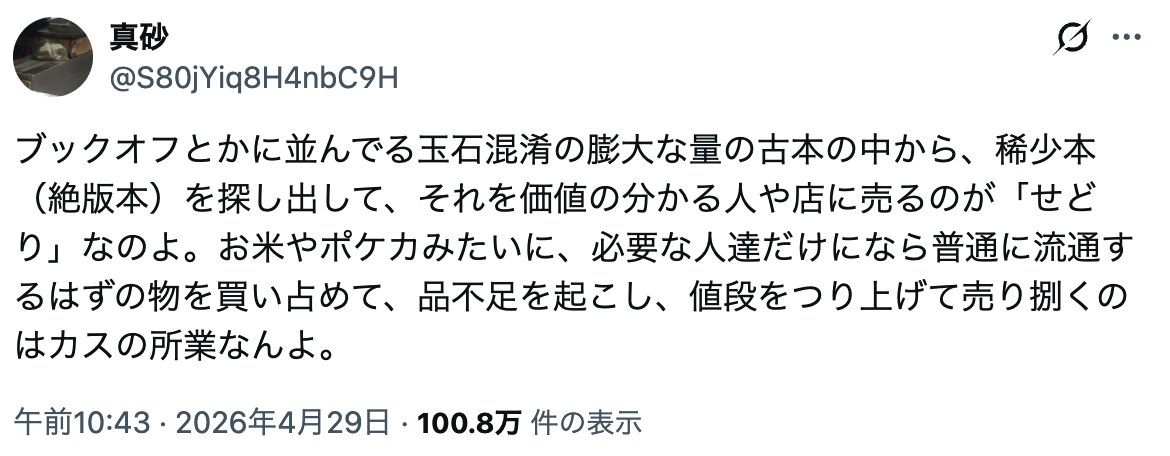
The video content quickly ignited a fierce backlash from netizens. Some pointed out that "reselling" originally referred to discerning rare, out-of-print books in second-hand stores like BOOK OFF and then selling them to individuals or shops who truly understood their value. Now, essential goods like rice and Pokémon cards, which should circulate normally to those who need them, are being deliberately hoarded, creating shortages, and then resold at higher prices—a practice many deemed shameless.
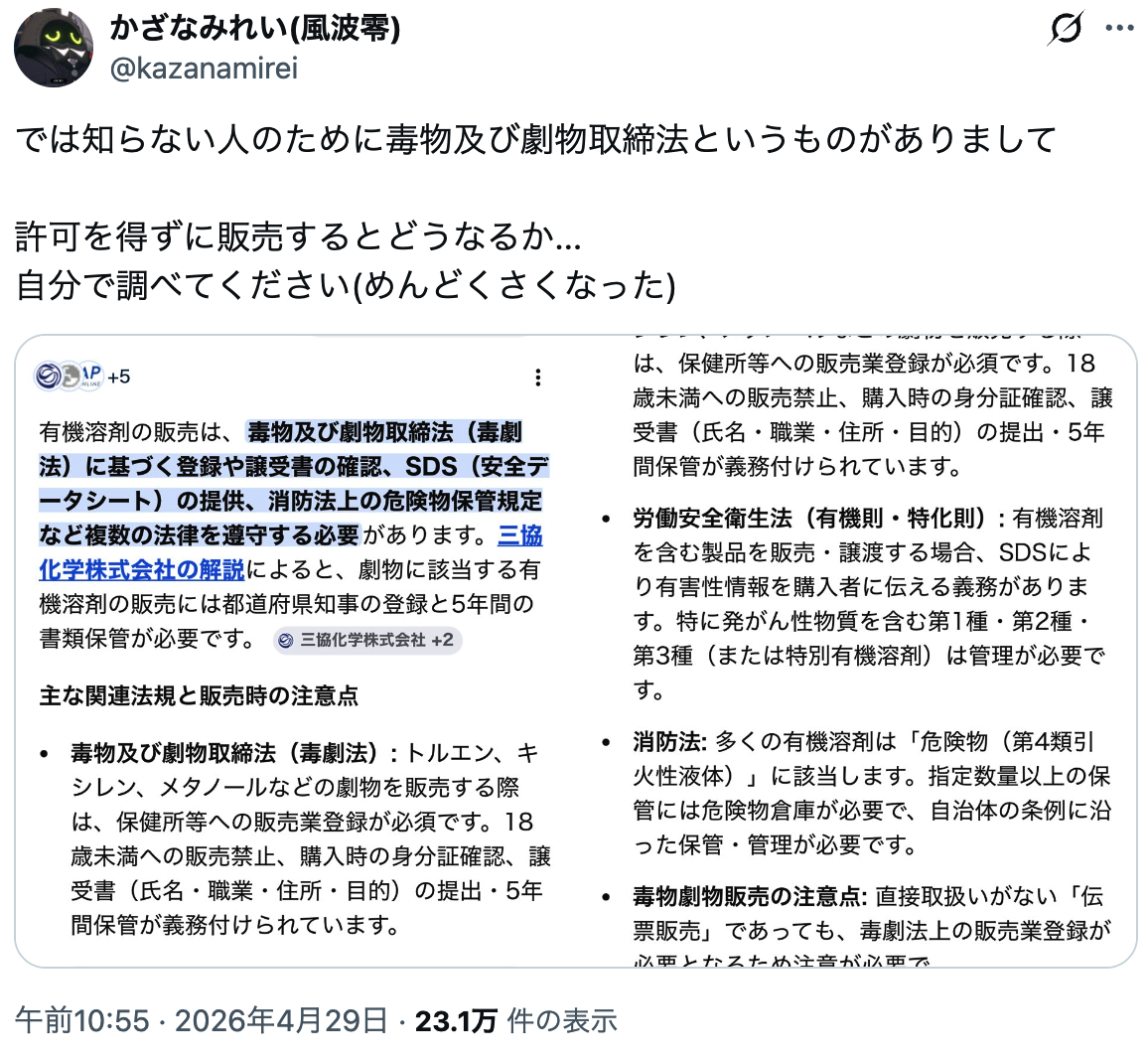
Other netizens sternly warned that paints and thinners are not commodities to be freely bought and sold, and that such resale activities cross legal lines. Under Japan's "Poisonous and Deleterious Substances Control Law," reselling these items without a license is illegal. Furthermore, hoarding large quantities of these "Class 4 dangerous goods," as regulated by the "Fire Service Act," poses serious public safety and regulatory issues.

Although the "resale mom" reportedly took down the controversial instructional video, the debate has not subsided. When profits are built upon others' urgent need for construction or infrastructure materials, the issue extends beyond merely making quick money; it raises questions about disrupting normal supply and demand, and potentially harming the public interest.