

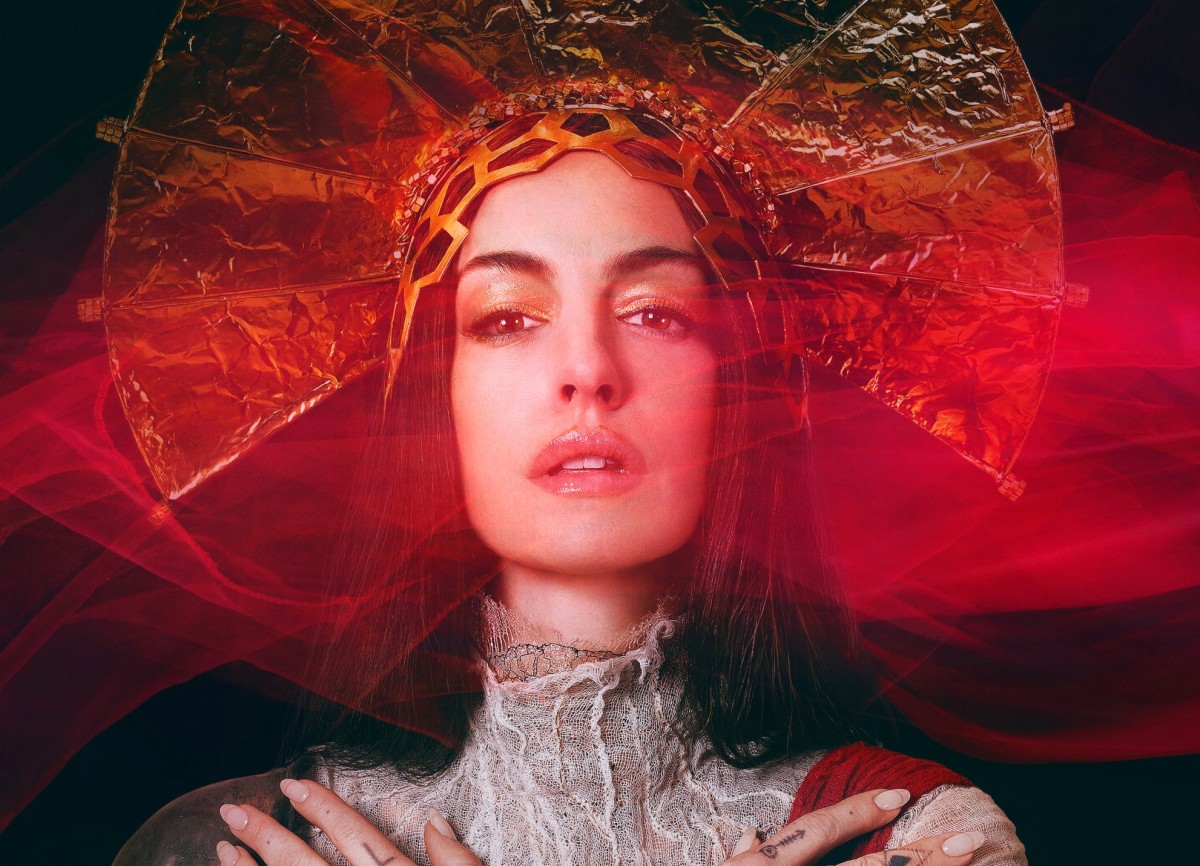
 (Image source: A24 Films)
Initially, the trailer led me to believe this was an Illuminati-esque film about Hollywood stars making sacrifices for career success, or a horror flick like "Smile 2" where celebrities are possessed by evil spirits. In reality, the story is much simpler, focusing on the healing process after a relationship breakdown. Essentially, its core theme is quite similar to Keanu Reeves' recent film, "The Bad Batch," both revolving around a celebrity seeking atonement from someone they's wronged. Or, to put it another way, it's a common trope within entertainment industry narratives.
However, "Mother Mary" takes a more sophisticated approach. The film's settings are largely confined to an old barn and a concert venue, with only one person to atone for. This allows the narrative to intensely focus on the celebrity protagonist's inner demons and the subtle shift in power dynamics between her and the person she needs to apologize to. David Lowery's interpretation of these inner demons is also unique, directly transforming them into a magical realist, ambiguous phantom – whether it's a literal ghost or a symbolic metaphor, both interpretations work. Last time, Lowery had Casey Affleck don a bedsheet as a ghost in "A Ghost Story." This time, the ghost is merely a floating piece of fabric, becoming increasingly extreme. 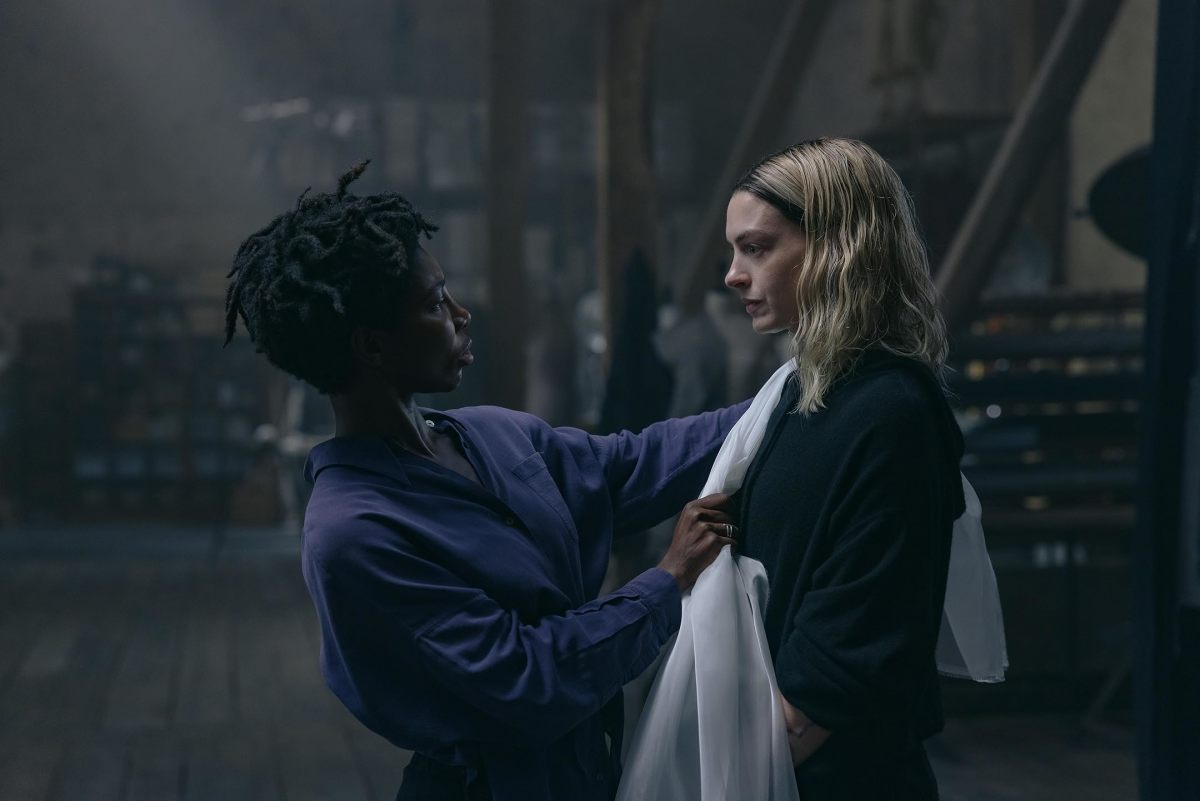
(Image source: A24 Films)
"Mother Mary" is almost a two-hander. Besides Anne Hathaway and Michaela Coel, everyone else makes cameo appearances. However, given the notable names involved – Hunter Schafer, Kaia Gerber, Jessica Brown Findlay, Alba Baptista, and FKA Twigs – it feels like a significant gesture for them to take on such minor roles. Among them, FKA Twigs is the only one who truly shines; she's perfectly suited for eccentric characters and themes, making it no surprise that "The Crow" also cast her for a brief appearance.
While Hathaway is the top-billed star on the promotional posters, I often felt that Coel was the true protagonist of the film. Her character holds genuine control throughout, with Hathaway almost entirely at her mercy, and at times, the narrative's subjective viewpoint rests with Coel, not Hathaway. Coel's performance truly commands the screen; despite her less extensive resume and lower profile compared to Hathaway, her composure is remarkably seasoned. Hathaway, of course, delivers a good performance, but whenever she takes on darker, more burdened roles, I still find myself pulled out of the experience. It's not that she performs poorly, but rather that she seems to exert more effort to immerse herself and more artifice to shape the character. She appears more natural in comedic or non-dark roles, but when tackling darker characters, it often feels like she's deliberately wearing a mask that doesn't quite fit. 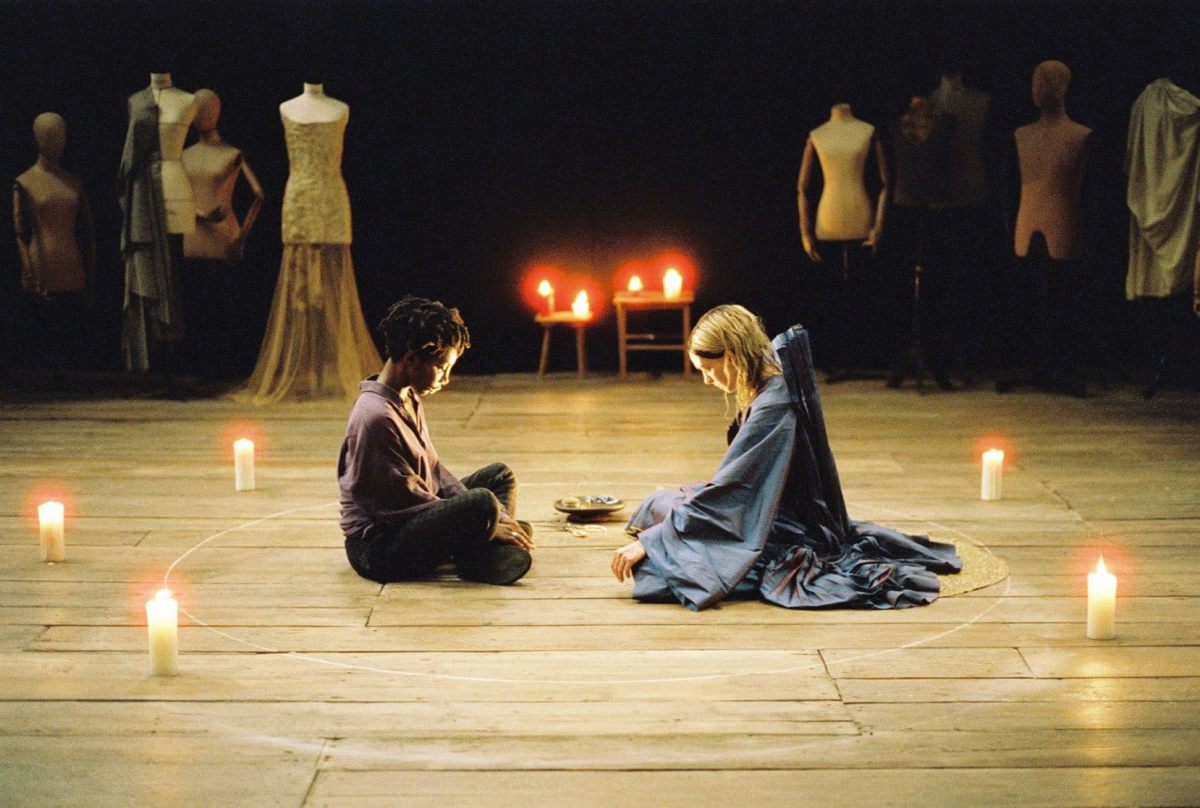 (Image source: A24 Films)
Furthermore, I don't believe the "Mother Mary" type of singer suits Hathaway's portrayal. Hathaway doesn't inherently exude the vibe of a pop singer, but if forced into the role, I think she'd be better suited for a style closer to Katy Perry. However, the "Mother Mary" persona feels more akin to Florence + The Machine or Lana Del Rey – artists or bands with an indie, somewhat psychedelic, and not fully pop sound. Even the character's portrayal as "Mother Mary" feels a bit odd; the film depicts her as a global sensation, on par with Taylor Swift or Ariana Grande, but can a singer of her style truly achieve that level of worldwide fame? LOL.
Aside from my reservations about the casting and character design, I generally enjoyed the film. Unfortunately, its release date was scheduled too close to the anticipated "The Devil Wears Prada 2," and Hathaway's primary promotional efforts were undoubtedly directed towards the latter, leaving "Mother Mary" to be largely overlooked. Hollywood loves to do this, and I don't understand why. Last year was similar: Vanessa Kirby's "The Night Comes On" and Pedro Pascal's "Eddington" were both deliberately scheduled too close to "Fantastic Four: First Steps." They probably thought they could piggyback on the buzz of a major blockbuster, unaware that audiences mostly care about the big films, and those trying to ride the coattails often end up as forgotten memes at the bottom of the ocean. 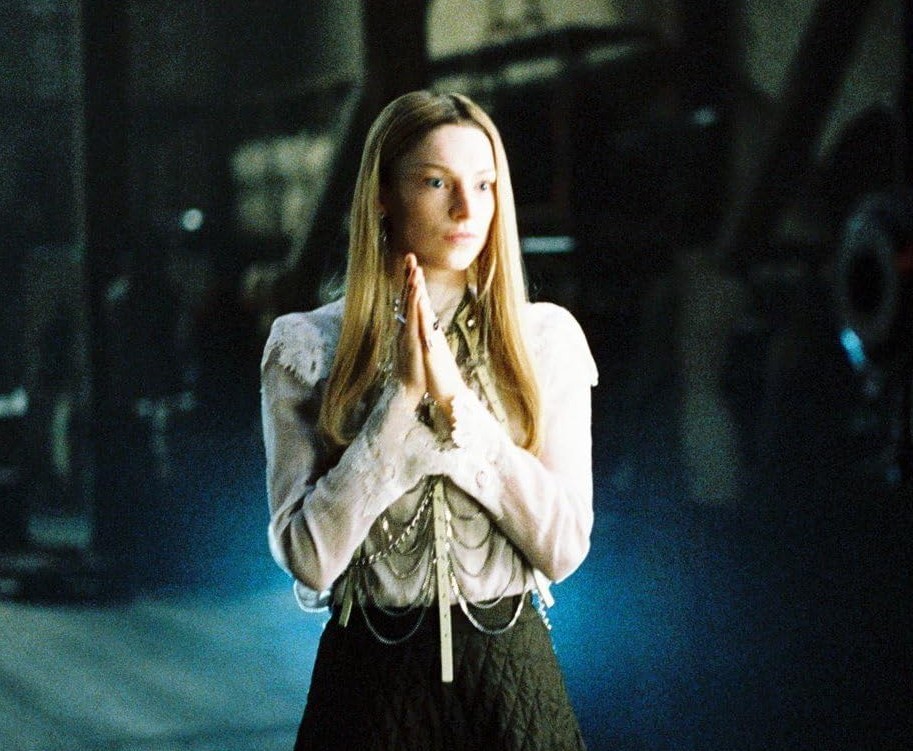 (Image source: A24 Films)
Finally, I must commend the soundtrack for "Mother Mary." Many "non-musical" films centered around singers often commission original songs for the protagonist, but these tracks are frequently not refined works; they often feel like quick productions, hastily piecing together stereotypical melodies associated with specific music genres for plot convenience. While many of those songs are pleasant to listen to, it's often evident that their purpose is merely to replicate audience's preconceived notions of those music genres. However, the original songs in "Mother Mary" are different. These are living compositions, "organic" creations that developed from scratch alongside the character of Mother Mary, not just a patchwork of stereotypes.