

Capcom's latest entry in the classic survival horror series, "Resident Evil Requiem," recently found itself at the center of a storm following an Nvidia DLSS 5 tech demo. The video showcased character Grace Ashcroft's face after AI processing, which many players slammed for losing its original charm. But here's the twist: Producer Masato Kumazawa, in a recent interview with Eurogamer, revealed that the development team sees this backlash as a "positive" sign. Why? Because players' strong reactions actually prove that Capcom's initial character design was a resounding success!
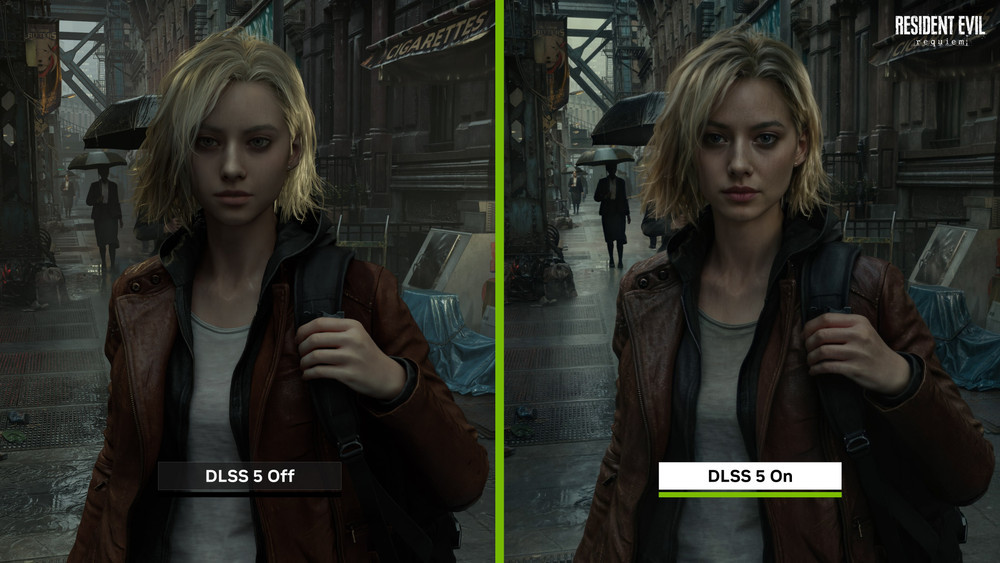
Kumazawa explained that countless players commented on how much they loved Grace's original look and didn't want to see her changed. For the dev team, this was fantastic news. He believes it means the team "got the design right" and shows that Grace quickly built up a loyal fanbase, which is precisely why players reacted so strongly to the changes in her appearance. However, he didn't elaborate on whether Capcom was involved in or aware of Nvidia's DLSS 5 demo arrangements beforehand.
Nvidia unveiled its DLSS 5 demo video in March, aiming to highlight the new technology's visual advancements in games like "The Elder Scrolls 4: Oblivion," "Hogwarts Legacy," and "Starfield." Yet, it was the AI-processed version of Grace from "Resident Evil Requiem" that became the eye of the storm. Many players described her face as looking like it had been slapped with a common social media AI filter, with some even bluntly stating, "That's not Grace at all."
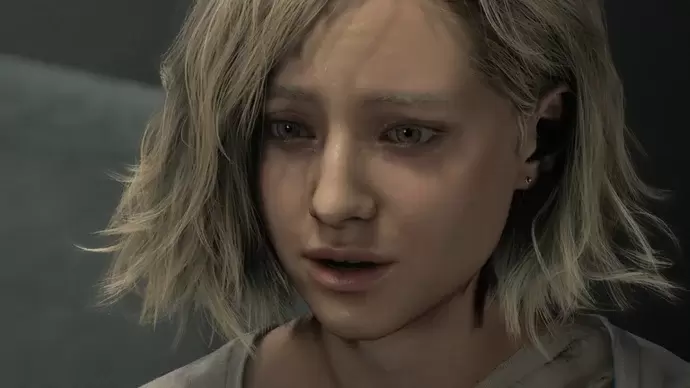
The report also noted that at least some Capcom developers seemed unaware that Nvidia would feature "Resident Evil Requiem" in the DLSS 5 demo. On the flip side, while Capcom has stated it will use AI to assist in development, it has also emphasized avoiding generative AI. Judging by Kumazawa's comments, it seems Grace won't be getting a similar AI makeover anytime soon, and player support for her original design stands as the clearest feedback from this tech controversy.
via: Eurogamer