

The Netflix original anime film Cosmic Princess Kaguya! has become a rare breakout hit, first launching exclusively on the platform worldwide before a theatrical run in Japan that raked in over 2 billion yen at the box office, catching the industry's attention.
This success, coupled with a strategic partnership with MAPPA and a deeper dive into media mix development, signals a clear evolution in how Netflix engages with Japanese anime. The company is moving away from simply locking down exclusive distribution rights and is instead embracing a "co-creation" model with partners and creators. Japanese outlet Anime! Anime! sat down with Yuji Yamano, Netflix's Director of Content, to discuss this strategic shift.
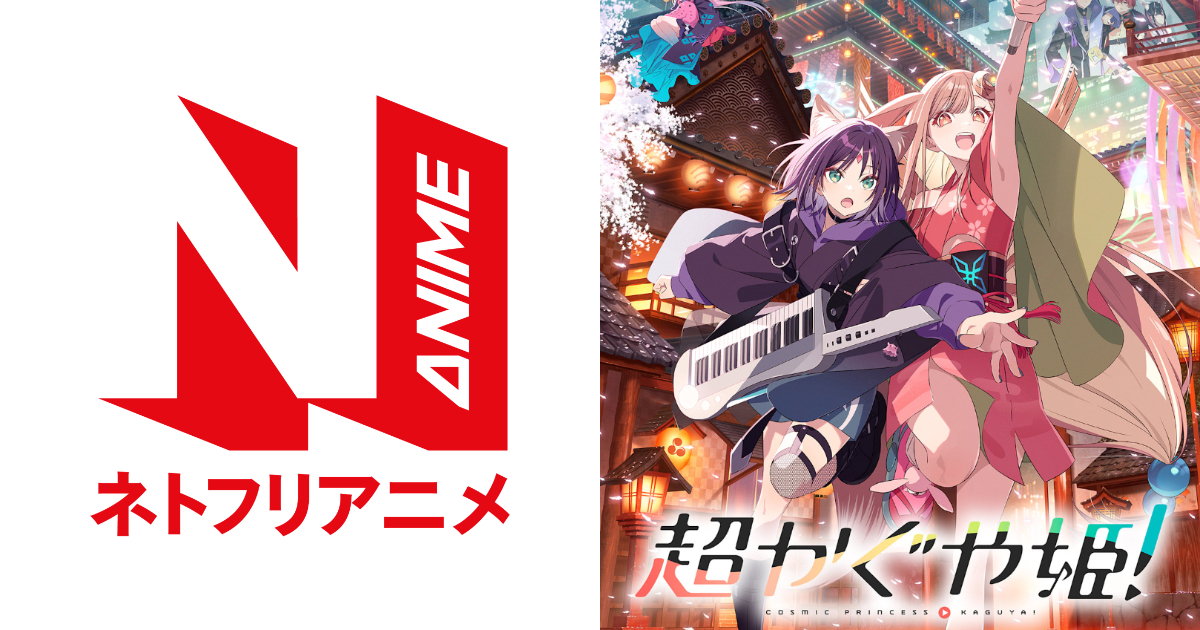
Cosmic Princess Kaguya! is the third collaboration between Netflix and animation company TWIN ENGINE, which handles planning and promotion. While the first two projects had simultaneous streaming and theatrical releases, this time they flipped the script, prioritizing a streaming-first launch followed by a theatrical run.
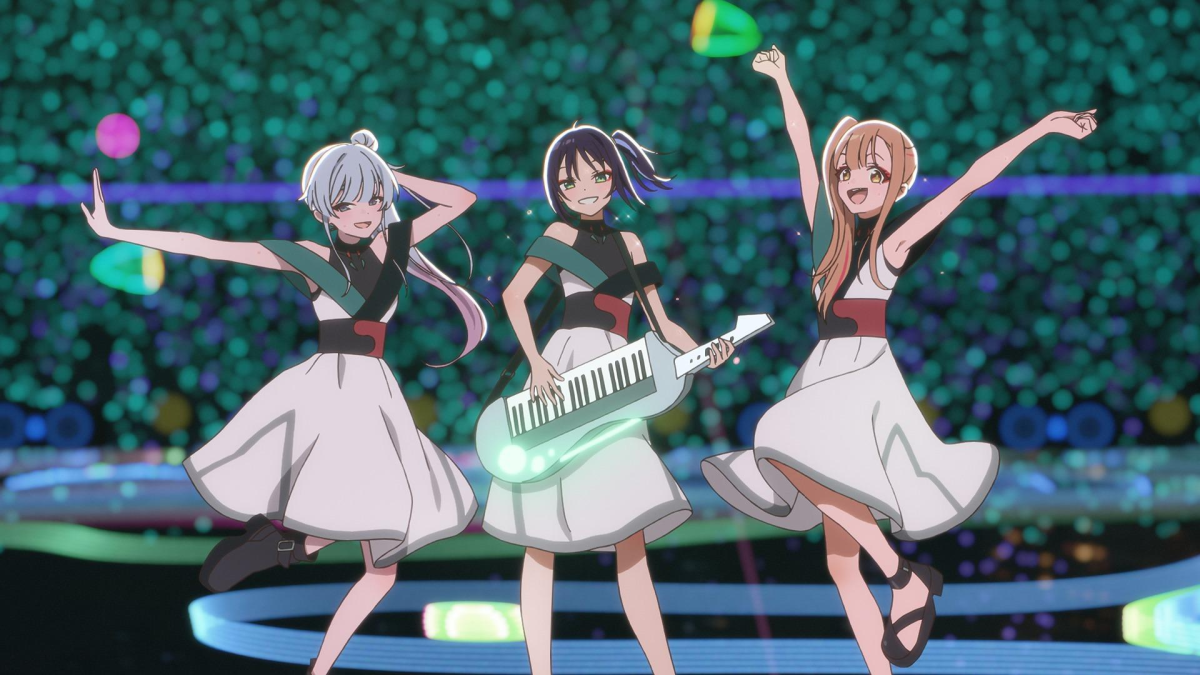
Yamano explained that while simultaneous releases reached a broad audience, the marketing strategy often felt diluted by trying to serve two masters at once. For their third film, they decided to focus squarely on streaming, with the goal of turning it into a global phenomenon.
The strategy paid off. Many viewers who watched the film on Netflix flocked to theaters to experience it again on the big screen, while others who saw it in cinemas first went home to rewatch it. This "multi-watch model" sparked conversations on social media, creating a new kind of viewing culture.
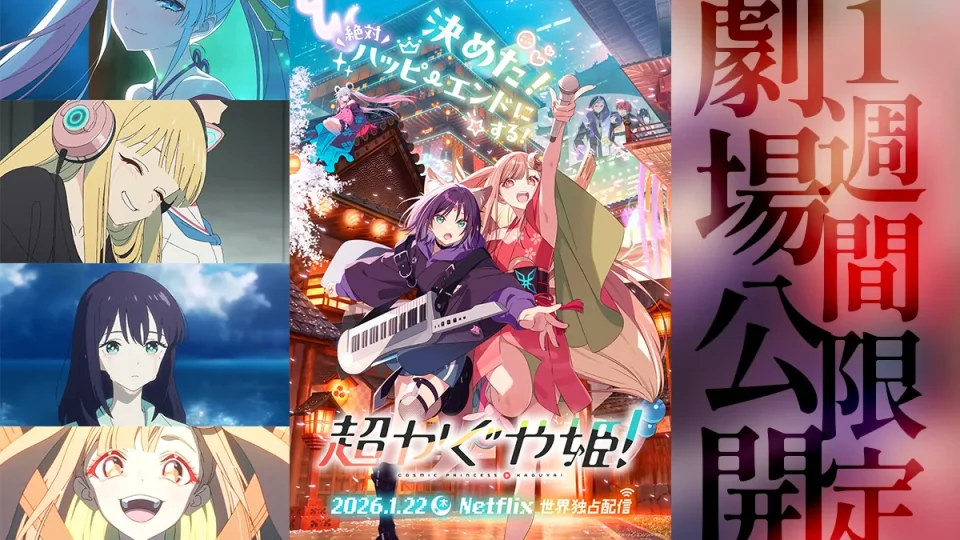
Shingo Yamashita, the director of Cosmic Princess Kaguya!, believes that streaming's greatest advantage is rewatchability. With this in mind, he intentionally crafted a film where "you discover something new every time you watch." The team made no compromises on the storyboarding or overall structure, ensuring the work would shine on both streaming and in theaters—a key factor in its success.
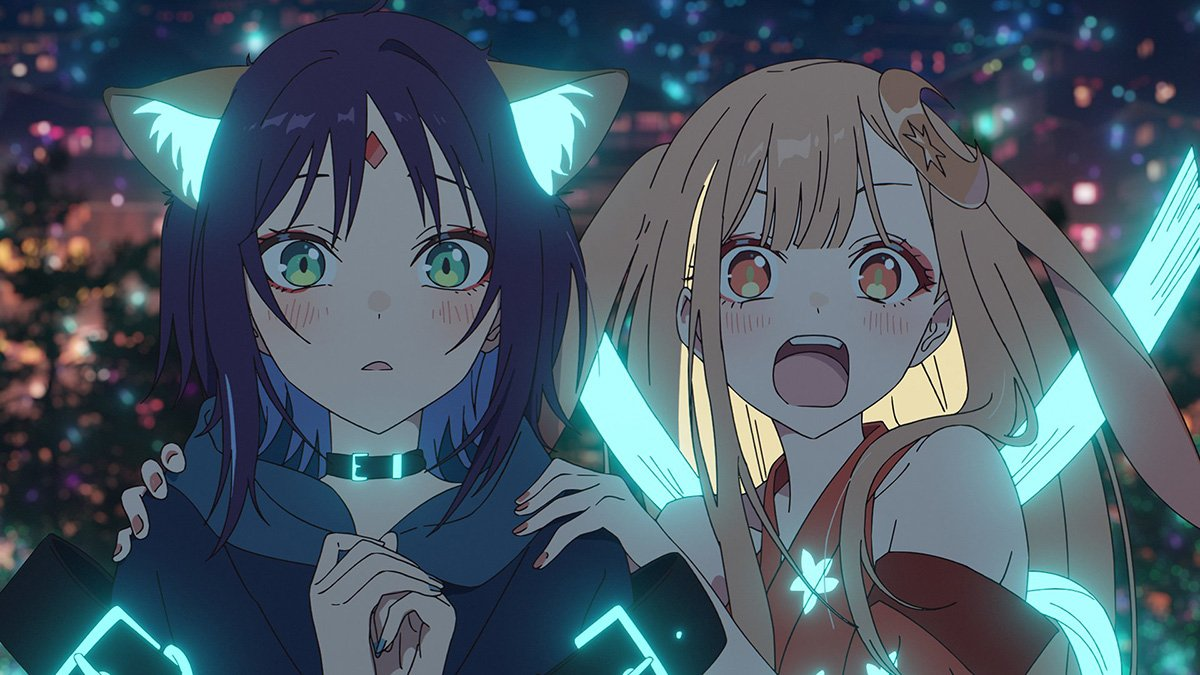
The success of Cosmic Princess Kaguya! serves as a powerful case study, proving that even a platform-exclusive title can achieve massive mainstream reach.
Yamano admitted to feeling a bit frustrated in the past, seeing how live-action series could become global blockbusters while anime struggled to achieve the same level of breakout success. This film has been a major shot in the arm for the "original anime + exclusive streaming" model, and he hopes it will attract more creators to the platform.
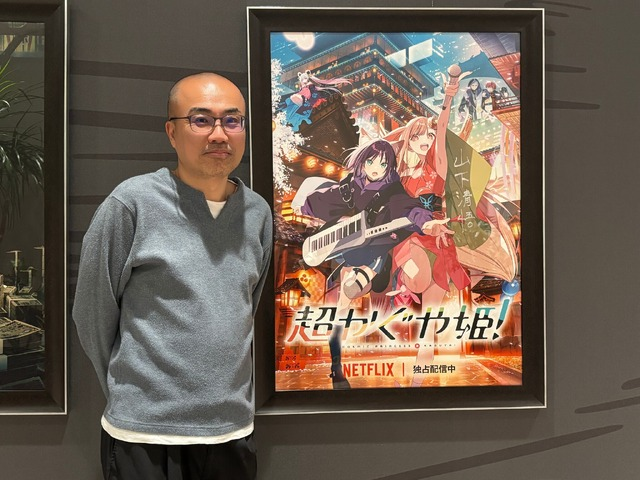
Netflix's strategy for Japanese anime has clearly pivoted. Previously, the company tended to acquire finished products for exclusive distribution. Now, it's getting involved from the earliest planning stages to co-develop content with production houses. The partnership with MAPPA, for instance, goes beyond animation to include merchandise development and other IP extensions as part of a broader media mix strategy.
Although Netflix is available in over 190 countries, executing a complete Japanese-style "anime + merch + events" media mix isn't easy. Yamano notes that viewing habits vary wildly by country. For example, some audiences may be unfamiliar with the source manga, requiring character motivations to be re-explained. Promotional tactics must also be localized; for Sakamoto Days, they created special promotional videos for overseas markets designed to be understood even by those who had never read the original work.
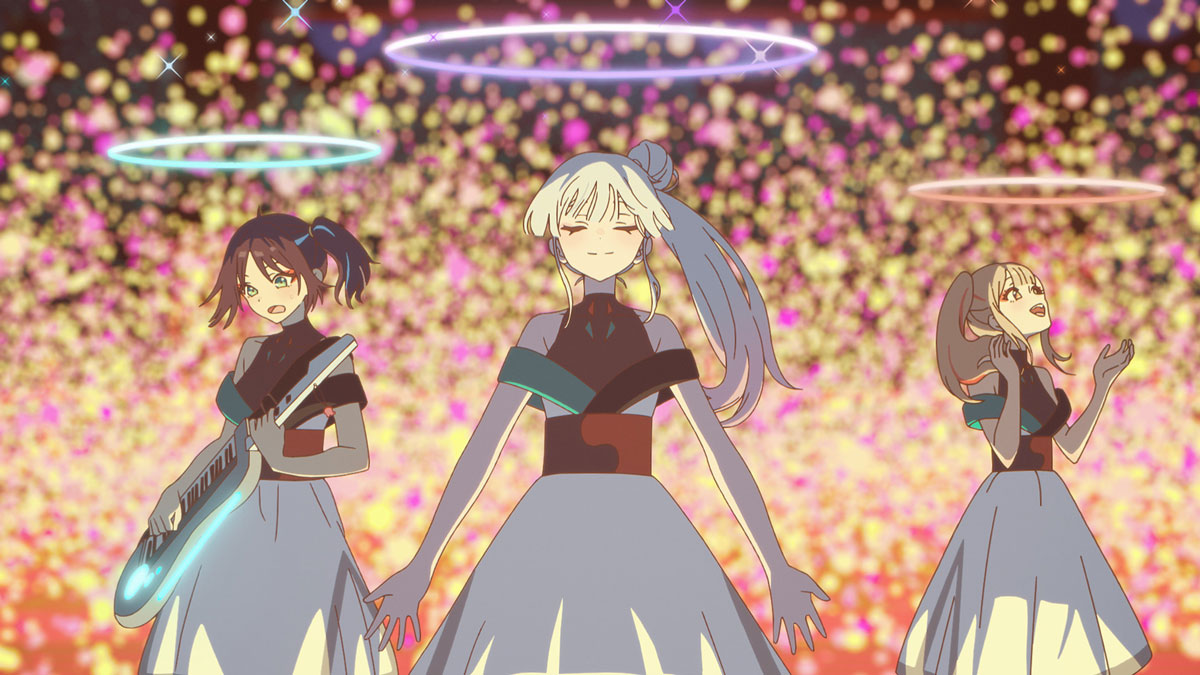
Netflix data reveals that about 80-90% of its audience prefers to watch anime with a "dubbed" voice track. For Cosmic Princess Kaguya!, even the songs were recorded in multiple languages (English, Filipino, Thai, Spanish, and Portuguese). These weren't just direct translations; the rhythm and lyrics were re-adapted for each language.
While Netflix once focused on securing full exclusive rights, its approach to Japanese anime is now far more flexible. The goal is no longer total control but rather partnering with companies skilled in the media mix to expand the IP's reach while respecting Japan's existing industry ecosystem. Yamano states that Japan is at the forefront of fan engagement and transmedia development, and it's more effective to collaborate with specialized teams than to try and do everything in-house.
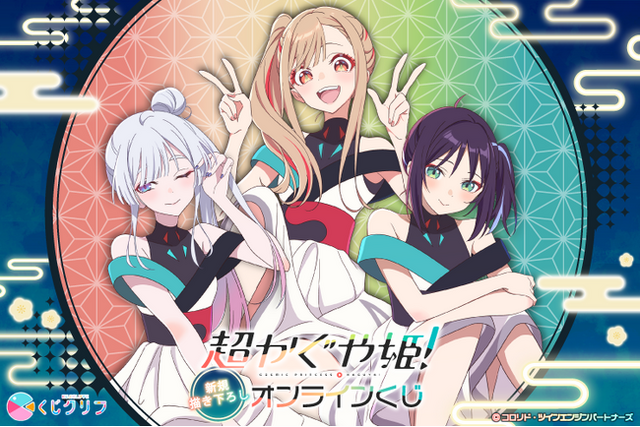
▼ The collaborative merchandise for Cosmic Princess Kaguya! rolled out remarkably fast—something Netflix couldn't have achieved on its own in the past.
Overall, Netflix is shifting from a "platform-led" approach to a "creator-collaborative" model:
From buying content → Co-developing content
From exclusivity → Flexible partnerships
From simple distribution → Holistic IP management
Going forward, the evolution of its strategy—encompassing not just animation but also films, games, and merchandise—will be a key indicator of Netflix's ambitions in the anime space.
via: アニメ!アニメ!