

Ever scrolled through your feed and noticed something? Gen Z, especially those in their twenties, are all about the "no-face" photo trend. We're talking emojis over faces, phones strategically blocking half a selfie, or just straight-up sunset-and-sea-backs-to-the-camera shots – it’s become their everyday.
But why go all the way to a picturesque spot or a cool event just to hide your mug? Japanese media outlet Shueisha Online dug into this phenomenon, suggesting it's more than just shyness or privacy concerns – it's a complex mindset born from the social media age.
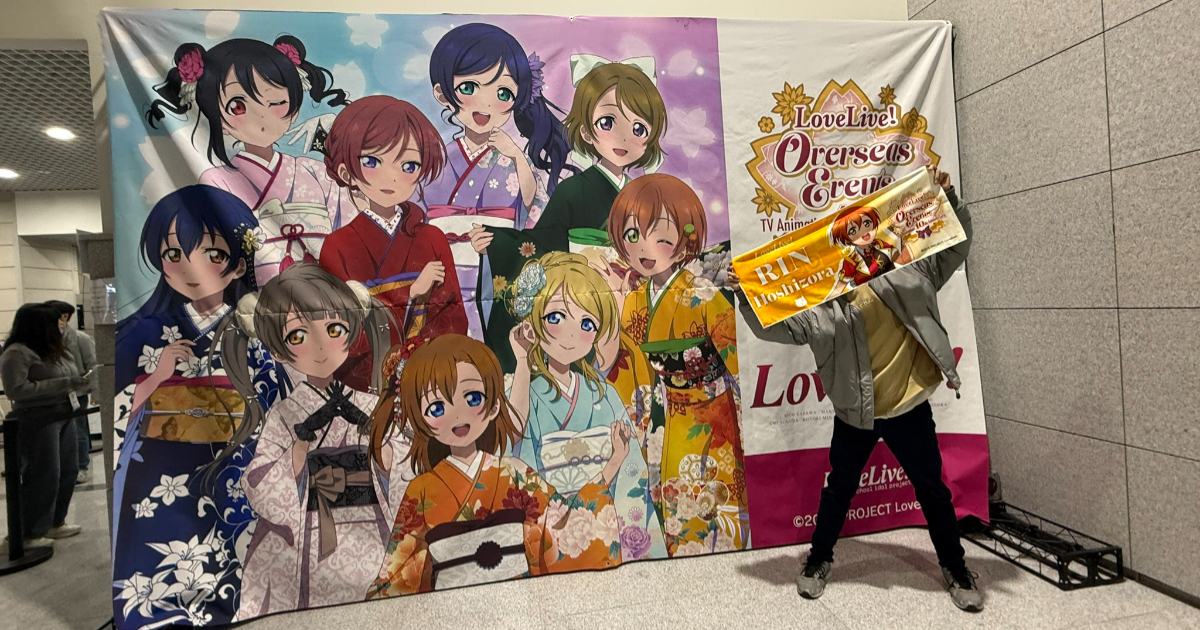
The report points out that "face-covering" isn't exactly new. It's been a thing ever since smartphones made snapping and sharing a daily ritual. And get this: the psychology behind it is pretty similar to Japan's long-standing "mask culture." For many, masks aren't just about dodging germs; they offer a sense of security, especially by covering the mouth, which lessens the anxiety of being stared at.
On social media, "face-hidden" posts act as a kind of "appearance shield."
But it's not just about not wanting to be seen. Social media pics often feature friends and capture the vibe of an event. Even if you think you look fire, your buddies might not agree. Plus, there's always the risk of outsiders over-analyzing "who you're with and what your deal is."
Take group photos, for instance – getting everyone to love how they look is a mission impossible. So, why not just cover up from the get-go? It sidesteps the whole "who looks better" comparison game and still keeps the "we hung out!" memory alive. In a way, it's a savvy move to dodge social drama.
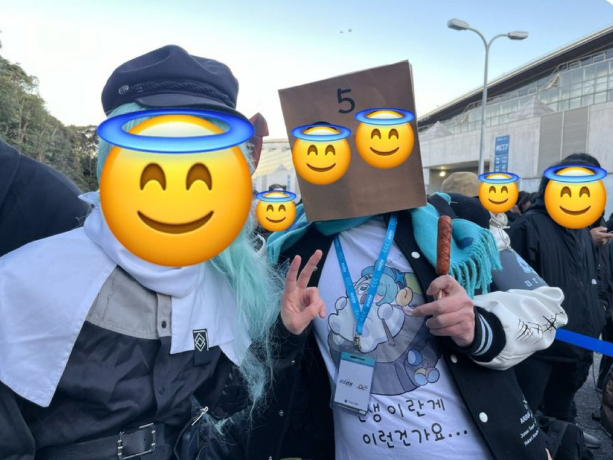
▼ Using emojis to cover faces, like this, is super common on Japanese social media.
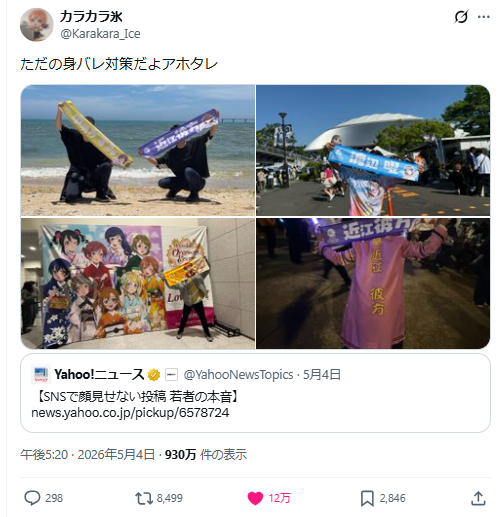
However, Japanese netizens weren't exactly buying into the media's deep dive, playfully poking fun at the article. Many argued there's no profound mystery here; it's simply a tactic to avoid being recognized online. Even if you snap a full-face pic, it's totally normal to share a "face-hidden" version on social media.
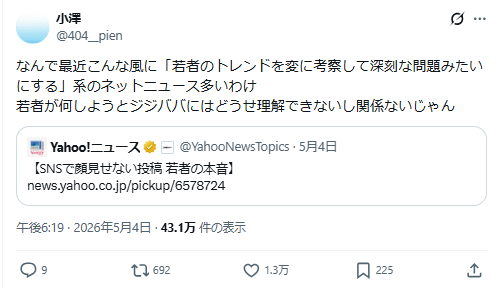
And speaking of netizens, some pointed out a growing trend of articles that "over-analyze young people's behavior as if it's some kind of problem." Their take? "This is just stuff older generations will never understand." There's no "problem" at all; it's simply a generational culture clash that's always existed.
Others highlighted the article's underlying assumption: "Why would they cover their faces in such a photogenic spot?" They questioned why "showing your face" is treated as the default, and why that assumption even exists.
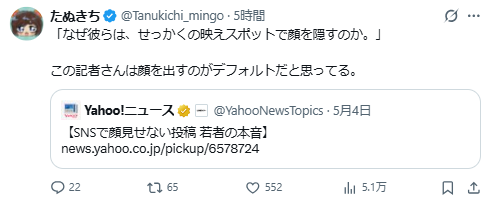
Especially with the internet's dangers growing exponentially, you never know who's watching on social media. Doxing and online attacks are real threats. In that light, isn't not showing your face a perfectly sensible safety measure?
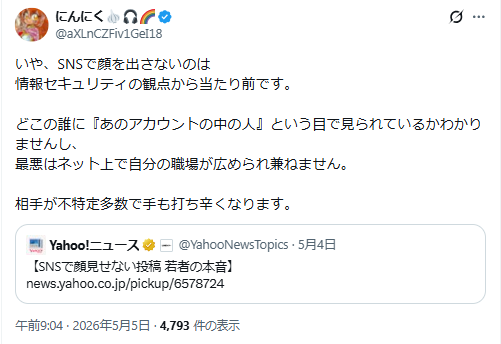
This clearly shows that young Japanese people view "face-hidden" posts as a self-defense mechanism for the digital age. They're pretty unimpressed by the media's confusion, asserting that showing your face online is far from a given.
Ultimately, how you manage your social media is a personal choice. But when it comes to generational differences, maybe some things, as the netizens put it, "older generations will just never understand."