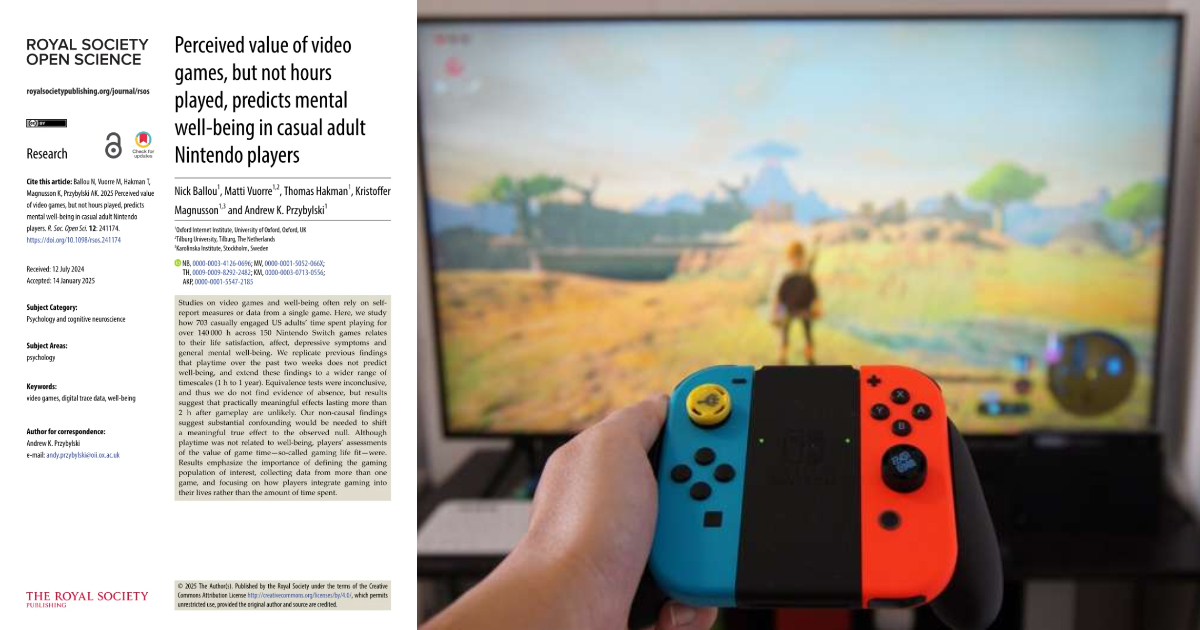
A research team from the University of Oxford in the UK recently published a study in the journal 'Royal Society Open Science.' The study, titled 'Perceived value of video games, but not hours played, predicts mental well-being in casual adult Nintendo players' (Perceived value of video games, but not hours played, predicts mental well-being in casual adult Nintendo players), delves into a hot topic.
This publicly released study primarily investigates whether 'how long you game' truly impacts mental health, and under what conditions playing games can lead to greater well-being.
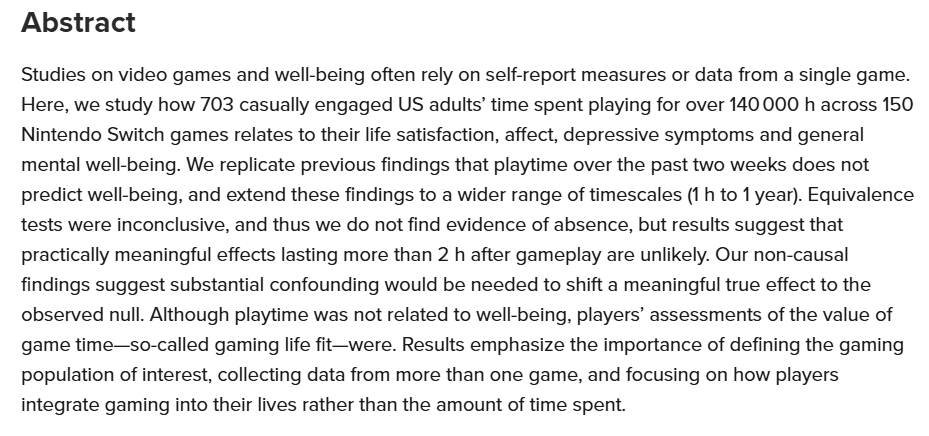
The research recruited 703 Nintendo Switch players residing in the US, with an average age of 31, to participate in the survey. It analyzed over 140,000 hours of actual gameplay data. Participants played 150 first-party titles developed by Nintendo and its affiliated companies, with the data then cross-referenced with mental health questionnaires.
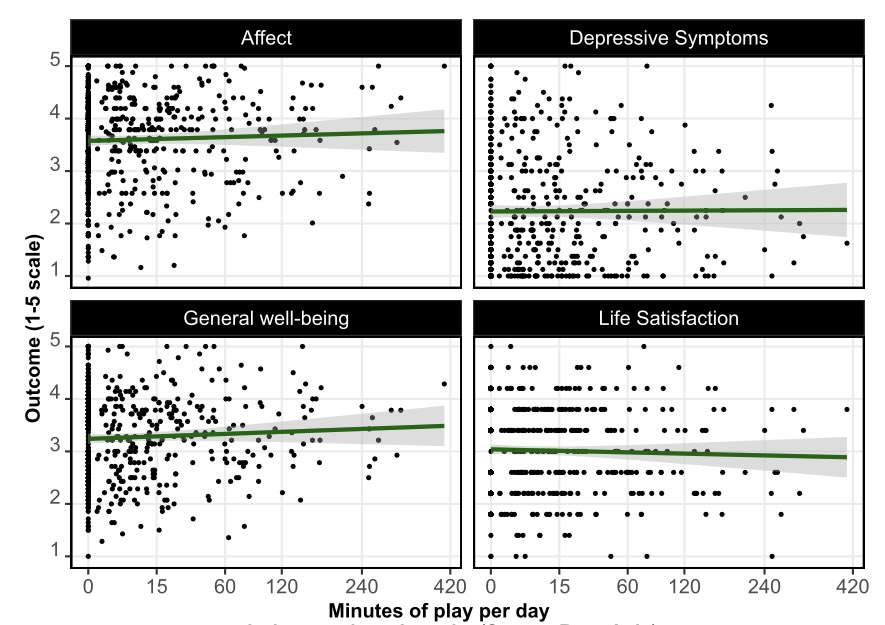
However, most of the players in this study were categorized as 'casual gamers.' Even those in the top 10% for playtime averaged only about 60 minutes per day.
The study's findings revealed no significant correlation between the duration of gameplay over the past two weeks and life satisfaction, depressive moods, current emotional state, or overall mental well-being. The research team even extended their analysis to different timeframes—from 'the last hour' all the way to 'the past year' of gameplay records—and found no clear relationship where 'the longer you play, the worse your mental state becomes.' This outcome actually challenges the common belief that 'playing too many video games harms your mind and body.'
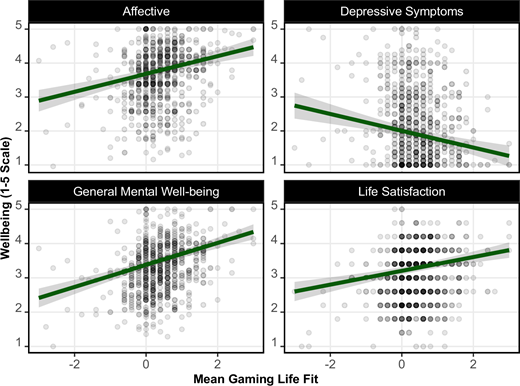
Instead, what truly showed a significant link to mental health was a metric within the study called 'Gaming Life Fit.'
Simply put, this metric gauges players' subjective perception: 'Does gaming enhance my life, or does it hinder it?' This includes factors like whether it helps with stress relief, emotional regulation, impacts work or studies, affects social life, or has a positive effect on concentration and cognitive abilities.
The study found that if players perceive 'gaming as beneficial to their lives,' then regardless of how long they play, they generally report higher levels of well-being and better mental health.