

You know how they say even the wildest creative works often reflect their creators? We're talking character quirks, daily habits, how they react to situations, and even those tiny, blink-and-you-miss-it details that often spring from an author's own life and experiences.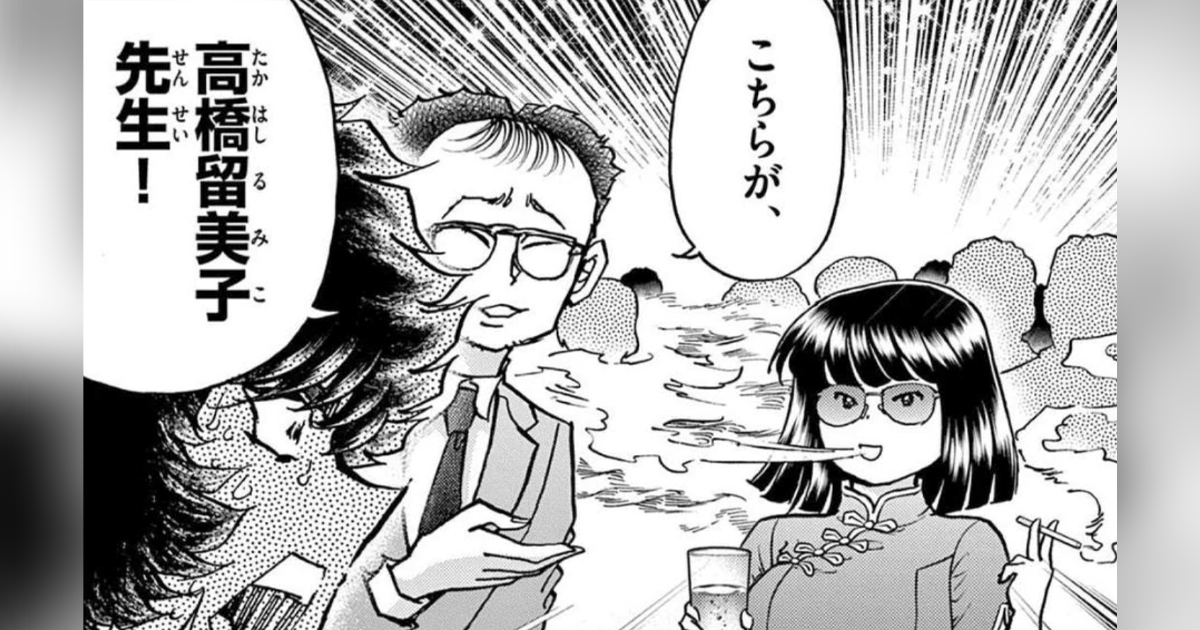 Recently, Japanese Twitter user "超ボルボックス(@vol__vol2)" sparked a fascinating discussion about the idea that "authors can only write what they've personally experienced." Take, for instance, a writer who penned a breakfast scene, thinking it was perfectly normal, only for their editor to chime in: "Sensei, I don't think anyone eats *that much* rice in the morning...!" That's when the author realized they were just someone who could genuinely devour a huge breakfast first thing.
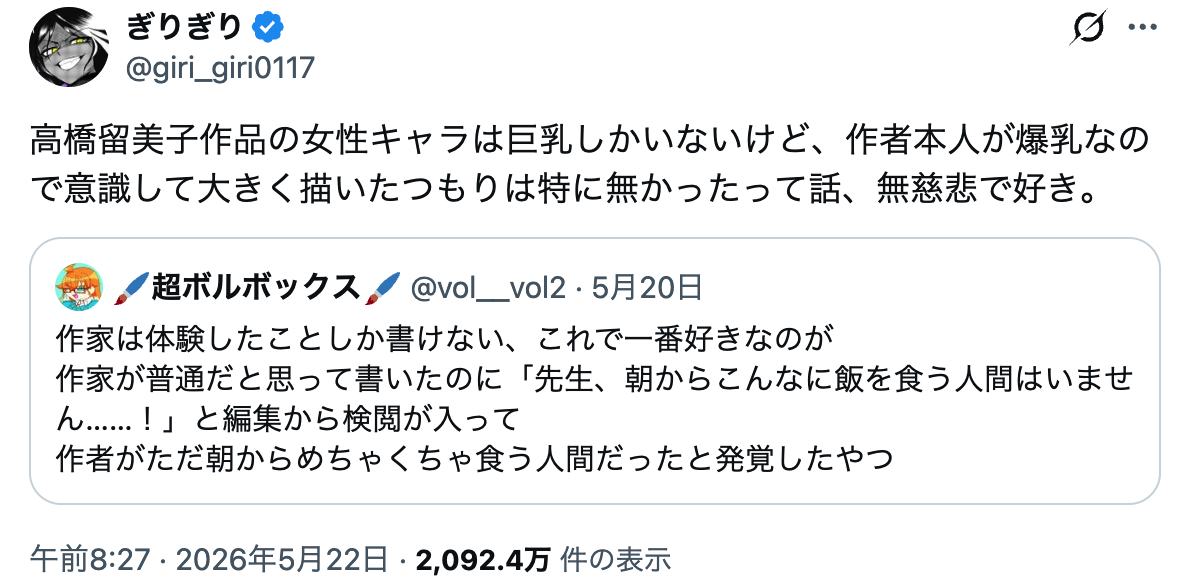
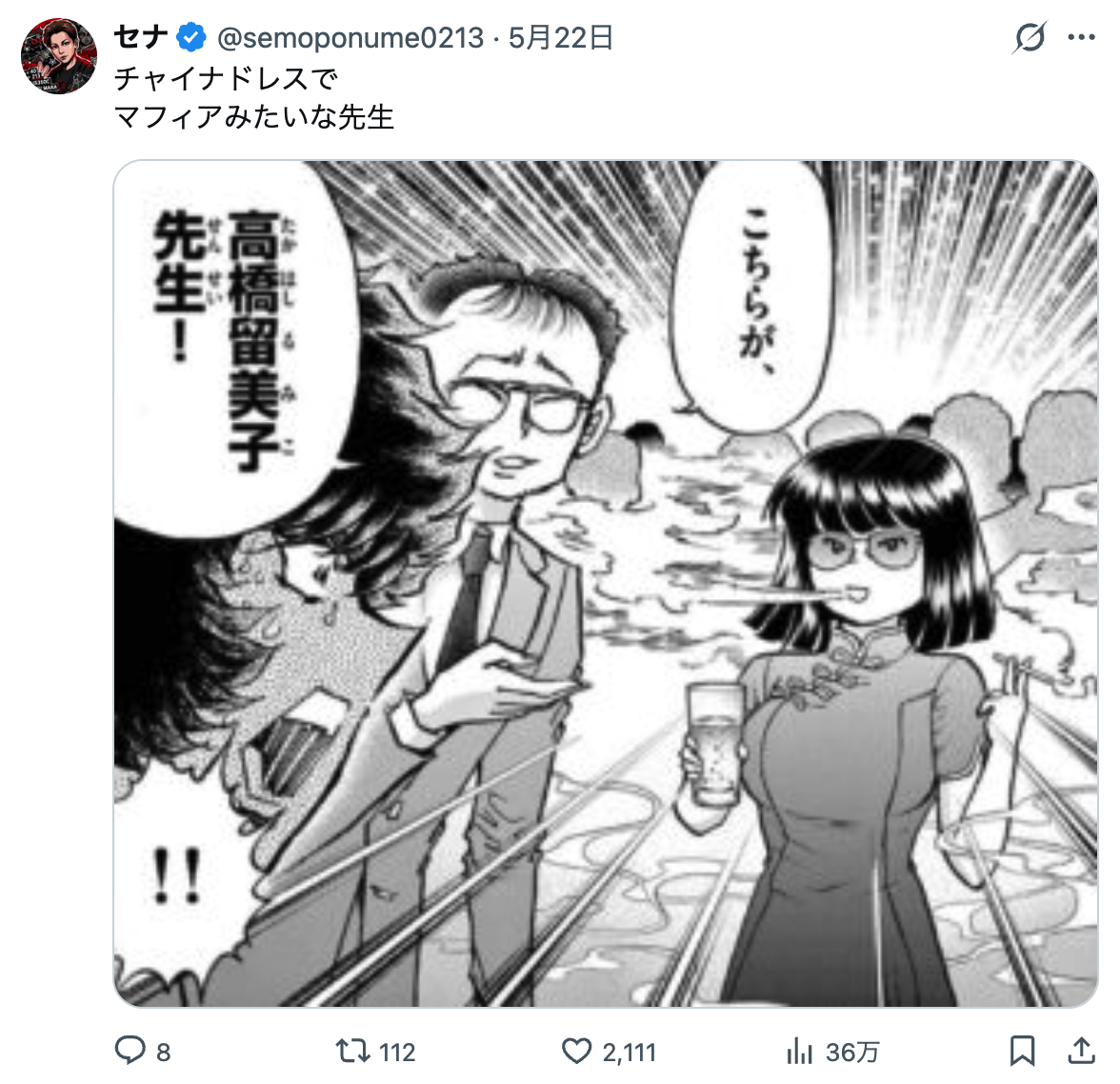
This conversation quickly spilled over into the world of manga. Fans brought up legendary mangaka Rumiko Takahashi, noting that her female characters are often described as having generous figures. One popular theory suggests this isn't a deliberate artistic choice, but rather because Takahashi-sensei herself is quite full-figured, and it simply reflects her own reality.
The discussion also brought up Hiromu Arakawa's "Fullmetal Alchemist." Remember that chilling line from Mustang about how, after a body burns, the fat dissipates into the air? It's incredibly vivid and leaves a strong sensory impression, making you wonder what kind of experience could possibly inspire such a detail?
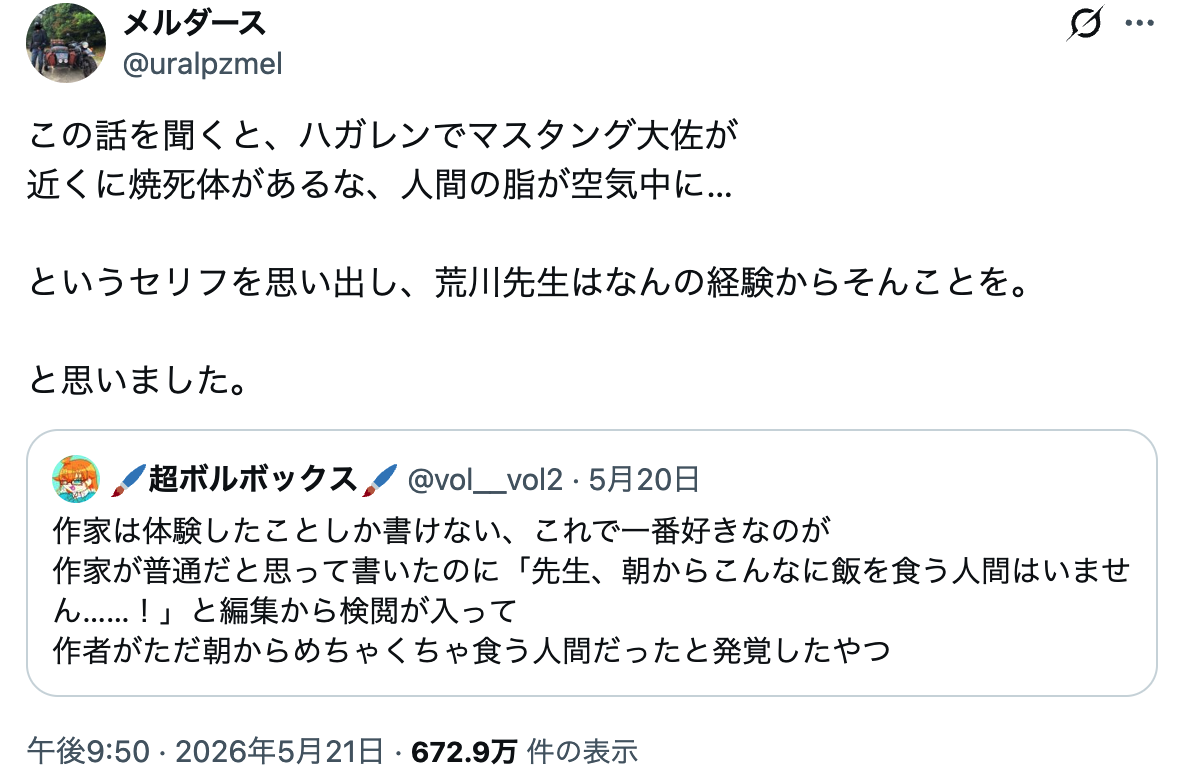
Many fans speculate this might be linked to Arakawa-sensei's background as a dairy farmer. In her autobiographical manga "Hyakushou Kizoku" (Noble Farmer), she describes the process of "dehorning" cattle, including using a cauterizing tool to stop the bleeding after the horns are removed. These kinds of visceral, hands-on experiences with animals, flesh, and even the smells associated with farm life, likely became an unconscious wellspring for the striking realism in her work. 
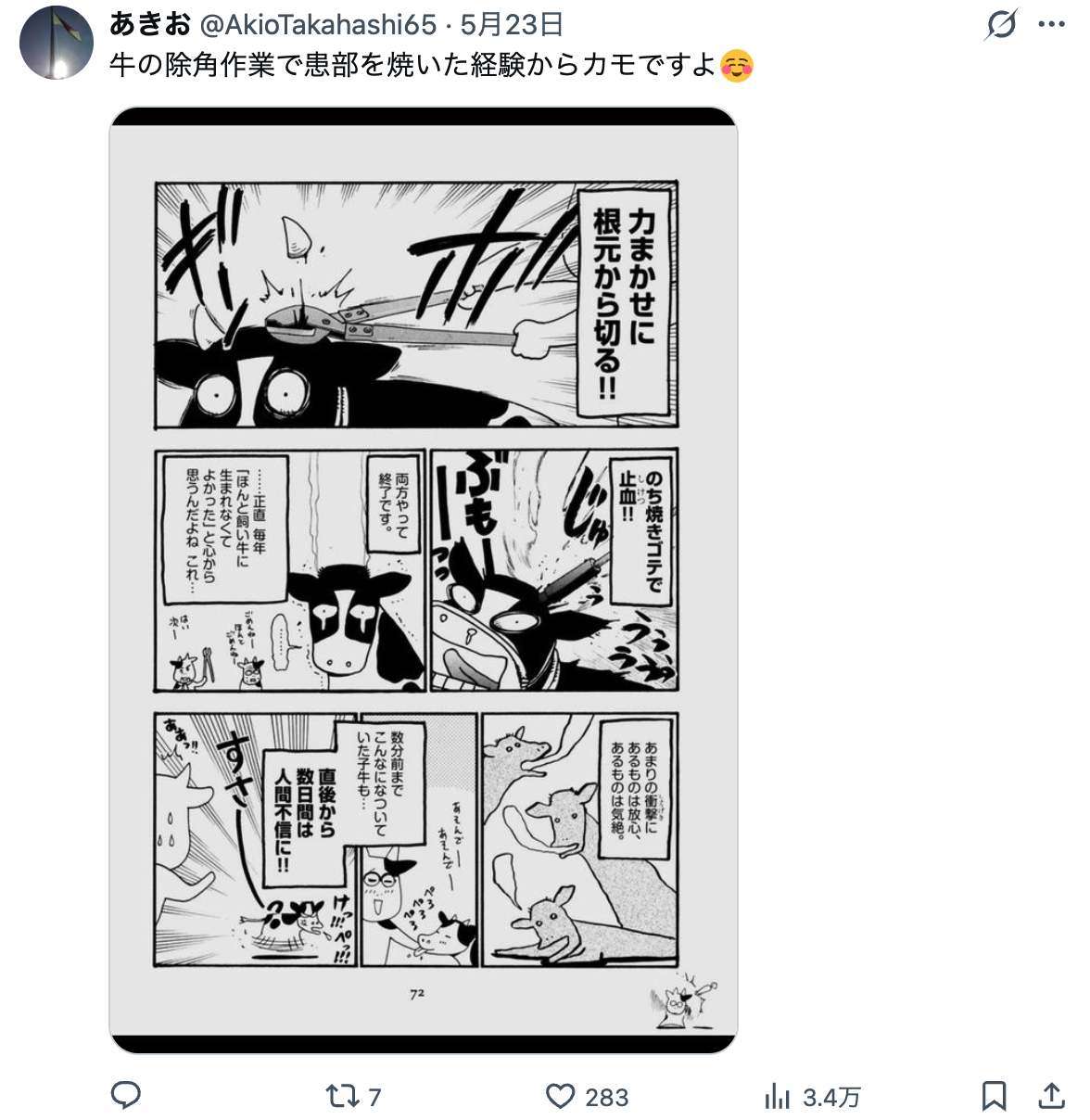 Sometimes, these subconscious glimpses into an author's life are far more compelling than any deliberately crafted plot point. Authors might simply write down what they consider to be everyday experiences, only for those details to unexpectedly become a distinct and memorable characteristic of a character or story.
So, what works have you encountered where you just *knew* the author had to have lived it?