

KADOKAWA CEO Takeshi Natsuno recently stirred the pot by claiming that Japan's anime industry is flooded with too many studios and publishers. He argued that the recent surge of small, independent studios is dragging down the entire industry's profitability.
Coming from the head of a corporate giant, the comments didn't sit well with many online, who questioned why the blame was being shifted to smaller companies, especially when many are already struggling in an increasingly harsh environment.
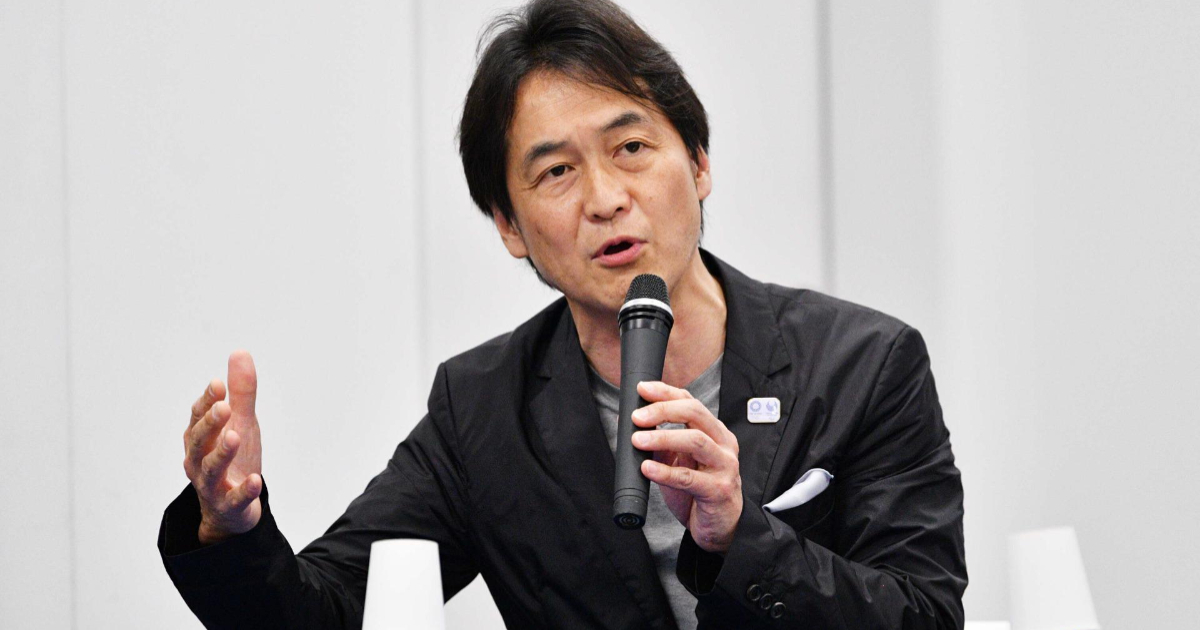
The remarks were actually made back in April during a panel at Niconico Chokaigi, but they flew under the radar until recently when users compiled and shared them online, sparking a wider debate and even catching the attention of overseas media.
Natsuno argued that focusing solely on the issue of animator salaries misses a more fundamental, structural problem. While acknowledging his take might be controversial, he asserted that one of the biggest issues is the sheer number of small-scale companies in the industry.
He pointed out that these small studios are packed with administrative roles like presidents, managers, and sales staff, while the proportion of actual creators remains low. Natsuno suggested that the industry needs more large conglomerates to consolidate these smaller outfits. He later clarified, "It’s not that the people will disappear, but that so many of those positions themselves may no longer be necessary."
He believes that as more players enter the anime market, competition has become overly fragmented, ultimately hurting the industry's ability to turn a profit.
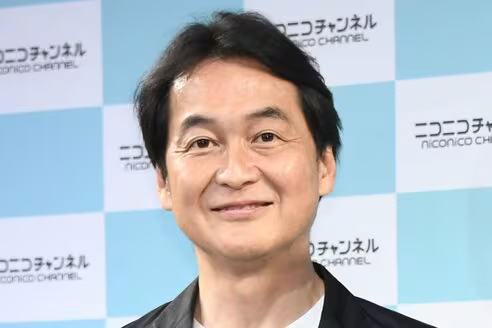
Citing the Japanese game industry as a model, Natsuno pointed to several mergers as success stories:
Square and Enix merging to form Square Enix
Koei and Tecmo becoming Koei Tecmo
Sega and Sammy forming Sega Sammy
He argued that if companies could consolidate their back-office departments like administration, HR, and accounting, creators could devote more time and resources to their actual work. He also held up major US publisher EA as an example of a successful large-scale corporate model worth emulating.
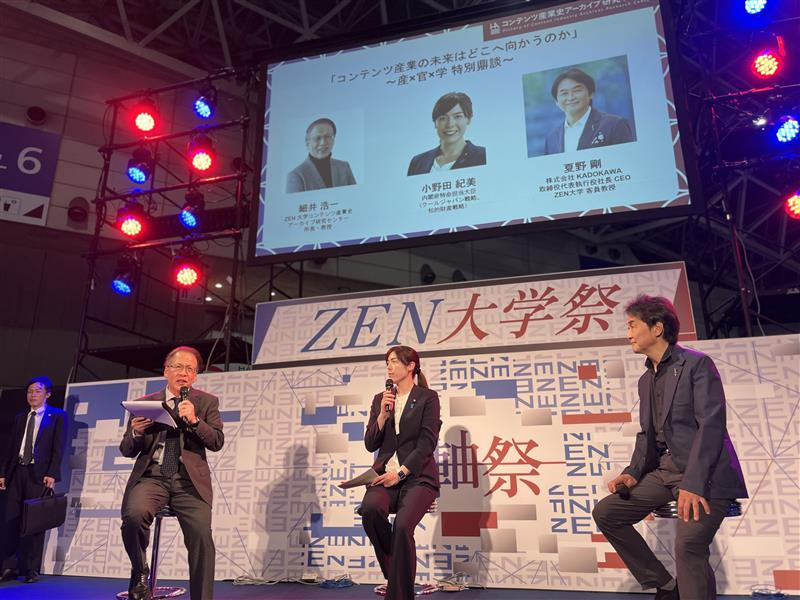
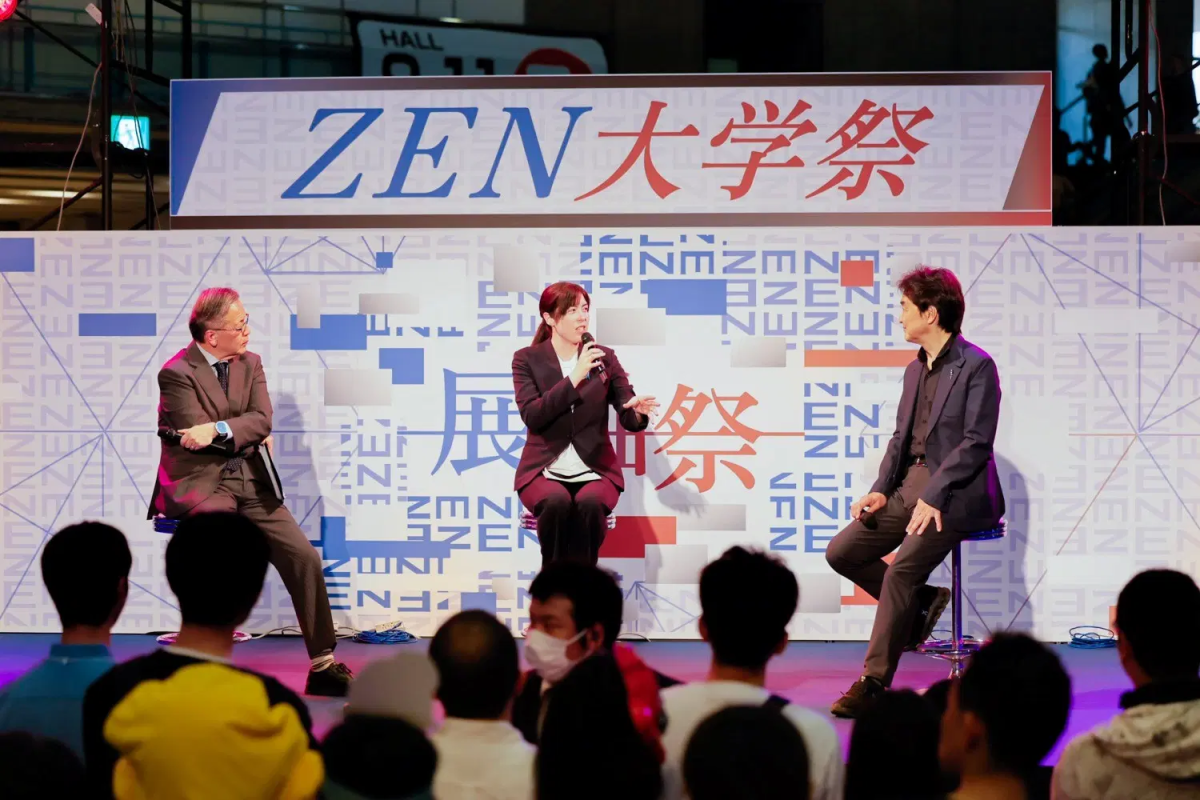
However, Natsuno’s view was immediately challenged by fellow panelist Kimi Onoda, Japan's Minister of State for Economic Security. Drawing from her own experience working at a very small game company, Onoda countered that these environments often give young creators the freedom to pursue experimental and avant-garde ideas. She asserted, "The greatest strength of Japan's content industry is its diversity."
It's worth noting that Natsuno's claim that "anime is becoming less profitable" doesn't quite square with the financial performance of the entire industry. In fact, several major anime-related corporations have posted impressive results recently.
Toei Animation
FY2024 → FY2025 net profit growth: 25.7%
FY2025 → FY2026 projected growth: 6.1%
Bandai Namco's Visual and Music business (formerly IP Production) has also seen sustained growth over the last two years.
The real kicker? The latest FY2026 forecast from Natsuno's own company, KADOKAWA, noted a "significant decline in both revenue and profit for its animation business."
This context led netizens to slam Natsuno's comments as a classic example of Japanese corporate thinking: "There are too many freelancers and small businesses, so we should shut them down and make them slaves to big companies."

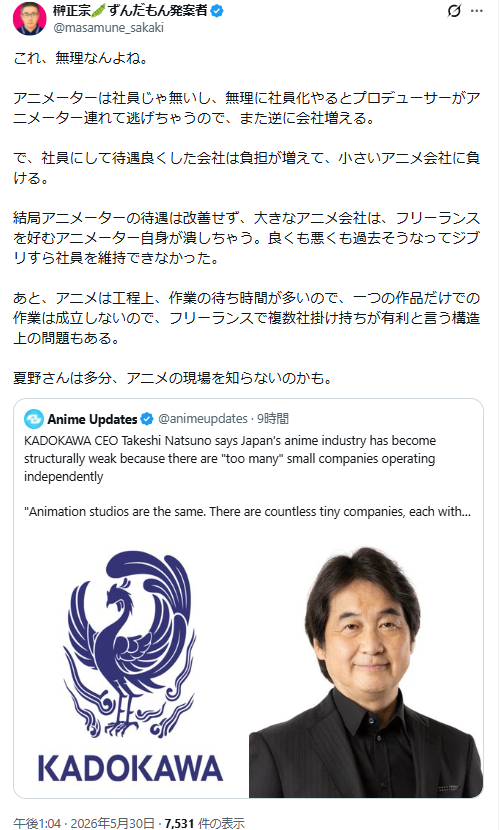
Others pointed out that Natsuno likely doesn't understand the on-the-ground reality of anime production. Many animators are freelancers, not full-time employees. A push for universal full-time employment would likely result in producers simply leaving with their teams to start new studios, ironically increasing the number of small companies.
Furthermore, companies that do convert animators to full-time staff and improve their working conditions see their operating costs skyrocket, making them less competitive against smaller studios that rely on freelancers.
The end result of Natsuno's proposed model, critics argue, would be:
Animator pay still doesn't truly improve.
Large anime studios lose their competitive edge due to high personnel costs.
They could even be dragged down by the very animators who prefer the flexibility of freelance work.
There's also a deeper structural issue at play. The anime production pipeline is a segmented process, often involving downtime while waiting for other stages to be completed. A single project can rarely provide continuous work for an animator. For this reason, working as a freelancer and juggling projects from multiple companies is not only more advantageous for animators but also a more realistic reflection of the industry's workflow.
As the CEO of KADOKAWA, Natsuno's remarks came across as a transparent desire for a corporate giant to swallow up smaller competitors. But given KADOKAWA's own reported downturn in its animation division, perhaps his focus would be better spent addressing his own company's issues.
Note: Financial figures and earnings forecasts should be confirmed through the company’s official announcements.