

Japan's "M.A Clean," a company specializing in cleaning up hoarder homes, tackling extreme messes, and handling post-mortem estate clear-outs, recently dropped a bombshell on X, sharing a "lonely death" case that quickly went viral.
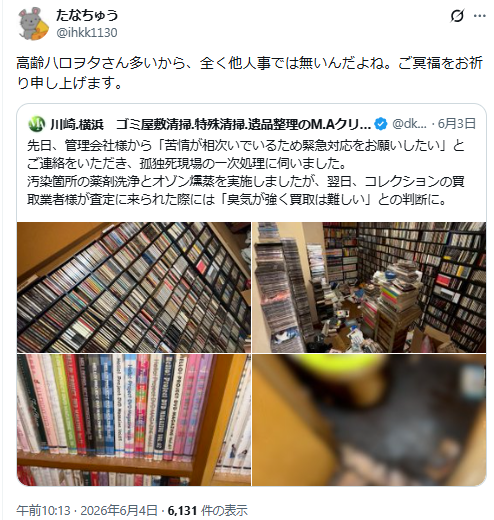
The company reported an urgent request for an initial cleanup at a lonely death scene. Despite chemical cleaning and deodorization efforts, collection buyers who came to appraise the items delivered a harsh verdict: "The stench is too overwhelming; we can't purchase these." Photos released by M.A Clean show the room piled high with Hello! Project and Western music CDs, DVDs, and various collectibles. The company mused, "These were likely treasures the deceased collected bit by bit throughout their life," igniting a massive online debate.
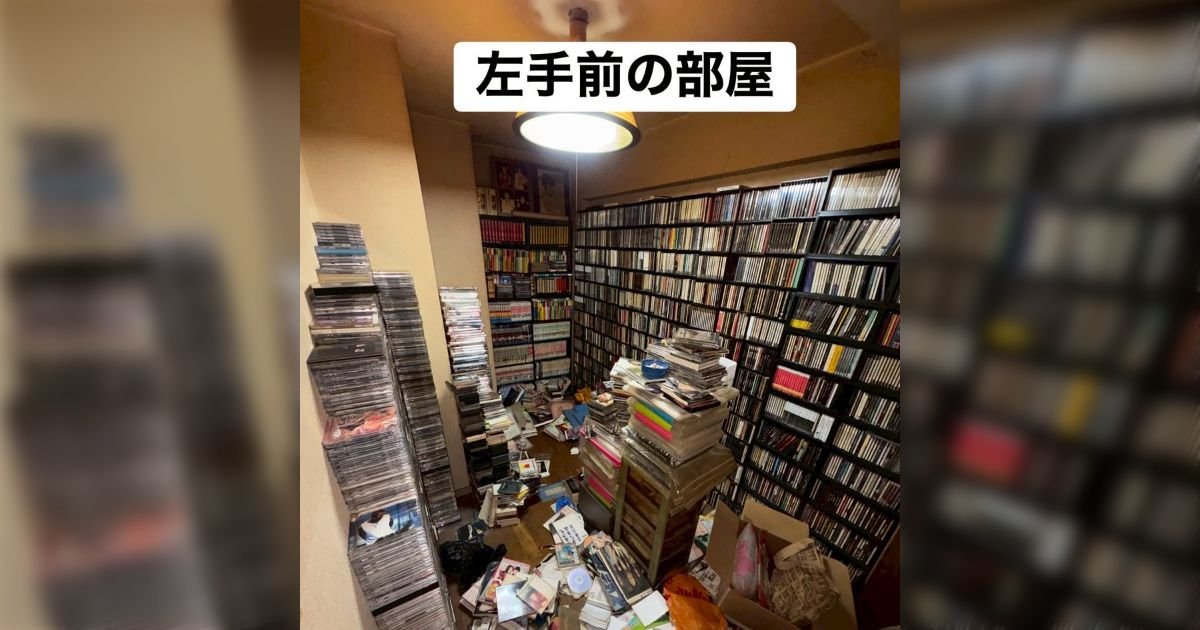
M.A Clean pointed out that in cases of lonely death, personal effects often lose all market value due to odor contamination, drastically increasing the cost of estate cleanup. The room, overflowing with collectibles, clearly showed the owner's lifelong passion, but the sheer volume was so vast it seemed impossible to fully enjoy in a single lifetime.
The company reflected on the profound nature of their work: "What do people ultimately leave behind, and what can they truly take with them? It's a job that constantly forces you to confront the big questions about life and legacy."

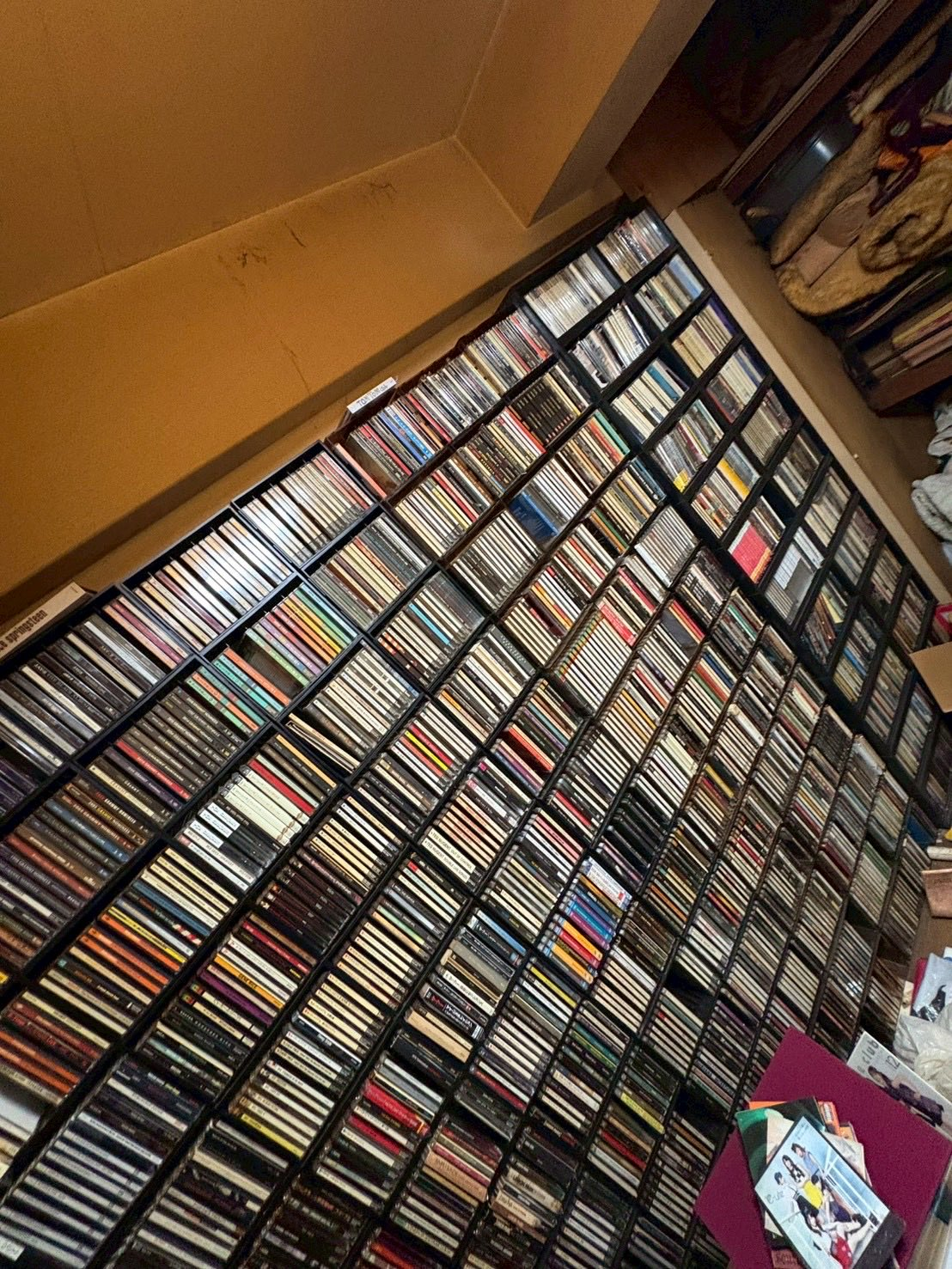
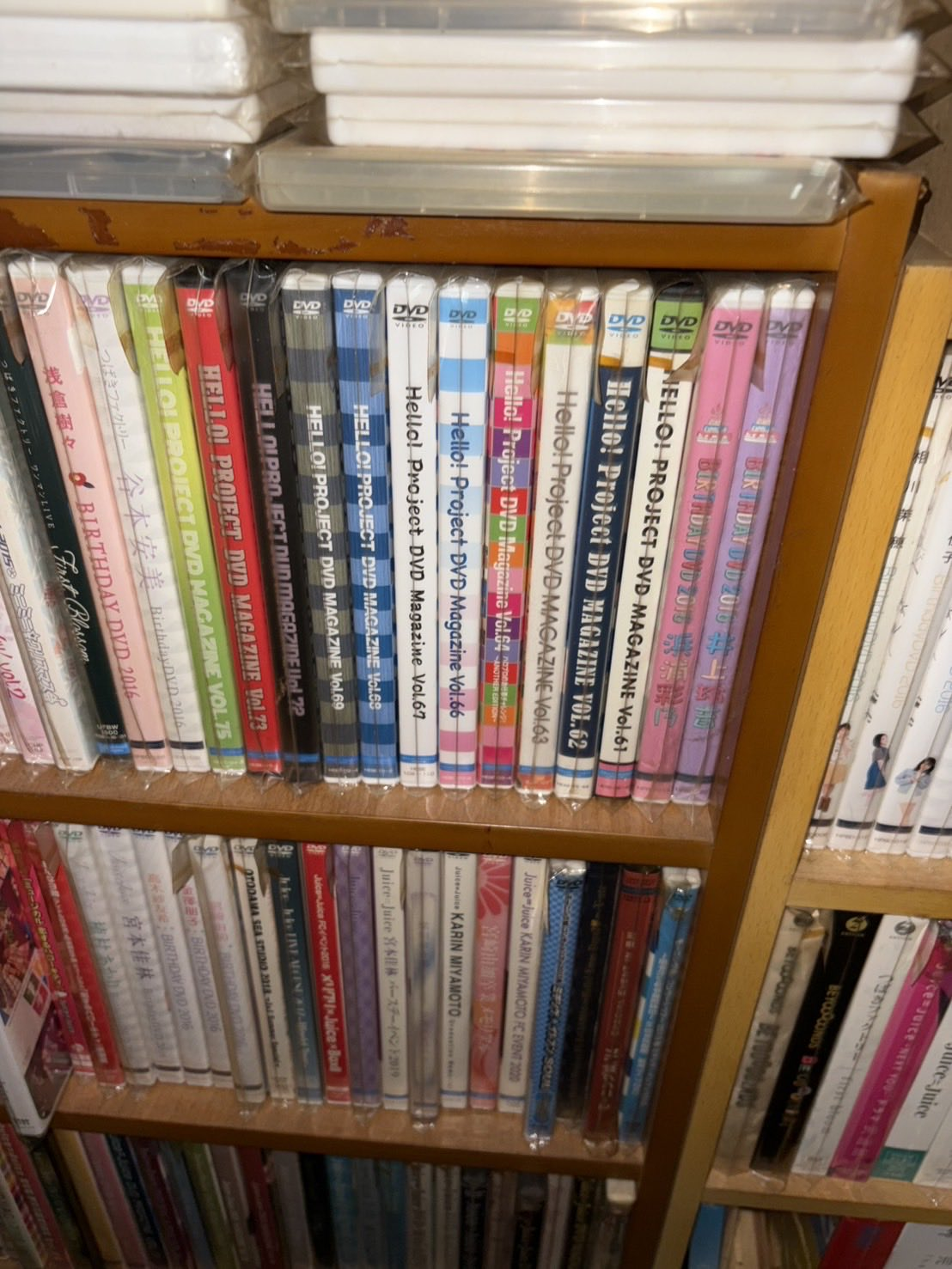
After the photos hit the internet, netizens immediately began identifying the deceased's interests from the packed bookshelves, spotting Hello! Project DVDs and merchandise. It was clear the individual was a dedicated, long-time idol fan.
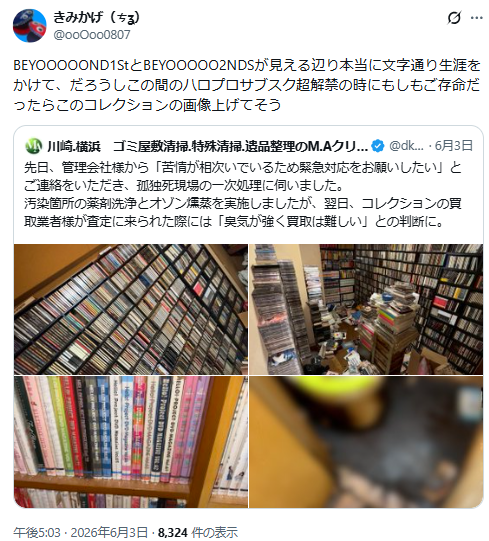
One netizen commented: "I can spot 'BEYOOOOOND1St' and 'BEYOOOOO2NDS'—it really looks like they poured their entire life into this collection." Another lamented: "There are quite a few older fans in Hello! Project, so this isn't just someone else's problem. When you get older, you really need to take care of yourself."
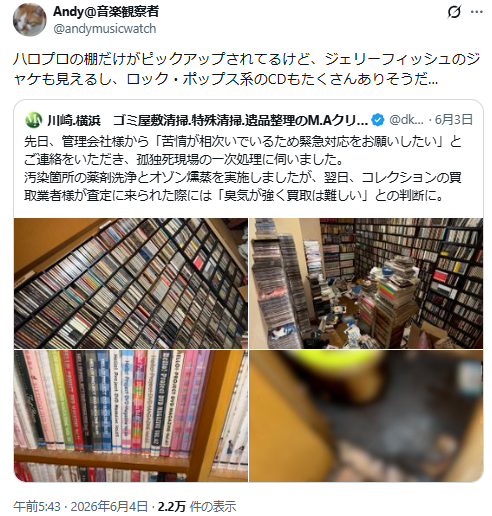
Beyond the idol memorabilia, many music aficionados also zoomed in on the CD racks, recognizing works by legendary Western artists and bands like Bruce Springsteen, Jellyfish, The Who, and Tom Tom Club.
One user noted: "Everyone's focused on Hello! Project, but you can tell this person was also a serious Western music buff." Another chimed in: "Liking Jellyfish and being a Hello! Project fan? There's a strange sense of kinship there."
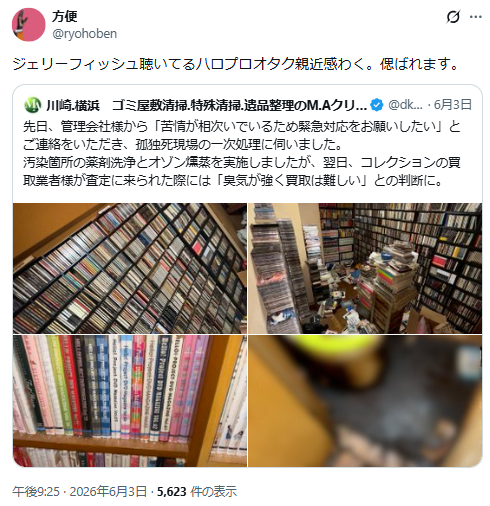
What truly resonated with people wasn't just the collection itself, but the unsettling glimpse into their own potential future. Many single, middle-aged, and older netizens chimed in, echoing a collective "This could totally be me!" and "I'm single and in my fifties, this really hits home."
Collectors, especially, felt a pang of recognition, lamenting, "No matter how precious your loot, you can't take it with you when you go." This led many to ponder if it wouldn't be better to sell or pass on their cherished items to someone who truly appreciated them, rather than letting them gather dust in a cabinet.
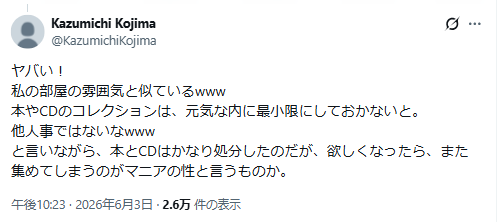
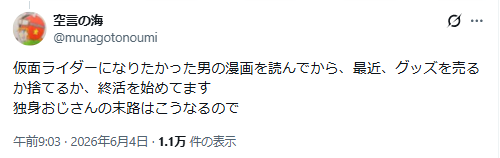
This lonely death case, initially just a routine work record for a special cleaning company, unexpectedly struck a chord with countless people. Collecting itself isn't the problem, but it raises a crucial question: if one suddenly departs, what happens to these treasures—the countless hours, money, and emotion poured into them? And how do family members navigate such a situation? These are questions every collector, otaku, and passionate hobbyist will eventually face.
As many mentioned in the comments: "You can't take your collections with you, but life will eventually end." Ultimately, finding that delicate balance between chasing our passions and confronting our mortality is perhaps the most profound takeaway from this poignant story.
via: X@dk_ihdt