

Even years after its conclusion, the classic Go manga "Hikaru no Go"—penned by Yumi Hotta and illustrated by Takeshi Obata—continues to captivate fans, spawning new merchandise and events that keep its legacy alive and well.
Currently, a "Hikaru no Go" original art exhibition is touring Japan, with its latest stop in Aichi Prefecture. And it was there that one eagle-eyed fan stumbled upon a detail so poignant, it's got the entire fandom in their feelings.
Japanese X user "海東ティール(@tealTRPG)" shared their discovery: while watching a video display of Hikaru Shindo's bedroom at the exhibition, they noticed something peculiar. One specific section of the carpet was conspicuously pristine. What made it so moving? That perfectly clean spot was precisely where Fujiwara no Sai, the brilliant Go master from the Heian era, would always sit.
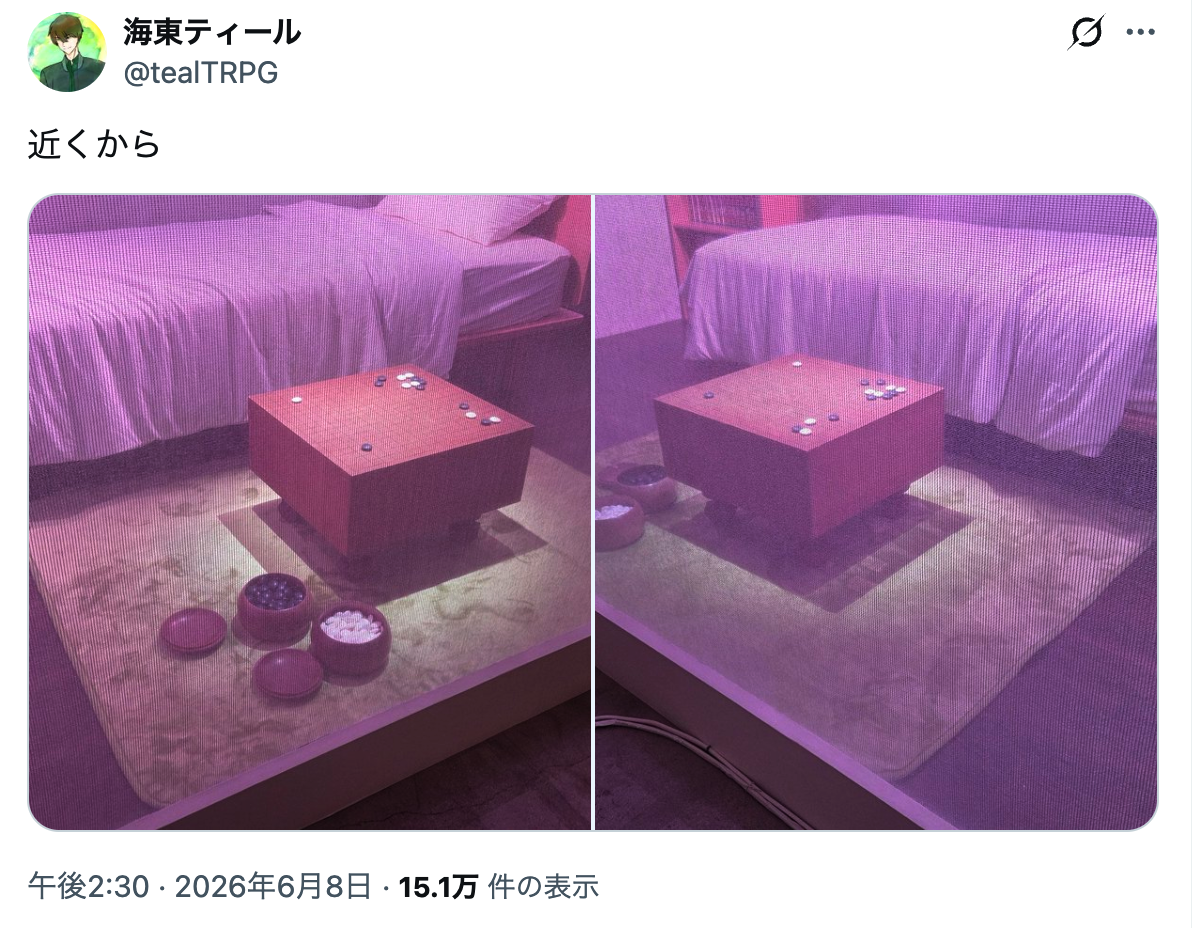
This subtle carpet detail quickly sparked a wave of discussion among other Japanese netizens. Many pointed out that in the manga, during Hikaru's pro exam matches, even the cushion he sat on would show wrinkles. Yet, Sai's side remained impeccably smooth, utterly devoid of any creases. This almost obsessive level of meticulousness in the artwork deeply resonated with fans, reminding them once again of the series' incredible attention to detail.
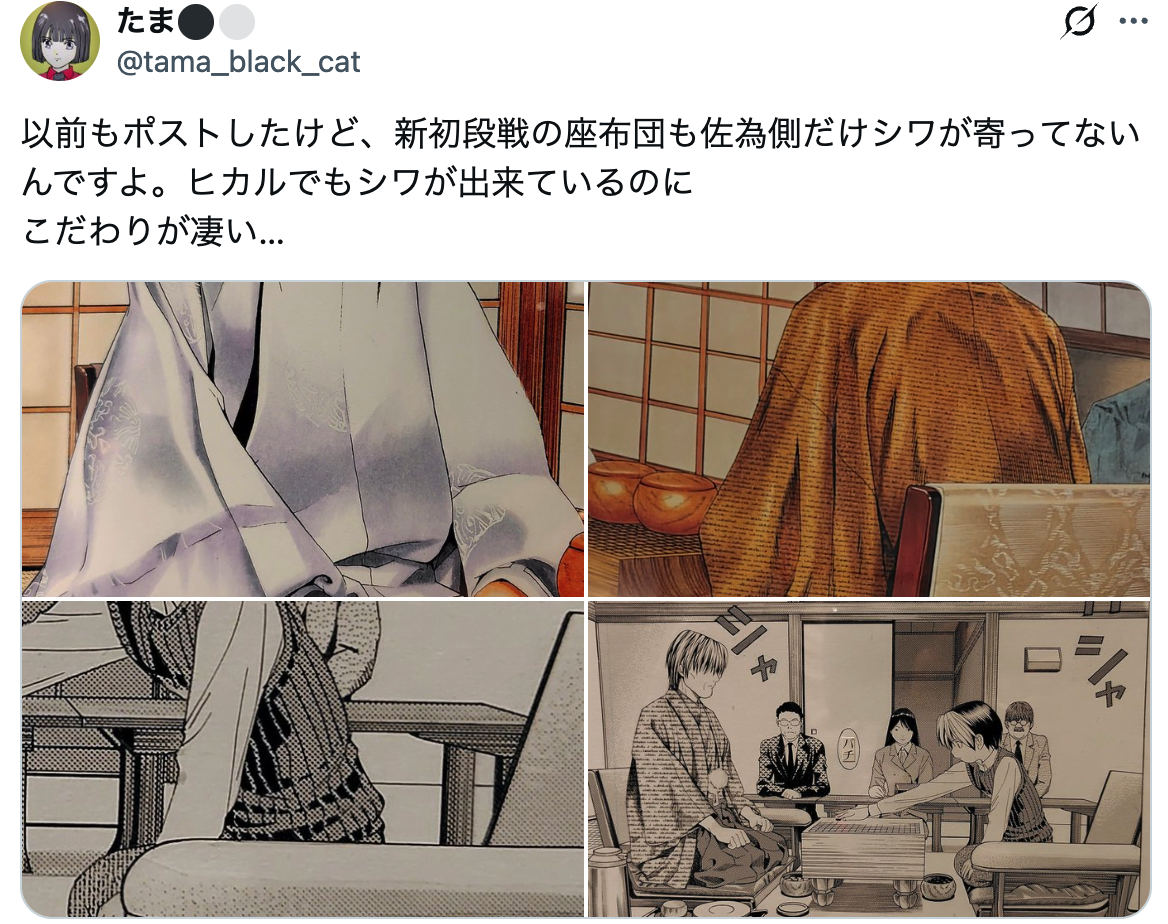

The discovery left many netizens in awe. "The way they handled the wrinkles on the cushion is truly astonishing!" one user exclaimed. "Only Sai's cushion had no wrinkles... Obata-sensei's dedication is so intense, it's beyond impressive. It's because he's a ghost that this god-tier portrayal is possible. It makes you want to re-read it again and again!"


Another fan commented that seeing such a detail made Sai feel like "a truly existing presence." They praised how the story was told through background visuals rather than dialogue, calling it a brilliant narrative technique. They added that no matter how many times you revisit the work, you can always find new discoveries, cementing its status as a truly remarkable masterpiece.
Ghosts don't have weight, so they wouldn't leave wrinkles on objects. Takeshi Obata's precision in depicting these minute details is genuinely commendable. These subtle touches might not be immediately apparent, but years later, revisiting the work offers a fresh wave of emotion and appreciation!