

How dark is too dark for a manga's opening chapter? A recent discussion on Japanese X (formerly Twitter) is digging into this very question, with the hit figure skating series Medalist taking center stage.
The debate kicked off when a user pointed out that even the series' creator, Tsurumaikada, admitted they might have "gone a bit too far" with the bleak circumstances of protagonist Inori Yuitsuka in the first chapter. This sparked a massive conversation among readers about the fine line between a powerful hook and an uncomfortable experience that turns people away.
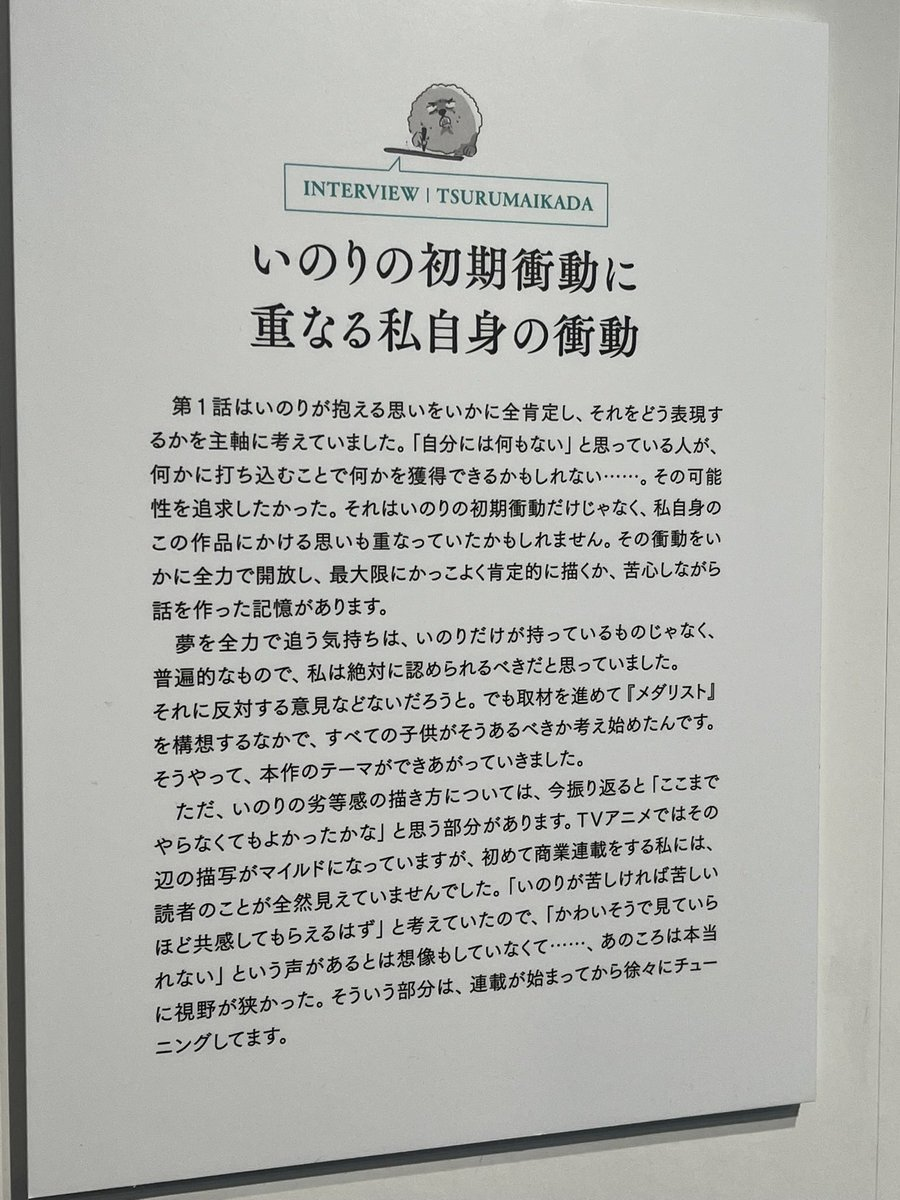
The user who started the thread, "Spira," put it this way:
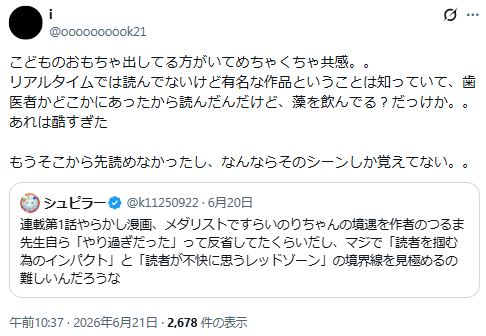
Even with a masterpiece like *Medalist*, the author themselves reflected that they made Inori's situation too harsh. It just goes to show how difficult it is to balance "shock value that grabs the reader" with "crossing a line that makes them uncomfortable."
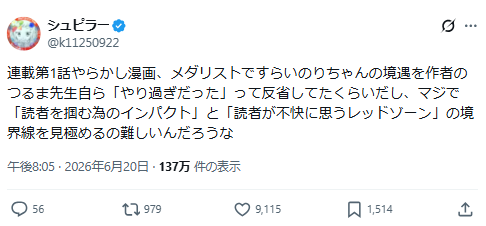
Tsurumaikada's comments came from an interview where they reflected on the creative process:
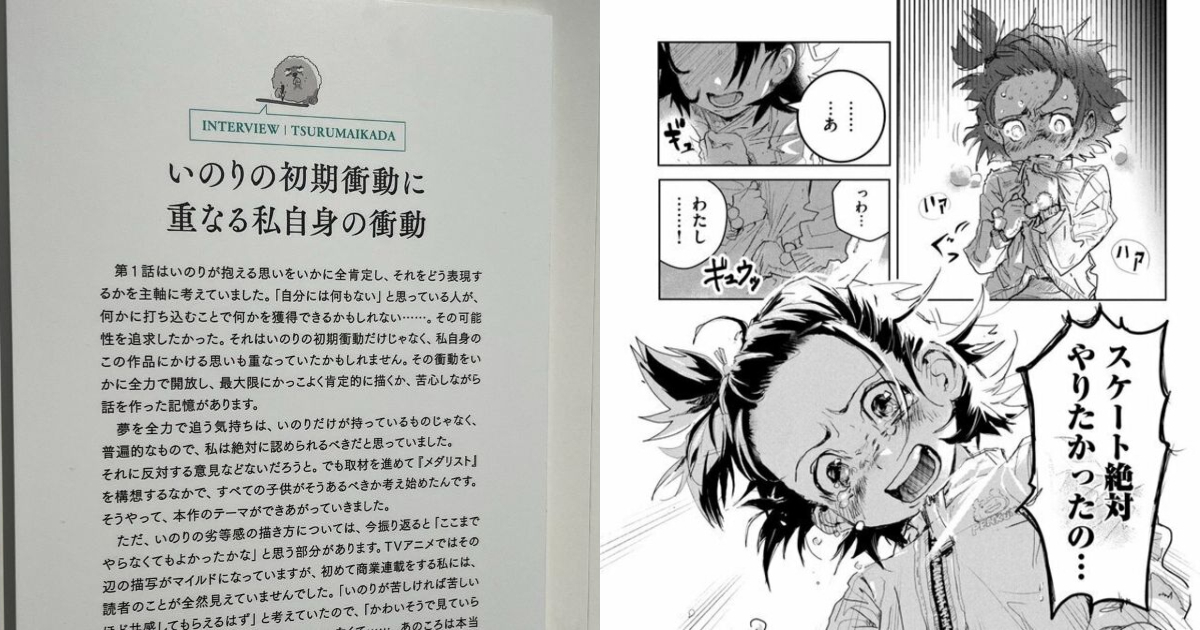
When I was creating the first chapter, my top priority was to fully validate Inori's feelings and figure out how to express them. I wanted to portray someone who believes they have nothing and the possibility that they could gain something by pouring their heart into one thing. That wasn't just Inori's initial drive; it probably overlapped with my own feelings about this work.
I remember agonizing over it, trying to unleash that impulse and draw it in the coolest, most positive way possible. The feeling of chasing a dream with all your might isn't unique to Inori; it's a universal emotion that anyone can have. I thought it was a given that this idea should be affirmed and that no one would object to it.
However, as I did research and developed the story for *Medalist*, I started to wonder, "Can every child really do this?" That's how the theme of the work took shape. But looking back now, regarding the depiction of Inori's intense inferiority complex, I do think, "Maybe it would have been better not to go that far."
The TV anime adaptation has already toned down that part, but back then, as a first-time commercially serialized author, I wasn't thinking from the reader's perspective at all. I believed, "The more Inori suffers, the more readers will empathize." I never imagined some people would think, "This is too pitiful, I can't bear to watch." Thinking about it now, my perspective was incredibly narrow. These are the kinds of things I've learned and adjusted since the serialization began.
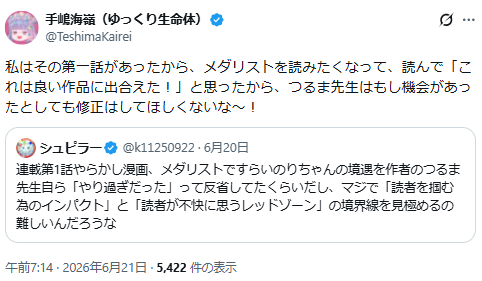
However, many readers argue that the shocking first chapter was precisely what hooked them. They believe the oppression and negativity Inori faced were essential foundations for her subsequent growth.
One fan commented, "I started reading *Medalist* because of that first chapter and ended up discovering an amazing series. If it were ever remade, I'd hope the author wouldn't change a thing." Another added, "Honestly, that's what hit me right in the heart. It's really hard to say if that kind of depiction is good or bad."
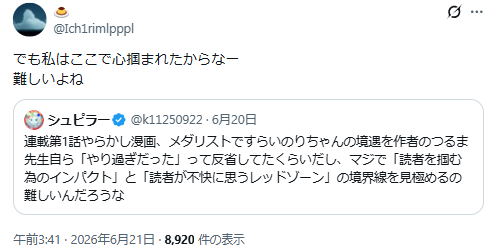
Another user analyzed it from a structural standpoint: "Looking back, the beginning does feel a bit jarring, but it lays the groundwork for Inori's incredible growth spurt, her obsessive passion for skating, and her dual nature as both a genius and an oddball. Without that setup, a lot of later developments wouldn't connect."
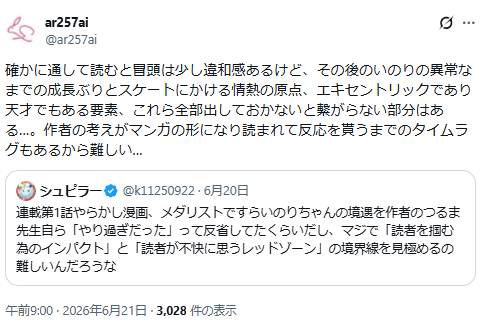
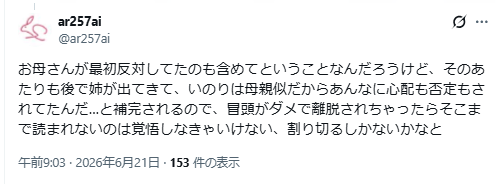
They elaborated, "Inori only starts figure skating seriously in the fifth grade but manages to compete at an international level. Even for a fictional story, that would be hard for readers to believe without first establishing how exceptional she is." Furthermore, the story later reveals the mother's reasons for opposing Inori's skating, providing context for what initially seemed like excessive harshness.
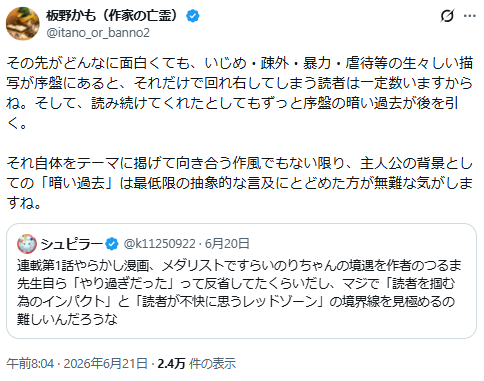
On the other hand, some argued that the issue isn't about plot justification but the reading experience itself. "No matter how great the story gets later, if the early parts feature overly realistic depictions of bullying, exclusion, violence, or abuse, a certain portion of readers will just drop it," one user stated.
They continued, "Unless those issues are the central theme of the work, a protagonist's tragic past is better handled with a light touch. Getting too specific can easily backfire."
The discussion soon expanded to other famous series, with some pointing to Katsuki Bakugo from My Hero Academia as a prime example. Bakugo's early actions and words are still a hot topic of debate today.
While one user admitted to disliking the character, they acknowledged, "Compared to other characters, it's clear the author had a blast writing him. From a dramatic standpoint, he's a total success."
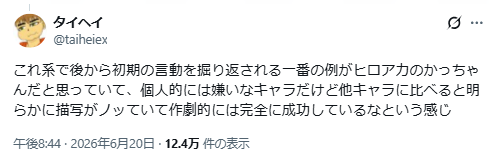
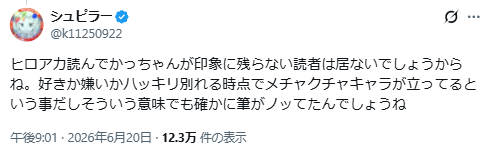
The original poster agreed: "Anyone who's read *MHA* has a strong impression of Bakugo. The very fact that he splits the fanbase into 'love him' and 'hate him' camps proves he's a successfully written character."
Beyond shonen manga, the classic shojo series Kodocha: Sana's Stage was also brought up. "I first saw it at a dentist's office," a fan recalled. "All I remember is the bullying and a scene where someone gets pushed into a mossy pond. I couldn't get into it after that, and now that's the only image I have of the series."
From *Medalist* to *My Hero Academia* and *Kodocha*, the debate circles back to the same core question: "How much impact should a manga's first chapter have?" If it's too tame, it might fail to hook readers. But if it's too intense or tragic, it risks alienating a portion of the audience from the get-go.
Of course, given that all the series mentioned became major successes, perhaps the ultimate judge is the reader and what they're willing to embrace.
via: X@k11250922