

With the World Cup in full swing and dominating global conversations, a controversial scene from the very first chapter of the hit soccer manga BLUE LOCK has resurfaced on X in Japan, reigniting a fiery debate among fans.
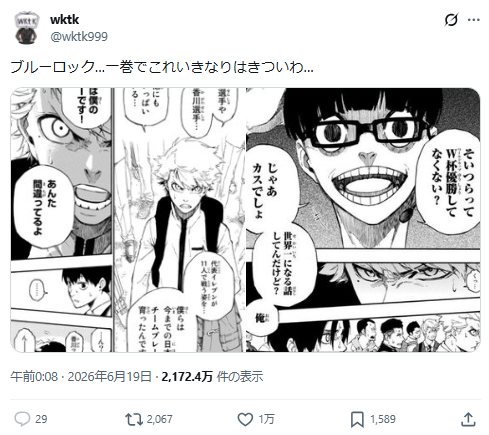
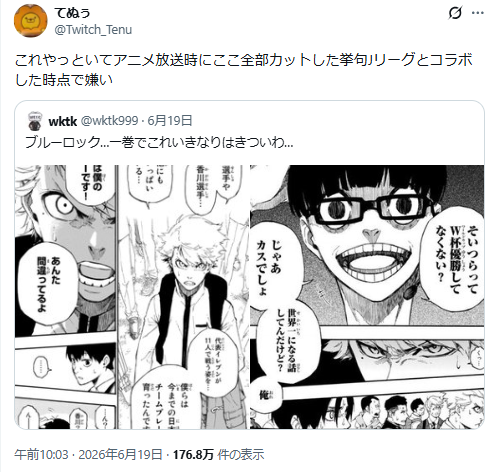
Early in the story, as the protagonists join the "Blue Lock Project," the enigmatic coach Jinpachi Ego directly calls out real-life Japanese soccer legends like Keisuke Honda and Shinji Kagawa. He then drops a bombshell line to drive home his philosophy: "Never won a World Cup? Then you're just worthless." This scene caused a stir when the manga first debuted and is now back in the spotlight thanks to the ongoing tournament.
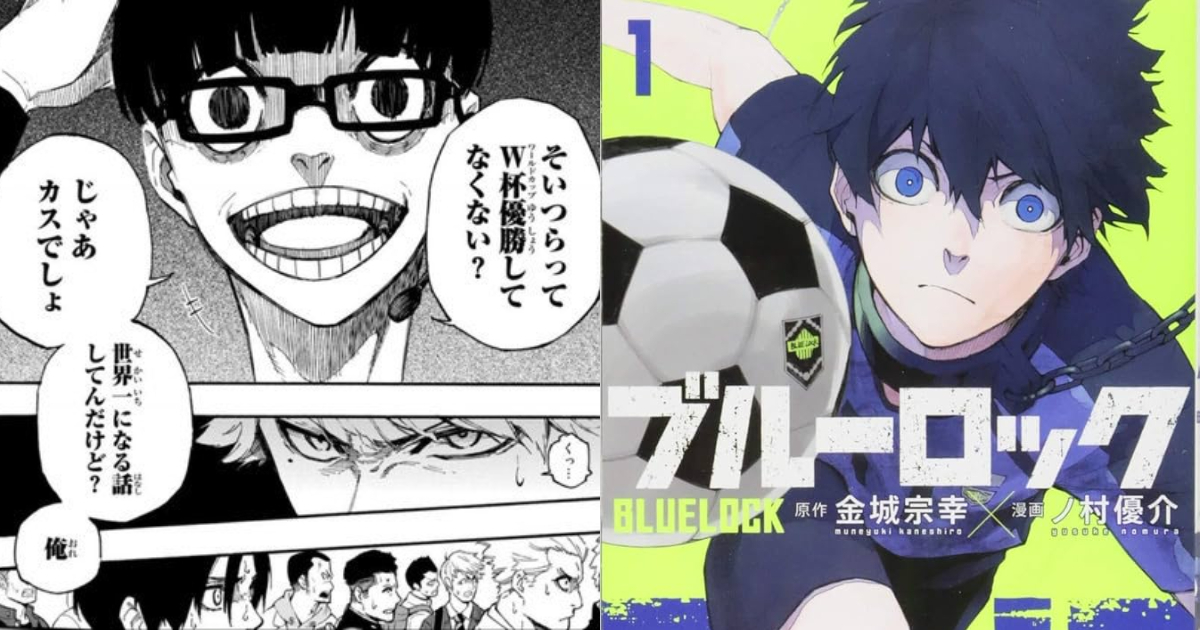
▼ Blue Lock has been trending on X in Japan recently due to the renewed discussion.
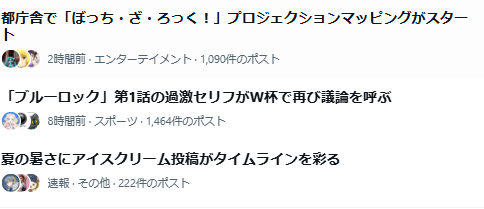
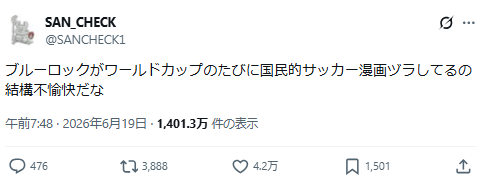
The debate has been fueled by the Japan Football Association (JFA) actively promoting Blue Lock during the World Cup, positioning it as a flagship soccer manga for the nation. However, some critics argue the series is unworthy of the title, citing its tendency to belittle real-life players, which they find "disgusting."
At the heart of the controversy is the scene where Jinpachi Ego criticizes national players Keisuke Honda and Shinji Kagawa (while only their surnames are used, Japanese fans immediately knew who he meant). His declaration, "If you haven't won a World Cup, then you're worthless, right?" has been screenshotted and shared widely, sparking a massive argument.
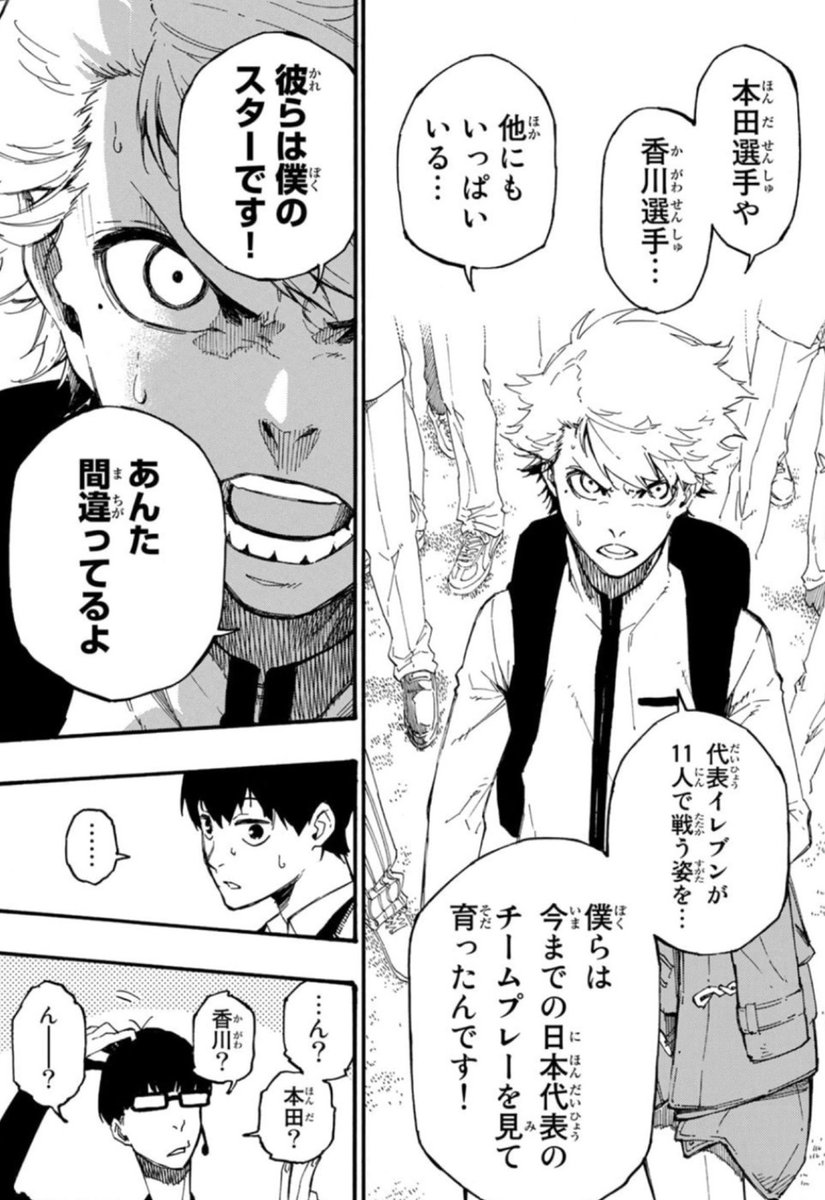
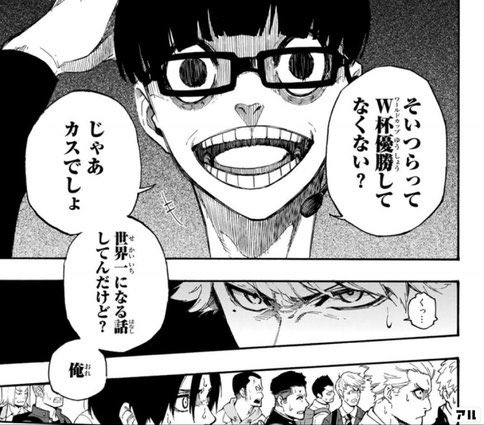
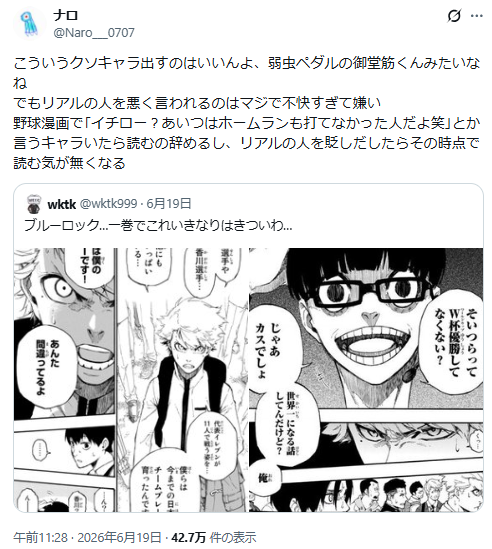
Many soccer fans argue that while creating an arrogant fictional character is fine, it shouldn't be done by tearing down real people. One user commented, "I can handle a character with a nasty personality like Midousuji from Yowamushi Pedal, but I can't stand it when they use real people as a punching bag. If a baseball manga had a character say, 'Ichiro Suzuki? Oh, that guy who can't even hit home runs,' I'd probably drop the series instantly."
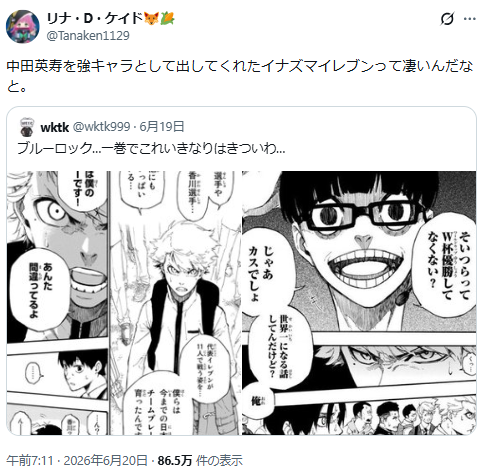
Another pointed out a contrasting example: "At least Inazuma Eleven portrayed Hidetoshi Nakata, a Japanese star who played in Europe, as an incredibly powerful character. Looking back, that was a much better approach."
Many also pointed out that Ego's logic doesn't even hold up. When Blue Lock began serialization, neither Lionel Messi nor Cristiano Ronaldo had won a World Cup. 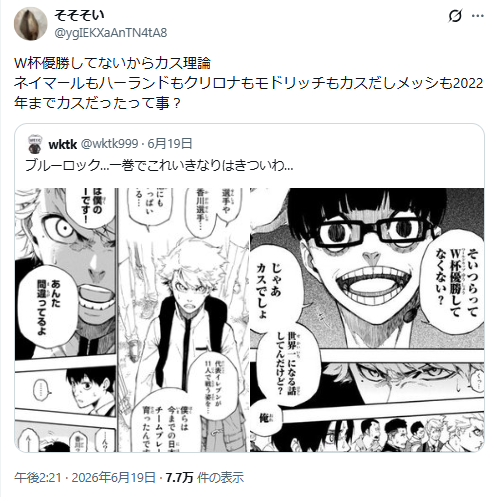
One person joked, "By this logic, Neymar, Haaland, Modrić, and Ronaldo are all worthless." Another added, "At the time of serialization, Messi hadn't won the World Cup either, so in Ego's eyes, he must have been worthless too, right?"
These readers believe the author could have easily used fictional examples to make the point about the character's extreme ideology without needing to name-drop real athletes.
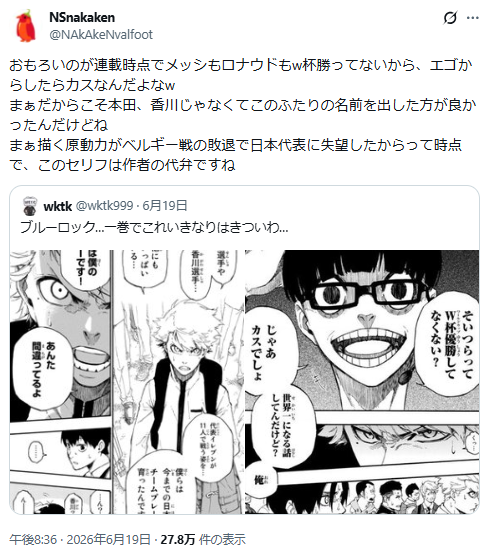
Notably, this controversial segment was heavily altered for the anime adaptation. The real players' names were obscured, and the inflammatory line was completely removed, likely because the series began collaborating with the J.League after the anime aired.
This led to a new wave of criticism. "They talk big in the manga but cut it all for the anime. That just proves they knew it would cause a firestorm," one comment read. Another said, "If you're going to be edgy, at least commit to it. Don't insult people and then turn around and partner with them."
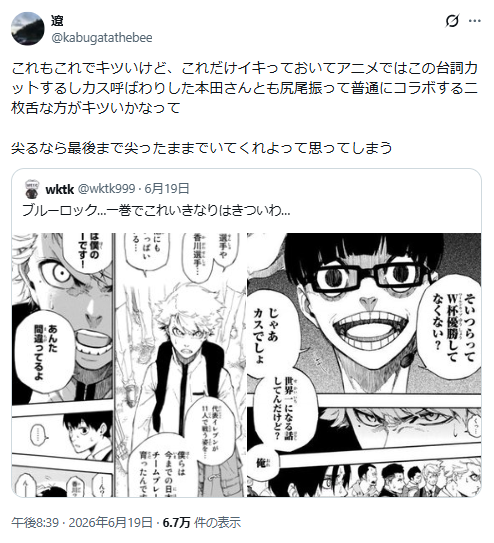
Beyond the Honda and Kagawa incident, some fans have pointed to later parts of the story. One reader suggested that a character depicted as an incompetent coach manipulated by higher-ups is a clear jab at Japan's national team manager, Hajime Moriyasu.
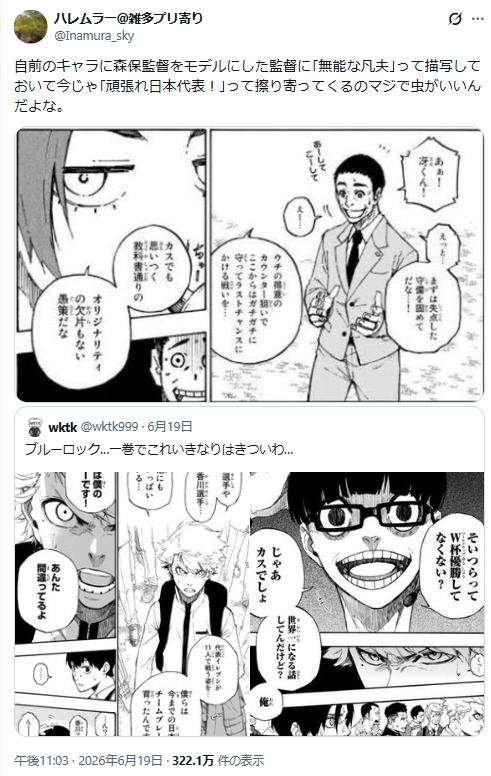
However, many Blue Lock supporters have come to the series' defense. They argue that most critics have only seen the viral screenshot without understanding the full context. Supporters point out:
The story's goal is to cultivate the world's number one striker, and its core philosophy is extreme individualism. Jinpachi Ego is intentionally designed as a radical character meant to shatter conventional thinking.
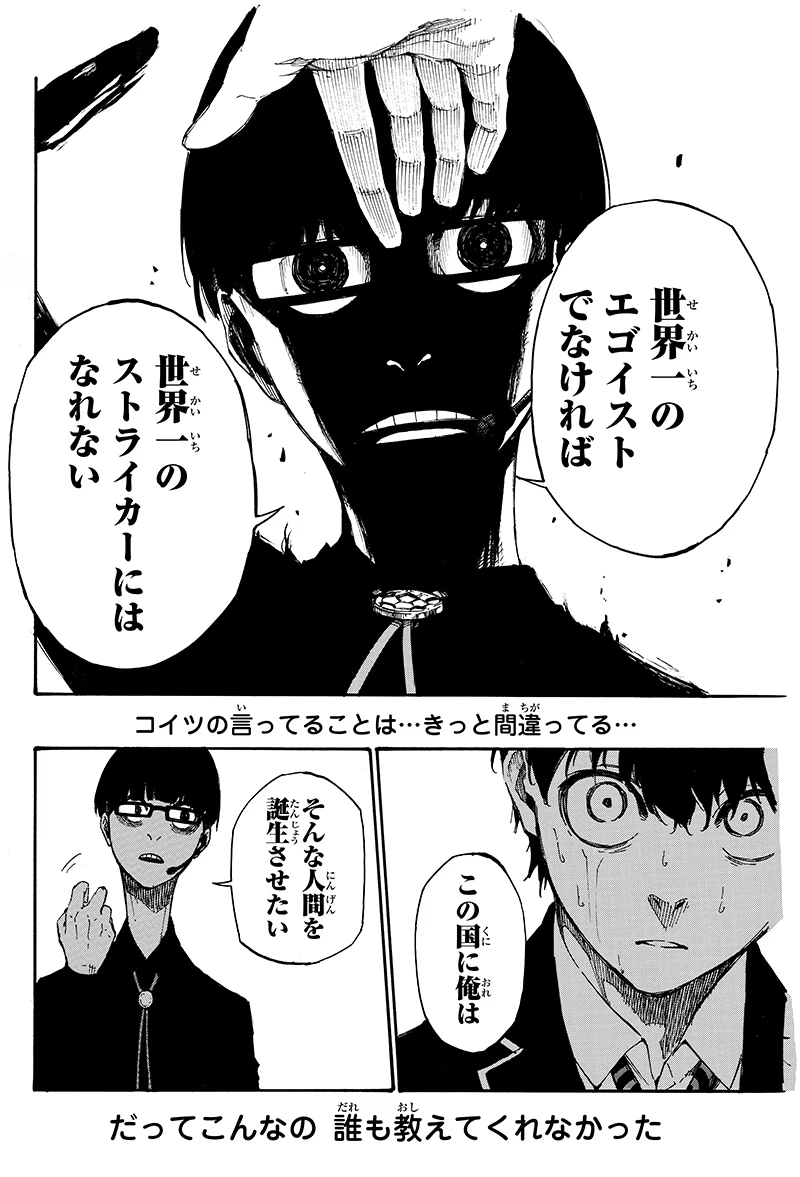
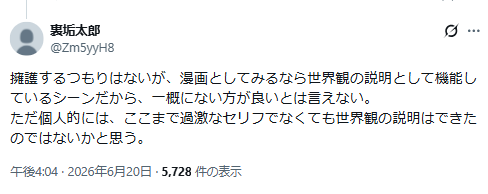
One reader explained, "That scene is crucial for establishing the series' worldview. You don't have to like it, but you can't say it serves no purpose." Even so, some fans admit the line was probably too harsh. "Honestly, even as a fan, I think the story might have been better without that part," one confessed.
Today, Blue Lock stands as one of Japan's most iconic soccer manga, frequently collaborating with the national team and the J.League. But as the World Cup shines a global spotlight on the sport, the series' provocative origins are being re-examined.
While the World Cup frenzy is what brought this old argument back to the surface, the fact that it caused outrage back then and is sparking debate again now shows that this controversy won't be settling down anytime soon.
via: X@wktk999