

Back in May, Fantia, the creator support platform run by the Toranoana Group, dropped a bombshell: new guidelines for "correction/mosaic standards" on public content. The catch? Creators had less than ten days to update their existing works to meet the new rules, sparking outrage and a mass exodus on social media.
Fast forward to June 25, and Fantia has officially announced a major U-turn. They're retracting the controversial "content guideline revisions" specifically for 2D (anime/manga) content, promising to revert to their original review standards. However, live-action content will still be subject to the stricter new standards that are already in effect.
The whole debacle kicked off on May 19 when Fantia first unveiled the contentious content guideline overhaul. At the time, the platform stated that "relevant authorities" had issued stricter legal guidance and opinions concerning content correction methods and mosaic standards, prompting Fantia to revise its rules.
Under the new rules, mosaics had to be so thorough that the "original shape of the object was unrecognizable." This wasn't just for new uploads; it applied retroactively to *all* previously published works.
The sheer scope of the change sent shockwaves through the creator community, with many fearing they'd have to re-edit mountains of old content. The backlash was immediate and fierce. On May 30, Fantia initially announced a temporary return to the old standards for 2D works, pending further clarification.
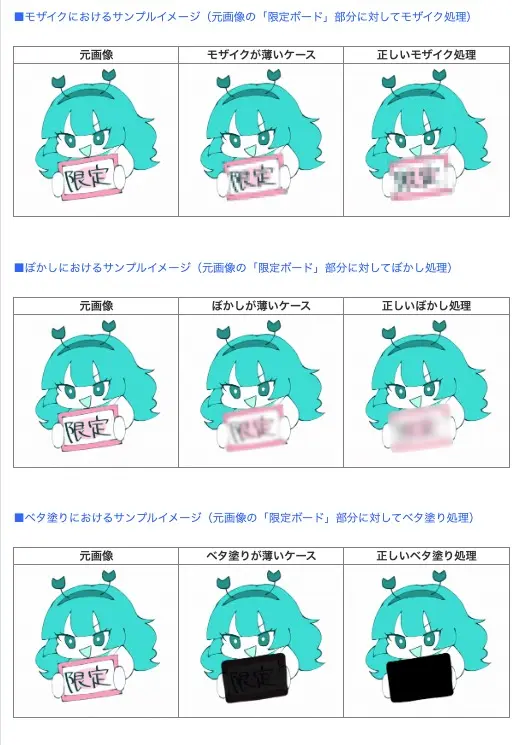
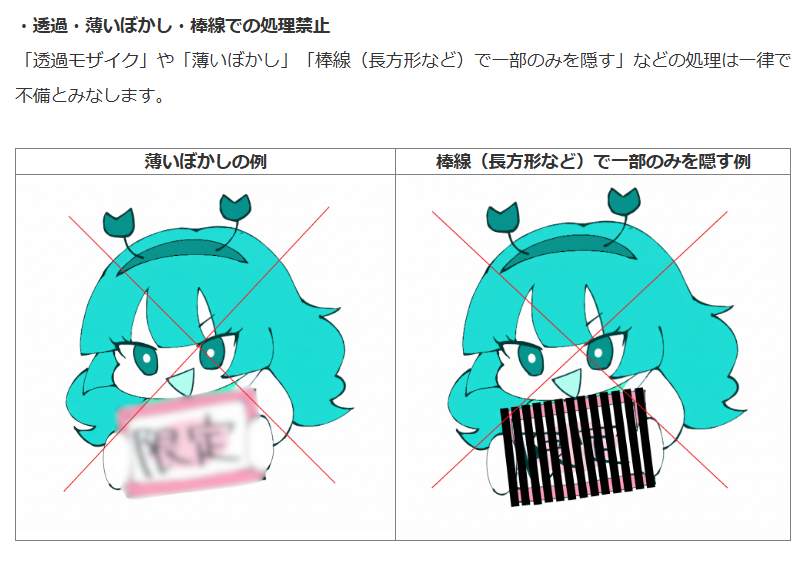
In their latest announcement, Fantia delved deeper into the whole saga. They revealed that the police had flagged certain content on the platform as potentially falling under "distribution of obscene materials" charges. This led the company to conclude that stricter, safer content guidelines were a must.
Here's the kicker, though: Fantia disclosed that *all* the content initially flagged by the police was, in fact, live-action. However, because the police's feedback didn't explicitly specify live-action works, and given that "distribution of obscene materials" could, in theory, apply to both live-action and non-live-action (2D) content, the platform felt compelled to conduct a comprehensive review across all content types. That's why they rolled out the sweeping revisions in the first place.
Fantia explained that they later went back to the police for further clarification. While their initial decision to implement countermeasures wasn't wrong, it was confirmed that the police's concerns about potentially illegal content were primarily focused on live-action material.
Consequently, the platform has decided to revoke the guideline changes for 2D works, reverting to their original review standards. They also admitted that their previous approach indeed placed a massive revision burden on creators, a concern the company takes "very seriously." So, the new policy moving forward is: 2D content goes back to the old rules, while live-action content sticks with the new, stricter ones.
Fantia concluded by stressing that the platform's content guidelines are, at their core, "self-regulatory standards" set by the company. These rules are a blend of advice from relevant authorities, legal risk assessments, and evolving social norms. Therefore, even if content meets platform guidelines, Fantia urges creators to independently assess content risks and proceed with caution and personal responsibility when creating and submitting their work.
However, ever since this whole saga erupted in May, it's been a massive talking point within Japan's doujin and adult content creator communities. Back then, a significant number of creators threatened to abandon Fantia altogether. Now, even with the restrictions withdrawn, many feel that Fantia's "trust is bankrupt," making a full return to the platform a tough sell.