

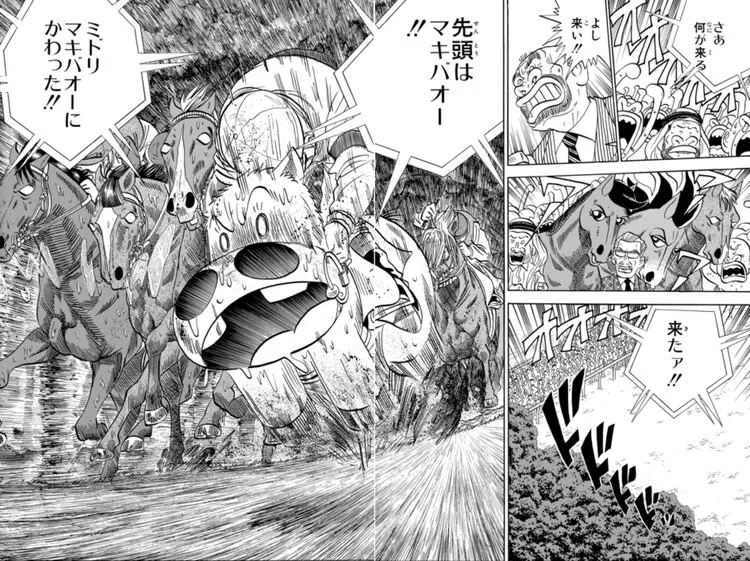
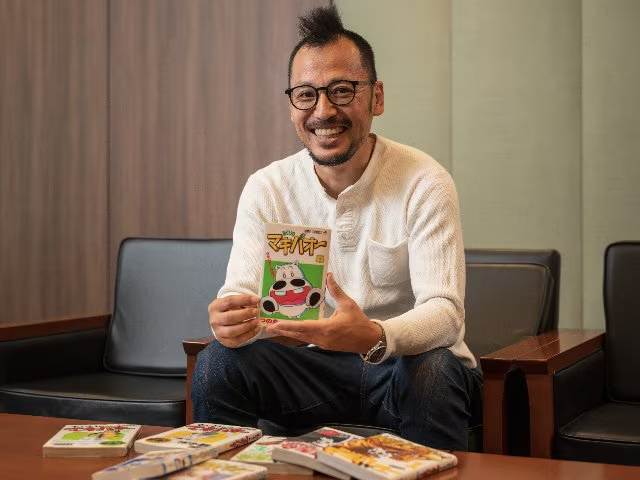
Tsunomaru's horse-racing manga Midori no Makibaō was a massive hit in the '90s during its run in Weekly Shonen Jump, later spawning an anime adaptation that remains a nostalgic favorite for many.
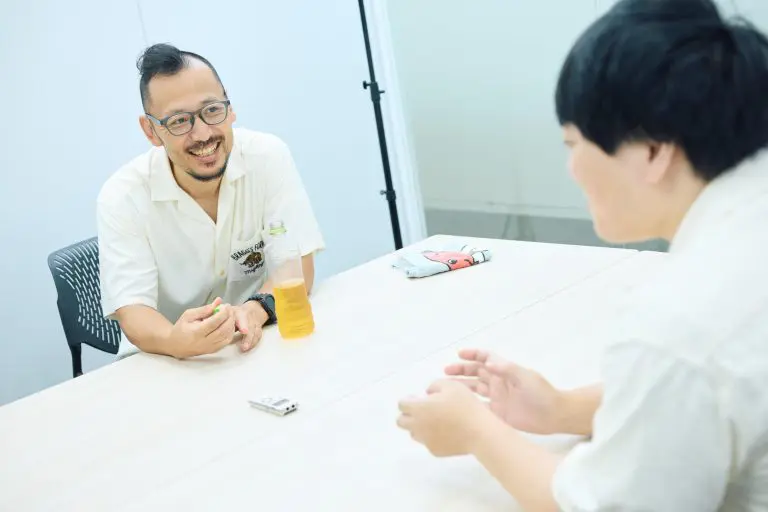
In a recent interview with Nikkan SPA!, Tsunomaru and fellow manga artist Koji Oishi sat down to reminisce about their devilish serialization schedules at Weekly Shonen Jump and reflect on their creative lives today.

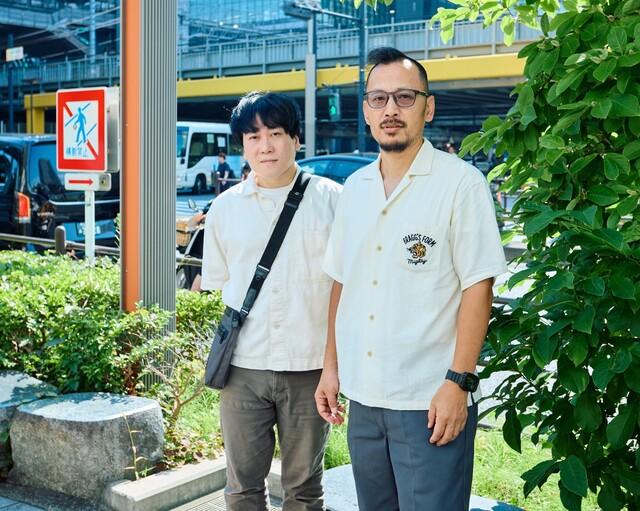
Oishi explained that the two first met about 10 years ago while serving as judges for the Tezuka and Akatsuka Awards. He laughed, recalling a recent incident where he posted a photo on X with a rookie gag manga award winner, only to be asked to delete it for various reasons. He jokingly explained the deletion by saying, "I had to take it down because I didn't get permission from Tsunomaru-sensei first."
This unexpectedly turned the spotlight on Tsunomaru, who was also in the photo. Fans were shocked, flooding the comments with remarks like, "Wait, Tsunomaru-sensei is such a handsome dude!" Hearing this, Tsunomaru couldn't help but laugh. "Yeah, it seems like every five years or so, people rediscover that I'm actually good-looking (laughs)."
When the conversation turned to their time on a weekly Shonen Jump schedule, both artists agreed that they were so busy they barely had a life. "Honestly, I was so swamped that I don't even remember most of it," Tsunomaru recalled. "There were days I walked less than 100 steps. My brain had room for nothing but manga."
Oishi added, "After turning in my manuscript, I'd often just collapse under my desk or in the entryway and sleep until the next afternoon." The biggest source of stress was the absolute rule: never miss a deadline. "Back in those days, if you were late with your manuscript even once, your series could get canceled on the spot," Tsunomaru said.
Even with assistants, the workload wasn't any lighter. "If I fell behind schedule, my assistants would just be sitting there waiting for me, which was its own kind of immense pressure," Tsunomaru admitted.
Oishi shared a particularly memorable experience. He once hired an assistant who was also helping out on *One Piece*. When Oishi fell behind on his own manuscript, he couldn't hold up Eiichiro Oda's production schedule. Eventually, even his editor told him, "Forget about your stuff, just get over to the *One Piece* team!" Tsunomaru burst out laughing, "That's just brutal (laughs)."
Both agreed that the real torture of a weekly serialization wasn't just the drawing but the complete absence of downtime. "The second you hand in the manuscript, you have to start thinking about the next chapter, or you'll never make the deadline," Oishi said. "There wasn't a single second of that clear-headed, refreshed feeling."
Tsunomaru felt the same. "The only real moment of relief was that tiny window between turning in the pages and falling asleep. It felt like for years, I never truly left the world of my own series."

During the serialization of *Midori no Makibaō*, Tsunomaru said he suffered from chronic constipation, diarrhea, and insomnia, and even fainted several times. On one occasion, he couldn't get up in the bathroom and had to be taken to the hospital by ambulance, where he was diagnosed with ischemic colitis and immediately admitted.
Oishi, meanwhile, was hospitalized for a herniated disc during his run on *Maison de Penguin*. But even from his hospital bed, he couldn't stop working. "I drew the storyboards (names) in my room, and my assistants used old material to complete the artwork."
Tsunomaru even revealed that during a group health check-up with other gag manga artists, he was diagnosed with ischemic leukoaraiosis. A doctor once told him he "might only have 10 years left to live." But he added with a smile, "I'm not working myself to the bone like I used to. It's been eight years since then, and I'm still here."
Regarding Weekly Shonen Jump's famous reader popularity polls, Oishi said, "Gag manga are never really expected to hit the top of the charts, so the pressure wasn't as intense as you'd think." Still, he used the rankings as a creative reference. "If a certain character was popular, I knew they were a hit. If I drew what I wanted and the rankings dropped, I'd use that to reflect on my work."

Tsunomaru, on the other hand, said, "I almost never looked at the rankings." However, when his series *GAGA* was performing poorly, his editor told him bluntly, "If you don't change direction, we'll have to cancel it." Unwilling to compromise and draw something he didn't believe in, he chose to end the serialization and then spent his own time finishing the story so the collected volumes would have a complete ending. "I wasn't getting paid during that time, and it was the toughest period of my life," he said. "But I didn't want someone to pick up my book years later and think, 'This author couldn't even finish his own story.'"
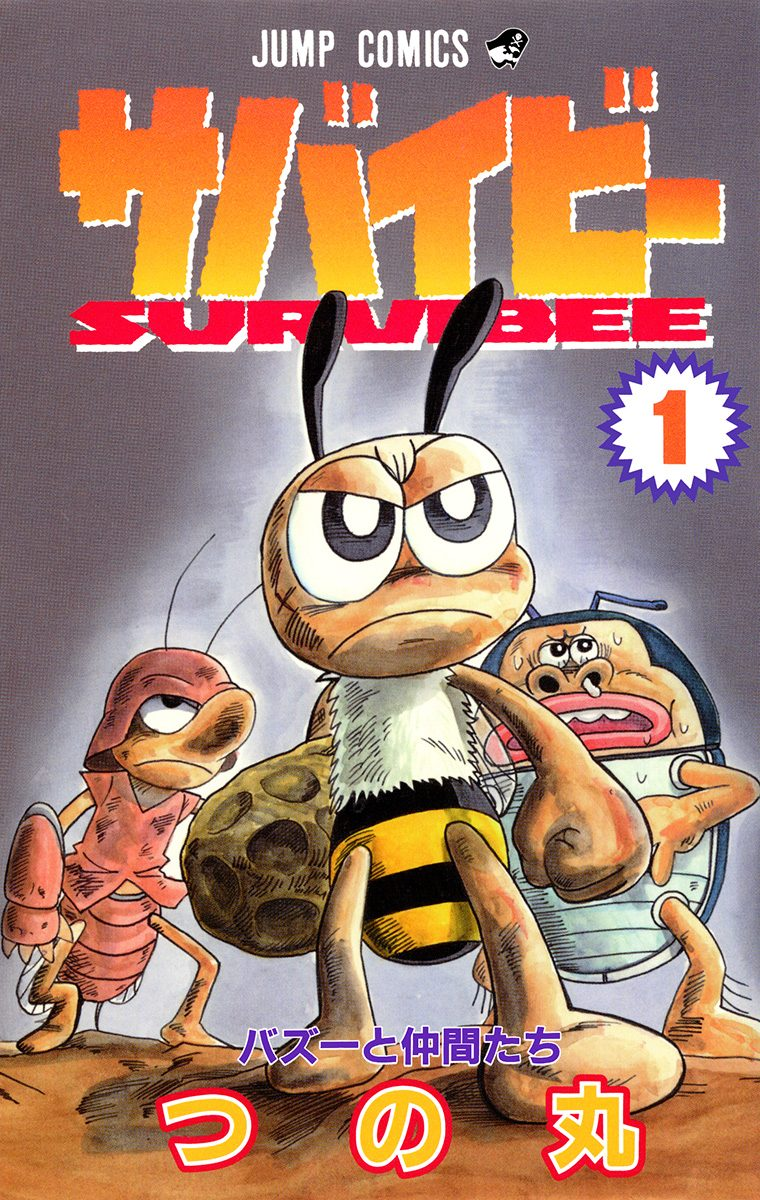
Today, both artists have moved to the online platform Manga SPA!, where the update schedule is less frequent than a weekly print magazine. "There's so much more freedom now," Tsunomaru said with a laugh. "I even draw with the mindset that 'it's okay to be a little late sometimes,' so there's way less stress."
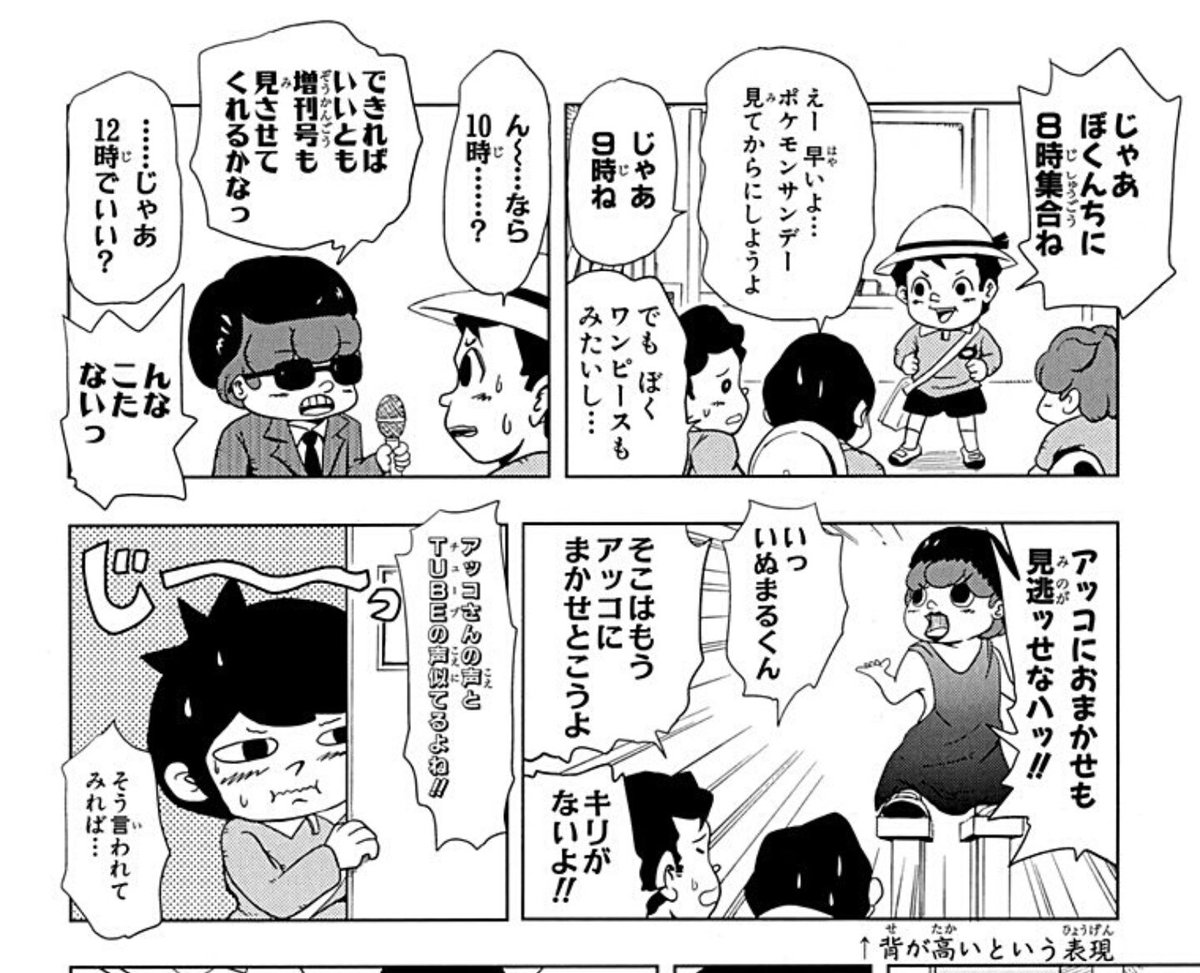
Oishi added, "The bi-weekly updates and more relaxed deadlines are a godsend." But he couldn't resist a friendly jab: "Although... Tsunomaru-sensei's updates for *The Dogfather* have been really slow lately (laughs)."
Their stories show that even though they worked on gag manga in different eras of Weekly Shonen Jump, both experienced the relentless grind of serialization, offering a stark reminder that the life of a manga artist is anything but simple.
via: 日刊SPA!