

Hailing from Harajuku, Japan, the popular affordable fashion brand WEGO is known for its street culture vibe, blending vintage styles, Y2K trends, and anime-themed "ita-bags." This year, the brand even opened a branch in Taiwan.
WEGO was originally set to launch a collaboration with the anime "My Hero Academia" on September 18th. However, on the 12th, the official website announced that the planned "My Hero Academia" collaboration merchandise would be suspended. The news had already sparked significant criticism from Chinese netizens after its initial release, and now even WEGO's Chinese subsidiary has publicly apologized, making the incident a hot topic in Japan as well.
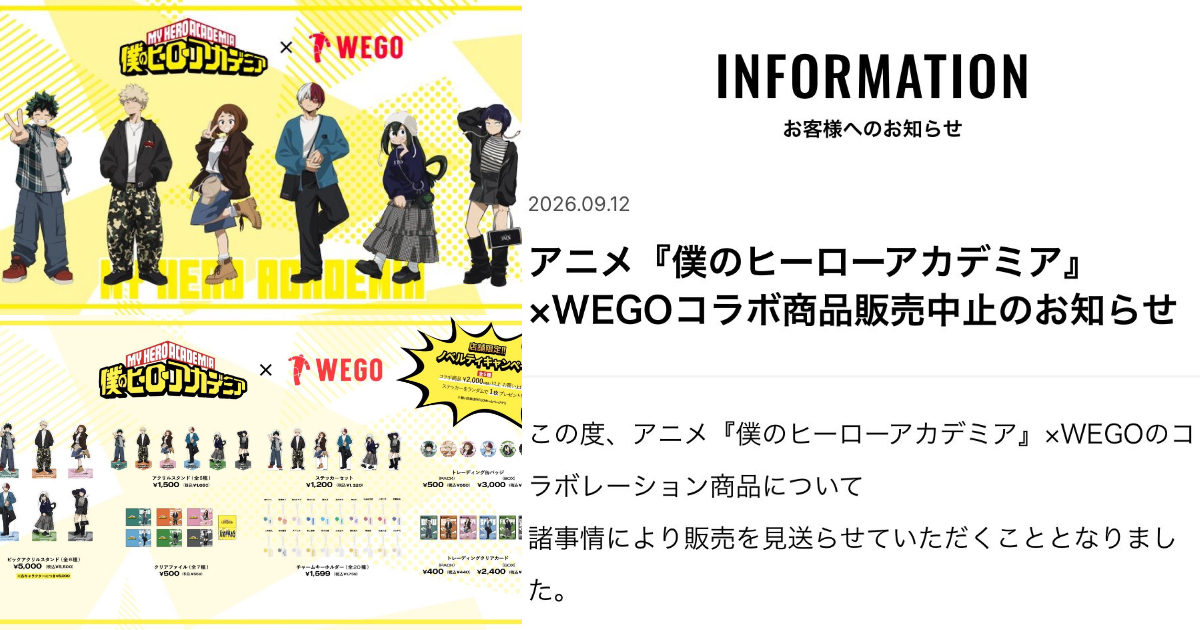
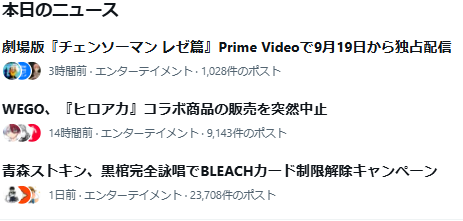
▼ The incident also became a trending topic on Japan's X today.
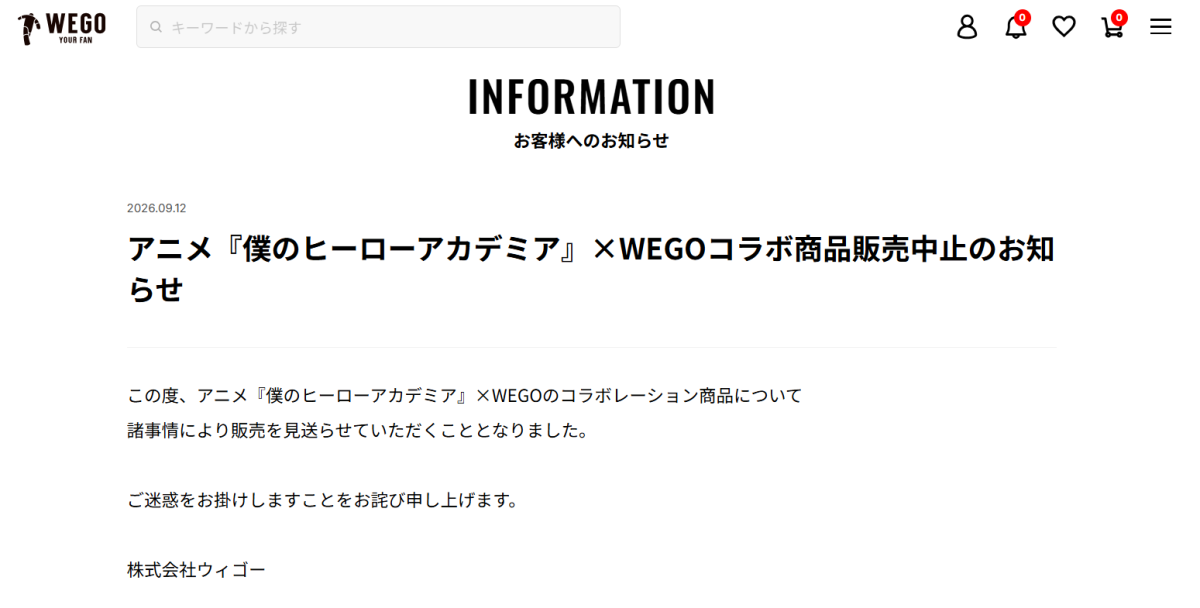
In Japan, WEGO issued a notice titled "Announcement Regarding the Suspension of 'My Hero Academia' x WEGO Collaboration Merchandise Sales," stating: "Due to various factors concerning the 'My Hero Academia' x WEGO collaboration merchandise, we have decided to suspend its sale."
The official statement merely added: "We sincerely apologize for any inconvenience this may cause." Beyond that, WEGO did not elaborate on what these "various factors" specifically entailed.
However, since the collaboration's announcement, there has been a wave of backlash on Chinese social media. Netizens pointed out that the planned release date of September 18th coincided with the 95th anniversary of the "September 18th Incident" (Mukden Incident), leading to accusations of malicious intent. Furthermore, "My Hero Academia" has previously faced criticism in China for plot elements deemed insulting to the country, fueling widespread condemnation of this collaboration online.
Subsequently, WEGO's Chinese subsidiary publicly apologized and announced the termination of the collaboration project, stating that they had not given it careful consideration and reached this consensus after discussions with the parent company.
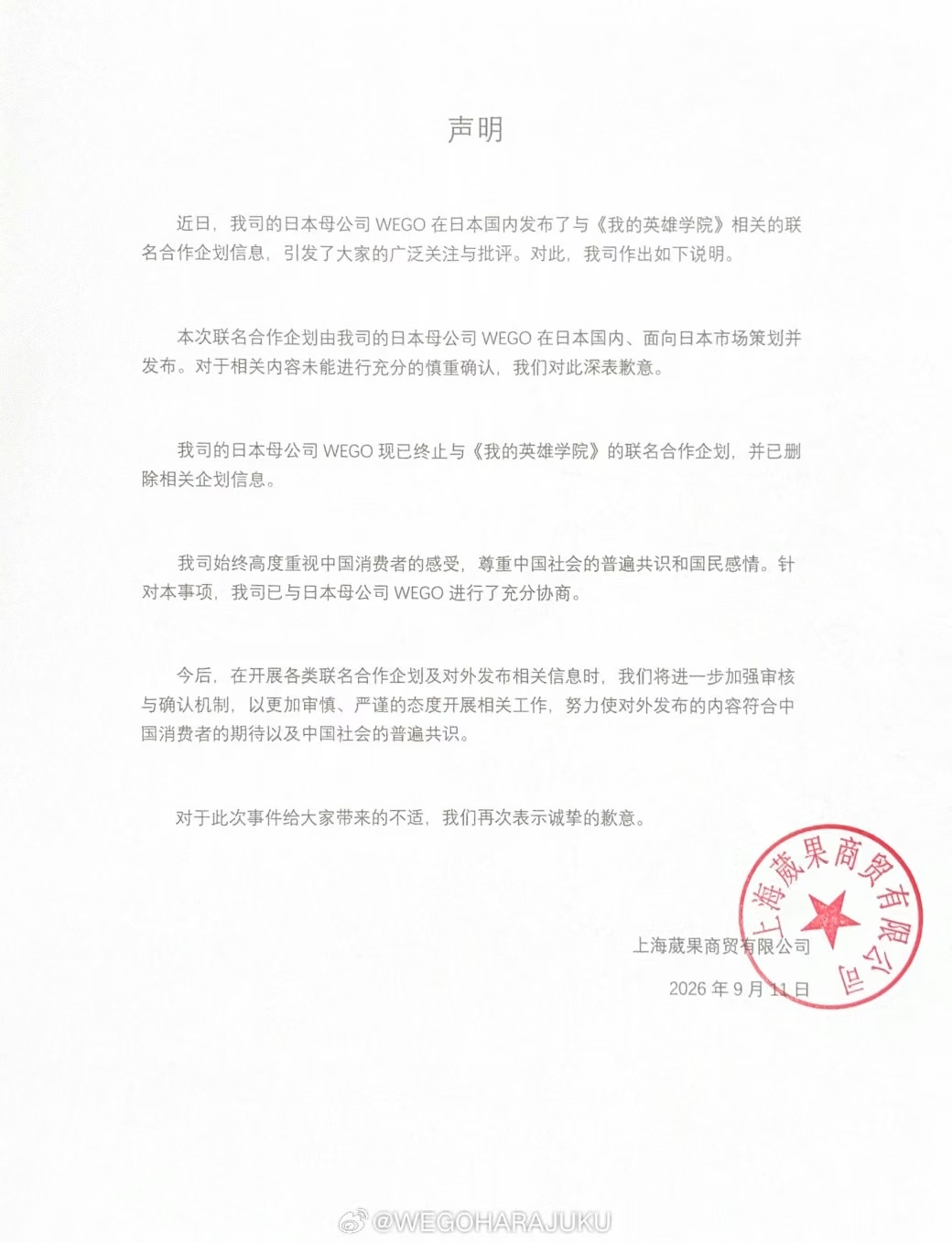
It's worth noting that this collaboration was not even intended for sale in China; it was only planned for release in Japan. Yet, criticism from Chinese social media ultimately led to this outcome.
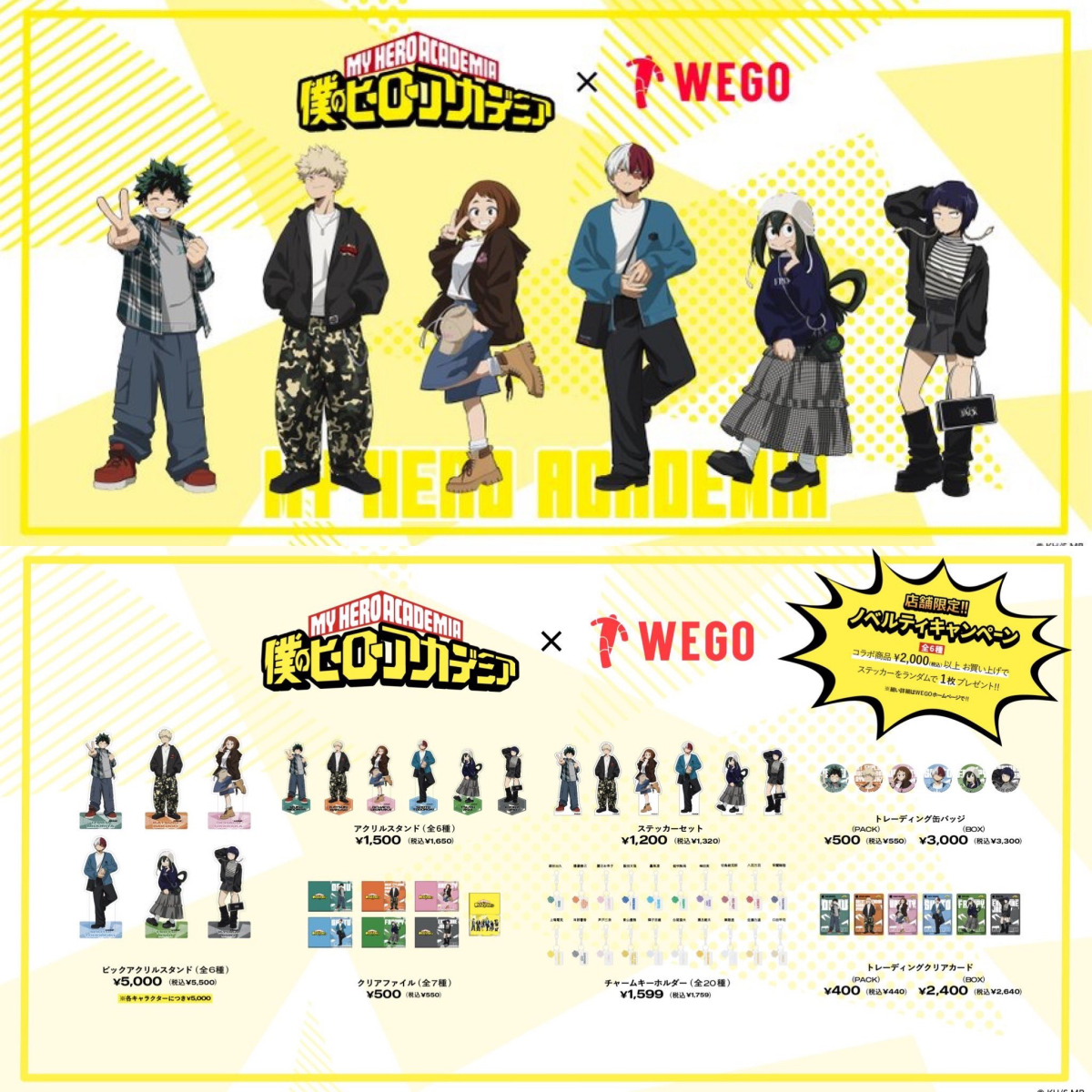
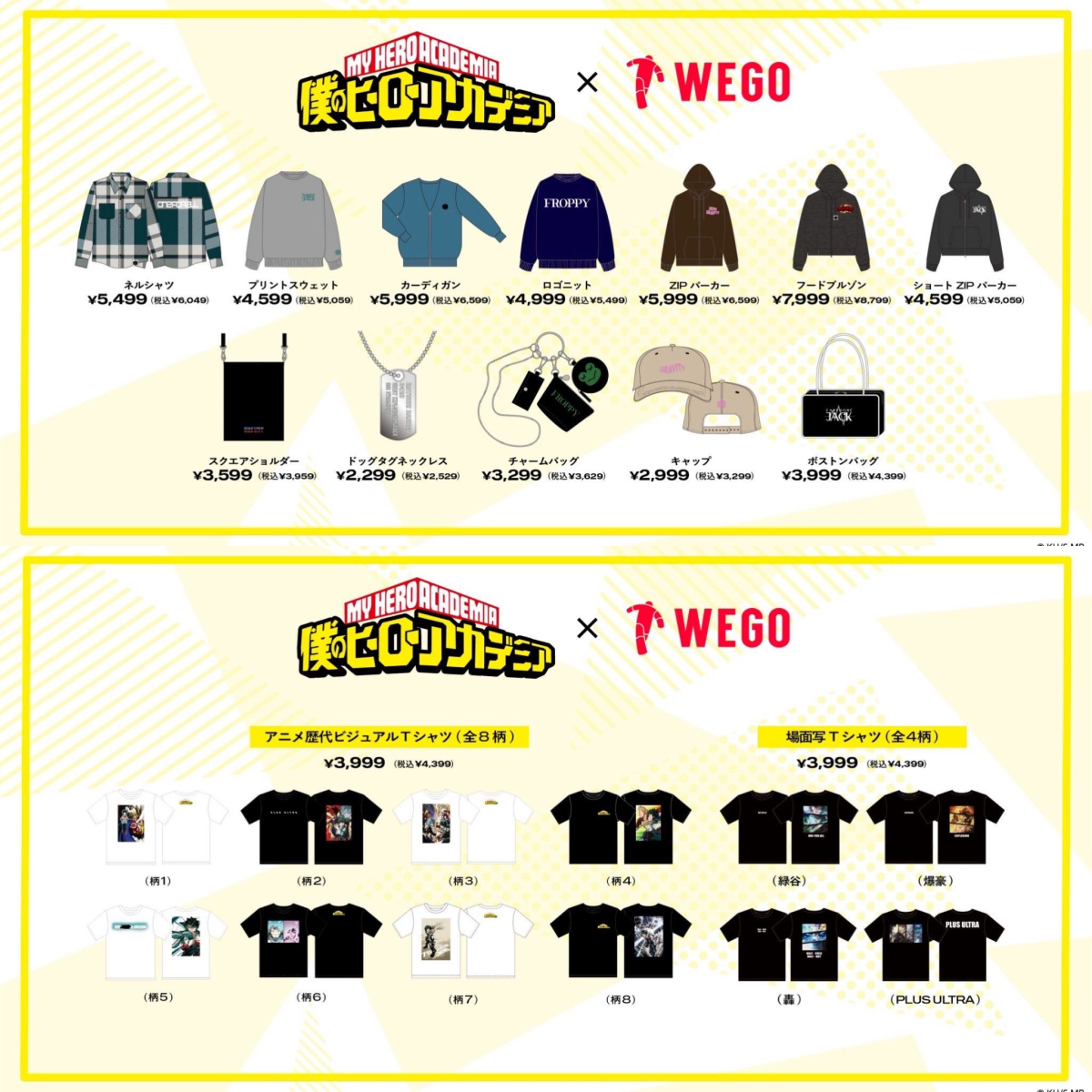
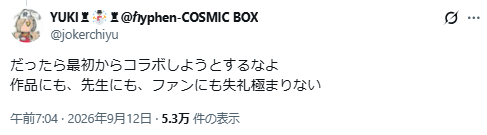
Fans are understandably upset by the sudden cancellation and find the official reasons unacceptable. Many feel that if such considerations were an issue, the collaboration should not have happened in the first place, causing disappointment for eager fans and showing immense disrespect to the author and the work itself.
This incident also highlights how, in an era dominated by global social media, even projects initially intended for the Japanese domestic market can be impacted by overseas backlash.