

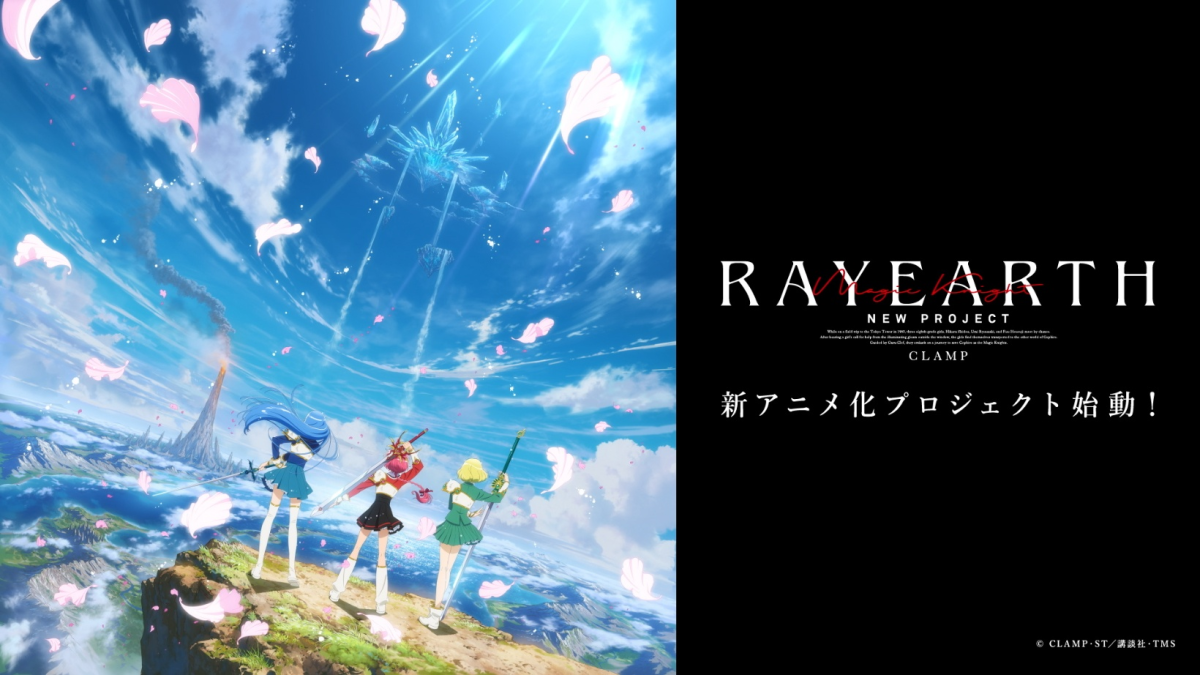
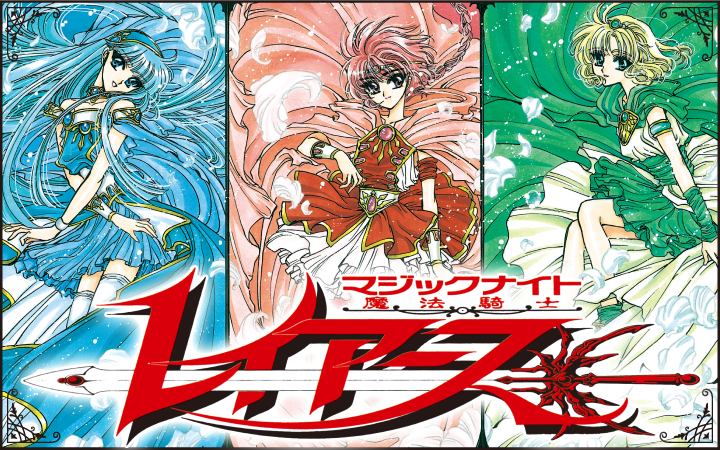
CLAMP’s classic manga Magic Knight Rayearth (魔法騎士レイアース) celebrated its 30th anniversary in 2024 with the announcement of a brand-new anime project. The series finally premiered in October, with two episodes now on the air.
Japanese anime outlet Anime! Anime! sat down with producer Takuma Kishida, the driving force behind the first new Magic Knight Rayearth anime in more than 30 years, to discuss why the series deserved a fresh adaptation in the Reiwa era—and what the production team hopes to achieve this time around.
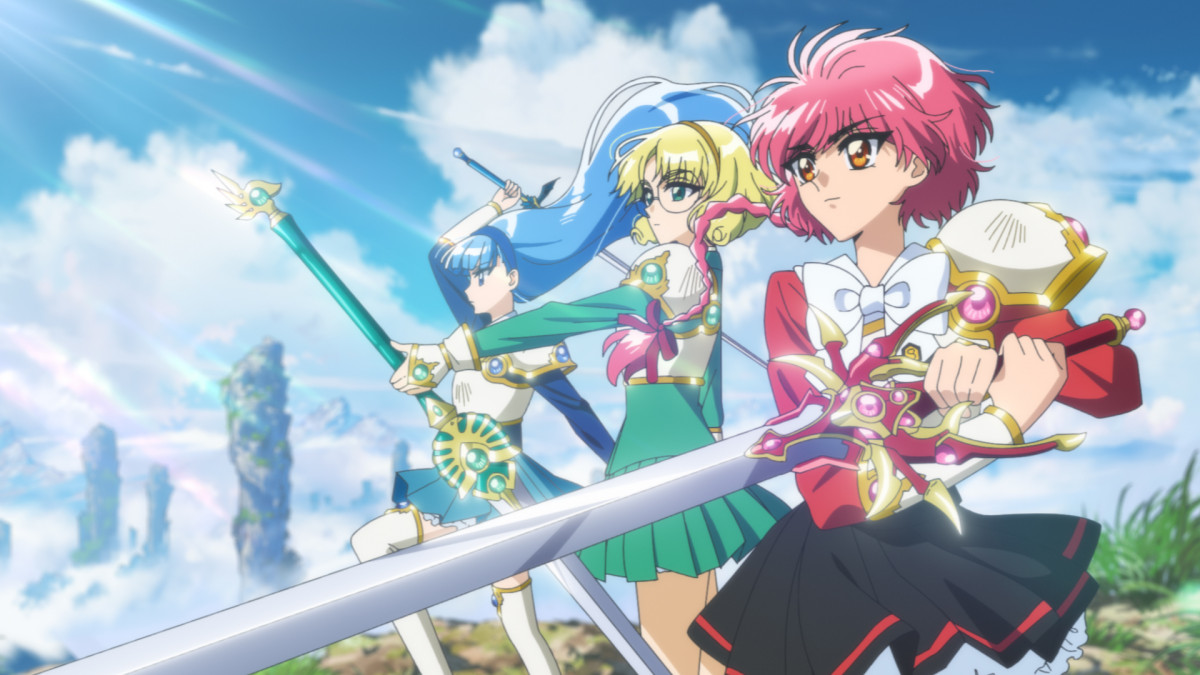
Here is the interview in Q&A format:
Q: To begin, could you tell us about your role on the series and what an anime producer’s job involves?
Takuma Kishida: An anime producer handles a wide range of responsibilities, and the exact job varies from project to project. On this series, my main responsibilities included developing the concept and finding an animation studio, as well as coordinating the production process and confirming various details with the original creators.
Three companies are collaborating on this project, so I also coordinate the creative and business-related matters between them.
Q: So you were the person who first proposed making an entirely new Magic Knight Rayearth anime?
Takuma Kishida: That’s right. I wanted to make it myself, so I proposed the project.
Q: This is a series that has influenced a great many people. Why did you want to adapt Rayearth again in the Reiwa era?
Takuma Kishida: Back then, it felt like everyone loved the series, regardless of gender. Looking back, that is pretty remarkable, but I think it also proves just how compelling the work itself is. The project began with me wondering whether we could create something that only TMS Entertainment could deliver.
I previously worked in licensing at TMS and was involved with the DVD and Blu-ray releases of the Heisei-era Magic Knight Rayearth anime. Even then, I remember thinking, “Wouldn’t the themes of Magic Knight Rayearth still resonate today?” That eventually led me to formally propose this new project.
Q: What made you believe the series’ themes would remain relevant today?
Takuma Kishida: First of all, perhaps this is true of many of CLAMP’s works, but they are not confined to any particular era. Even today, the story contains plenty of ideas that different generations can enjoy together, along with themes that connect with contemporary audiences.
Q: In recent years, many isekai stories have been adapted into anime, and Magic Knight Rayearth could also be described as a story about characters being summoned to another world. Perhaps that is another reason it feels timeless.
Takuma Kishida: I completely agree. I even used wording along the lines of “the original isekai” in the project proposal. I doubt anyone was consciously thinking of it as a defined genre when the story was created, but CLAMP clearly had incredible foresight.
At the same time, the story begins with the heroes setting out to defeat an evil priest and rescue a princess in another world, giving it all the hallmarks of a classic fantasy adventure. Those traditional elements are another reason I believe Magic Knight Rayearth remains a series that so many people can enjoy.
Q: The initial premise is certainly direct and easy to understand. But Magic Knight Rayearth has much more up its sleeve, including some truly unexpected developments later in the story.
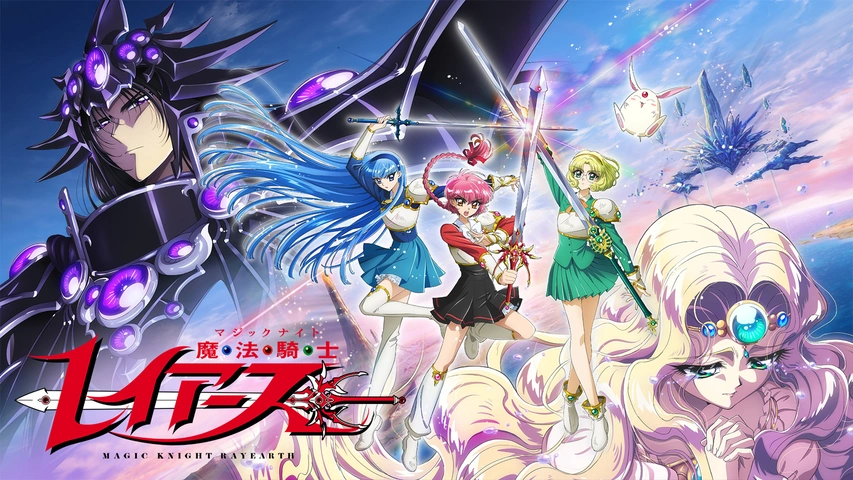
Takuma Kishida: One of the series’ greatest strengths is how the audience gradually comes to understand each character’s position, their relationships with one another, and the feelings they keep buried inside. It is the kind of story that keeps viewers invested all the way to the end, especially in its second half, where one surprising reversal follows another. Who is the real enemy? What were we actually trying to save? And where does true justice lie?
The series explores more than one theme, and its story has remarkable depth. Ideas that initially seem obvious are completely overturned as the plot unfolds, and that approach to storytelling is incredibly compelling. I also believe it is a series that can challenge the audience’s values and make people reconsider many of their assumptions.
Q: As children, viewers could simply enjoy how cool and cute everything was. Revisiting the series as adults, however, reveals a story with plenty to think about.
Takuma Kishida: Exactly! The series has Mashin—in other words, giant robots, along with a world where magic exists. Those ideas alone are enough to get people excited, and the characters themselves are also incredibly appealing. Instead of one protagonist charging ahead alone, three girls embark on the adventure together and gradually grow along the way. It is only natural for viewers to want to cheer them on.
Magic Knight Rayearth absolutely delivers the appeal of a classic isekai fantasy, but it is never restricted by familiar formulas or a single perspective. That is what makes it so interesting. I believe the themes it explores, the strength of its story, and everything I personally find compelling about it are precisely why it deserves to be adapted again today.
Q: While producing the new anime, how much did you reference the Heisei-era Magic Knight Rayearth adaptation?
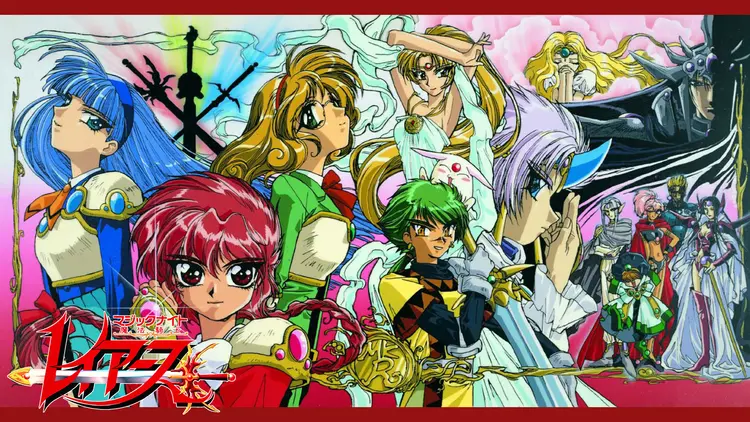
Takuma Kishida: We have tremendous respect for the Heisei-era series, but we generally avoided using it as a direct template during production. That is because the original manga was still being serialized when the Heisei-era Magic Knight Rayearth anime aired, so the adaptation included a substantial amount of original material.
Today, the manga is complete, and anime production methods have also evolved considerably since then. Because the circumstances surrounding the two adaptations are entirely different, I believed that instead of deliberately referencing the Heisei version, we should create a Magic Knight Rayearth that could only be made in the present era. We therefore chose to approach the manga again with a clean slate, which was another reason we decided to produce a new adaptation now.
Q: From what you have said, it sounds like this version’s story will be based closely on the original manga.
Takuma Kishida: Yes. Adapting the story with respect for the original manga is the most fundamental principle behind this new anime. However, Magic Knight Rayearth and Magic Knight Rayearth 2 together span only six collected volumes, so there is not quite enough material to fill a two-cour television series without some expansion.
As a result, the episode structure is somewhat unusual. We are also expanding certain moments that offer room to explore the characters’ emotions in greater depth, while remaining faithful to the original story. For these additions, we held extensive discussions with the core production team and the original creators, asking, “How should we present this so the audience can truly understand and absorb what we want to communicate?”
Q: Manga leaves room for the reader’s imagination, but transferring everything directly into animation can sometimes make the visual storytelling feel unnatural. An anime adaptation may need to fill in some of those deliberate gaps.
Takuma Kishida: Exactly. One of manga’s strengths is the freedom it gives readers to imagine what happens between the panels. Anime, on the other hand, has to consider how audiences will experience the story within a fixed runtime, while also determining how each moment should be presented visually.
With those factors in mind, we repeatedly discussed the material with series composition writer Shigeru Murakoshi and the other screenwriters. We would ask questions such as, “Should we add a little more context here?” or “Should the emotion we want to convey here be expressed more clearly?” The series took shape through that ongoing process of discussion.
Q: Did CLAMP make any specific requests during the anime’s production?
Takuma Kishida: When we first communicated through our contact at Kodansha, I remember the original creators saying, “We are looking forward to seeing the mechanical designs.” After that, they appeared to place a great deal of trust in E&H production, the studio handling the animation, so I do not recall receiving any other major requests. Everyone representing the original creators has communicated with us very thoughtfully, and their support has been invaluable.
Q: What aspects of the character designs received particular attention?
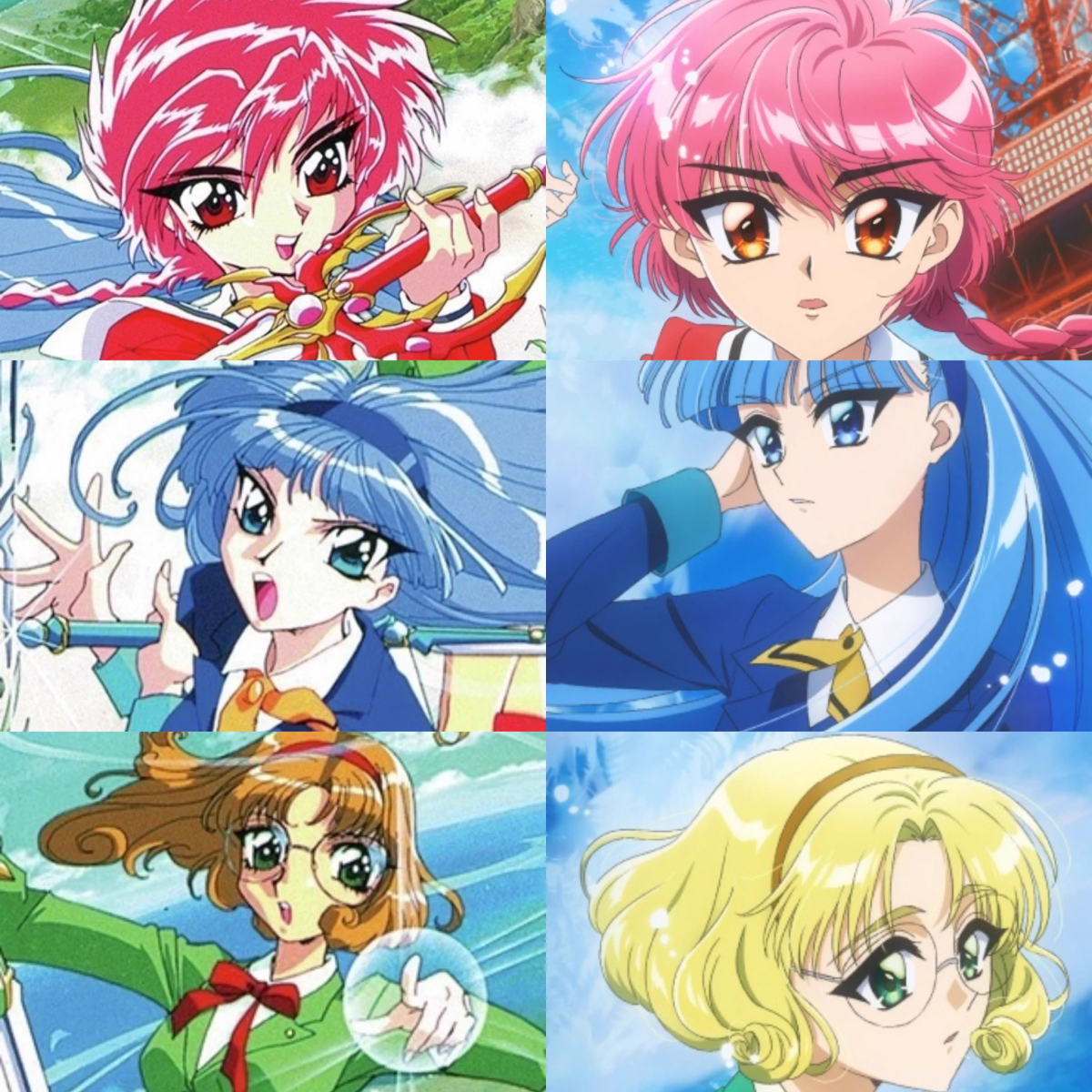
Takuma Kishida: Character designer and chief animation director Satomi Watabe is a devoted fan of CLAMP. She has a deep understanding of what matters in the original work, as well as the direction we wanted to take, and she incorporated those ideas into the designs.
I believe the eyes are one of the most distinctive features of the characters in CLAMP’s work, so details like those went through several rounds of discussion and adjustment. I also remember discussing the characters’ body proportions.
Q: How did the team approach the Mashin designs?
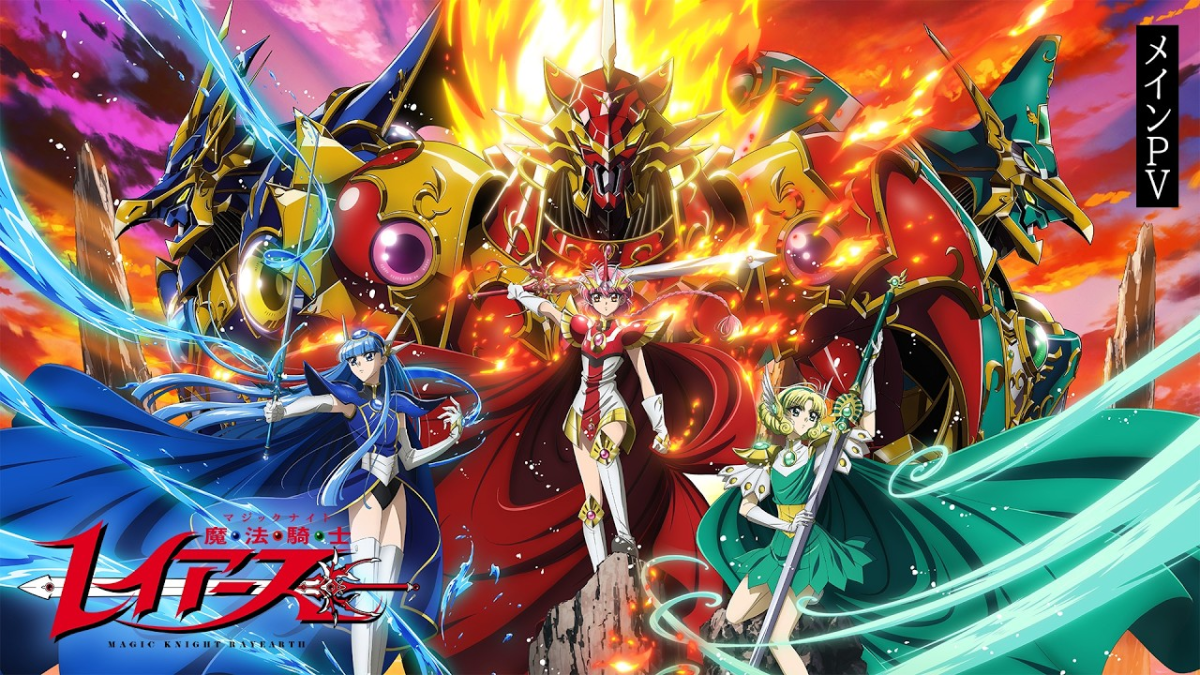
Takuma Kishida: We also held several meetings and discussions with CLAMP regarding the Mashin designs. In the end, we followed the direction proposed by Mashin designer and Mashin mechanical director Hiroki Mutaguchi, incorporating elaborate ornamentation and striking silhouettes that allow every detail to shine.
The finished designs not only capture an impressive level of detail but also bring out the strengths of the original work. I think they are outstanding.
Q: As a producer, what do you consider most important when making an anime?
Takuma Kishida: When developing a project and planning its promotional activities, you first need to consider who the audience will be. No matter how much effort we put into the animation, it will be difficult for the work to endure if nobody watches it, discusses it, or passes the emotions it inspired on to others.
That does not mean we should simply cater to the audience, however. When making anime, I believe you must consider the ideas and intentions driving you to create the work, as well as which elements you want the audience to notice. It is essential for us, as the people delivering the content, to think carefully about those questions and then incorporate what we want to communicate into the work itself.
Q: In other words, audiences are free to interpret a work however they choose, but its creators should still put their own ideas into it.
Takuma Kishida: Audiences are free to understand a work in their own way, so I do not believe we should force our interpretation on them. Even so, precisely because so many different anime are constantly being released today, I personally believe it is extremely important to think seriously about a work’s themes and consider how viewers may feel while creating it.
Q: Finally, do you have a message for everyone looking forward to the series?
Takuma Kishida: In Magic Knight Rayearth, the way the characters speak gradually changes as their circumstances and emotions evolve. I hope viewers will pay close attention to how their feelings shift throughout the adventure and how they grow one step at a time.
The beautiful animation and the powerful, large-scale Mashin battles are also major highlights. The original work is already incredibly compelling, and this adaptation uses contemporary technology to transform its strengths into an entirely new animated experience. I hope everyone will experience the Magic Knight Rayearth of this era for themselves. Every member of the production team is working incredibly hard to bring the series to as many people as possible.
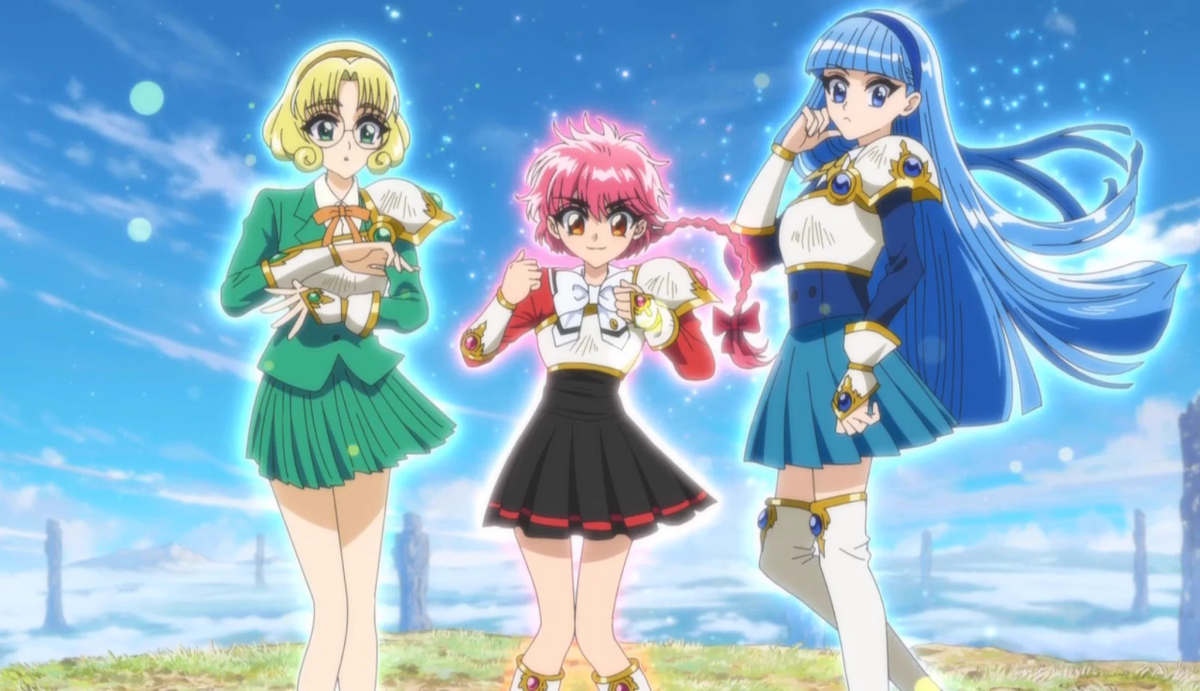
The interview makes Takuma Kishida’s passion for Magic Knight Rayearth crystal clear—and that passion ultimately became the driving force behind this long-awaited new adaptation.
CLAMP’s work has always enjoyed enormous popularity, with stories that refuse to be boxed into any one era. Now, after a 30-year wait, this new Magic Knight Rayearth anime has the chance to show an entirely new generation what made the original so special.
via: アニメ!アニメ!