
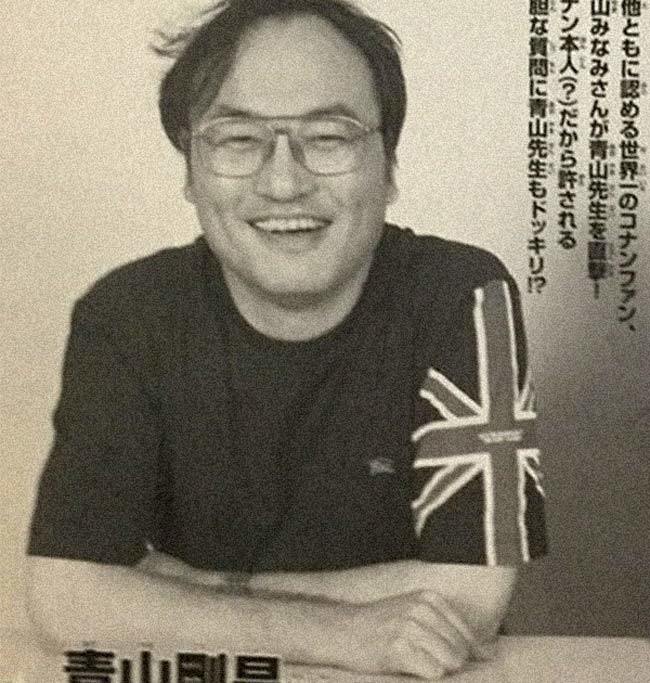
Opening an elementary school student's essay from over 40 years ago, titled "The Future," it reads, "I once hoped to become a manga artist in the future, but now I want to be a private detective... So, if I combine these two dreams, I think I might become a manga artist specializing in detective themes."
This elementary school student was named Gosho Aoyama. Over 20 years later, following an editor's suggestion, he created "Detective Conan." To this day, this new work, for which he initially wasn't very passionate, has become one of the most popular and long-selling works in global mystery literature, and it has also become Aoyama's signature work.
Gosho Aoyama (studio photo) Image credit:aikru
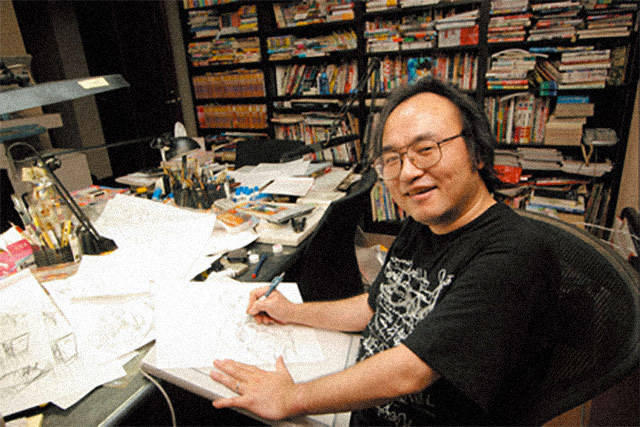
Now, if we revisit "The Future," some might say, "It was destiny," or "Childhood dreams took root in Gosho Aoyama's subconscious." However, this elementary school essay, which Aoyama himself has no recollection of writing, should only be regarded as a fortunate coincidence.
Because if that were truly the case, we also cannot overlook Aoyama's two other childhood passions: from elementary school through junior high and high school, all the clubs he joined were kendo clubs; among his favorite manga were Tetsuya Chiba's "Ore wa Teppei" and "Ashita no Joe." These two passions later laid the foundation for Gosho Aoyama to become a distinguished manga artist.
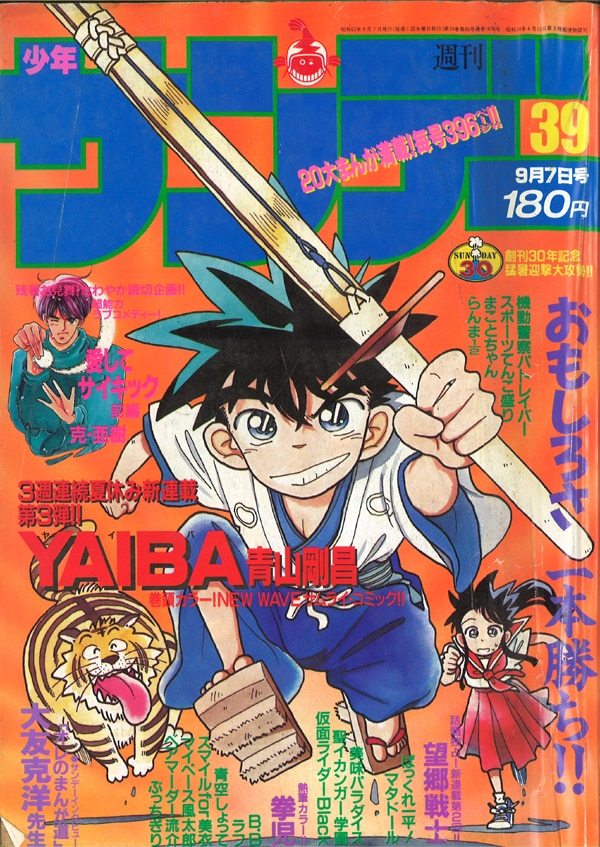
"Yaiba" (城市風雲兒) began serialization in Shogakukan Comic Issue 39, 1988 Image credit:まんだらけ
"Yaiba" was adapted into an anime in 1993, with the anime's title changed to "Kenyuu Densetsu Yaiba" Image credit:AMAZON
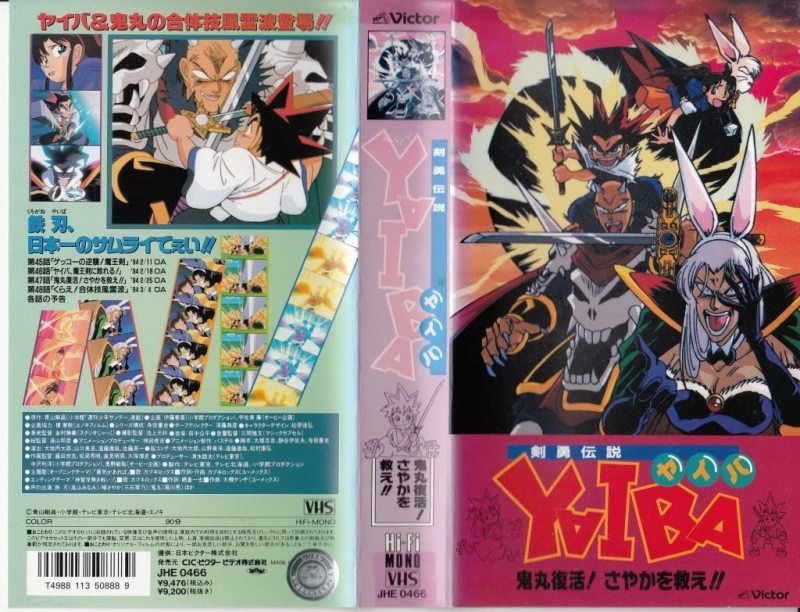
If we are to discuss Aoyama and how he developed "Detective Conan" into a vast universe that has endured for nearly 30 years and constantly shifts genres, then we must talk about kendo, Tetsuya Chiba, and Aoyama's early work that first garnered significant reader acclaim: "Yaiba" (城市風雲兒).
Kendo boys are not uncommon in Japan; many schools have kendo clubs. Practicing kendo can cultivate focus, endurance, physical fitness, and metabolism—training kendo in summer is essentially like taking a steam bath. Kendo is an activity that looks more impressive than it is to actually participate in; practicing kendo can even be described as grueling. From this perspective, Aoyama, who participated in kendo clubs for nearly ten years from childhood, could be considered a person of extraordinary willpower... but if we delve into the origin of this interest, it seems not to have stemmed from a love for the sport itself: young Gosho Aoyama simply wanted to become a swordsman.
"Yaiba" (城市風雲兒) Image credit:Renote
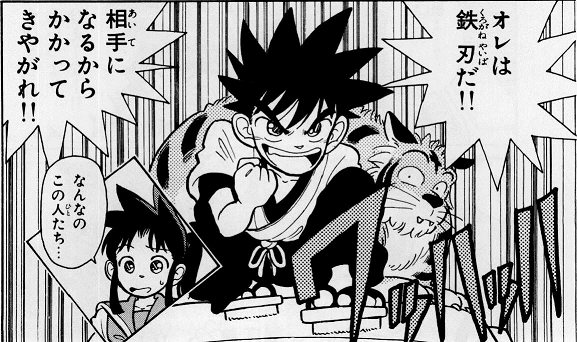
Half of the elementary school students in the 1970s shared Gosho Aoyama's aspirations; everyone wanted to become a modern young swordsman during Japan's period of high economic growth. Where did this dream, so distinct from the contemporary backdrop, come from? While Gosho Aoyama enjoyed what were called "chanbara films" (sword-fighting films) as a child, Akira Kurosawa's "Sanjuro" was the film he considered the greatest of all time.
However, for children in the 1970s, Kurosawa's chanbara films were works from before their time. For them, another hugely popular contemporary sword-fighting manga was the crucial key that opened their path to becoming swordsmen—at that time, every kendo boy called himself "Teppei"... that was the name of the protagonist from the manga "Ore wa Teppei."
"Ore wa Teppei" (Japanese: おれは鉄兵, Chinese: 俺是鐵兵) Image credit:FREEBOND
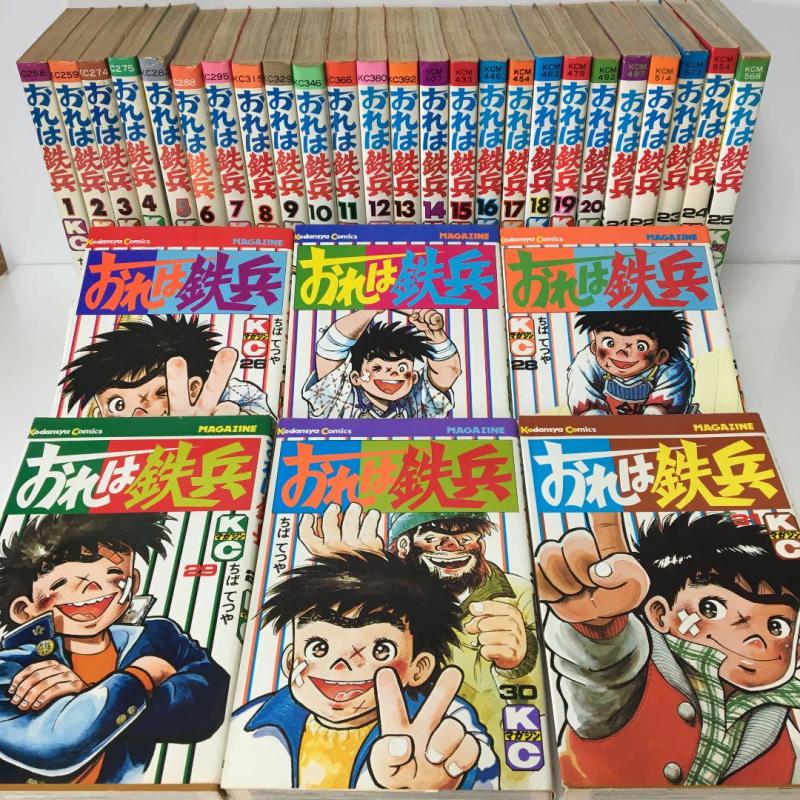
Teppei Uesugi, a junior high school second-year student, is a genuine "chuunibyou" (eighth-grade syndrome) who has never attended any school. He and his father dig for treasure in the wilderness, having grown up wild in the mountains like a monkey since childhood. Nature trained him into a "human beast" with extremely keen wild instincts. He understands neither ethics nor morals, believing only in the principles of wilderness survival: survival of the fittest, striking first, and achieving goals by any means necessary.
So when this young beast arrived in bustling Tokyo, he was naturally like Tarzan entering human society, completely disregarding the complex etiquette of city dwellers. And when he had the opportunity to encounter Kendo, which emphasizes rules and decorum, he had no interest in learning it properly, instead choosing his own "personal style" of unrestrained, chaotic dancing.
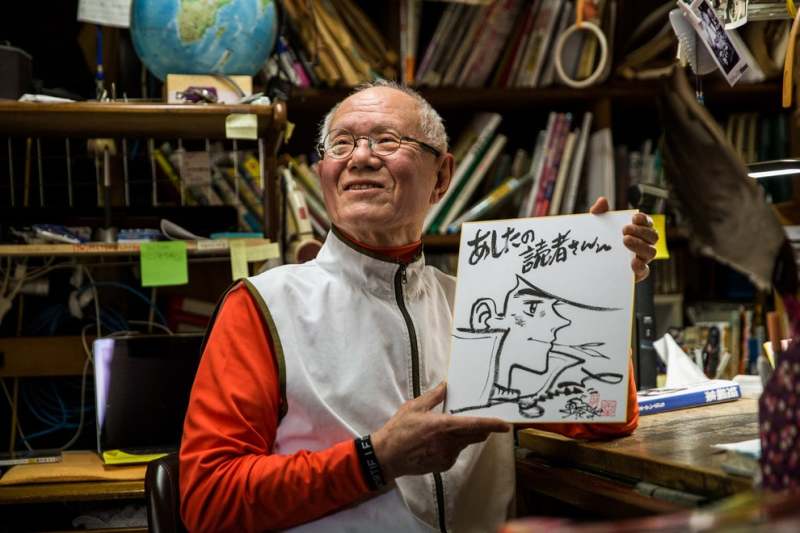
The author of "Kōkō Yaro" (Good Kid), manga master - Tetsuya Chiba Image credit:BuzzFeed
You might never have read manga master Tetsuya Chiba's "Kōkō Yaro" (Good Kid) (though this manga was incredibly popular in Taiwan back in the day), but if you've read Gosho Aoyama's 1988 "Weekly Shōnen Sunday" serialized manga "Yaiba," and compare it to the plot summary above... you might find that these two manga essentially share identical opening settings.
The protagonist of "Yaiba" is Yaiba Kurogane (鉄刃), who trains in swordsmanship with his father in the wilderness, usually fighting gorillas and kicking tigers. He is almost identical to Teppei (even their names are similar), completely ignorant of worldly etiquette, equally lecherous, fond of eating, and relying solely on wild instinct to win battles... Yaiba sports a peculiar spiky hairstyle, like an enlarged samurai topknot, which is the only difference compared to Teppei's messy hair.
"Kōkō Yaro": The short Teppei delivers a solo 'arubaa' prank to a delinquent Image credit:Twitter
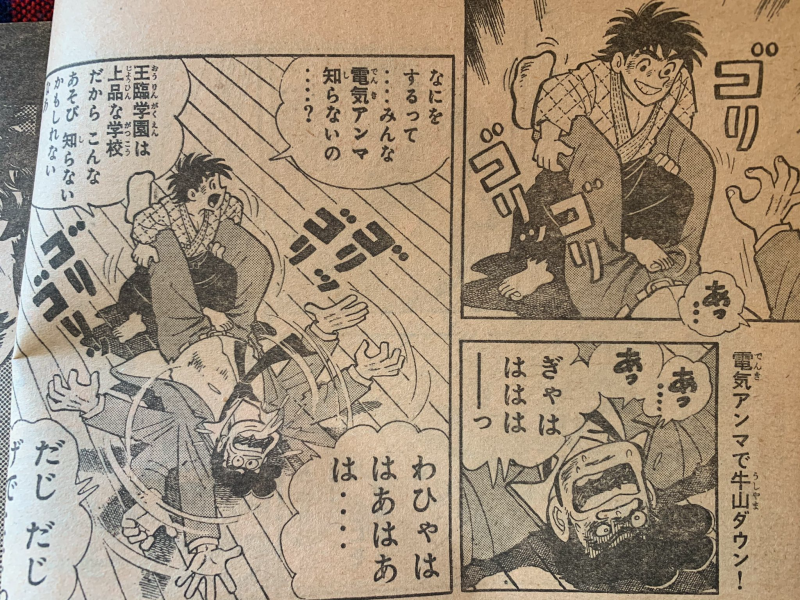
The fundamental reason isn't merely because Gosho Aoyama loved "Kōkō Yaro," admired Tetsuya Chiba, or because he consequently fell in love with Kendo, which allowed him to cosplay Teppei Uesugi. The biggest reason is the undeniable "chuunibyou" aspect of Gosho Aoyama's personality. Rather than saying the brilliance of "Kōkō Yaro" inspired Gosho Aoyama to emulate its virtues,
it's more accurate to say that Gosho Aoyama felt a profound connection between his own personality and famous characters created by Tetsuya Chiba, such as Teppei from "Kōkō Yaro" and Joe Yabuki from "Ashita no Joe." These unrestrained and wild characters were like Aoyama's non-blood relatives or alter egos, freely causing mischief and wreaking havoc in another fantastical dimension.
"Yaiba" features many powerful and dynamic battle scenes Image credit:コナン速報
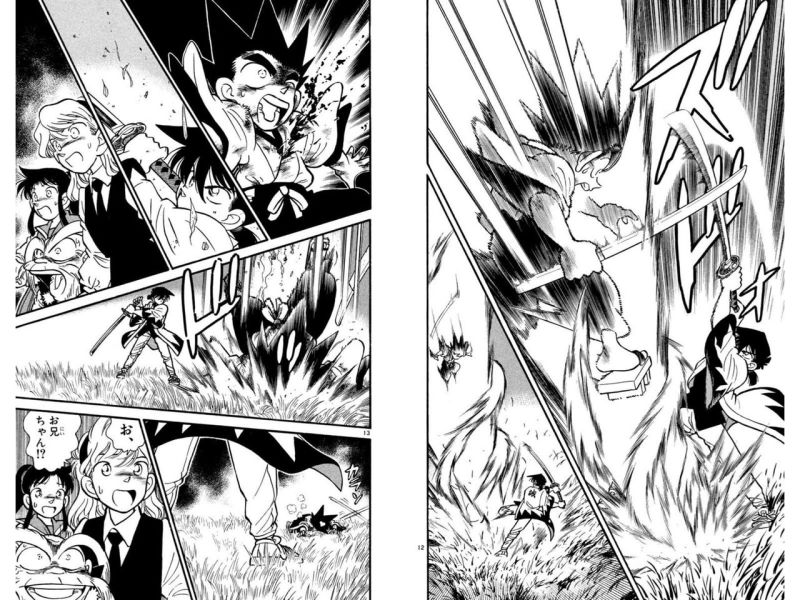
Placing Tetsuya Chiba's manga alongside Gosho Aoyama's, it's difficult to discern a connection based solely on art style. However, what's interesting is that Gosho Aoyama largely inherited the "anti-social" essence of Tetsuya Chiba's creative approach.
Chiba can be said to be one of the most rebellious masters in the Japanese manga world. His defiant nature led his shonen manga protagonists to all be unruly, anti-social youths who defied adults and disregarded social order. For the Japanese national character, which emphasizes collectivism, Tetsuya Chiba's protagonists are the black sheep of the group. Consequently, these characters often get battered and bruised by their environment in the stories, yet they maintain a disdainful smile until their dying breath.
"Ashita no Joe" Ending Image credit:BuzzFeed
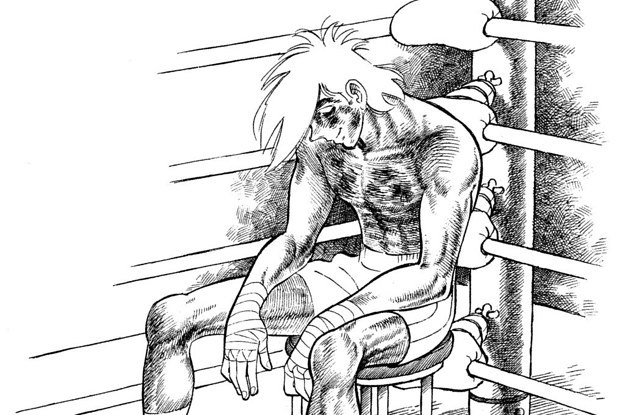
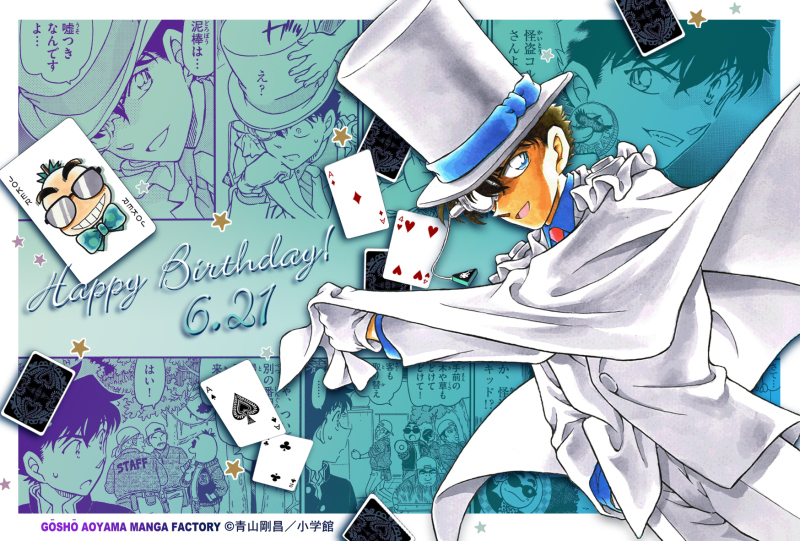
This self-indulgent persistence in one's own path manifests as the "chuunibyou personality" we later became familiar with. Gosho Aoyama's manga works, at first glance, don't appear to have any anti-social tendencies. However, whether it's the protagonist Kaito (Kid) from "Magic Kaito," or even popular characters like Shuichi Akai or Tooru Amuro from "Detective Conan," they are all, by design, undeniable anti-heroes.
They all operate in the blurred lines between black and white, and possess their own set of behavioral principles not recognized by the world. Yet, they appear incredibly cool—consider what some conservative parents might say about a manga where a teenage protagonist performs magic and steals things everywhere. This would undoubtedly make rebellious teenagers, in the throes of adolescence, love "Magic Kaito" even more.
Kaito Kid from "Magic Kaito" Image credit:Twitter
"Yaiba" was clearly an "homage" to "Good Kid," but it quickly evolved beyond that. Gosho Aoyama's debut work as a weekly serialized manga artist, "Yaiba," ran for a total of five years. For a new manga artist, a five-year serialization is a crucial stage for honing their professional skills. To be honest, besides learning how to keep up with the serialization schedule, most newcomers probably don't have much mental energy to conceptualize more complex manga plots. Therefore, a debut work by a newcomer that runs for about five years usually sticks to a single storyline from beginning to end. However, "Yaiba," a manga spanning 24 volumes, unexpectedly features an astonishing eight chapters with different themes:
"Yaiba": Doesn't it remind you of someone's Three-Sword Style? Image credit:コナン速報
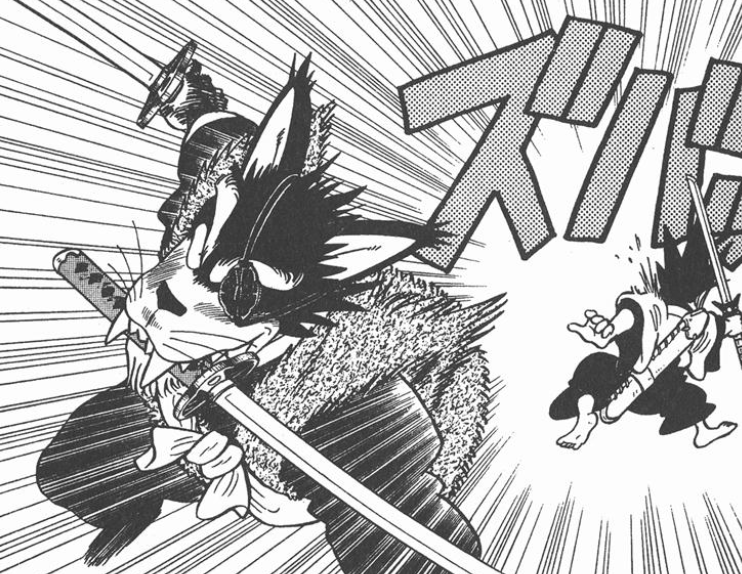
Starting with the absurd and hilarious school-style "Eight Oni Arc," then transitioning to the sword-fighting "Onimaru Castle Arc," which then becomes the adventure-style "Dragon Ball Arc," followed by the "Princess Kaguya Arc" that suddenly incorporates sci-fi elements like Moon people, and the "Pyramid Arc" and "Underground World Arc" featuring warriors with various natural abilities. It then shifts to the "Yamata no Orochi Arc" related to Japanese creation myths, and finally, the "Oda Nobunaga Imperial Match Arc," where Yaiba strives to achieve his dream of becoming the "Greatest Samurai Under Heaven."
"Yaiba" Final Chapter Image credit:コナン速報
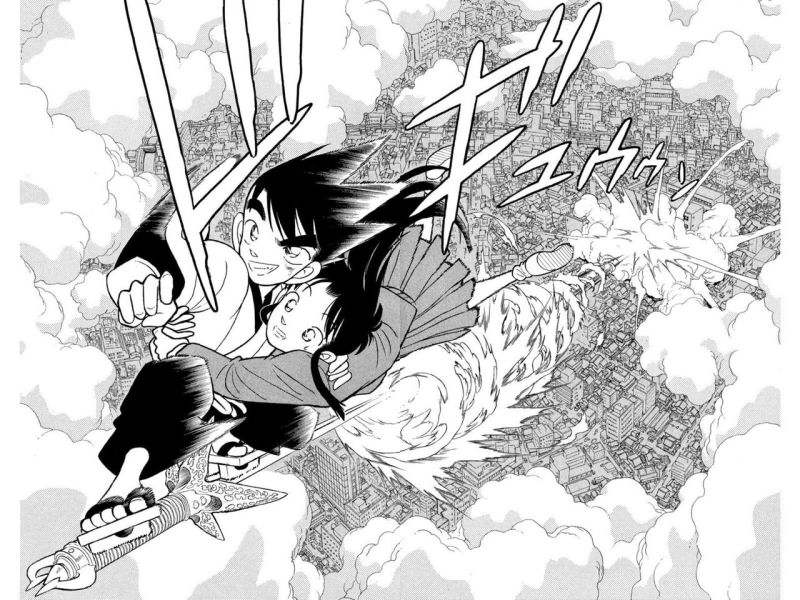
Comedy and combat are the only two constant elements across Yaiba's eight arcs. Other elements include Japanese traditional folklore, world mythology, Sengoku period history, science fiction, aliens, psychics, time travel, the supernatural... The worlds Yaiba has visited leave "Good Kid's" Tetsu far behind.
Not only that, but in "Yaiba," you can see the carbon-freezing technology from the movie "The Empire Strikes Back" that rapidly turns people into reliefs, and Miyamoto Musashi dressed as Little Red Riding Hood giving an apple to Jubei Yagyu, who has turned into a werewolf. It's safe to say that "Yaiba" isn't just 'chuunibyo' (eighth-grader syndrome); it also greedily absorbs all sorts of symbols and motifs from contemporary popular entertainment culture.
Onimaru Takeshi carbonized, much like Han Solo in Star Wars Image credit:コナン速報
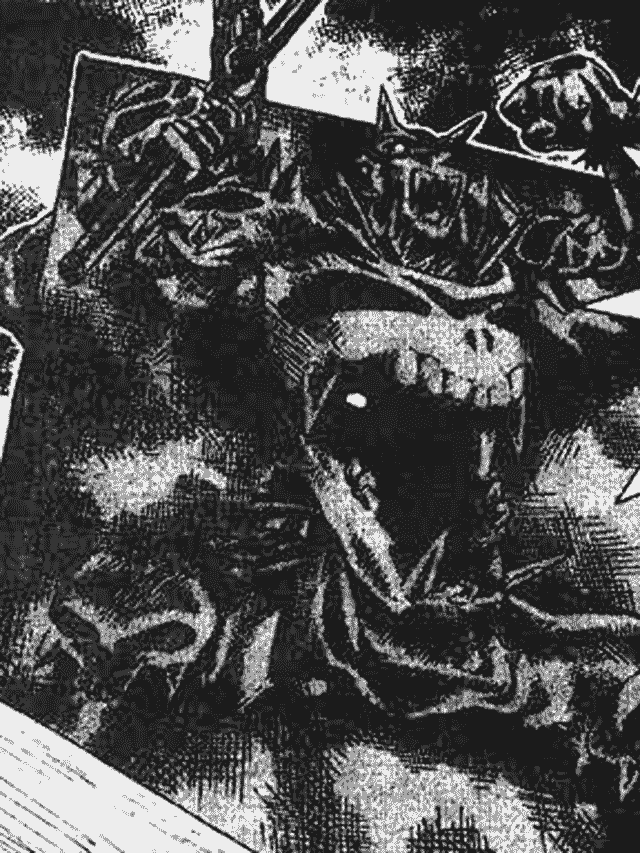
You can see manga artists like Yoshihiro Togashi or Hirohiko Araki seeking inspiration for "Hunter x Hunter" or "JoJo's Bizarre Adventure" in various types of films. However, the sheer volume of external pop culture elements they incorporate pales in comparison to Gosho Aoyama's astonishing approach. He accepts almost everything, like a voracious doujinshi artist, recreating various entertainment works familiar to readers in some form within his own creations.
"Yaiba": The setting where different abilities can be used by installing different orbs on the sword is very interesting Image credit:ビデオマーケット
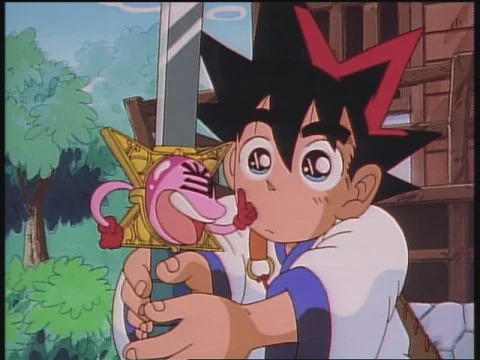
You could say Gosho Aoyama's ability to pay "homage" is exceptionally strong, but don't forget, "Yaiba" only ran for five years. In such a short time, he was able to absorb these elements, integrate them, and then transform them into his work... More importantly, you can't discern any obvious patchwork between these homages and the original story. In "Detective Conan," there's even more of this pop culture element collage—Aoyama even went so far as to pull his past works, such as "Magic Kaito" and "Yaiba," into his new serialization.
Onimaru Takeshi appeared in "Detective Conan" Files 992. Image credit:Twitter
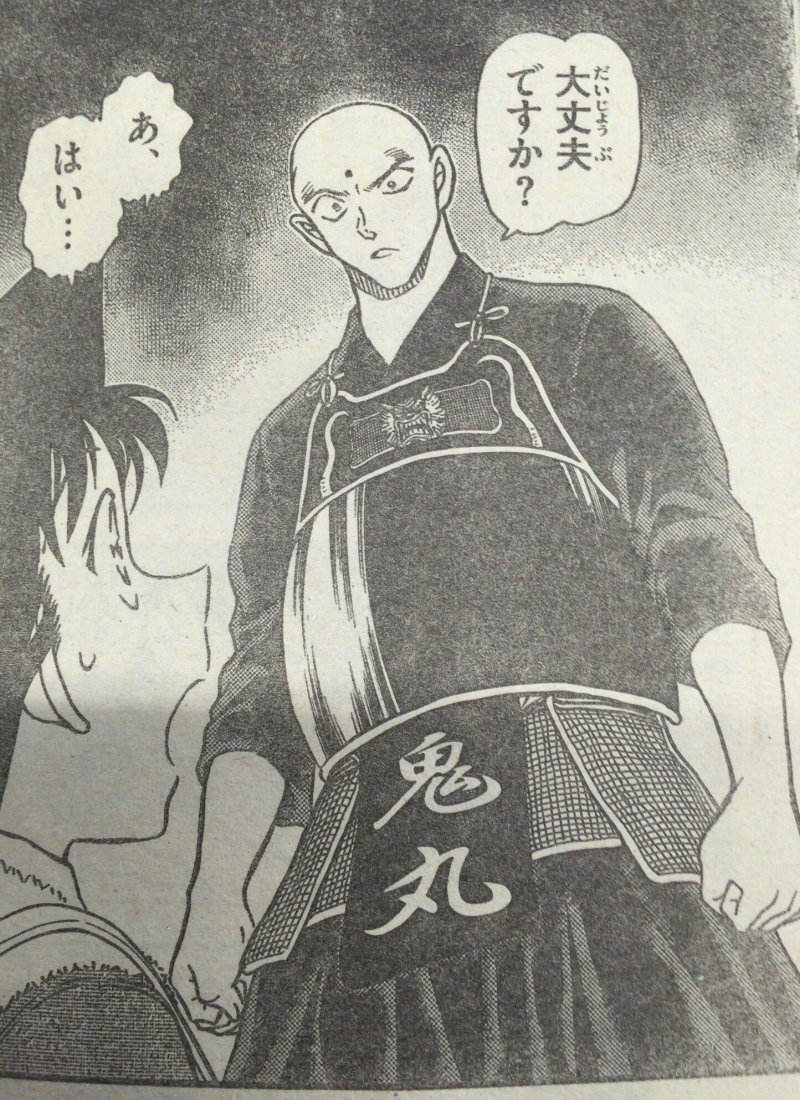
After the mid-1990s, directors adept at deconstructing and reassembling classic elements, such as Quentin Tarantino, rose to prominence in Hollywood. Starting in the 2000s, more film and television entertainment works began to use meta-techniques (such as breaking the fourth wall or incorporating current events) to establish connections with audiences beyond the work itself. Works like "Scary Movie," which lampooned major classic horror films, became hugely popular, thus revitalizing the parody film genre. In Japan, where entertainment awareness was relatively insular, "Detective Conan" became one of the representatives of this hybrid culture.
"Detective Conan" Shuichi Akai Image credit:Filmaga
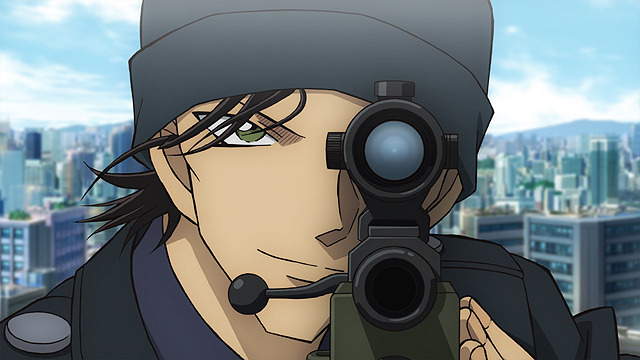
You can see the intricate connection between the character Shuichi Akai and his voice actor Shuichi Ikeda—Ikeda voiced Char Aznable in "Mobile Suit Gundam," and Shuichi Akai's character design is replete with allusions to Ikeda, Gundam, and Char. Audiences of a certain age, upon seeing the name of Conan's father, "Yusaku Kudo," immediately understand the intention for this character to draw inspiration from the classic series "Detective Story"—Yusaku Matsuda, who starred in "Detective Story," played a character named "Shunsaku Kudo" in the series.
"Detective Conan" began serialization in Shonen Sunday Comics, Issue 5, 1994. Image credit:ヤフオク!
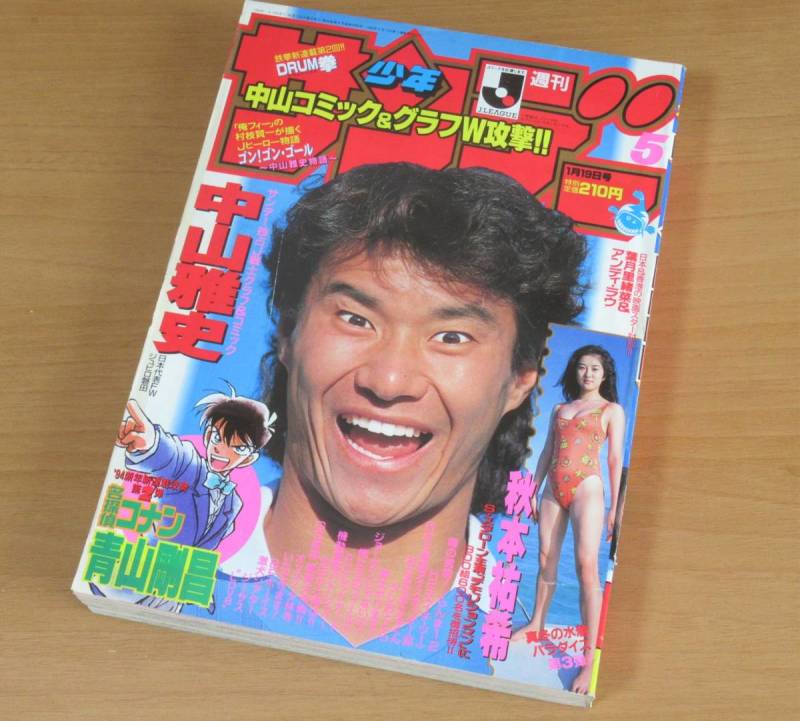
However, we can delve deeper into Gosho Aoyama's hybrid style: "Detective Conan" continues the diverse genre approach of "Yaiba." The original concept for this manga was simply to catch up with the detective manga trend sparked by "The Kindaichi Case Files," serving as an episodic detective manga.
But just as "Yaiba," which "paid homage" to "The Young Master," surpassed its inspiration, "Detective Conan" has gone even further than "The Kindaichi Case Files." It is no longer merely a simple everyday detective drama; this Conan universe continuously absorbs elements from other genres like espionage, action, and adventure, expanding its audience from children and adolescents to adults... Deduction is now just a small part of "Detective Conan."
This year's latest theatrical film, "Detective Conan: The Bride of Halloween" Image credit:東急ホテルズ
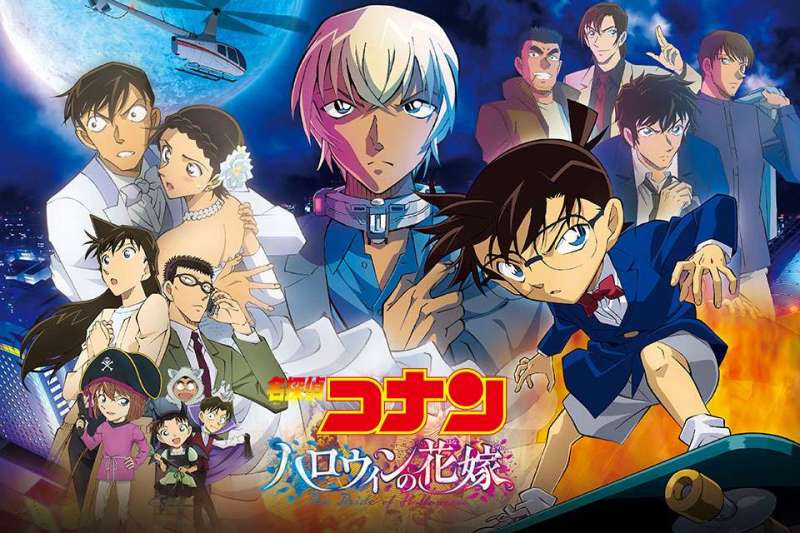
"I might become a manga artist specializing in detective themes in the future"—this ultimately wasn't a prophecy for Gosho Aoyama's entire career. Just as "Yaiba" wasn't merely a sword-fighting manga, Gosho Aoyama has become a manga artist skilled at gathering all streams of entertainment culture, then deconstructing and reassembling them. The Conan he creates can become "Die Hard," capable of staging "Fast & Furious" on the main streets of downtown Tokyo. Who says a detective can only sit in a rocking chair, puffing on a pipe? His independent, chuunibyou spirit can also be appreciated by the whole world.