

 (Image: Sony Pictures)
(This article contains spoilers.)
While I’m usually right there with everyone else mocking Sony’s Spider-Man Universe, I’ll be honest: the only entries I find truly, absurdly bad are the "Venom" films. That trilogy genuinely feels like it gave up on storytelling. In contrast, I actually found some enjoyment in "Morbius" and "Madame Web." I’d even say I liked the latter, particularly its exploration of the "part-sisters, part-mother-and-daughters" dynamic between Madame Web and the Spider-Girls. There’s a compelling maternal energy flowing through it, as these characters who have lost their own mothers find an emotional anchor in each other and in Dakota Johnson’s character.
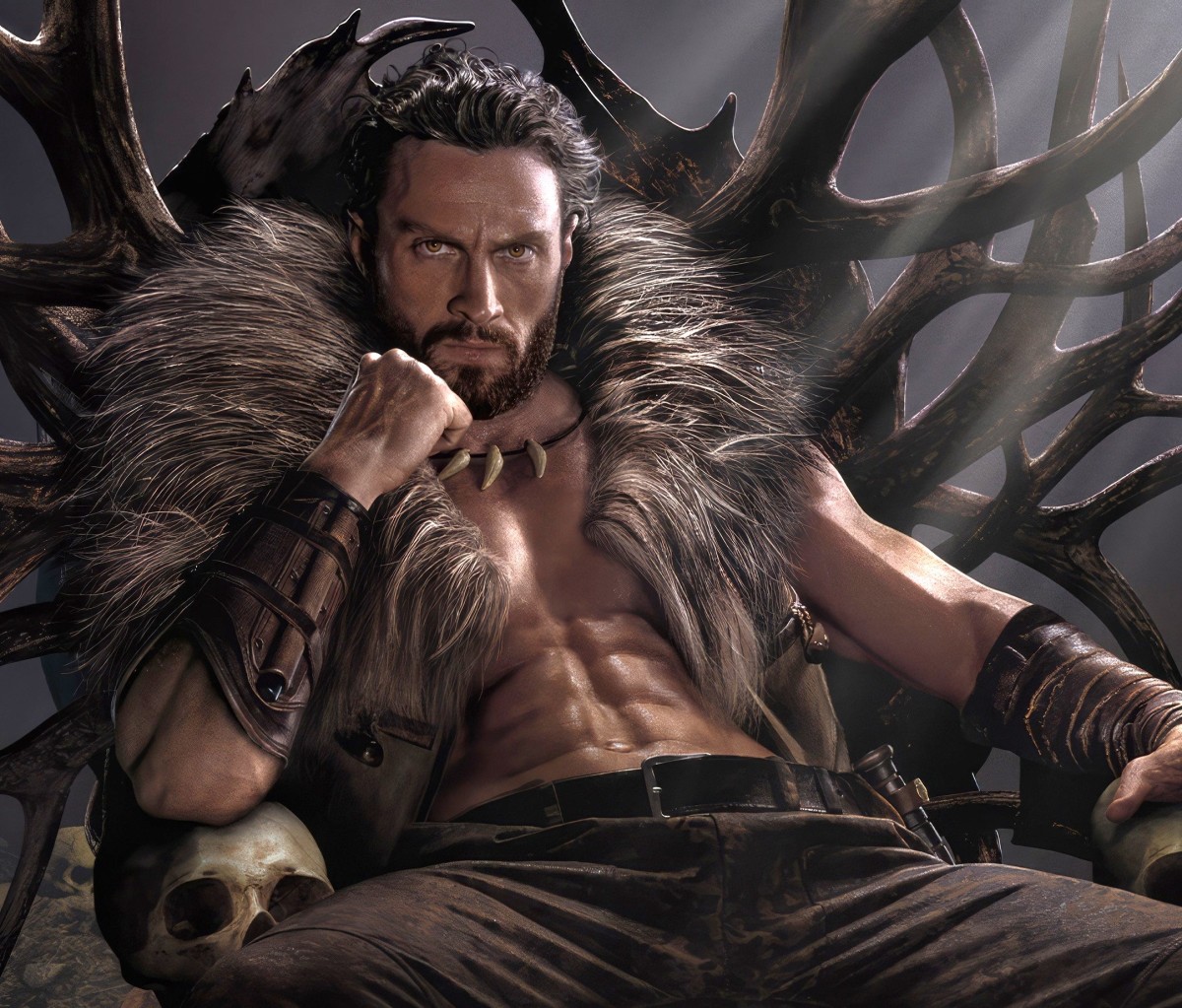
"Kraven the Hunter" falls into a similar category. I don't think it's a complete write-off; it has some genuinely interesting sparks. First off, many will likely claim the writers and director simply don't understand Kraven's essence, which is why the film is such a betrayal of the character's spirit. My take is the opposite. The filmmakers made such radical changes precisely because they were familiar with Kraven's comic book origins. They were able to deliberately subvert key aspects of his lore with pinpoint accuracy. This isn't something you can do without knowing the source material. They didn't misunderstand it; they just chose not to follow it.
(Image: Sony Pictures)
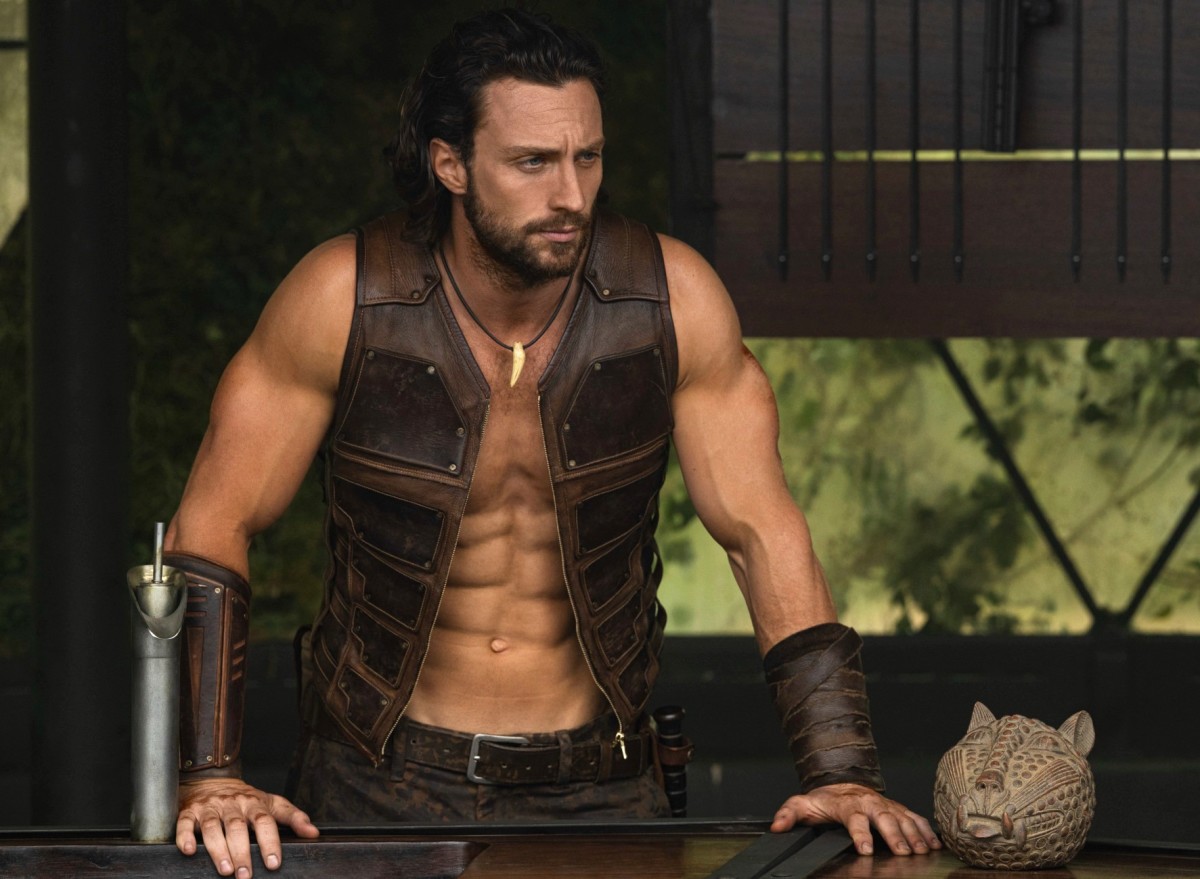
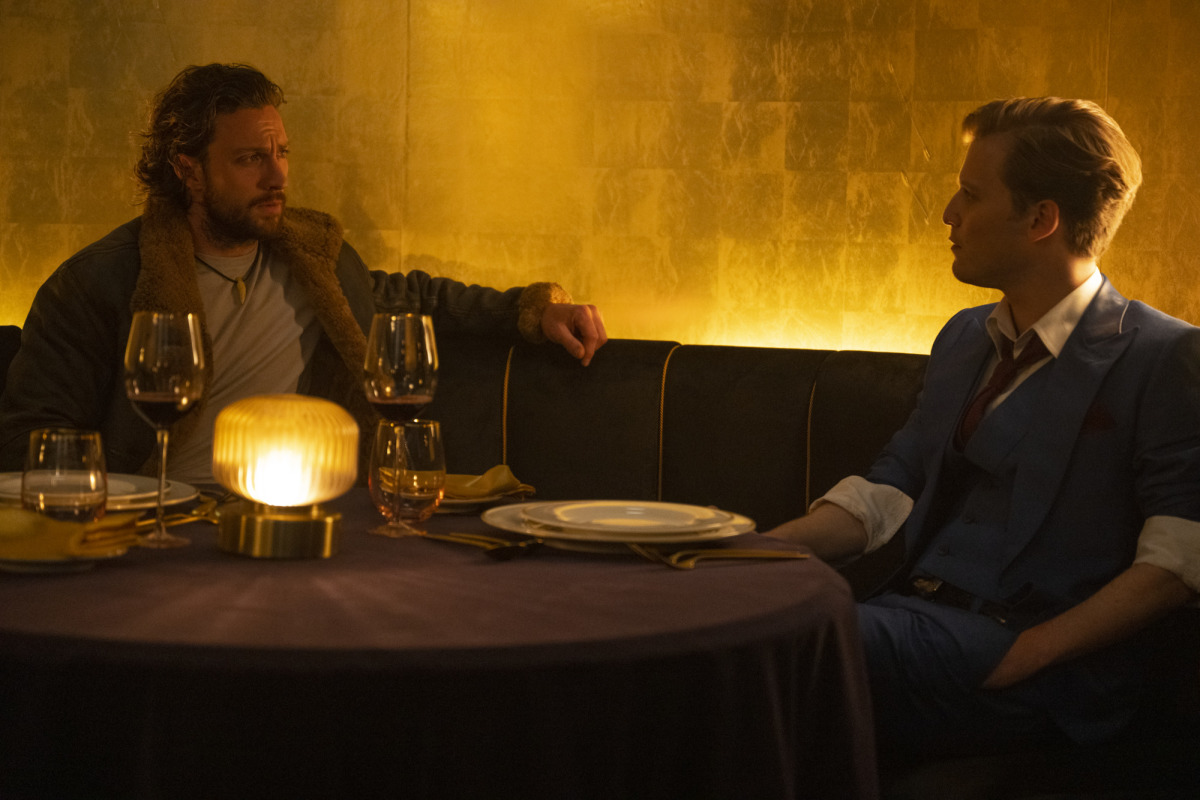
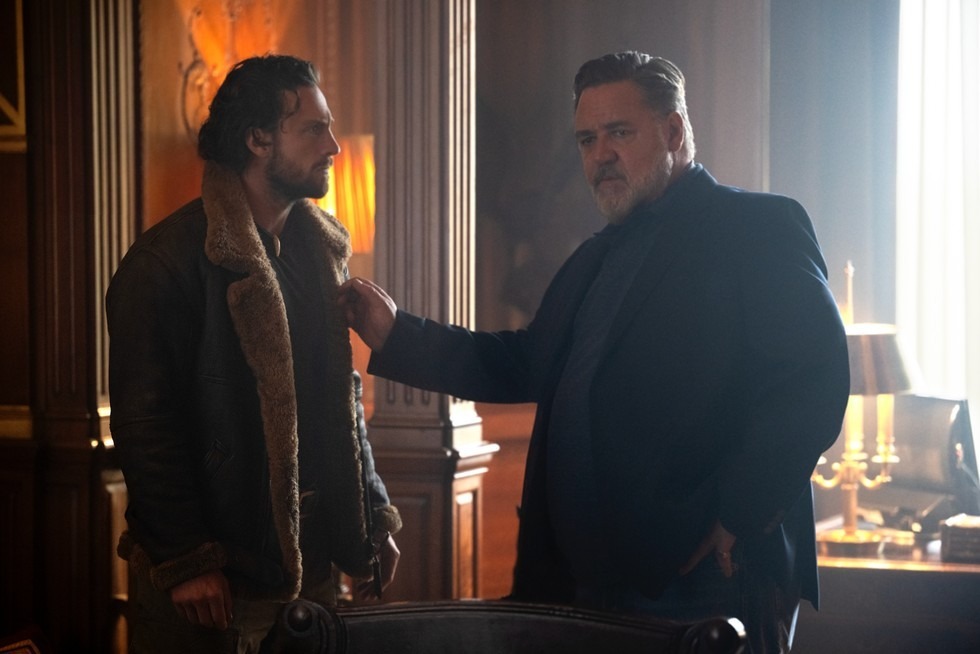
For instance, Kraven's on-screen relationship with his brother, Chameleon, and his father, Nikolai, more closely resembles Kraven's comic book dynamic with his two sons, Alyosha and Vladimir. In the comics, Kraven is the ruthless father who trains his sons without mercy. The film inverts this, making Nikolai the cruel patriarch, while Kraven becomes a composite of Alyosha and Vladimir. I liked this triangular dynamic, and the actors absolutely have the chops to pull it off. Russell Crowe’s Russian accent is impeccable, and he brings a captivating menace to the role of a cunning mob boss. Aaron Taylor-Johnson leverages his chiseled physique to embody the character's blend of elegance and savagery. And Fred Hechinger, a rising talent I’ve admired for years, subtly crafts Chameleon’s internal conflict between cowardice and the desire to prove himself.
But even the most capable actors can’t stitch a masterpiece from a tattered script. "Kraven the Hunter" seems cursed to inherit the same shoddy quality control that has plagued this universe for five films now. The script's logic is flimsy, while character motivations, plot points, and transitions are consistently awkward and disjointed. Even if the framework is sound, the substance within is rotten. The setup for the father and sons has potential, but the clumsy execution robs it of any power, preventing the story from reaching its intended emotional climax.
 (Image: Sony Pictures)
From the outset, the film tries to drill into the audience that Nikolai is a terrible father, but all I saw was a man trying to toughen up his eldest son, albeit strictly. You can see he’s a father who cares. While he clearly neglects his illegitimate son, Chameleon, Nikolai still acknowledges the boy's efforts to please him. At worst, he’s disappointed in Chameleon's cowardice and inability to protect himself or his father. Yet, Kraven despises him. And the last straw that drives him to run away? His father forced him and his brother to hunt? Is that really something to hold a grudge over into adulthood? Even if the magical African potion heightened his animal-rights consciousness, it still feels like a massive overreaction (and I won't even get into how nonsensical that potion's effects are).
Furthermore, the entire film desperately tries to convince us that Nikolai is irredeemably evil—so bad that his own son disowns him—but it only ever tells us this, never showing any truly depraved acts. Then, in the finale, it’s suddenly revealed that the entire plot was his own elaborate hunting trap designed to win back his son's heart. Again, I like the concept, but the execution is deeply flawed. Using his son as bait is ruthless, but it’s a gambit born from his absolute confidence in Kraven’s abilities. He knew Kraven would protect his brother and was certain things would go according to plan.
 (Image: Sony Pictures)
And what happens? Kraven flies into a rage and commits patricide. I get it—risking your son’s life and the lives of your underlings is crossing a line. But for some reason, I just couldn't empathize with Kraven's decision to kill his father. He could have been punished in the end, but patricide? The weight of that hatred never lands. For one, Nikolai wasn't established as evil enough. For another, the film makes Nikolai—and Crowe's performance—so damn cool that I didn't want to see him killed by his own son. I'm not even sure who's more vicious, Kraven or Nikolai. Was this meant to be a "Godfather"-style ending, showing Kraven becoming the very man he hated? If so, the tragic weight is completely absent. I understand the intent, but the flavor just isn't there.
The movie is full of these could-have-been-great moments that were somehow fumbled. The connection between Calypso and Kraven, for example, should have been built with a sacred, ritualistic feel to convey the wonder of their meeting. Instead, Kraven basically just says, "Oh hey, there you are," and starts pitching his life story moments later. Chameleon's turn to villainy is also incredibly abrupt due to a lack of groundwork. He claims his kidnapping ordeal changed his outlook, but we never see that transformation happen. We never see him develop any ambition for his father's empire. Yet, all these reversals suddenly click into place in the finale. His discovery of the patricide and his turn against Kraven happen so fast it feels like an entire movie was skipped in between.
(Image: Sony Pictures)
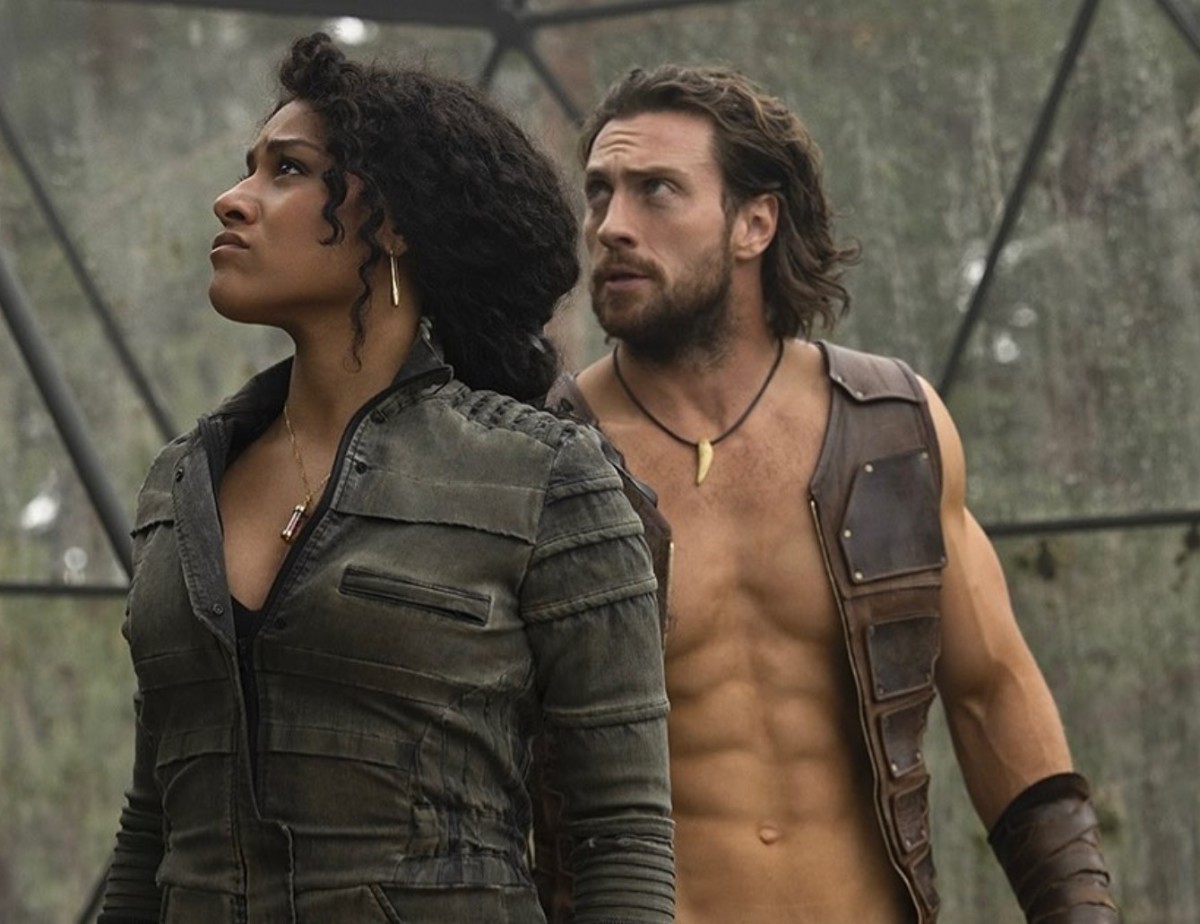
Another major missed opportunity is the film's failure to capture Kraven's "spiritual" connection with nature. This is a crucial element, practically the soul of the character, but it's handled in a soulless manner. The movie is too focused on depicting Kraven's brutal skills, losing sight of the force that should underpin that brutality. Simply showing him climbing trees quickly and wrestling a leopard is far from enough. It’s all superficial. This is why my perception of Kraven was so conflicted; I found myself simultaneously thinking, "Taylor-Johnson is so damn cool," and "This character's powers are so damn stupid." It’s because that spiritual element is missing. Without it, there’s no believability, and without believability, the audience can't take it seriously. Adding that spiritual dimension would have elevated the film decisively.
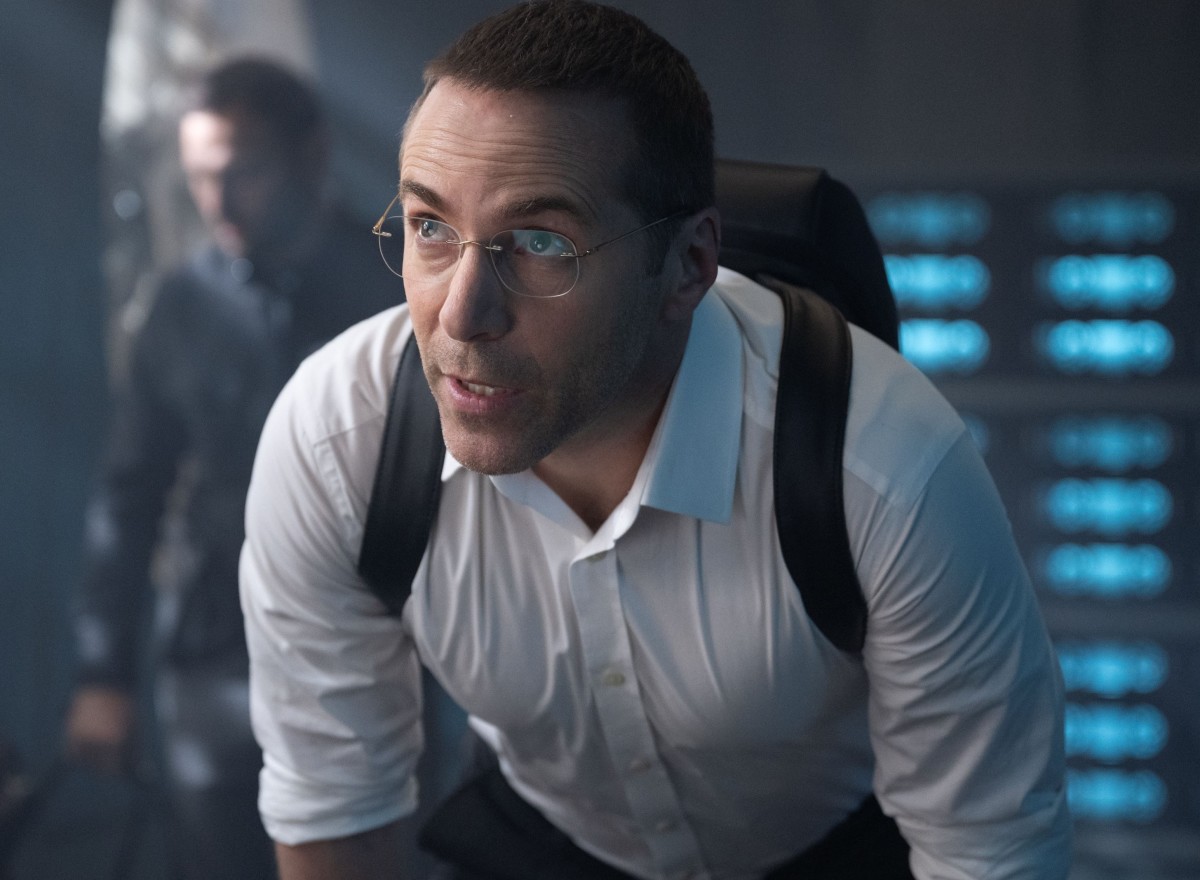
Unfortunately, "Kraven the Hunter" wastes a wealth of talent, including Crowe, Hechinger, Taylor-Johnson, and Ariana DeBose. (Christopher Abbott as The Foreigner and Alessandro Nivola as Rhino fare better, as they’re just having fun playing charismatic villains). It's not that these actors give bad performances; it's that the script is so unworthy of their skills that it creates a bizarre, jarring contrast—a dissonance you might mistake for them acting poorly.
 (Image: Sony Pictures)
And yet, all of the above issues are relatively mild compared to the rest of Sony's Spider-Man Universe. In comparison, "Kraven the Hunter" feels more earnest in its attempt to tell a story than any of its predecessors. It looks the most like a "normally functioning" commercial blockbuster. Of course, intention is one thing, and execution is another. But there is one area where "Kraven" falls to the back of the pack: its world-building for superhumans. Every powered individual in this film appears so randomly. They just show up, and getting powers is as easy as a trip to the pharmacy—just see the same doctor for surgery. The explanation is so lazy, assuming the audience is already accustomed to superhero tropes and won't ask questions. But the level of laziness here is almost breathtakingly hilarious.