

It's been over 50 years since its debut, but Riyoko Ikeda's classic shojo manga, The Rose of Versailles (Berusaiyu no Bara), is still making waves. Last July, fans were floored by the bombshell announcement that MAPPA would be producing an "all-new" theatrical anime film, set to hit theaters on January 31, 2025.
Now 77, Riyoko Ikeda recently sat down for an exclusive interview with Japanese outlet Oricon News to discuss the changing times since the manga's serialization, the social phenomenon sparked by the Takarazuka Revue adaptation, and her thoughts on the creative process.
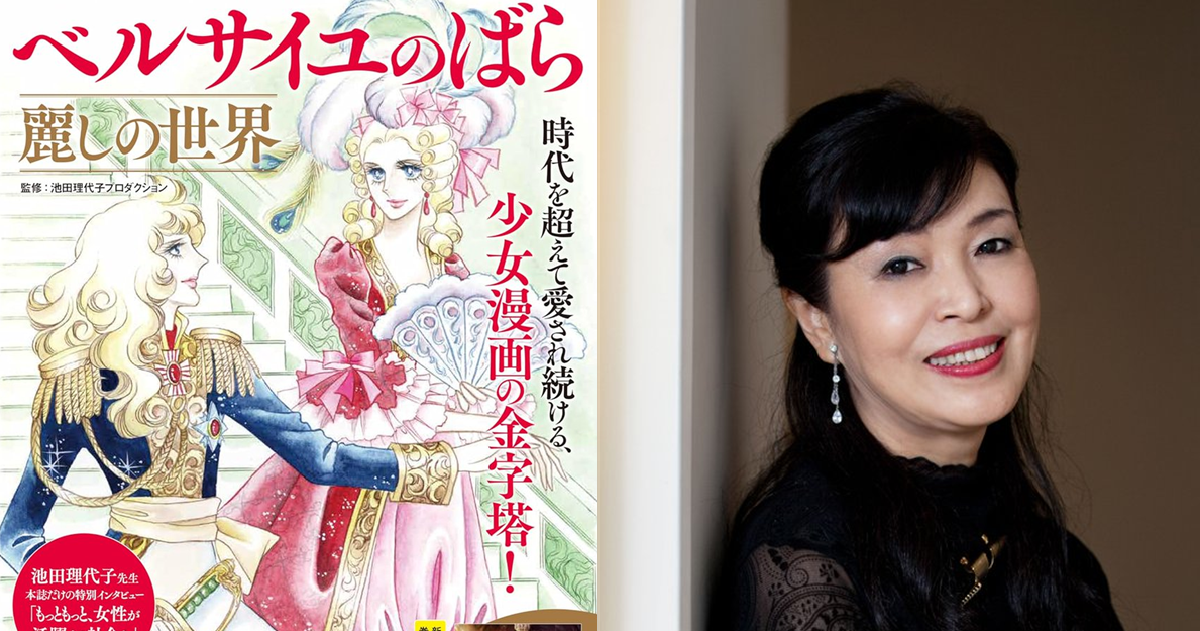
Here are the highlights from the interview:
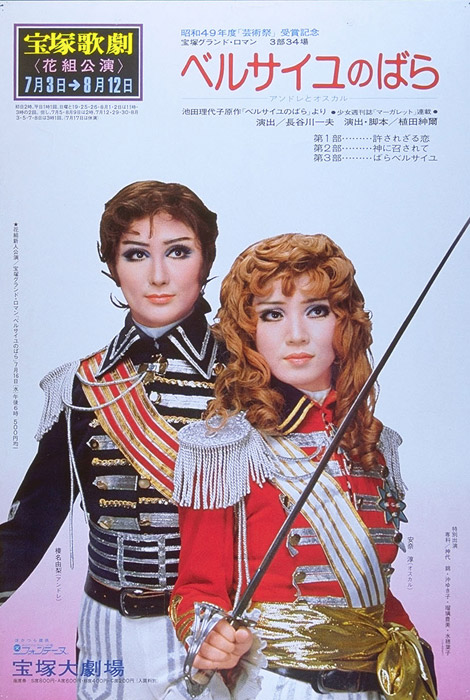
Interviewer: The Rose of Versailles has been beloved for over 50 years, but it's surprising that its original run was only two years long. Back then, unlike today's trend of popular manga getting quick anime adaptations, the first media adaptation was a Takarazuka Revue stage play.
Ikeda: It was definitely a very unusual case at the time. I remember when the Takarazuka Revue approached me with the offer, I was both excited and terrified. "What if it's a failure?" I was on edge right up until the premiere. I still remember that Yuri Haruna, the first actress to play Oscar, also said, "I was so nervous until the curtain went up."
Interviewer: But the first Takarazuka adaptation of The Rose of Versailles in 1974 was a massive hit, becoming a social phenomenon. Is it true that you were traveling abroad with a manga artist friend and were swarmed by reporters at the airport upon your return, which is when you truly realized the series' impact?
Ikeda: Yes, that's a fond memory (laughs). When I got back to Narita Airport, a foreigner came up to me and asked, "Are you an actress?" I asked why, and they replied, "There are so many TV cameras here, and they're all for you!" That was the first time anything like that had ever happened to me. It was in that moment that I truly felt how much The Rose of Versailles had blown up thanks to the Takarazuka Revue.
Interviewer: Your work notably features Oscar, a character who is female but lives as a "man." During an era with a much more significant gender gap, women had limited opportunities in society, and there was even pay inequality. Now that times have changed, do you feel women's social standing has improved? What did you hope to convey through your work?
Ikeda: The gender gap has certainly narrowed compared to the past, but Japan still has a long way to go by global standards. However, I do feel that the younger generation is becoming less accepting of these old ideas.
But back when I was serializing the manga, women rarely even had opportunities for promotion. I also experienced being paid only half of what my male counterparts earned. I once questioned it, asking, "We're serialized in the same magazine and have similar popularity, so why is my salary only half of a man's?" The response I got was unforgettable: "Men have to support a family, while women are meant to be supported by men, so it's only natural for men to earn more."
That kind of thinking was incredibly common back then. The Rose of Versailles wasn't intentionally created to promote feminism; it came from things I personally wanted to express. However, because I questioned these injustices, I was seen as "different," and some even called me "weird." Looking back now, maybe that's what allowed me to stay true to myself.
Interviewer: After half a century, The Rose of Versailles continues to attract readers from different generations. What do you think is the secret to its appeal?
Ikeda: Readers from every generation probably resonate with different aspects of the work. For example, younger readers might be drawn to the characters' gorgeous costumes, while older readers might better understand their love and struggles. People who have had similar experiences might connect more deeply with the characters' inner worlds.
Interviewer: What are your expectations for the new movie?
Ikeda: This new theatrical anime has a woman directing (Ai Yoshimura) and a woman writing the screenplay (Tomoko Konparu). The production team spent nine years on this project, and I'm deeply moved to see this work adapted again in the Reiwa era.
I was only 24 when I created The Rose of Versailles. Now, I'm at an age where I'm thinking about "how to accept death." After watching this new anime, I'm more certain than ever that I've always stayed true to my beliefs, and I hope this film will encourage audiences to trust their own choices and follow their own paths.
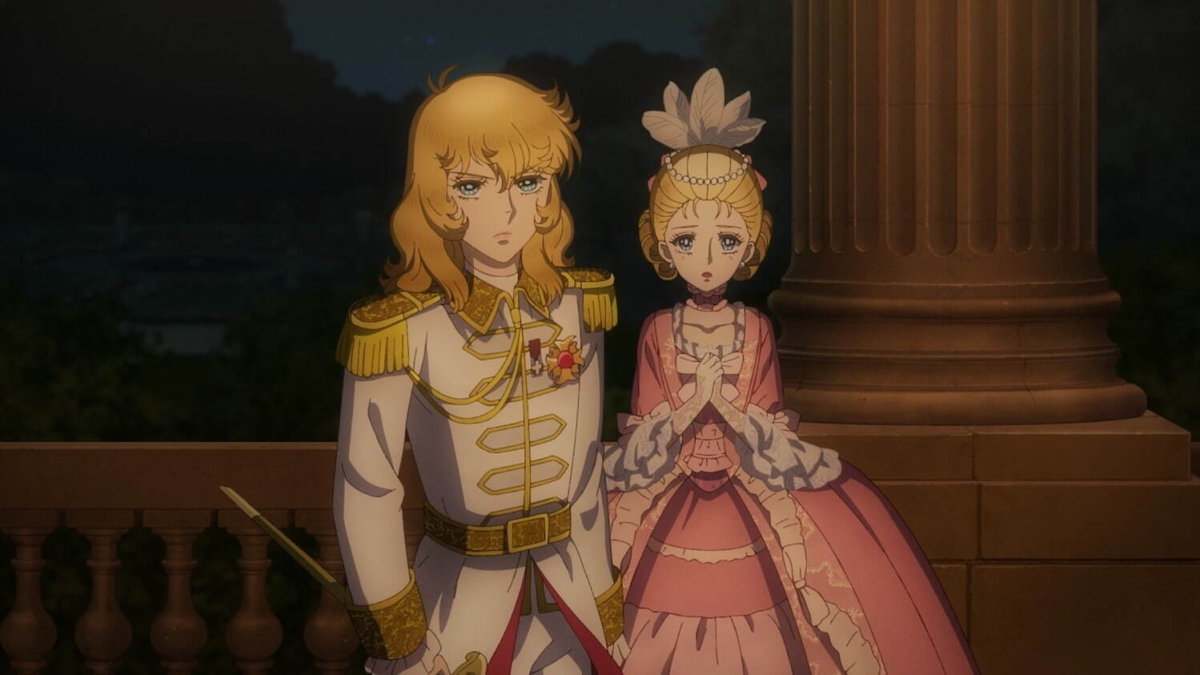
Seeing such a legendary series return to the big screen in this era is a truly epic revival. The film is confirmed for a January 31 release in Japan, and fans worldwide will have to stay tuned for news on when it will hit a theater near them.
via: Oricon News