

GungHo, the Japanese developer behind hit titles like "Puzzle & Dragons," "Summons Board," and "Princess Punt Sweets," and even the operator of "Ragnarok Online," is facing a major shake-up. Despite decent earnings, reports indicate that at a recent shareholder meeting, major investor Strategic Capital launched a shareholder proposal, challenging the company's operational efficiency, what they deem an excessive CEO salary, and its dividend policy, demanding significant reforms.
Strategic Capital highlighted that GungHo's operating profit in fiscal year 2023 plummeted by approximately 70% compared to 2014. Yet, CEO Kazuki Morishita's salary surged by about 2.8 times, reaching 340 million yen – a figure comparable to Nintendo's CEO. The investor deemed this compensation structure unreasonable.
Furthermore, since the 2012 launch of "Puzzle & Dragons," GungHo has poured over 100 billion yen into developing roughly 20 new titles, yet has consistently failed to create another blockbuster hit. Shareholders also criticized GungHo's excessive cash reserves, arguing it fosters a lack of urgency in management. Strategic Capital is therefore demanding increased shareholder dividends to encourage more proactive business operations.
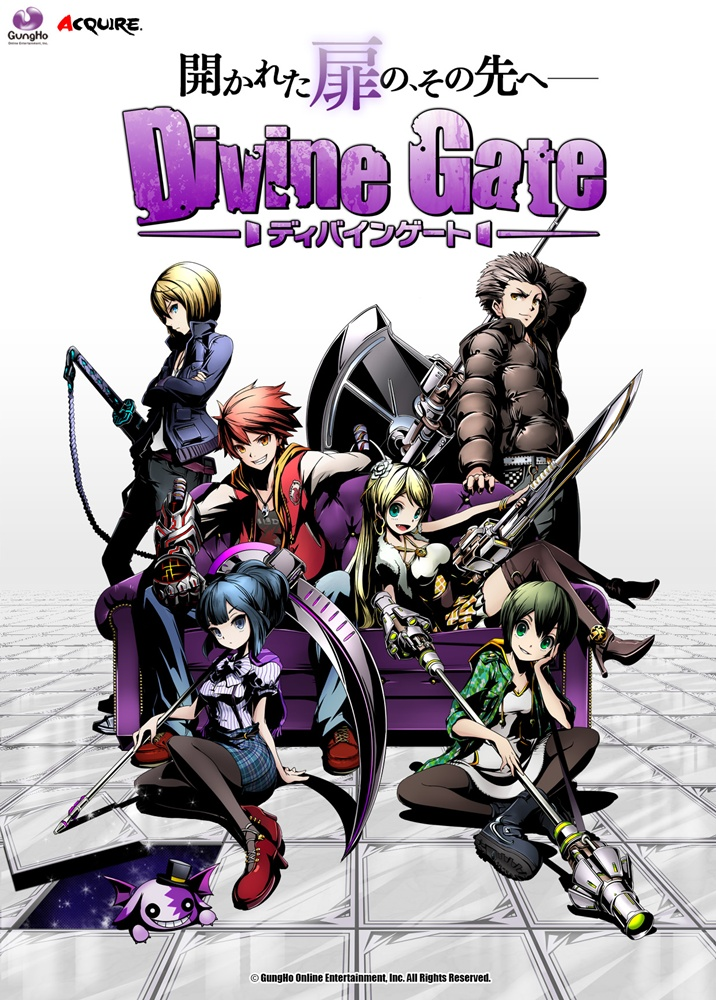
▼ GungHo's "Divine Gate," launched in 2013, quietly ceased operations in 2018, just one of many titles that failed to break into the mainstream market.
Over the past decade, GungHo's total shareholder return has been the only one among major Japanese game companies to show negative growth. Despite this, the CEO's salary is on par with Nintendo's CEO, whose company boasts over ten times GungHo's profit levels. The shareholder proposal suggests reducing the CEO's fixed salary and strengthening performance-linked compensation.
With GungHo's cash reserves reportedly soaring to 140 billion yen, the company could sustain operations for another decade even without a new major hit. This has led to accusations of the company being "too complacent." Shareholders are demanding higher dividend payouts to reduce idle cash and a more dynamic game management strategy to ensure more efficient development.

In its early days, GungHo primarily focused on MMOs, operating on a much smaller scale than today. After 2015-2016, GungHo's market capitalization and profits stabilized, without a continuous decline. Comparing current figures solely to its 2014 peak might be an oversimplification.
The over-reliance on a single popular game is a widespread phenomenon across the entire gaming industry, not exclusive to GungHo. However, unlike other game companies that can regularly release new titles through traditional console games, GungHo must continuously develop new IPs. The gaming industry itself is a high-risk gamble with an extremely low success rate, making the creation of even one iconic game a significant achievement.
This news has sparked considerable discussion among Japanese gamers. How GungHo will address these shareholder concerns and what changes or strategies they will implement next remains to be seen.
Note: Financial figures and earnings forecasts should be confirmed through the company’s official announcements.
via: Business Journal