

Microsoft has long expressed its intent to actively pursue a "multiplatform strategy" through its subscription service, Xbox Game Pass. This involves releasing several of its first-party titles, including "Forza Horizon 5" and "Indiana Jones and the Great Circle," on PlayStation 5, with a future focus on the digital games market.
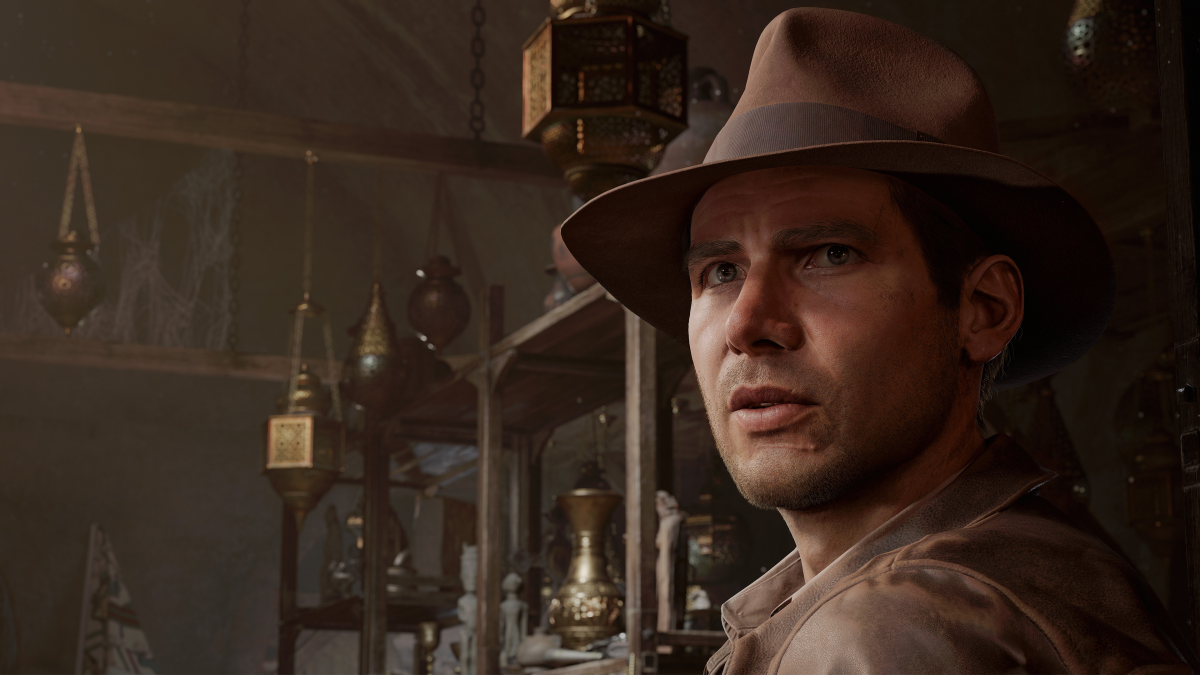
This move by Microsoft, coupled with recent layoffs and the complete closure of its physical game development department, has led to speculation that the company might be abandoning the console exclusive market. Former PlayStation Worldwide Studios Chairman Shawn Layden recently discussed Microsoft's direction in the gaming industry on the YouTube channel "Kiwi Talkz."
Layden suggested that while Microsoft's shift could lead to a successful transformation akin to SEGA's, it would also significantly diminish Xbox's unique selling proposition in the gaming market.
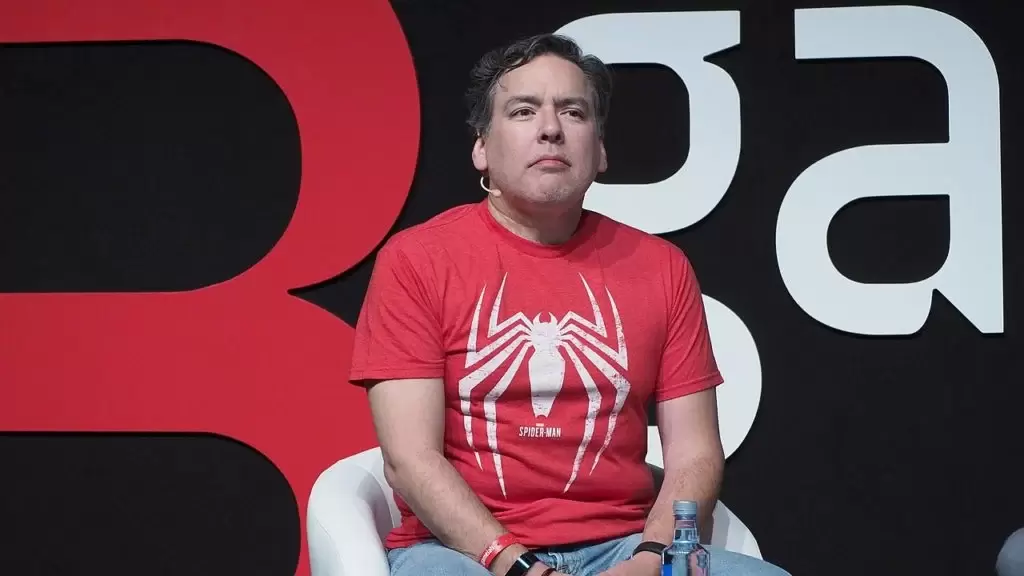
"Multiplatform is certainly a marketing strategy, especially in an era where development costs have risen sharply," Layden noted. "For Microsoft, this might be a way to increase revenue, but it also impacts the brand's market positioning." He pointed out that if games are no longer exclusive to Xbox, Microsoft will struggle to leverage "fear of missing out" (FOMO) to entice players into buying an Xbox console.
"If games can be played on any platform, then Microsoft can no longer use marketing tactics like 'only on Xbox can you experience this' to attract consumers," Shawn Layden stated.
SEGA's Legacy Revisited
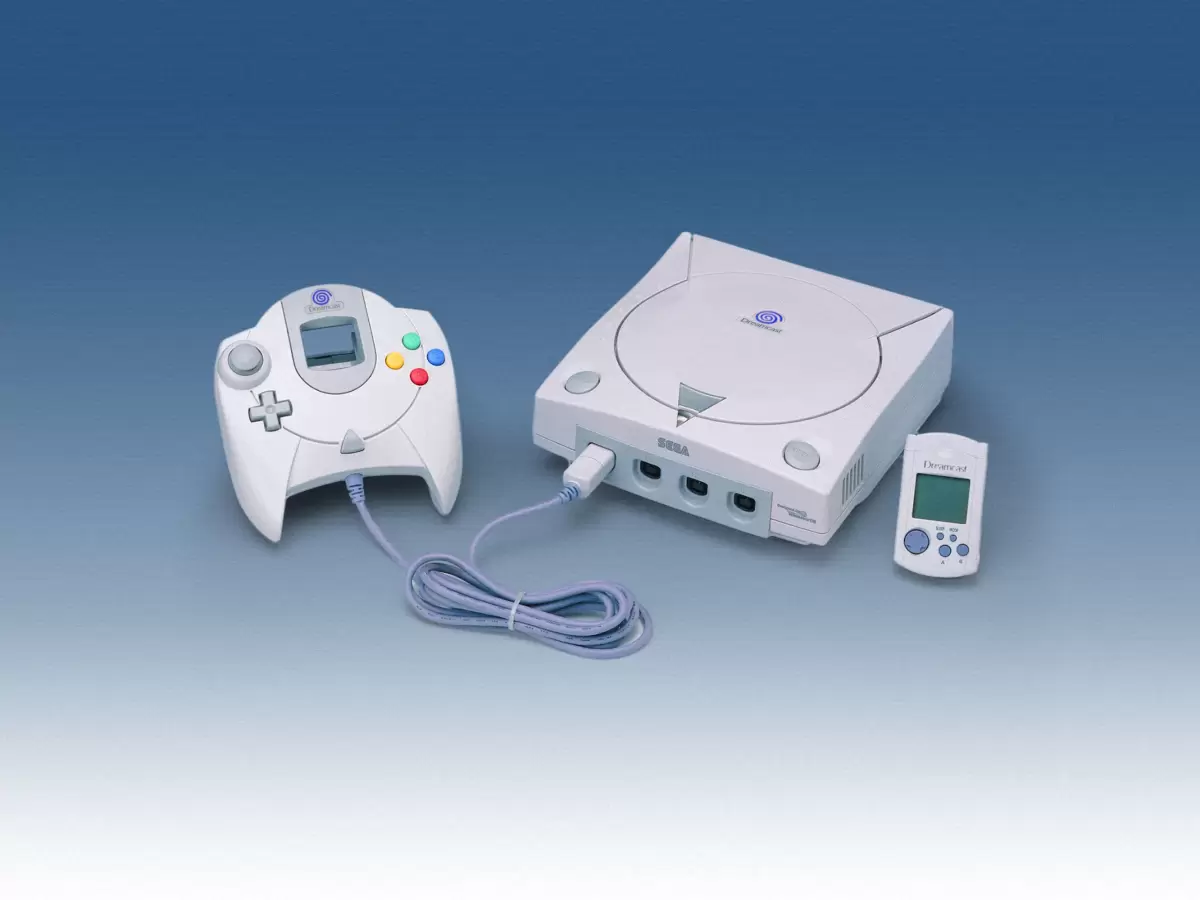
Layden drew parallels to SEGA's experience with the Dreamcast. He recalled that SEGA launched its last classic console, the Dreamcast, in 1998, ultimately exiting the console hardware market in March 2001.
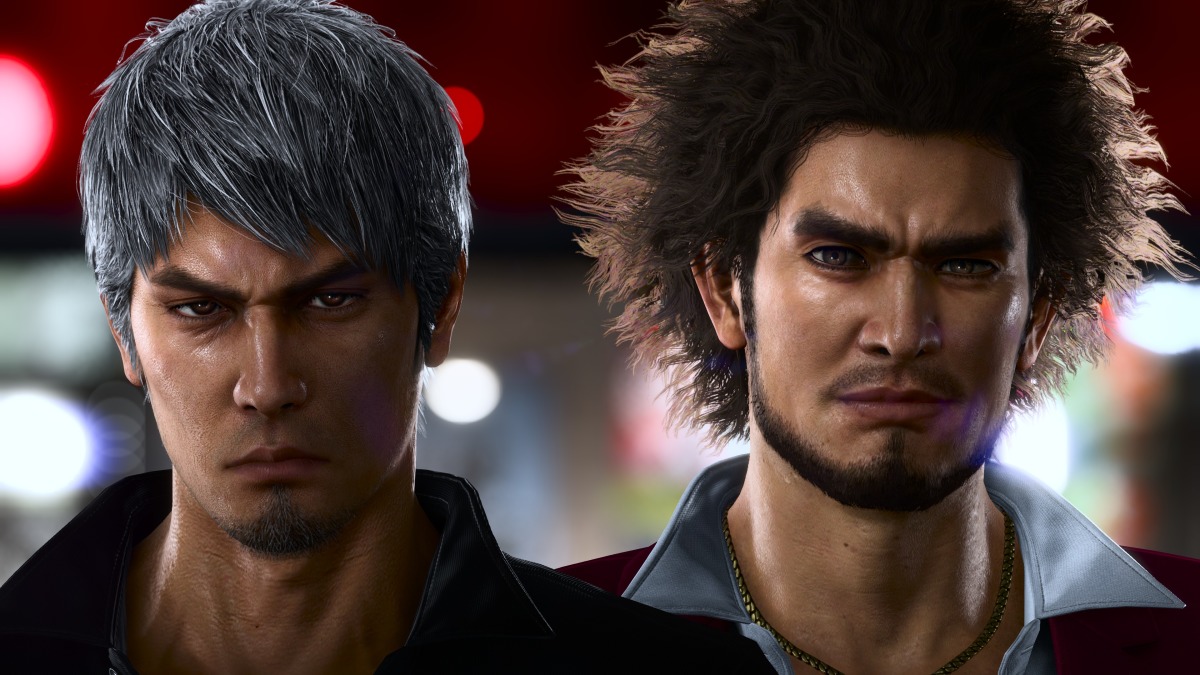
Following this, SEGA began releasing its games on other platforms. Despite some ups and downs, the company, through its development team Atlus, has developed numerous highly-rated Japanese RPGs over the past decade. It also achieved significant success with the "Yakuza" series (known in Japan as "Ryū ga Gotoku") and saw impressive cross-media performance with its classic IP, the "Sonic the Hedgehog" series.
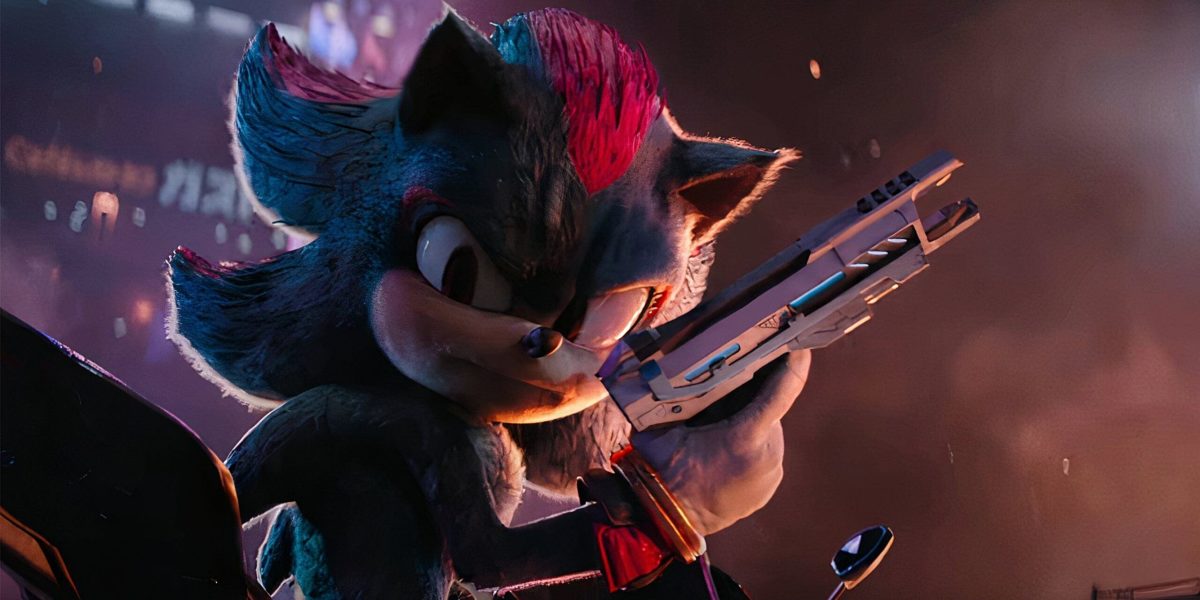
Layden commented, "We've seen similar transitions in the past. I remember when I was still in the industry, SEGA ported Dreamcast-era games to the PS2. Eventually, SEGA successfully transitioned into a pure game software company, so there's certainly a precedent here."
Beyond Layden, former PlayStation VP of Third-Party Relations Adam Boyes also weighed in on Xbox's new direction, suggesting that Microsoft's role has evolved into an "entertainment provider," moving beyond being merely a "disc manufacturer and publisher." He likened this shift to "PlayStation being like HBO," "Microsoft like Netflix," and "Nintendo like Disney," indicating that each company is pursuing distinct development paths.
For Xbox players, this transformation could mean that their exclusive games may no longer be truly "exclusive." However, it also presents an opportunity for more players to experience Microsoft's game content. As the gaming industry continues to evolve, whether Microsoft will fully follow SEGA's path remains to be seen.
via: Kiwi Talkz@YouTube