

Japan boasts a fantastic array of public transportation options. While trains are the go-to for many, buses are a popular choice, especially for long-haul journeys where budget is a key factor.
Recently, Japan's Ministry of Land, Infrastructure, Transport and Tourism (MLIT) unveiled new safety guidelines to promote "sleeper night buses" – those with fully flat-bed seats. These buses aim to offer a comfier ride for long-distance travel. With hotel prices skyrocketing, many young fans embarking on "oshi-katsu expeditions" (traveling across cities to support their favorite idols or anime characters) are turning to night buses to save on accommodation. It's no wonder these services are gaining traction! 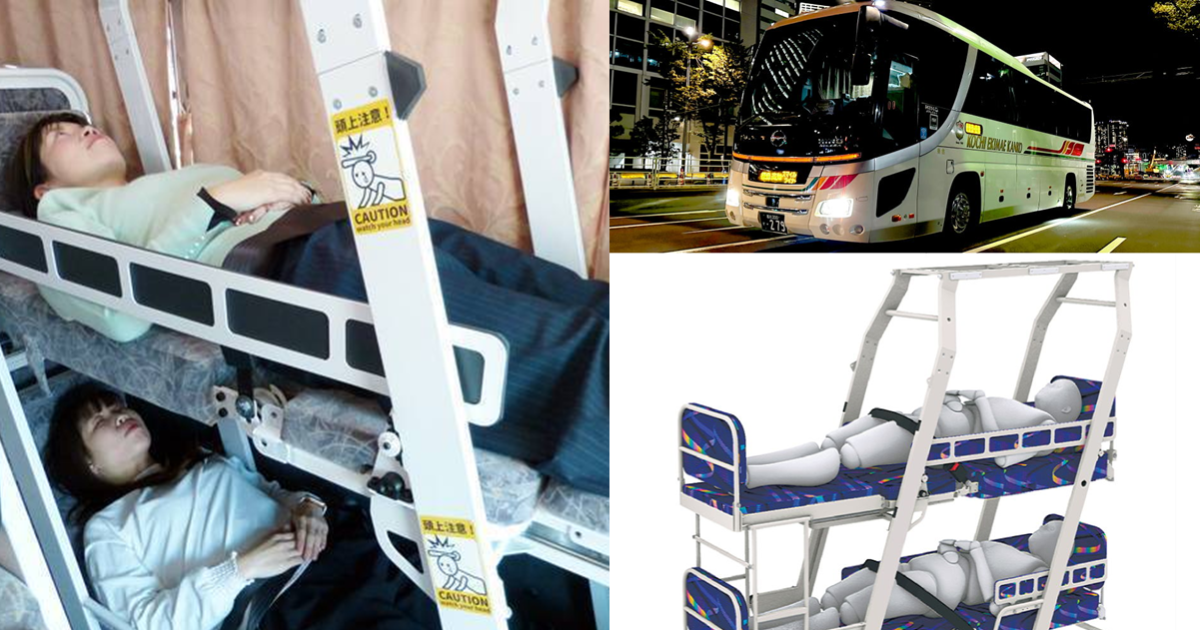
Now, fully flat-bed sleeper buses are actually quite common in Southeast Asia and China. However, Japan's notoriously strict bus safety regulations have long prevented their widespread adoption. But with growing demand for more comfortable overnight options, the MLIT has finally laid out safety guidelines for these "fully flat-bed seat buses." The first batch is set to kick off trial operations in March, running on the Kochi-Tokyo night express bus route, starting from Kochi City in Shikoku.
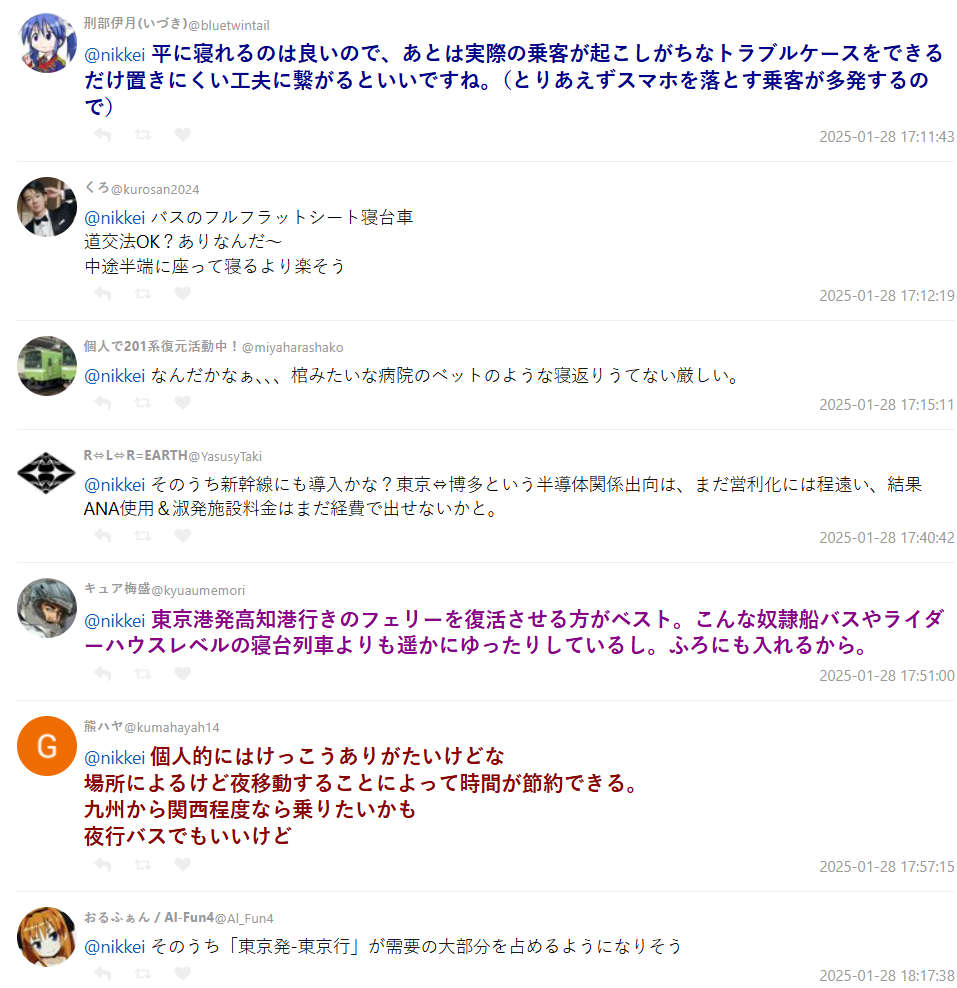
While many netizens are stoked about the flat-bed option, especially frequent night bus users who expect a much better experience, others can't shake the feeling that the design looks a bit like a coffin. The inability to turn over, they worry, might make for a restless night. Plus, for now, it's only available for "Tokyo routes," which is a bummer for those hoping to use it for "oshi-katsu expeditions" to other regions. Hopefully, more destinations are on the horizon!
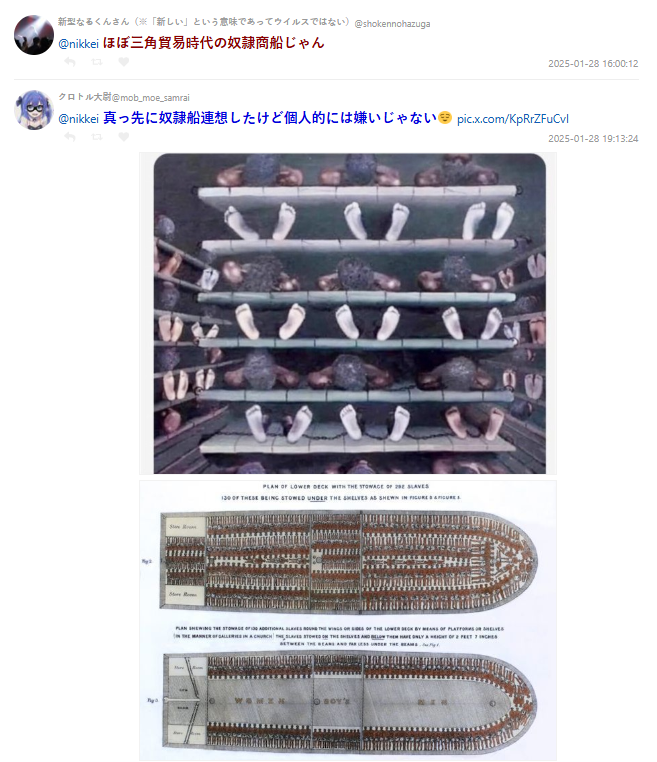
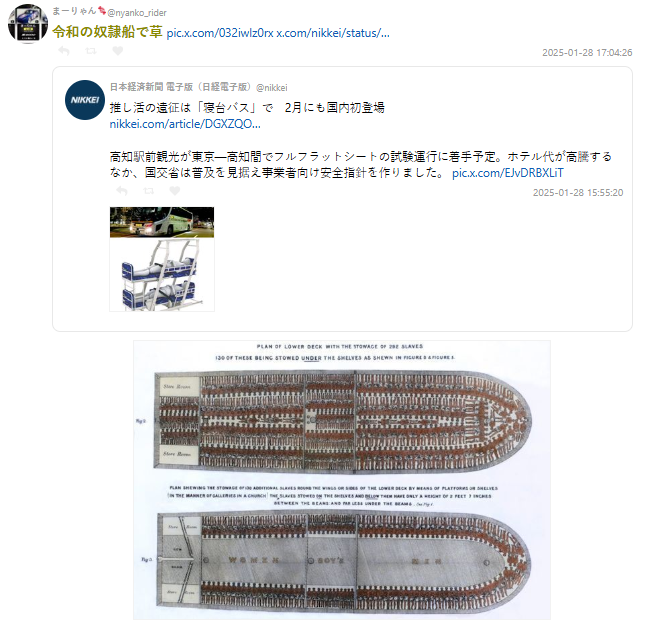
One netizen even went as far as to compare them to the "slave ships" of the 17th-18th century transatlantic trade. While not entirely against the idea, they admitted the thought was a little unsettling.
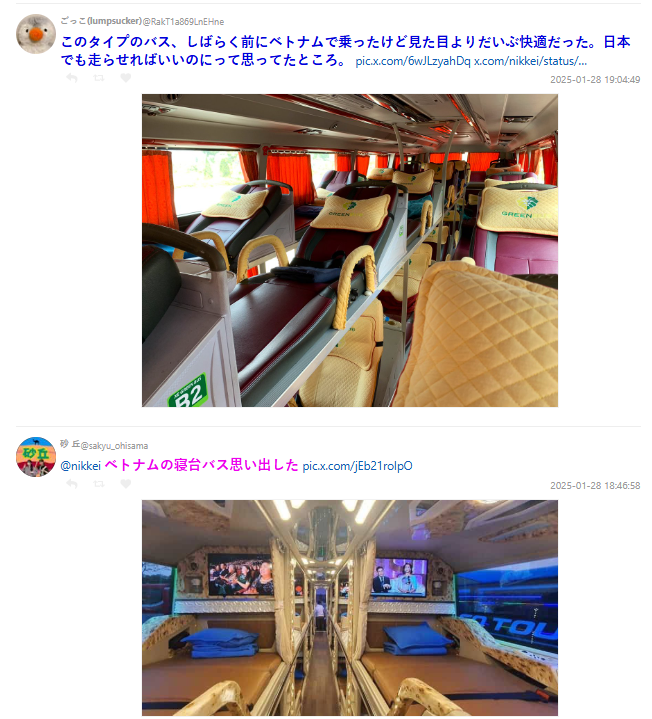
Other commenters suggested looking to Vietnam's sleeper buses for inspiration, noting their comfort and suggesting Japan could definitely do better.
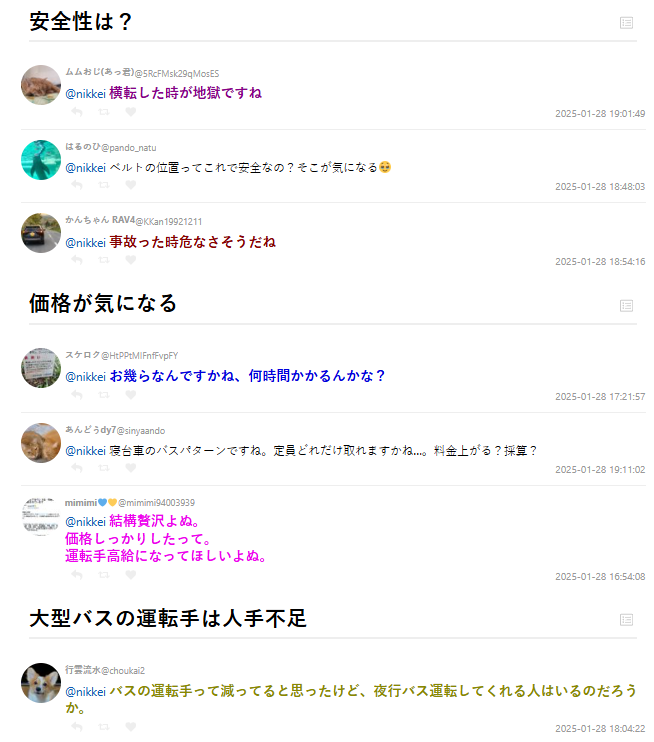
Safety is another big concern, with fears that a rollover accident could lead to far more severe casualties. There are also questions about whether the price will maintain the night bus's usual cost advantage, and with Japan already facing a severe shortage of bus drivers, whether there will be enough specialized drivers for these new vehicles remains a major hurdle.
Ultimately, this new option clearly caters to a demand among some Japanese travelers. However, the real challenge will be striking the right balance between comfort, safety, and affordability to ensure its successful rollout.
via: posfie