

In recent years, the Japanese anime industry has been on an absolute tear, expanding its global footprint and flexing its soft power. Fueled by a pandemic-era surge in demand, the international market has become more lucrative than ever.
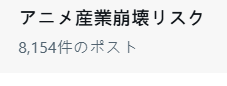
But a February 14th report from Bloomberg Japan paints a grim picture behind the industry's dazzling success. While the world can't get enough anime, the systemic exploitation of entry-level voice actors, animators, and other creators remains completely unresolved. The situation is so dire that the term "アニメ産業崩壊リスク" (Risk of Anime Industry Collapse) began trending on X in Japan shortly after the article's publication.

▼ "Risk of Anime Industry Collapse" hits the trending topics on X in Japan.
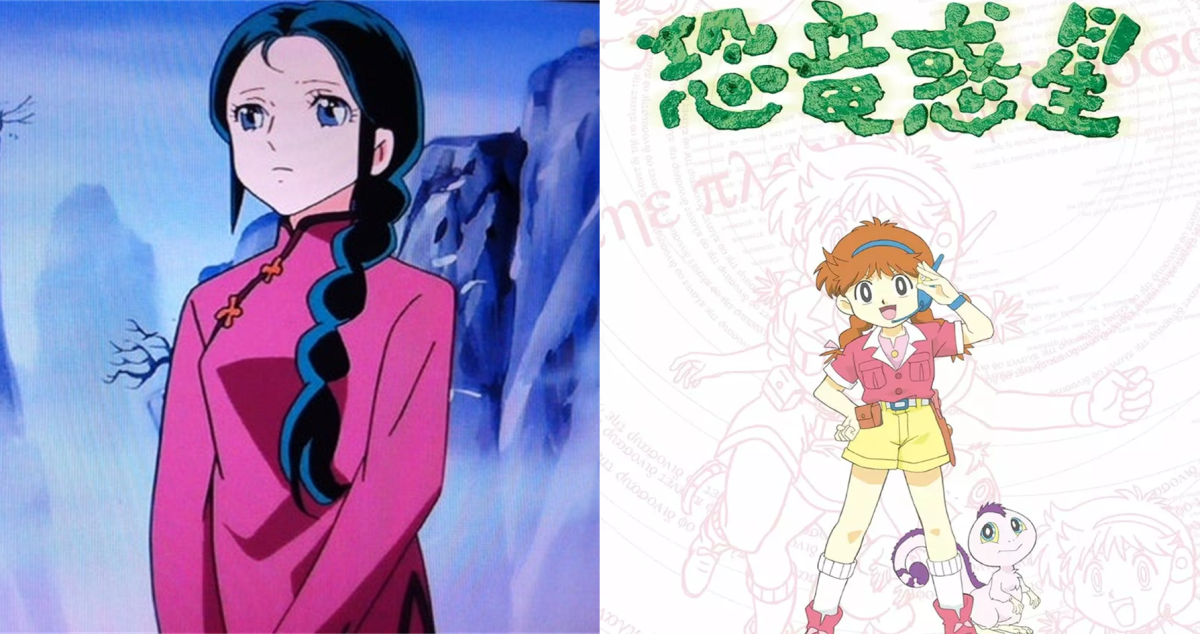
The report highlights the story of 60-year-old voice actress Yumiko Shibata, known for her roles as Moe in Dinosaur Planet and Shunrei in Saint Seiya. Back in the 1990s, even with over a decade of experience, her income never saw a significant increase, averaging only about 5,000 JPY per day. She was forced to work as a voice actress by day and at nightclubs in Roppongi and Ginza by night just to make ends meet, eventually leaving the industry for other work.
Today, global megahits like Demon Slayer: Kimetsu no Yaiba and Jujutsu Kaisen have propelled the anime industry to new heights. According to the Association of Japanese Animations, the market size reached 3.3 trillion JPY in 2023, more than doubling in a decade. However, these massive profits are not trickling down to the creators on the ground floor. A 2022 survey by the Japan Animation Creators Association revealed that animators aged 20-24 earn an average of just 1.97 million JPY per year. While an improvement from 1.55 million JPY in 2018, it's still far below the 3.5 million JPY average for their peers in Tokyo and less than half the average salary of an animator in the United States.
The industry's harsh working conditions are becoming impossible to ignore. Bloomberg interviewed over 20 industry insiders, uncovering rampant issues beyond low pay, including excessive hours, delayed payments, and a lack of formal contracts. Last May, the UN Human Rights Council pointed to problems of overwork, low wages, and unfair contracts in Japan's anime sector. Pichamon Yeophantong, who led the investigation, stated in an interview, "If the exploitative working environment is not addressed, the anime industry could collapse."

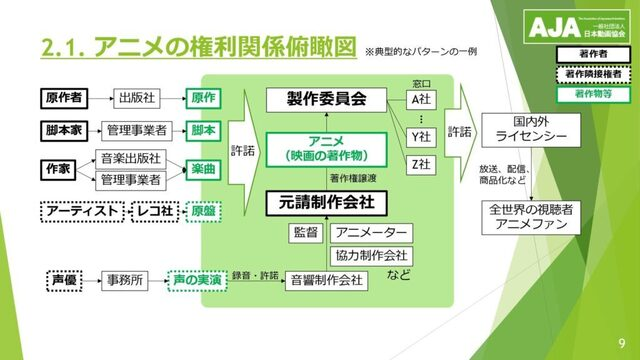
Japan's TV anime history dates back to 1963's Astro Boy. At the time, production companies compensated for tight budgets by licensing character merchandise. Today, most anime funding comes from a "Production Committee," a consortium of investors including publishers, TV stations, and toy manufacturers who share the copyright and profits.
While this system effectively minimizes investment risk, it's also criticized for gutting profitability for the studios themselves. Worse, because animation production is often subcontracted through multiple layers, voice actors and animators frequently have to wait six months or more to get paid—if they get paid at all.
Nobushige Koyoshi, a former head of a voice acting agency, explained that VAs typically wait over half a year for payment, and if a project doesn't turn a profit, they might get nothing. "The animation studios wait for the client to pay them before they pay the voice actors, forcing the people at the bottom to bear all the risk," he noted. "This is a clear violation of the Subcontracting Act, but nobody enforces it."
▼ A diagram of the power structure in Japanese anime production.
Veteran animation producer Tetsuya Numako (63), who worked on series like Dragon Ball and One Piece, believes the industry has the means to improve wages but lacks the will, primarily due to the absence of organized labor unions to push for pay raises.
Meanwhile, fierce competition has caused the number of animation studios to swell from 622 in 2016 to 811 in 2020. This has ironically put many companies in financial distress, leaving them unable to increase salaries and further worsening working conditions across the board.

Although a few industry figures are beginning to speak out, most animators and voice actors are still afraid to challenge the system. Yumiko Shibata shared a recent experience where a game company used her voice recordings without authorization. She protested, and the company eventually apologized and paid her compensation. But she admits it was a risk. "If you complain, you might never get another job," she said. "Voice actors usually just have to endure it in silence."
While this fear is understandable, it means that even as the Japanese anime market grows stronger, a genuine turnaround for its creators remains a distant dream.
via: 日本Bloomberg