

The theatrical prequel to the anime film Mobile Suit Gundam SEED FREEDOM, Mobile Suit Gundam SEED FREEDOM ZERO, recently announced a January 15, 2027 release date. A special “Theatrical Release Commemorative Event in Animate” will be held during its run, while new visuals showing the characters in casual outfits have also been revealed.
Once the new official artwork appeared, however, fans began digging up the casual outfits from Mobile Suit Gundam SEED Destiny—and roasting them for looking hopelessly dated compared with the new designs. That prompted the character artist who worked on the original illustrations to explain how those outfits came about. He admitted that seeing his work mocked all these years later was painful, especially since the final result was not entirely his choice.
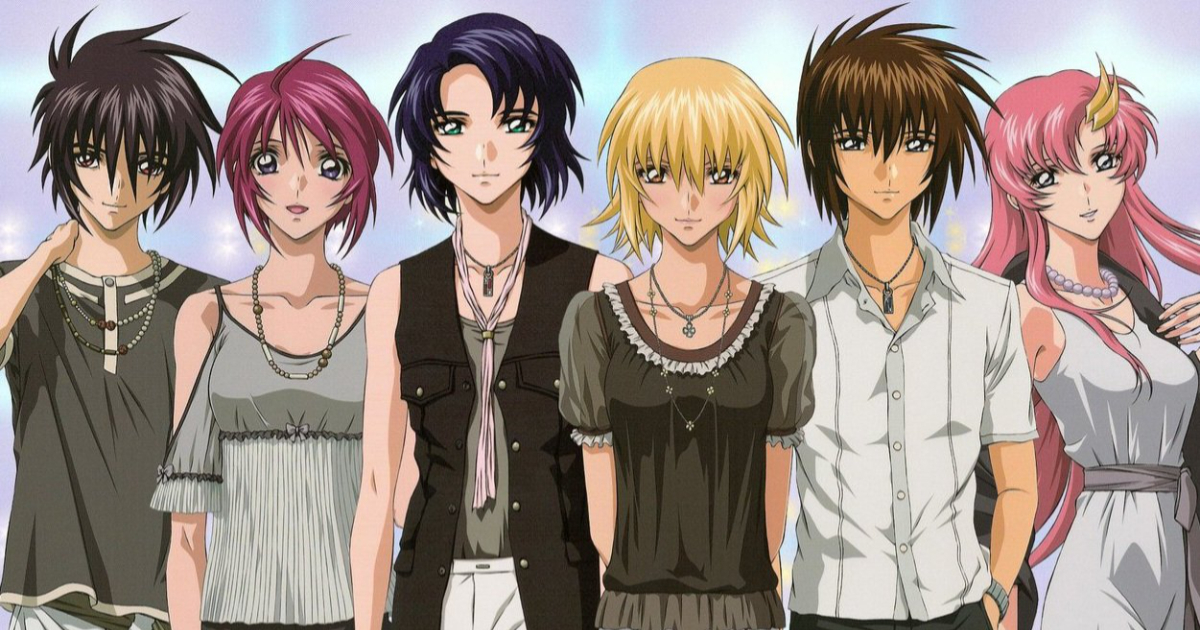
After the old Mobile Suit Gundam SEED Destiny outfit designs resurfaced, fans had questions. Did anyone genuinely want to wear these clothes? And did the people behind the merchandise actually expect fans to buy it?
The discussion also brought back memories of other official character merchandise that left fans disappointed. Why take an appealing cast, dress them in painfully mismatched outfits, and then expect people to open their wallets?
After the designs resurfaced, Youichi Fukano, the artist involved in creating the character illustrations at the time, responded:
I drew these outfits, and now, in this timeline, they are being held up as examples of “incredibly dated, incredibly ugly fashion.” It honestly breaks my heart. Social media really shows no mercy.
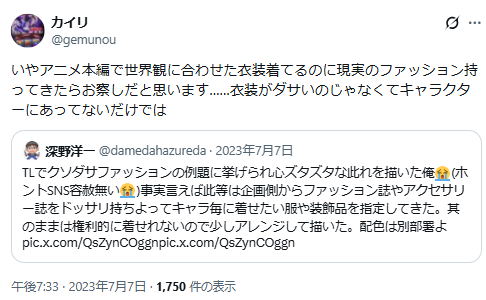
To be completely honest, the production planners brought over stacks of fashion and accessories magazines and specified what each character should wear and which accessories they should have. I could not copy the designs exactly because of copyright concerns, so I modified and redesigned them before drawing the illustrations. The color schemes were handled by another department.
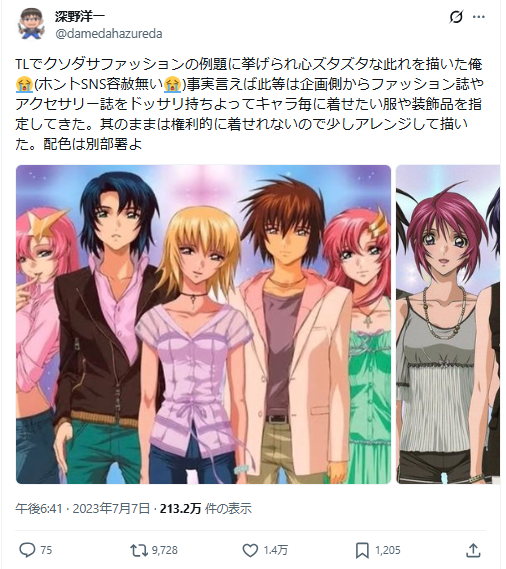
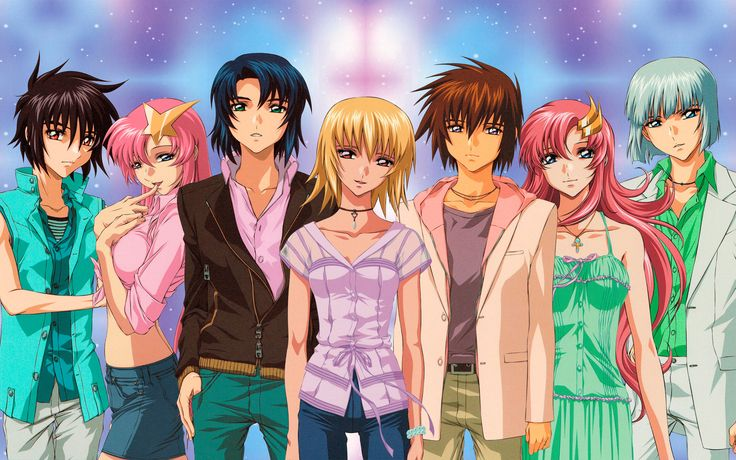
From the designer’s perspective, following the client’s instructions was simply part of the job. Those styles may well have been fashionable in magazines at the time, only to look painfully dated today. It is easy to understand why the criticism would sting.
Many fans came to his defense, pointing out that younger people really did dress like this at the time. Nearly 20 years have passed, after all. Just as clothing designed for anime characters can look awkward on real people, real-world fashion trends do not always translate naturally to fictional characters.
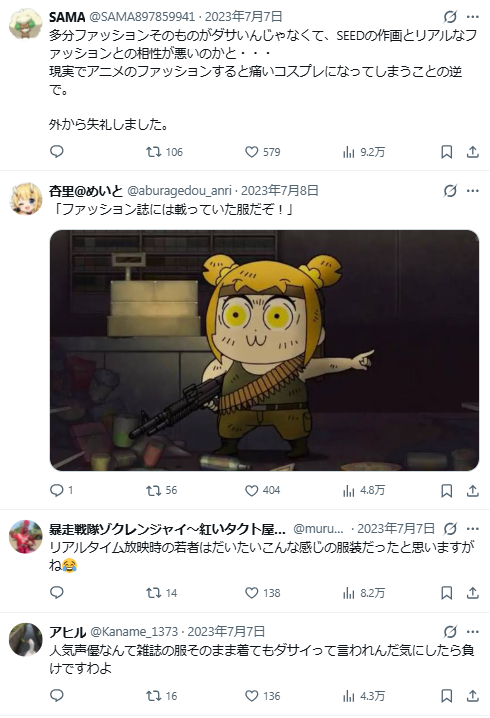
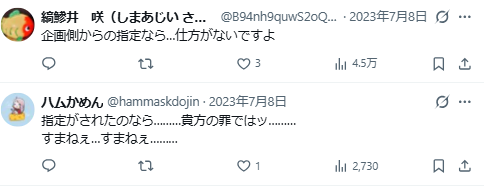
If the production planners dictated the direction, it is difficult to blame the artist for how the finished designs turned out.
Others argued that the clothes were not necessarily ugly or unfashionable. They genuinely reflected the trends of their era—they simply did not suit the characters or the world of the series, making the results feel out of place.
Even decades later, cases like this continue to resurface and attract criticism. When planning collaborations, casual outfits, or themed character merchandise, companies may want to pay closer attention to each character’s personality and established image. Fans are far more likely to buy designs that feel true to the cast—and far less likely to turn them into cautionary examples years later.
via: X@深野洋一