

Following the impact of the pandemic in recent years, the operating environment for Japanese talent agencies has become increasingly challenging. Not only are artist fees lower than before, but more clients are also tightening their budgets, intensifying competition in the entertainment industry.
A recent report from Tokyo Shoko Research revealed that in 2024, 22 talent agencies declared bankruptcy, while 171 opted for closure or dissolution. This marks a new high since 2014.
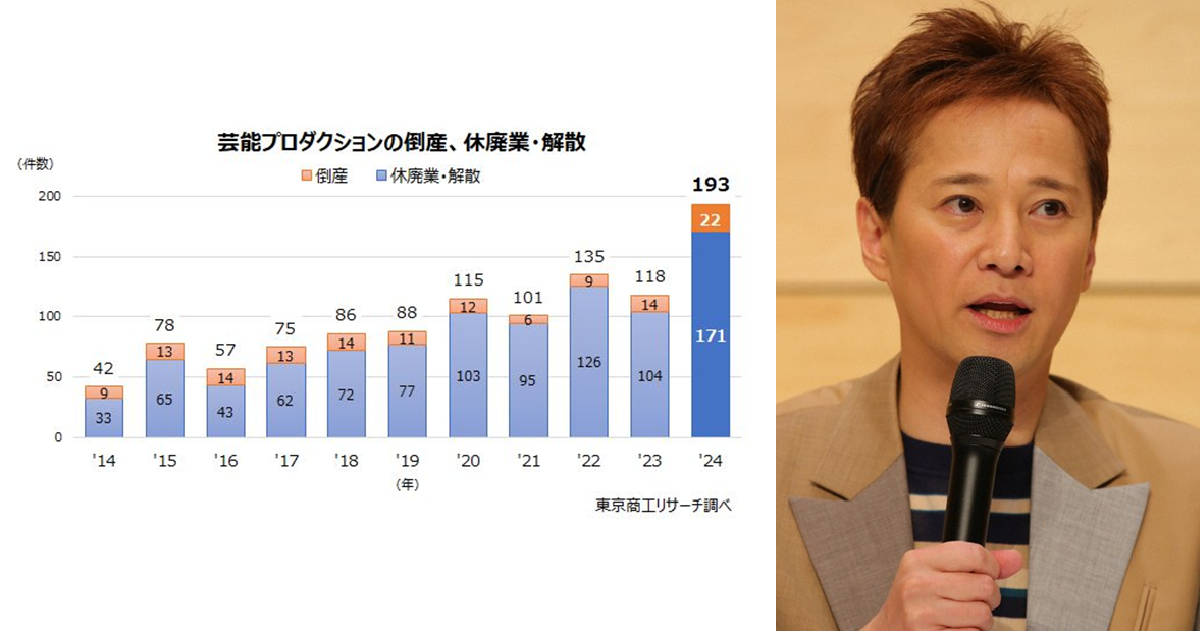
With many Japanese artists now either moving to other agencies or choosing to go independent, numerous talent agencies are struggling to maintain stable revenue. Furthermore, stricter regulations and contract demands make it even harder for smaller agencies to survive.
In March 2024, "FIT," an agency that once managed artists like Dan Mitsu and Riho Yoshioka, declared bankruptcy. In December, "SOMEDAY," home to Norika Fujiwara and Mariko Shinoda, faced the same fate. The pandemic led to a reduction in entertainment work, and the diversification of media formats resulted in shrinking production budgets and lower artist fees, further intensifying market competition.

Artist scandals can also be the final blow for companies. For instance, Keisuke Koide's personal agency, "Yugao," was ordered into special liquidation by the Tokyo District Court in April 2018 due to a scandal, with debts reportedly reaching hundreds of millions of yen.
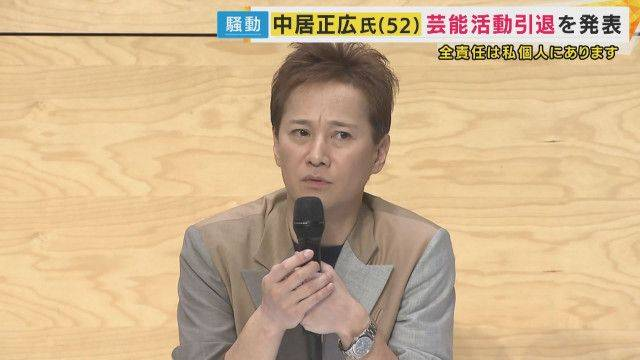
Additionally, Masahiro Nakai's announcement in January this year that he would retire from the entertainment industry due to a sexual harassment scandal drew widespread attention. His personal agency, "Nonbiri Nakai," stated on its official website that "the company will officially close once all related procedures and operations are completed." The future of his television programs and the handling of sponsor contracts remain unclear.
It's evident that the Japanese entertainment industry is facing tougher times than in the past, and agencies without strong backing are finding it difficult to stay afloat. Many artists are also choosing to manage themselves, opting for a smaller cut to major agencies, which is becoming a current trend among performers.
How the Japanese entertainment industry will evolve in the future, and its ability to adapt to the diversification of media formats, will undoubtedly be crucial.
Note: Financial figures and earnings forecasts should be confirmed through the company’s official announcements.
via: itmedia