

The "2025 Osaka World Expo" officially kicked off last Sunday (April 13), launching a six-month run that's drawing massive crowds. The Expo's official mascot, Myaku-Myaku, has also become a merchandising sensation, sparking a buying frenzy for various collaborative products.
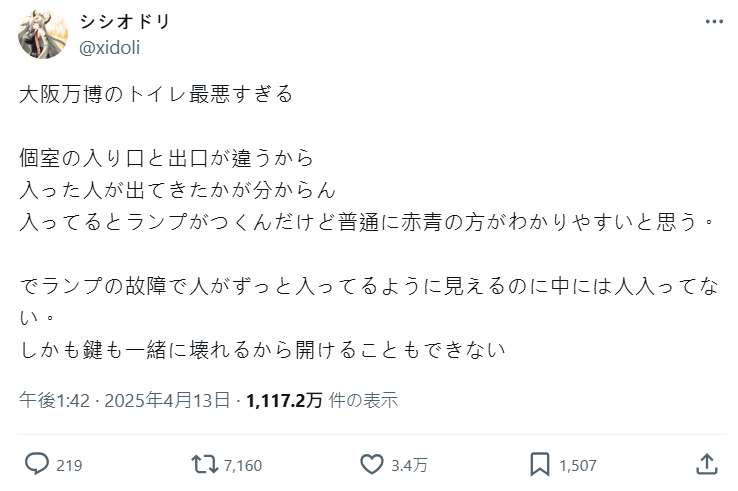
However, a recent controversy has erupted on Japanese X (formerly Twitter) over the design of a particular men's restroom within the Expo grounds. One user, after experiencing it firsthand, vented their frustration, stating, "Even I, a supporter of the Expo, feel like this toilet is messing with people." The post quickly went viral, sparking widespread criticism online, with many calling the design incomprehensible and "like a puzzle game."
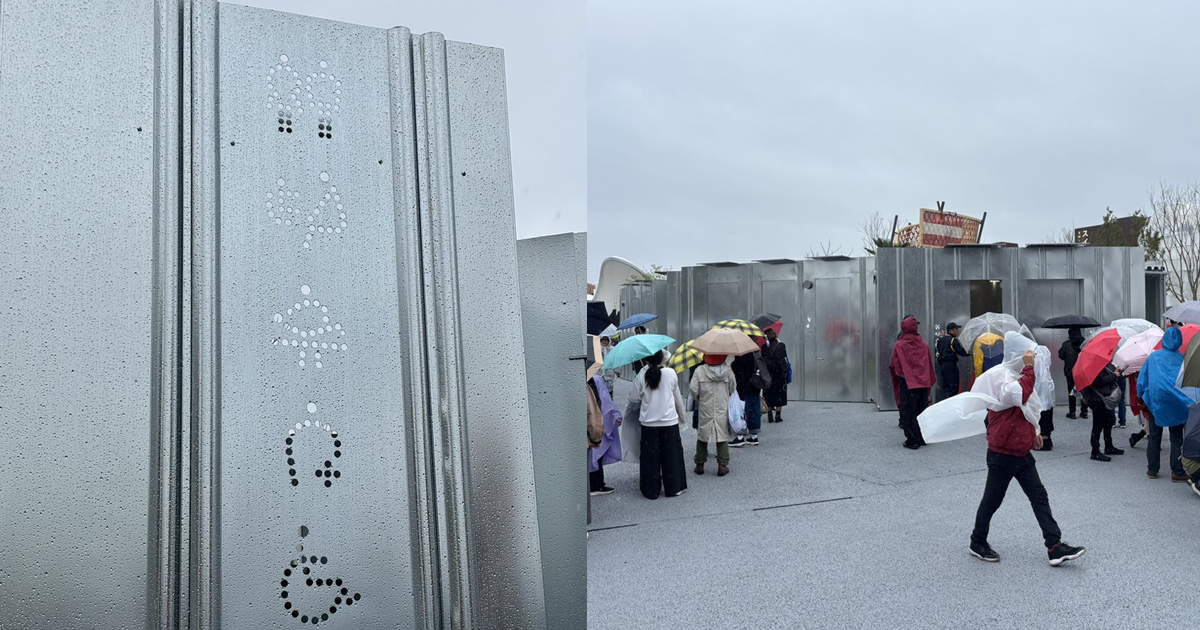
The user who ignited the discussion pointed out that the Osaka Expo's restrooms are "absolutely terrible." They highlighted that each individual stall has separate entry and exit points, making it impossible to tell if someone has left. While there are indicator lights, the user argued that simple red and blue lights would be far more intuitive than whatever system is currently in place.
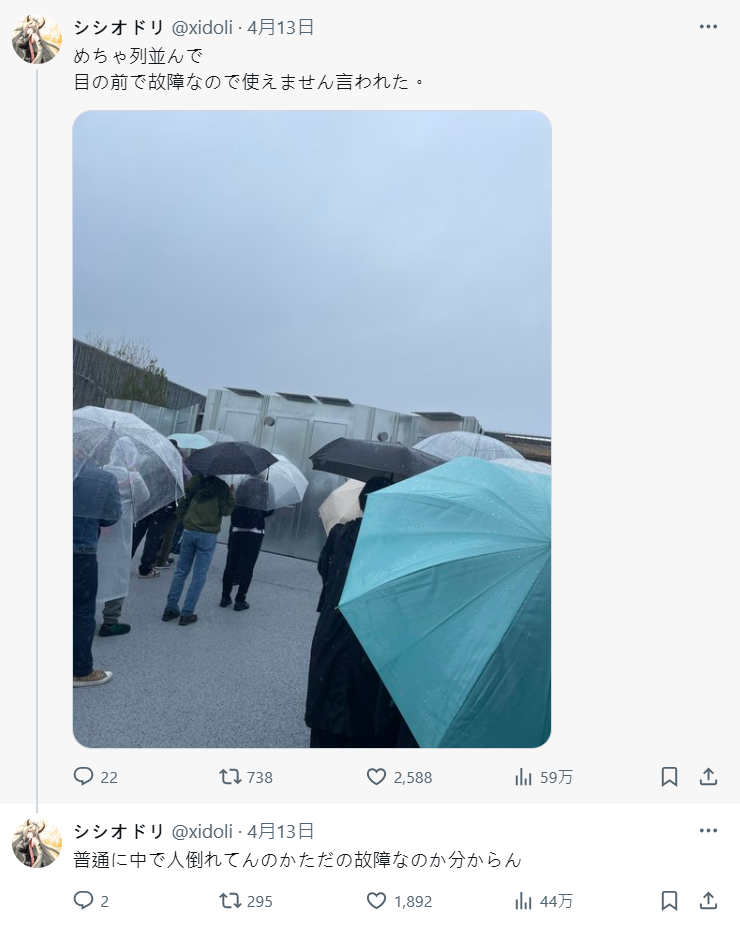
To make matters worse, these lights are reportedly malfunctioning, often showing a stall as occupied when it's actually empty. Even the locks are breaking, preventing doors from opening. The user recounted the frustrating experience of waiting in a long queue, only to be told "out of order, cannot use" just as it was their turn. "You have no idea if someone's passed out inside or if it's simply broken," they lamented.
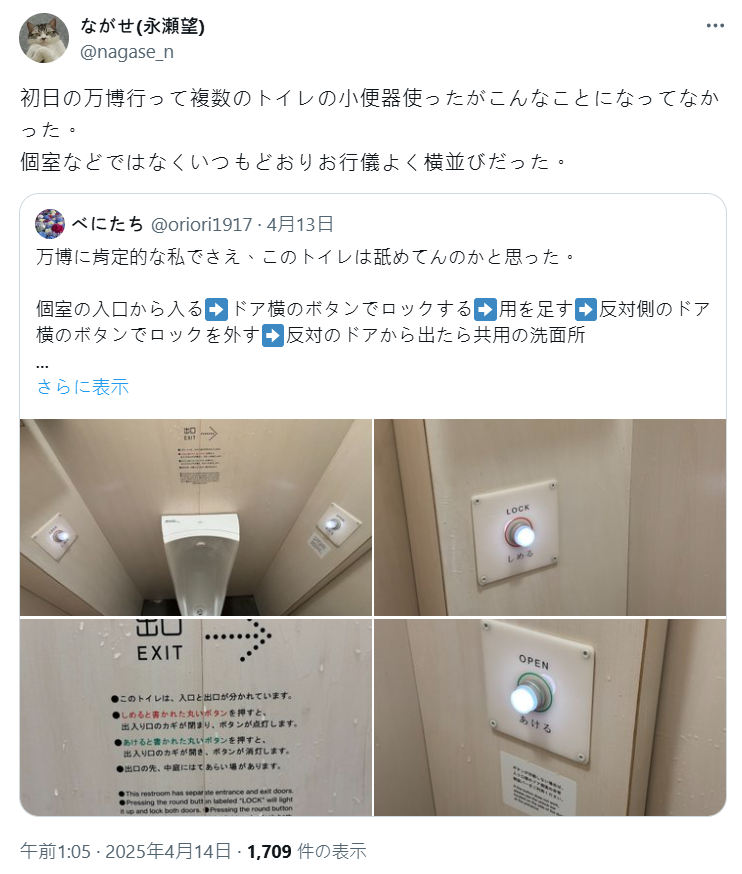
Another Expo supporter also chimed in, finding the men's restroom design truly baffling. Not only does it feature fully independent stalls, but even urinals are enclosed within their own cubicles.
The usage flow is described as: Enter through the entrance, press a button by the door to lock it → use the toilet → go to the exit and press another button to unlock → exit through a different door that leads directly to the communal washbasins.
This convoluted design has left many users scratching their heads, with numerous first-timers reportedly unable to even figure out how to exit. The "different exit and entrance" system means those queuing outside have no way of knowing if a stall is occupied, leading to complete chaos in the waiting lines.
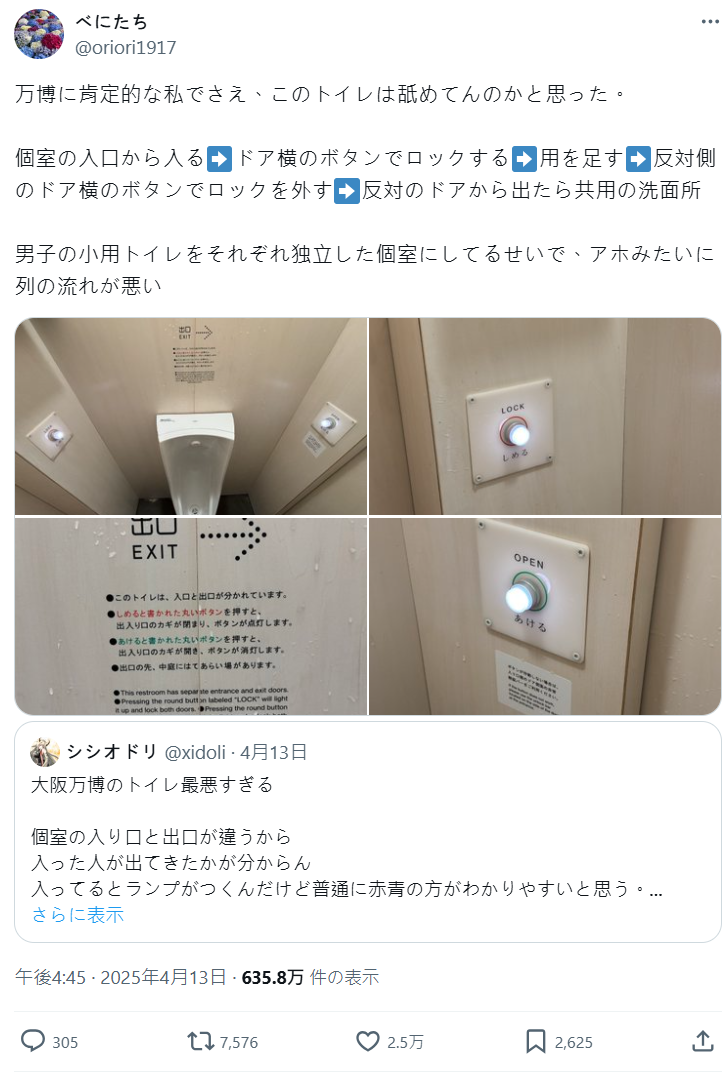
Beyond the confusing flow, the indicator light system has also drawn heavy criticism. Users report that the lights malfunction, displaying "in use" even when a stall is empty. Coupled with broken locks, this renders individual stalls unusable for extended periods, making them seem worn out just days after the Expo's opening.
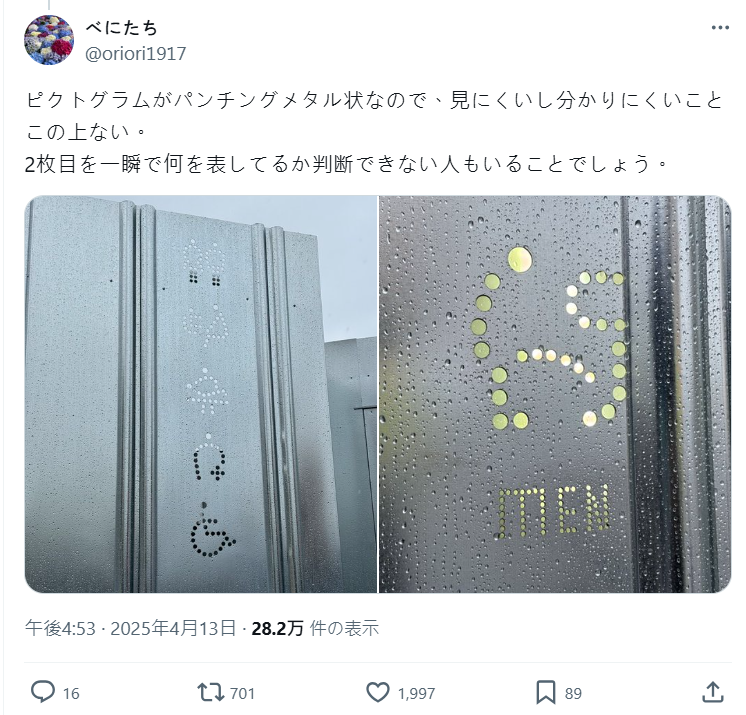
Even more astonishing, the men's restrooms reportedly lack dedicated large-stall toilets for men. Stalls with toilets are only found in women's or multi-gender (all-gender) restrooms. This forces men needing a large stall to queue with women, causing considerable discomfort for many visitors.
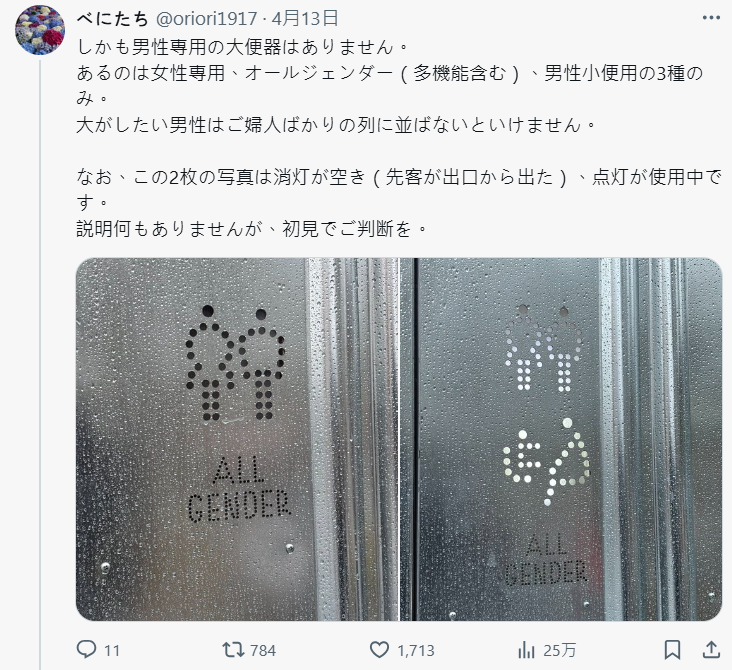
It's worth noting that some have clarified that not all men's restrooms at the Expo feature this design; some do have normal rows of urinals. However, the location and usage of the controversial restrooms continue to spark outrage, leading many to question whether the organizers considered practical user scenarios during planning. Critics are baffled as to why a consistent design wasn't implemented, leaving visitors feeling like they're solving a puzzle.
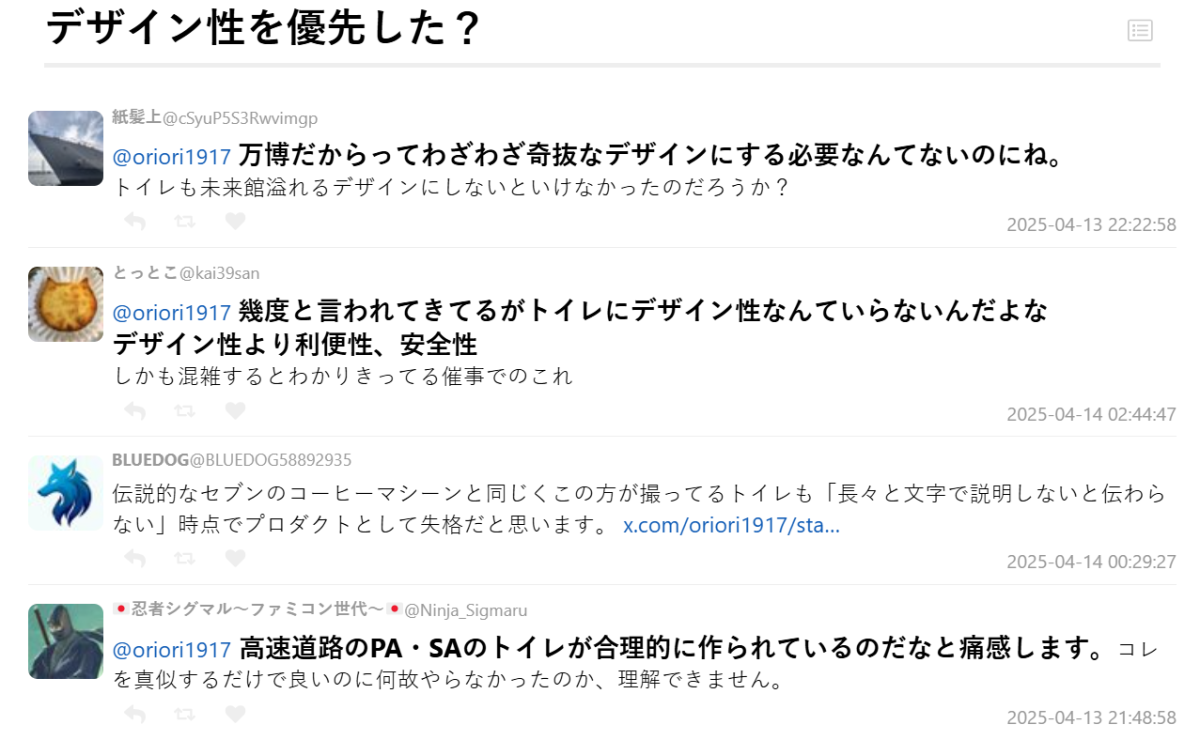
Online criticism has been overwhelmingly negative: "Toilets don't need 'design,' they need to be convenient and safe to use," and "They just need to copy highway rest stop designs; why make it so complicated?" Another user quipped, "If you need an entire instruction sheet to use it, then it's already a design failure."
The Osaka Expo toilet incident has become a major talking point across Japanese online communities, prompting reflection on what public facility design should prioritize: aesthetics, or humanity and practicality? While the Expo is now open, changing the design might be a challenge. However, it remains to be seen how this restroom, dubbed "design cancer" by netizens, might be improved.
via: togetter