

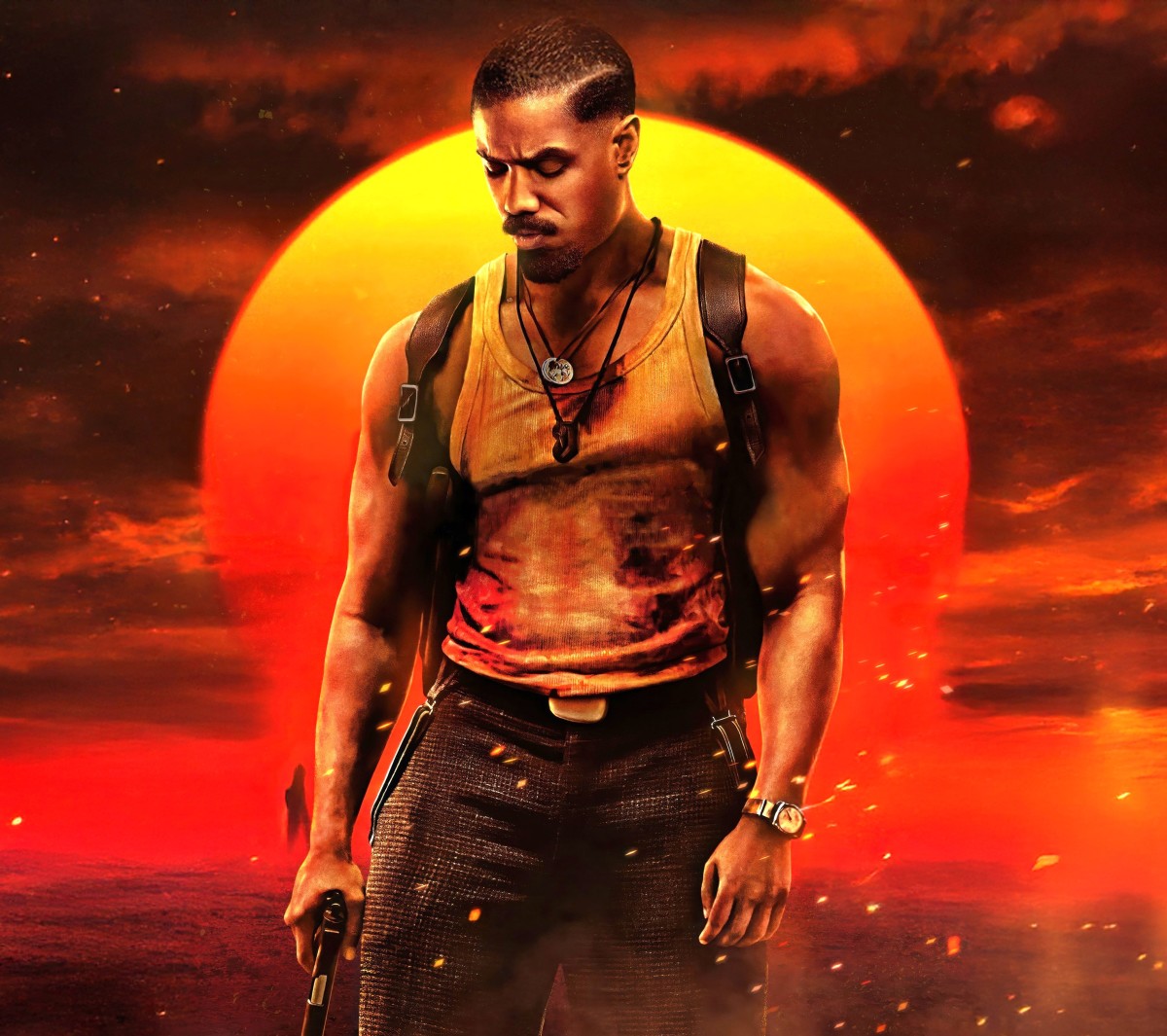
 (Photo Credit: Warner Bros. Pictures)
(Warning: Minor spoilers ahead)
Since breaking into the mainstream with the "Black Panther" franchise, Ryan Coogler has become a leading force in championing Black IP. He first revitalized the "Rocky" series with "Creed," spinning a new mainline story from the bloodline of a beloved Black supporting character. Following that, "Black Panther" ignited a cultural phenomenon, giving audiences another iconic Black hero to admire. Coogler also took on a producer role to revive the culturally significant "Space Jam," passing the torch from Michael Jordan to LeBron James for the sequel.
But the projects above were all built on pre-existing IP. Coogler, clearly not content to simply stand on the shoulders of giants, wanted to forge his own path and create a Black IP that was entirely his own. "Sinners" is that passion project. When I say it's his own, I don't just mean the story is his original concept. Coogler has signed an exceptionally rare deal with Warner Bros. Pictures that grants him full ownership of the film's copyright for 25 years after its release. The only recent comparison is Quentin Tarantino's deal with Sony Pictures for "Once Upon a Time in Hollywood," where his ownership stake grows over 20 years until he possesses it completely.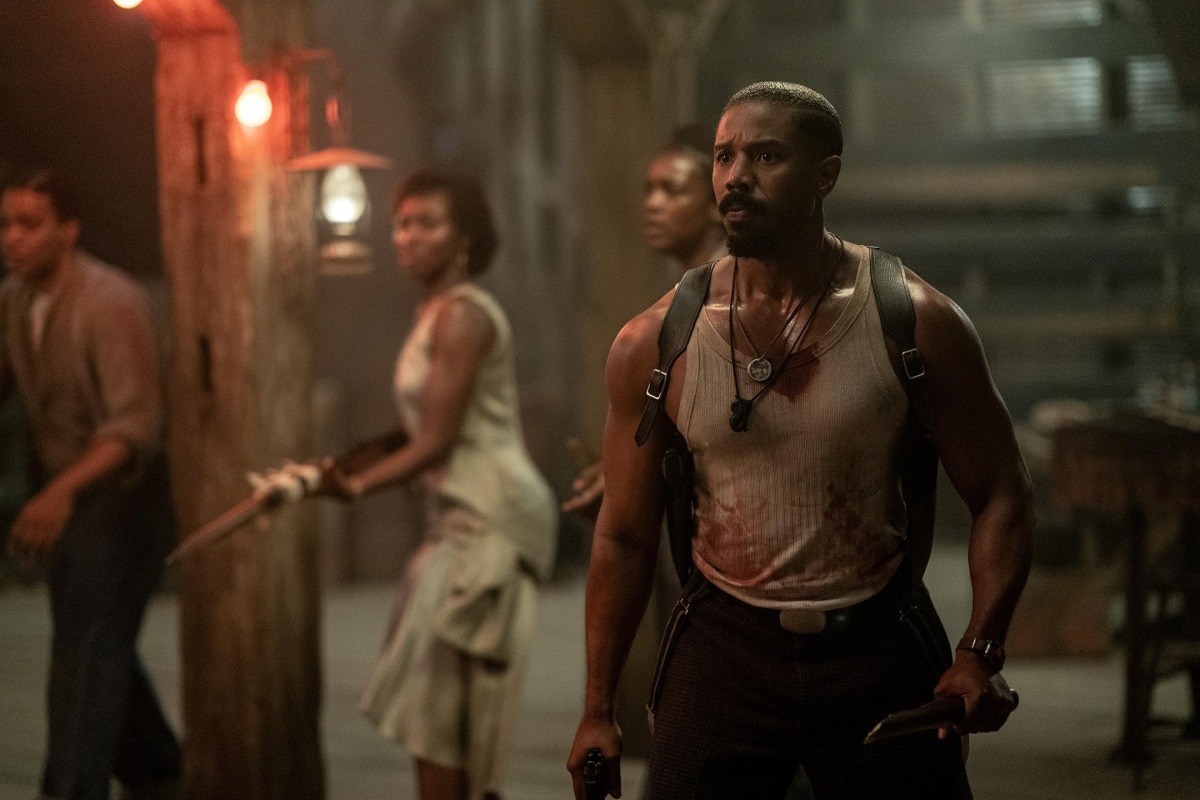
(Photo Credit: Warner Bros. Pictures)
"Sinners" also shares a bit of DNA with Tarantino's work, bearing a striking resemblance to "From Dusk Till Dawn," which Tarantino wrote and co-starred in. Both films feature an all-night battle against vampires in a bar, and both center on a pair of brothers involved in illicit activities. In "From Dusk Till Dawn," the brothers were played by Tarantino and George Clooney; in "Sinners," Michael B. Jordan plays twins. But where "From Dusk Till Dawn" leans into pure B-movie dark comedy, "Sinners" aims for a higher plane, seriously exploring themes of racism, the value of freedom, and celebrating Black culture on the grandest scale.
Despite its vampire premise, "Sinners" doesn't indulge excessively in action or supernatural elements. Instead, it operates as a highly rigorous period piece, dedicating more than half its runtime to patiently establishing each character's circumstances and worldview. In B-movies like "From Dusk Till Dawn" or other zombie and slasher flicks, this kind of setup can often feel tedious, as those directors may lack the skill or interest in dramatic scenes. Coogler, however, comes from a drama background, and he treats these moments with immense care, knowing exactly how to infuse them with depth and flavor.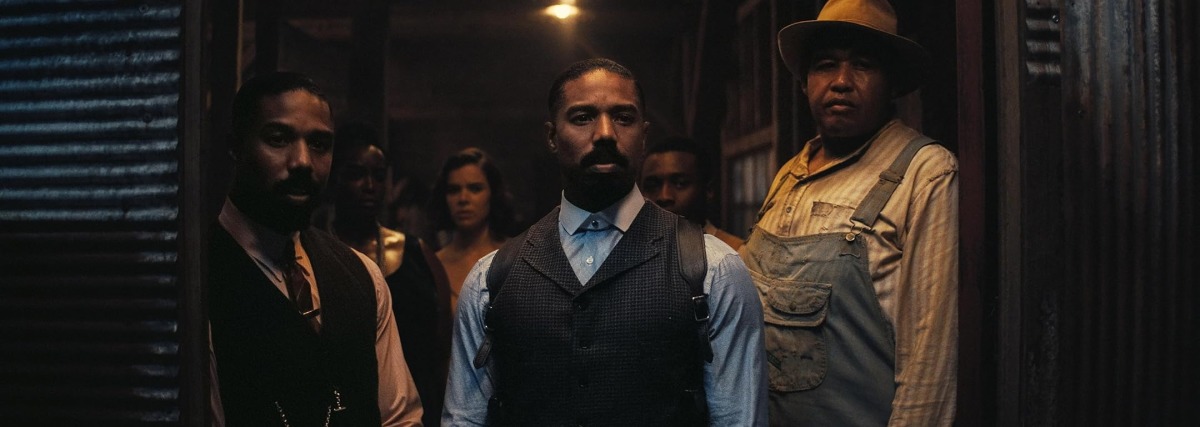 (Photo Credit: Warner Bros. Pictures)
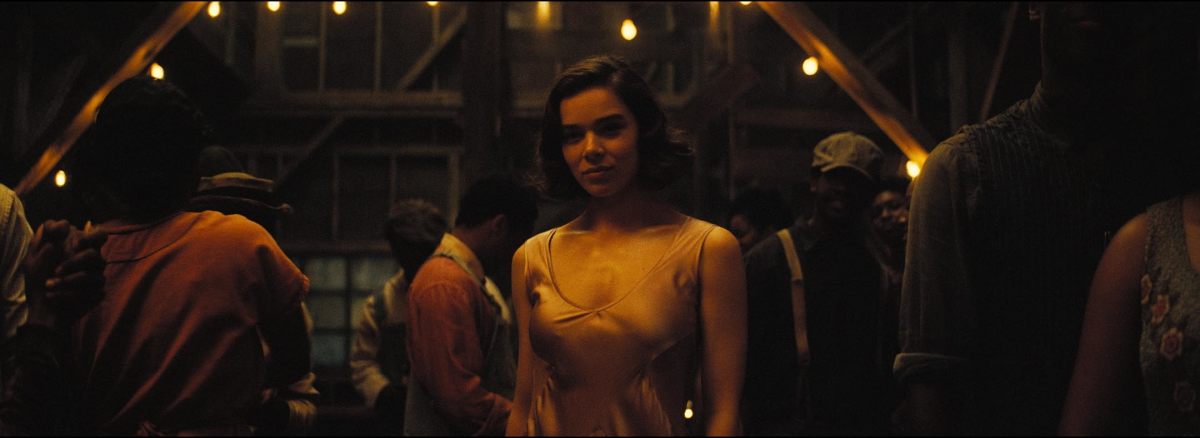
"Sinners" meticulously recreates the details of the Jim Crow era. The impending end of Prohibition, the lingering presence of the Ku Klux Klan, the Southern Black community's dream of freedom in the North, the identity struggles of mixed-race individuals, and the underworld of Al Capone's Chicago all intersect. Every character is trying to break free from their chains. The bar that the Moore brothers, played by Jordan, plan to open in their hometown offers a form of liberation for all people of color. To underscore the significance of this freedom, the preceding buildup had to be convincing, painting a clear and compelling picture of the characters' struggles.
Coogler doesn't just randomly drop vampires into this historical setting. Their arrival offers a solution—a way to dissolve racial barriers and forcibly unify all groups. The vampires in this world possess a hive mind; anyone who is "turned" has their consciousness linked with the collective, achieving a consensus of thought. It's a brutal, coercive, yet effective form of integration. In any other film of this genre, the vampires would be treated as pure evil and slaughtered. But Coogler refrains from offering a more ideal solution and doesn't entirely negate the possibility of becoming a vampire. Instead, he seems to respect each individual's pursuit of freedom, and the vampires, in turn, consciously respect the mortals' refusal.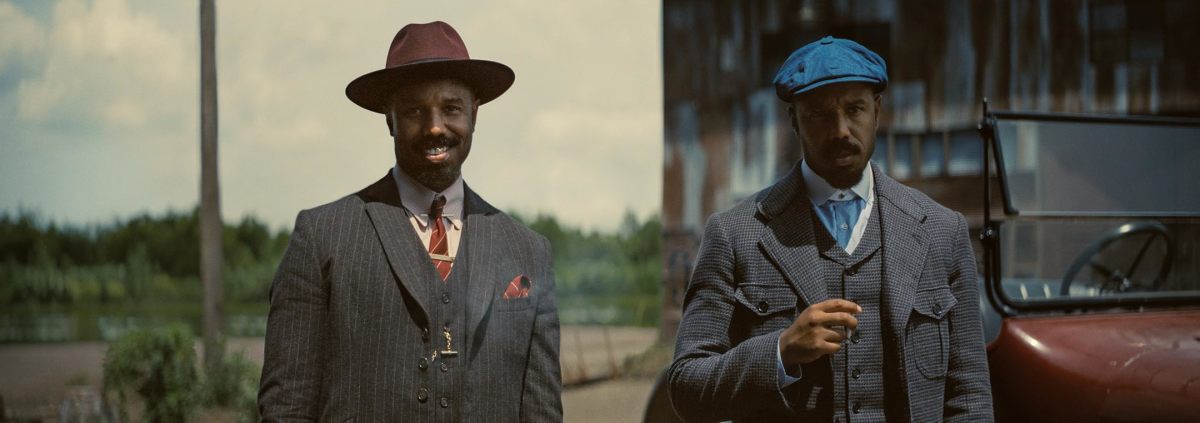 (Photo Credit: Warner Bros. Pictures)
The film presents another path to freedom: music, which serves as the very soul of the story. Cinema has no shortage of films about blues musicians, but "Sinners" is undoubtedly one of the most dazzling and magically enchanting portrayals of the genre. In the world of "Sinners," a blues performance powerful enough can tear the veil between the living and the dead, even summoning the ghosts of musicians from different eras. Coogler takes a concept that might seem cheesy in other contexts, or comically over-the-top like in "Scott Pilgrim," and makes it incredibly cool and strangely plausible.
Coogler deliberately slips in the line: "White people like the blues, but they don't like the people who play it." The blues originated from Black culture, and while white people may not have liked Black people, they loved the music they performed. The blues thus becomes a tool, the most powerful weapon for the young musician who tears open the spirit world. He refuses to be assimilated by the vampires, defies his father's objections, and clings to the remnants of his instrument to walk his own path, using one of the greatest cultural assets of Black people to make his way in the world until he gains recognition. Smokey, who also refuses assimilation, chooses to fight the KKK members who framed him to his last breath. On this fateful night, whether it's Smokey who dies fighting, Stack who is turned, or Sammy who survives as a mortal, they all live more freely than anyone else.
(Photo Credit: Warner Bros. Pictures)
Of course, Coogler isn't the only core contributor to the film's success; his go-to composer, Ludwig Göransson, is another. We've already witnessed Göransson's nuanced and versatile genius in "Tenet," "Oppenheimer," "The Mandalorian," and the "Black Panther" films, but his work on "Sinners" is a new pinnacle. The score masterfully weaves together not just blues but also country folk and electronic rock, spanning different generations to elevate this vibrant cultural celebration to an even more epic scale. He makes the audience truly believe that music is a mystical key capable of unlocking the boundary between worlds.
With a budget close to $100 million, "Sinners" faces a marketing challenge. For a vampire movie, the vampires themselves have a low profile in most promotional materials, as if the studio is intentionally hiding the surprise. The result, however, is that the film can be mistaken for a Western or a period gangster piece—two genres that aren't major box office draws today. Meanwhile, those who do recognize it as a vampire film might be deterred by its horror elements (and it does have horror in its DNA). This ambiguous market positioning could be its biggest hurdle. As a film fan, I can only hope that strong word-of-mouth and the magnetic star power of Michael B. Jordan—unleashing his full A-list charm—will be enough to draw in audiences and give the film a long, successful run at the box office.