

Back in March, Saudi Arabia's Qiddiya Investment Company dropped a bombshell: it's building the world's one-and-only "Dragon Ball" theme park. The concept art alone was enough to send fans worldwide into a frenzy.
So, what's the deal with Saudi Arabia, a country that remains a bit of an enigma to many, and its love for Japanese anime? Japanese outlet Anime! Anime! sat down with Essam Bukhary, CEO of Manga Productions—a leading animation, manga, and game production/distribution company in Saudi Arabia and the Arab world—to get the inside scoop on the kingdom's passion for the medium.
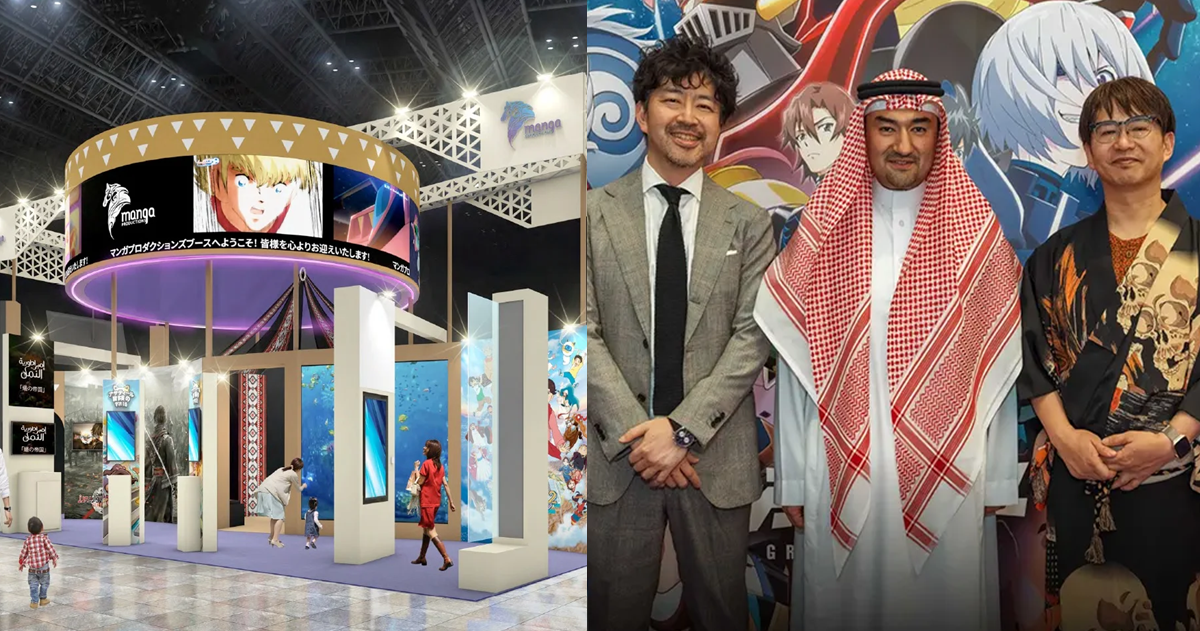
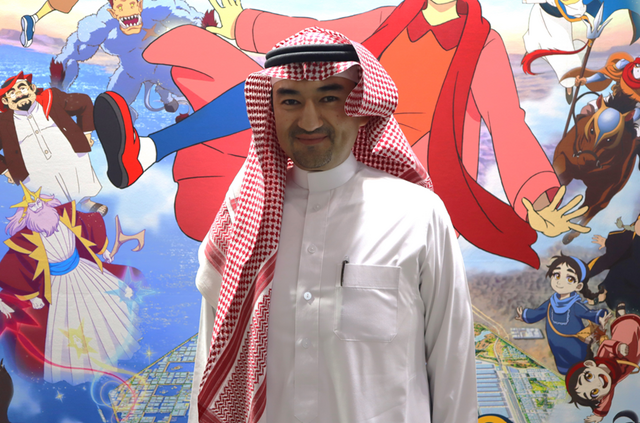
Manga Productions isn't just a casual fan. The company returned to AnimeJapan 2025 for the second consecutive year, this time as a main sponsor. At the helm is Essam Bukhary, who, before founding the company, was a diplomat at the Saudi Arabian Embassy in Japan. He's fluent in Japanese and deeply familiar with Japanese society.
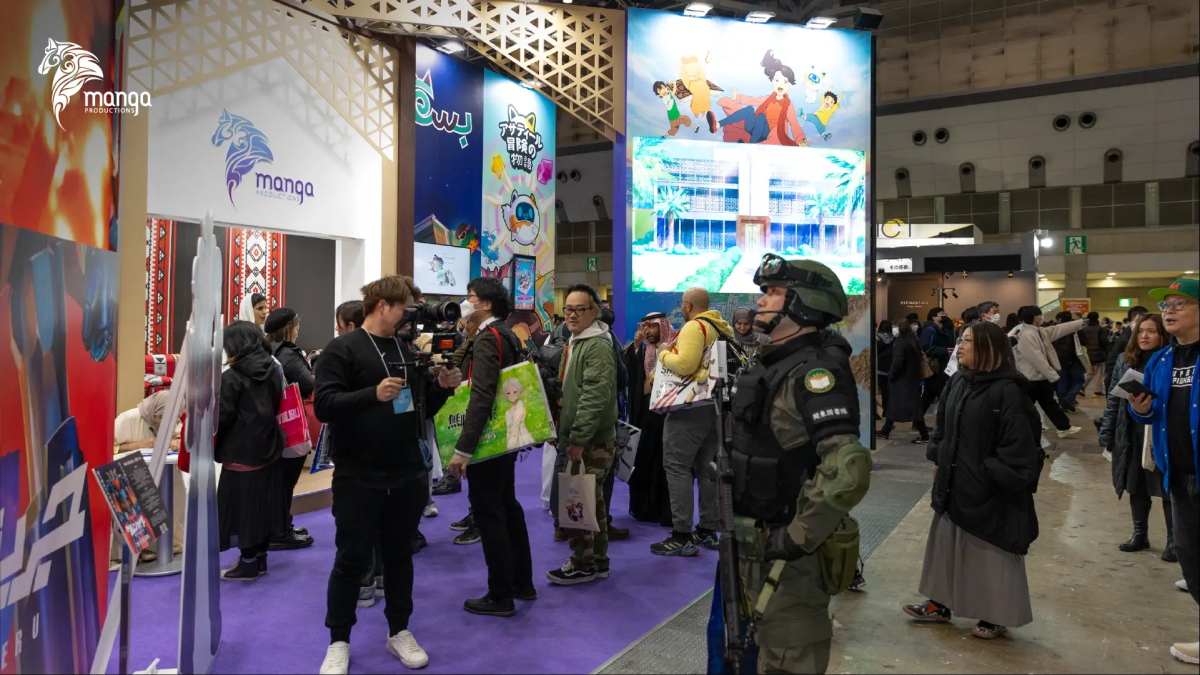
"I grew up watching Japanese anime and absolutely love Japan," Bukhary explained. "But a Saudi like me is nothing special; so many of us grew up the same way." He fondly recalls classics like "Arabian Nights: Sinbad's Adventures," "UFO Robot Grendizer," "Captain Tsubasa," and "The Rose of Versailles." Of course, he admits those are from his era. Today's younger generation is hooked on modern blockbusters like "Demon Slayer: Kimetsu no Yaiba," "Attack on Titan," and "SPY x FAMILY"—the same hits topping the charts in Japan.
However, he also voiced a concern: many of today's anime titles are skewing heavily toward adult audiences. While he acknowledges their quality, it means fewer kids around the world are getting exposed to Japanese animation. "My own love for anime comes from watching it as a child," he noted.
"If future generations of kids don't connect with Japanese anime, who knows what its international standing will be in ten or twenty years? Japan's population is shrinking due to a low birthrate, but there are still tons of kids all over the world. This potential audience shouldn't be ignored." This is why Manga Productions is eager to partner with Japanese studios to make a global impact.
▼ In fact, Manga Productions has already teamed up with Toei Animation on the series "Asateer - Future's Folktales," which has aired for two seasons and is a local hit for family audiences.
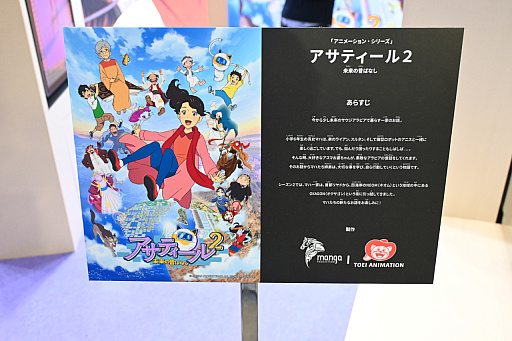
Bukhary pointed out that according to 2022 data, one in every three young Saudis watches Japanese anime. In the past, piracy was the primary way to watch, but now, official partnerships between Saudi Arabia and Japan are providing legitimate, high-quality viewing options.
For instance, "Grendizer U" was broadcast simultaneously in both Japan and Saudi Arabia, complete with a synchronized Arabic dub. "It was a tough schedule to meet, but we wanted to give our audience the best possible experience," he said. The goal is also to curb piracy by establishing a culture where "the official release is the gold standard for quality."
"For us, 'Made in Japan' isn't just a label; it's a commitment to quality. If we're going to emulate Japanese animation, we have to meet that standard."
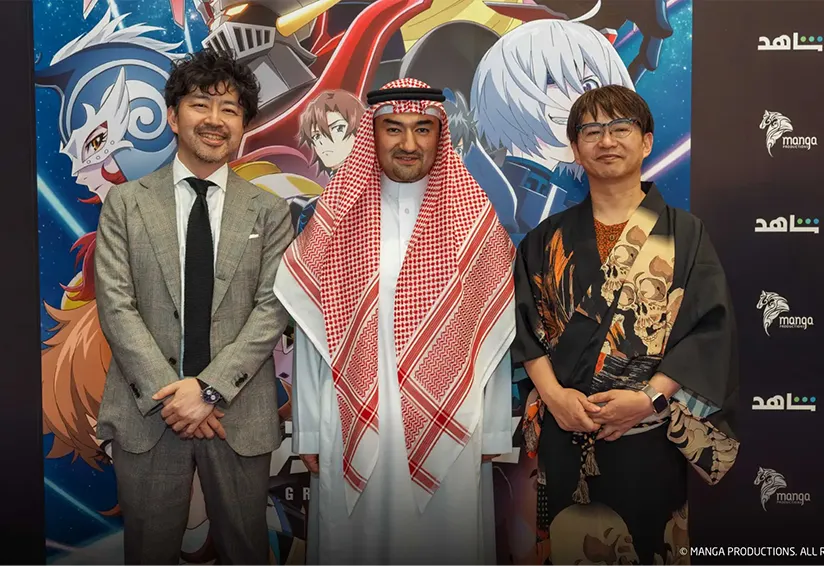
When asked about the "Dragon Ball" theme park, Bukhary clarified he isn't directly involved but has seen the online chatter, particularly from Japanese fans asking, "Why in Saudi Arabia and not Japan?" His take? "I see it like a Japanese athlete playing for a European team. It's proof that Japanese anime culture is going global!"
"To me, this kind of collaboration is what success looks like," he added. "Japan and Saudi Arabia are working together to create something new that didn't exist before. If this park were based on another country's IP, now *that* would be a real shame."

Regarding his experience collaborating with the Japanese anime industry, Bukhary offered some advice. He believes the industry needs to create a more attractive work environment, suggesting that its current talent shortage might be linked to Japan's aging population and low birthrate. "The financial and automotive industries don't have such a severe labor shortage, which shows there's a huge difference in working conditions."
He also noted that when Japanese companies partner internationally, they shouldn't stick rigidly to Japanese business practices. While the commitment to quality is admirable, "painfully slow decision-making can really drag down a partnership. Some deals that take two or three years to negotiate in Japan could be settled in two or three months elsewhere." On the plus side, he praised his Japanese partners' integrity: "Once they commit to a collaboration, they honor it 100%. That's truly fantastic and something we can learn from."
Seeing the Japanese anime industry through Saudi eyes offers a fresh perspective. It's clear that the passion for anime in Saudi Arabia—both for consuming and creating it—is immense. With a growing number of collaborations in not just gaming but animation, the kingdom might just be on its way to becoming a new powerhouse in the industry.
via: アニメ!アニメ!