

Nintendo's upcoming Switch 2 console, slated for release on June 5, 2025, is set to introduce a brand-new "Game-Key Cartridge" system – a move that's already sparking debate among game preservationists and physical collectors.
These Game-Key Cartridges look just like your standard game carts, but there's a catch: they only contain a license key. Players will need to download the full game content online before they can even start playing. And even after the download, you'll still need to keep the cartridge inserted to verify your license. It's a hybrid model, blurring the lines between physical and digital.
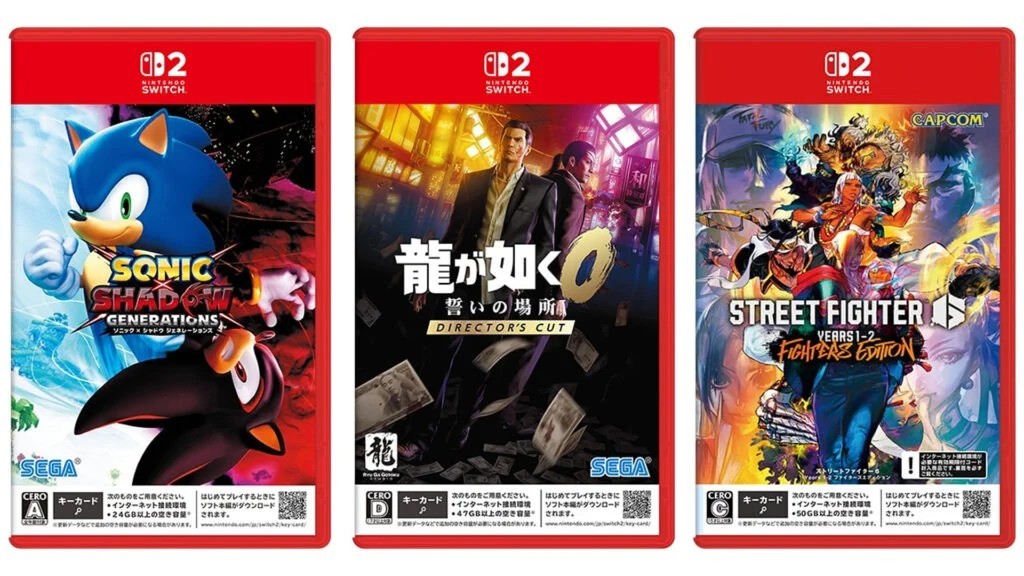
Nintendo says this shift is a necessary evil. Game files are getting massive, often exceeding the storage capacity of traditional physical cartridges. Game-Key Cartridges cut down manufacturing costs and ensure players always get the latest game version. Plus, these carts aren't tied to a specific account, meaning you can still resell or lend them out, preserving that classic physical game sharing vibe.
But not everyone's thrilled. Game preservationists are sounding the alarm. Stephen Kick, CEO of Nightdive Studios, points out a grim scenario: if Nintendo ever shuts down its download servers, those license-key-only cartridges become useless bricks, rendering physical collections meaningless. He argues Nintendo needs to prioritize long-term game preservation more seriously.
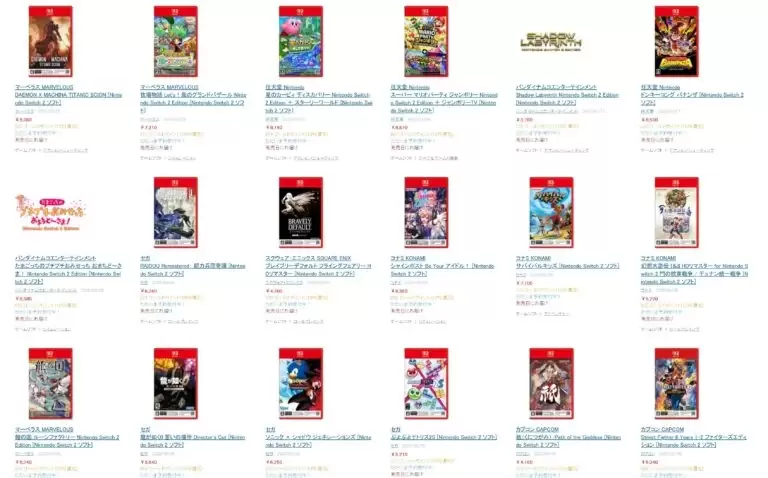
Professor James Newman, co-founder of the UK's National Videogame Museum, adds that most modern games, even with physical cartridges, already require online updates and patches. He suggests physical cartridges are increasingly just physical verification tools for digital games.
Right now, many third-party Switch 2 titles are embracing the Game-Key Cartridge format. Only a handful, like "Cyberpunk 2077," are expected to offer full, complete physical cartridges. So, when you're shopping, keep an eye out for a "key" icon on the packaging to know exactly what kind of cartridge you're getting.
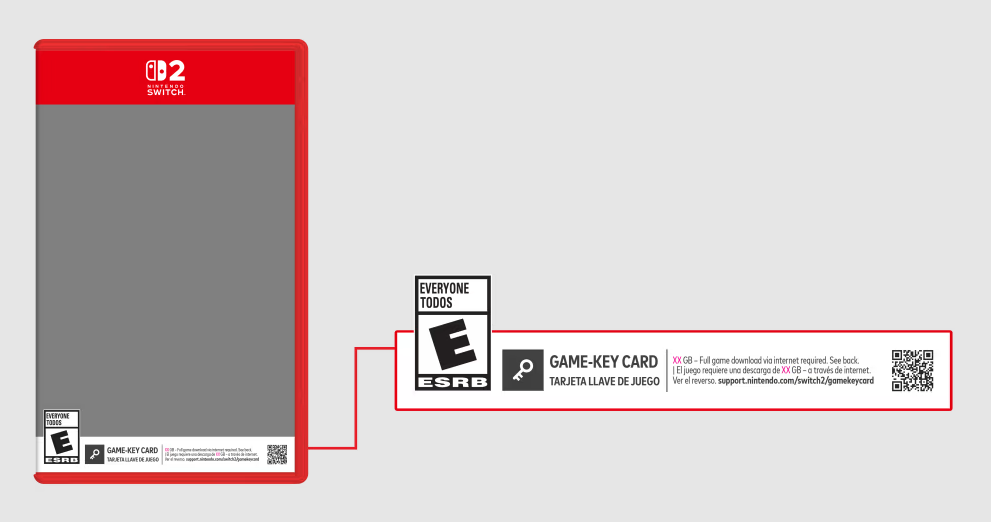
This move marks a significant leap for the gaming industry further into the digital realm. While it promises more flexibility and convenience, it also ignites crucial discussions about long-term game preservation and the true value of physical collections. Ultimately, players will need to weigh their own needs and preferences to make an informed choice at checkout.
via: GamesIndustry.biz