

Remember those glass marbles you played with as a kid, or the one rattling around in your ramune bottle? That seemingly unassuming "marble" is actually a testament to post-war Japanese craftsmanship, so much so that May 4th is even designated as "Ramune Day" (ラムネの日) in Japan. But here's a shocker: this tiny sphere is now facing an existential threat.
According to Japanese media outlet TBS NEW DIG, Matsuno Kogyo, the sole remaining producer of these marbles in Japan, reports a critical shortage. Despite ramune sales exploding over the past decade, with production soaring more than fourfold, the actual "marbles themselves" are running dangerously low!

Data from the Japan Ramune Association reveals a staggering growth:
2014 Production: Approx. 35 million bottles
2024 Production: Approx. 139.72 million bottles
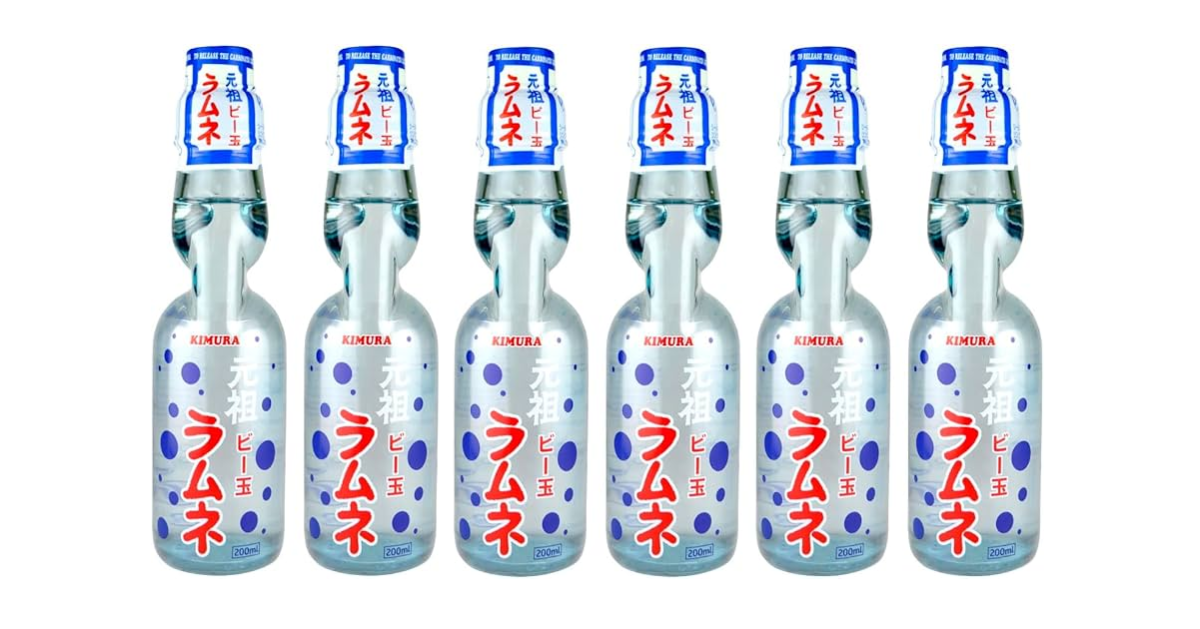
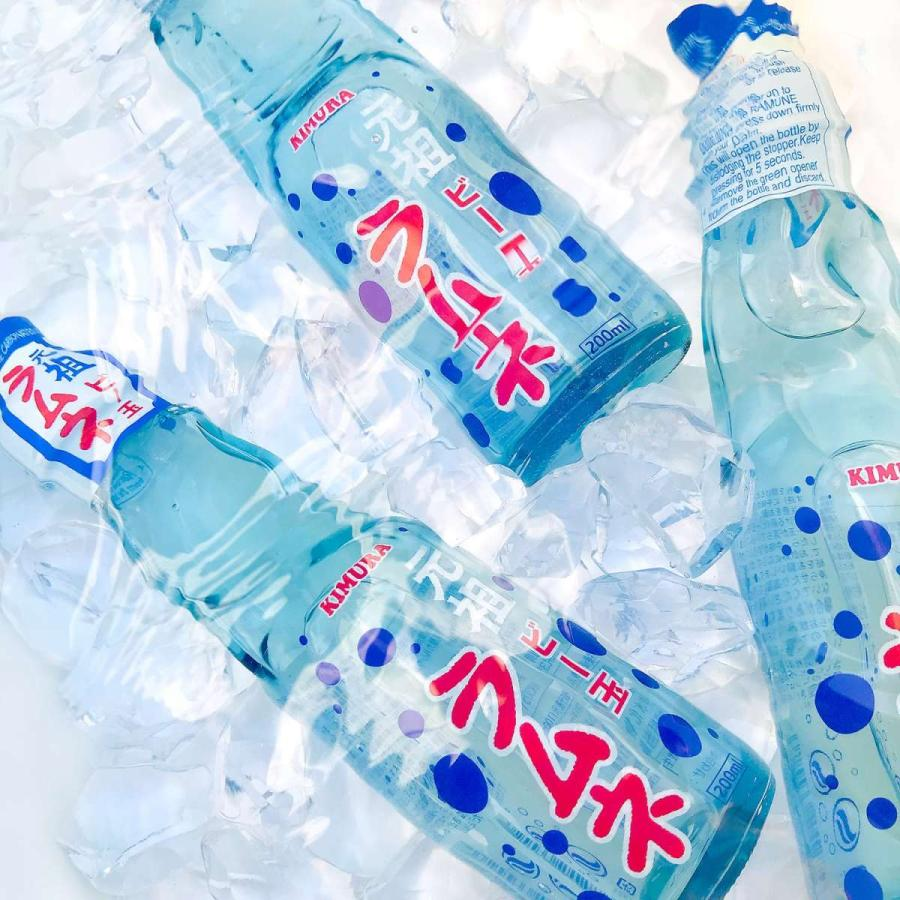
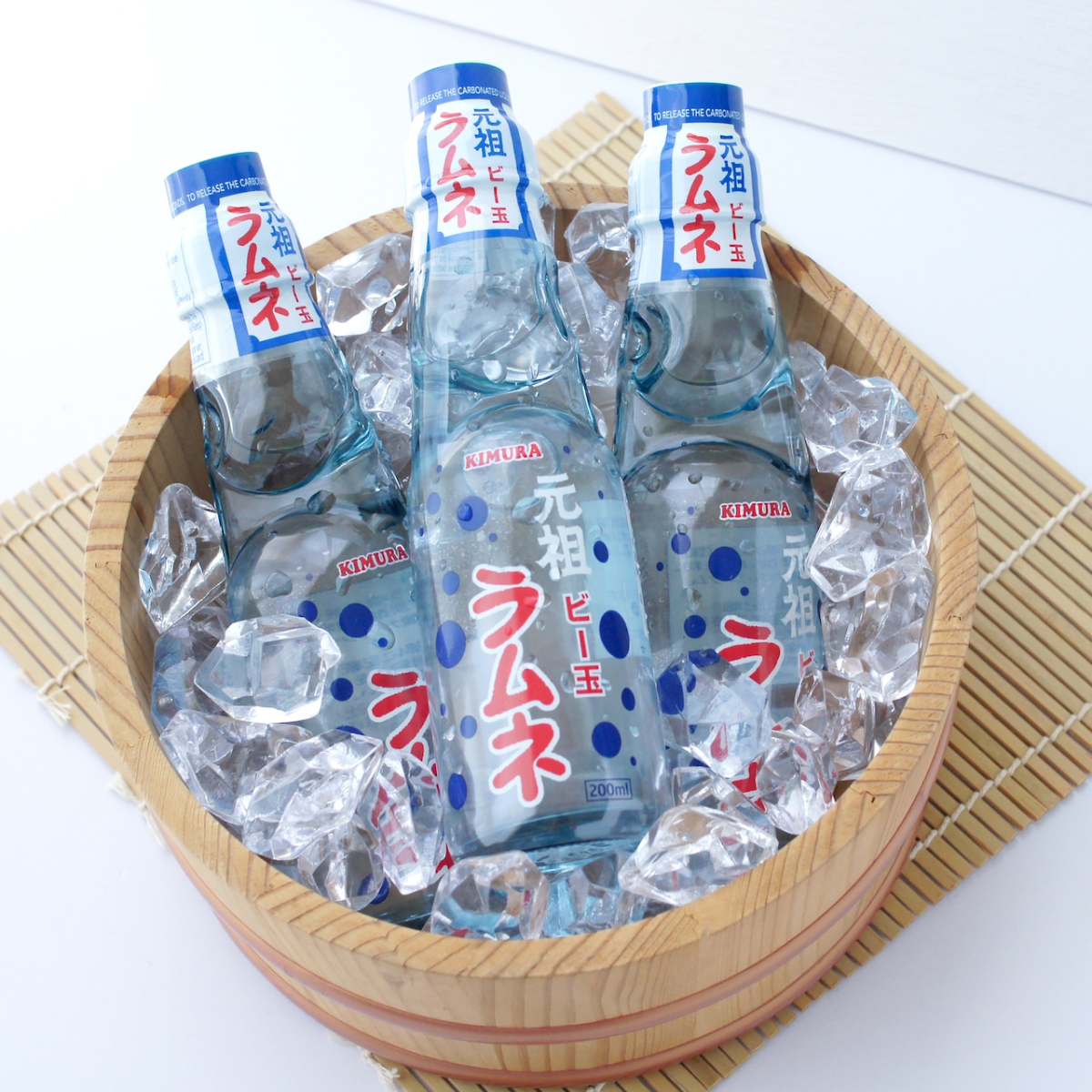
Ramune has become a global sensation, with a whopping 90% of its production earmarked for export! While it's clear the world loves Japanese ramune, there's a bitter irony: the essential glass marble, stuck in the bottle's neck, is in such short supply that new orders are being turned away.
Matsuno Kogyo explains that after World War II, Japan once boasted 17 factories producing marbles. However, due to fierce price competition and industrial shifts, only the "Kadogawa Factory" in Kadogawa Town, Miyazaki Prefecture, remains. This lone survivor handles everything from children's play marbles and home decor to ramune bottle stoppers and industrial applications.
The biggest hurdle? "Ramune marbles are exceptionally difficult to make." They can't just be round; they need to be a "perfect sphere" because they function as the bottle's stopper. Any air bubbles or imprecise shapes could cause them to shatter during manufacturing or transport, posing a serious safety risk if ingested.
The complexity of this manufacturing process means many details are closely guarded "trade secrets." A key challenge lies in precisely controlling the glass melting point. Too low, and impurities creep in; too high, and the glass won't form correctly. Even environmental factors like weather and air pressure play a role. For instance, if a shutter door is left open too long during winter deliveries, the change in indoor pressure can affect the marble's size stability.
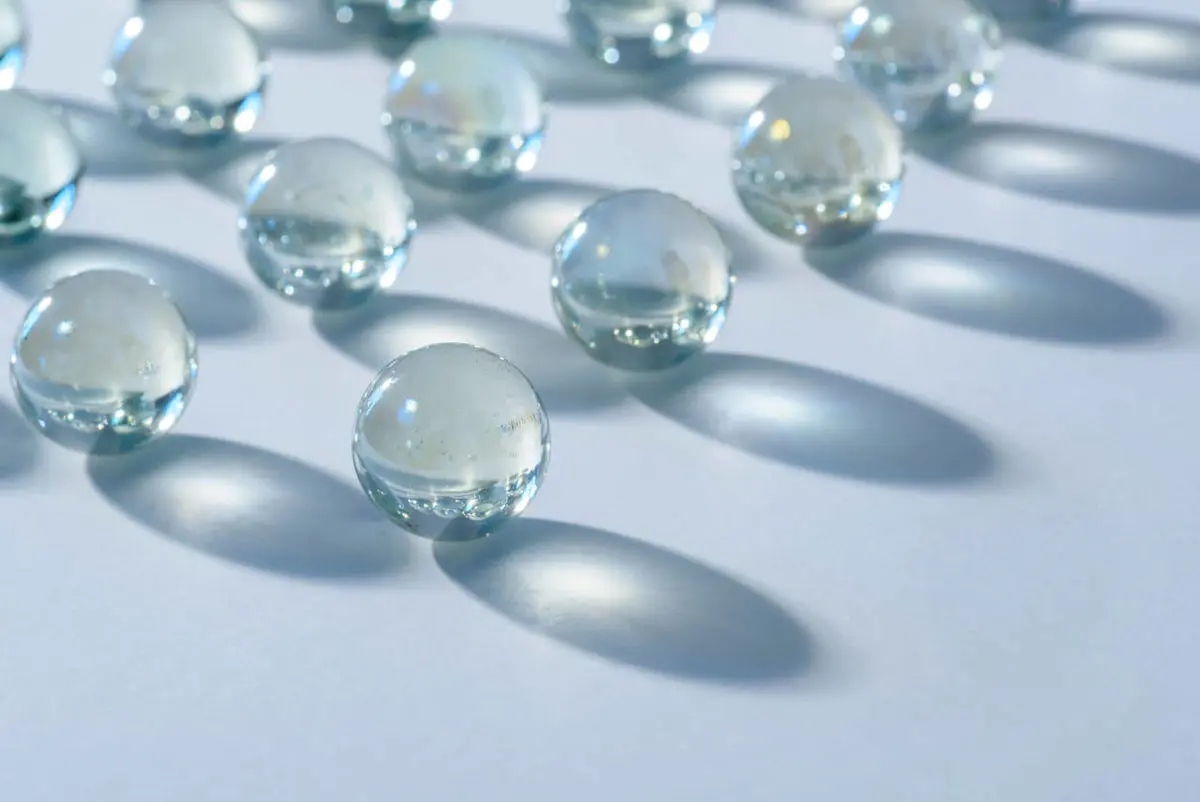
An artisan from Matsuno Kogyo shared a poignant thought: while often overlooked, marbles quietly play many crucial roles in our lives. "These glass spheres are like unsung heroes; they do their job and then quietly disappear, their existence often forgotten. It's a bit sad."
The production of these marbles is a symbol of post-war Japanese craftsmanship, and the artisans are adamant about preventing its disappearance. They hope to pass on this intricate technique and discover new uses and charms for marbles in the future. As the weather heats up, next time you crack open a ramune, take a moment to appreciate that sparkling little sphere. It embodies the spirit of "Made in Japan" and the meticulous dedication of its artisans.
via: TBS NEW DIG