

 (Image Source: Marvel Studios)
(Warning: Spoilers Ahead)
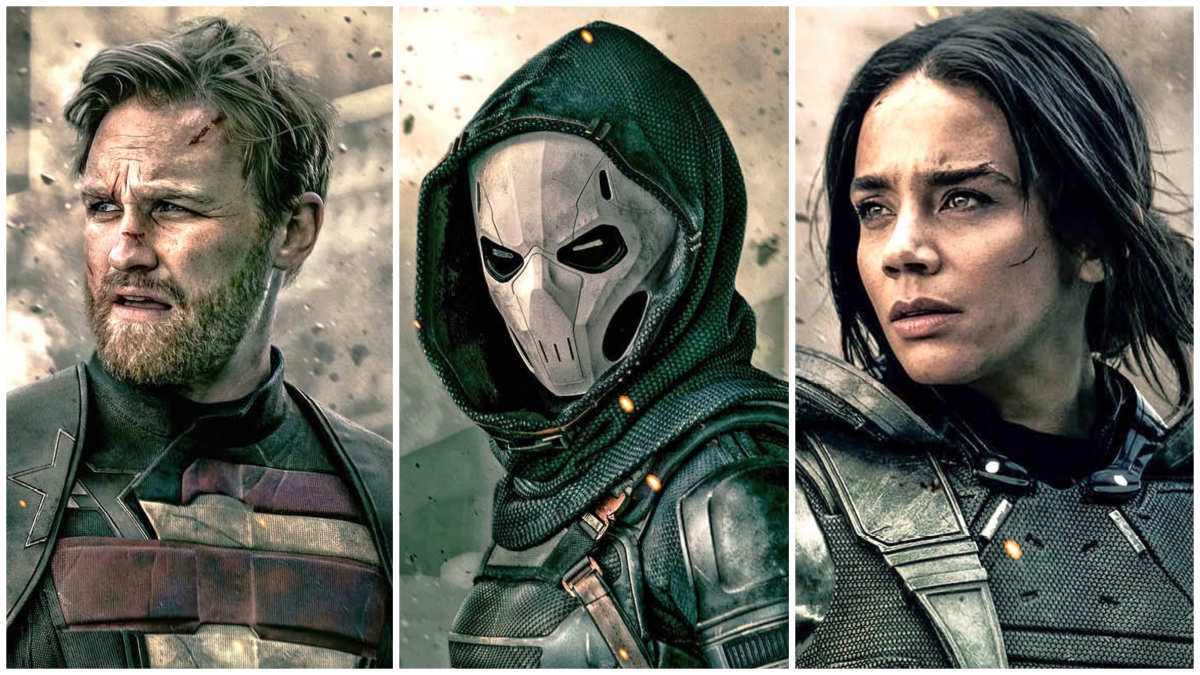
Following the release of Marvel's Phase Five closer "Thunderbolts*", director Jake Schreier and writer Eric Pearson have begun to reveal some of their original plans for the film. Schreier, for instance, recently mentioned that Taskmaster was initially written to survive, but due to various considerations, her character's fate was altered to an early exit in the film's opening.
As for Pearson, he recently revealed in new interviews with Polygon and Screenrant the story arc for Taskmaster before her demise, and U.S. Agent's vastly different initial role.
(Image Source: Marvel Studios)
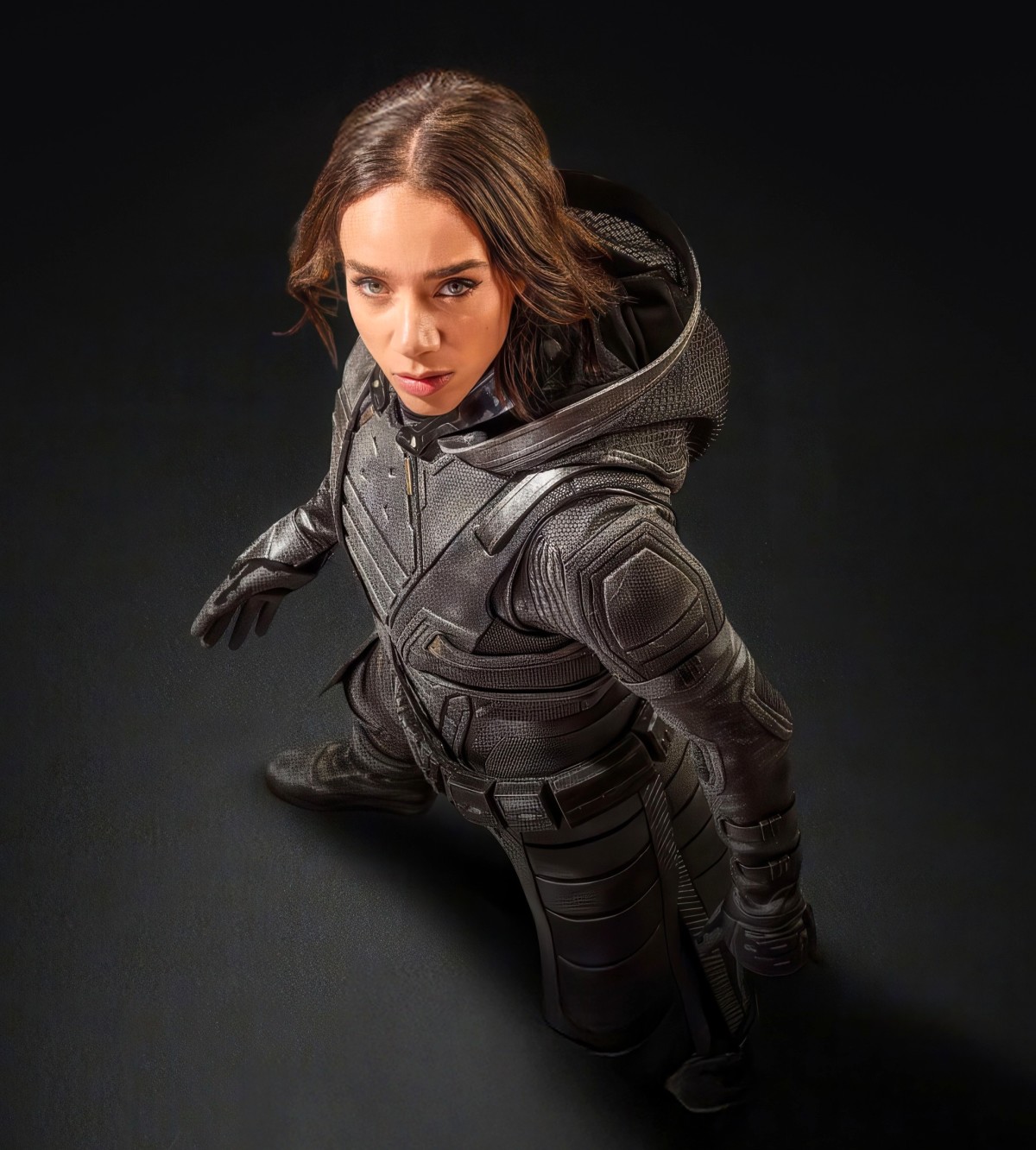
Pearson explained that in his initial script, Taskmaster survived until the end, with her fate only altered in a subsequent version penned by other writers. Pearson admitted he was surprised to learn of the change during early test screenings. "This was decided after I finished the script," he recounted. "When I sat down to watch the first cut of the movie, there was one part that was completely different and shocked me, and that was Taskmaster's part. For the other parts of the plot, I thought, 'Yeah, this is the movie I wrote!' Only that decision was an exception..."
In Pearson's version, Taskmaster not only survived but also forged a uniquely close bond with Ghost, a relationship that formed a significant subplot. Both Ghost and Taskmaster were raised in labs, their actions long controlled, but Ghost achieved autonomy earlier. This dynamic positioned Ghost as a kind of older sister figure, guiding Taskmaster from her own experiences on how to "break free and be herself."
 (Image Source: Marvel Studios)
Pearson also noted that Taskmaster's backstory was designed to highlight a sense of "self-pity" among the other characters, as her origins were arguably the most tragic of the group. While other characters had their own tragic backstories, Taskmaster's was intended to be unparalleled. "No one dared to say to her, 'I'm worse off than you,'" Pearson stated.
Pearson further revealed he had initially conceived a running gag for Taskmaster, where her amnesia would lead her to repeatedly forget her alliance with U.S. Agent and continue attempting to assassinate him. "From a comedic level, she was troubled by her amnesia," Pearson explained. "There was originally a joke where she kept fighting U.S. Agent, forgetting they had made up and become friends."
However, Pearson understood that Taskmaster's screentime was ultimately cut significantly. This decision was partly to underscore the story's brutal nature, making audiences believe any character could die. Another reason, he speculated, might have been concerns that Taskmaster's amnesia storyline too closely mirrored the "amnesia, friend-turned-foe" dynamic of Sentry/Bob/Void, leading to excessive repetition. (Image Source: Marvel Studios)
Shifting to Sentry, Pearson confessed that Sentry and Void were not initially conceived as the final antagonists and weren't even present in his original script. At that point, he hadn't specifically aimed to explore themes of mental health. "I didn't really think much about the theme at the time," he recalled. "The original script had John Walker becoming a rampaging villain at the end. The initial idea was that one of Valentina's manipulations involved telling Walker the serum's effects were wearing off, then providing him with medication to sustain his super-soldier abilities. But in reality, he was a ticking time bomb, much like the Hulk. There would have been moments reminiscent of 'the sun's getting low'—Black Widow's key phrase to calm the Hulk—because from the beginning, I thought, 'I want to end the big battle of the third act with a hug.'"

(Image Source: Marvel Studios)
Pearson elaborated, "That version was interesting, but it ultimately didn't work, and the tone felt off. I had already laid a certain amount of groundwork for the whole 'Breakfast Club'-style plot, so I thought, 'I want a villain they can't defeat with punches, and they must be able to connect emotionally.'" This led Pearson to consider the compelling dynamic between Sentry and Void from the comics, realizing it offered a strong parallel to the struggles of the film's other characters. Consequently, Sentry and Void were chosen as the final antagonists.
via: Polygon Screenrant