

Imagine a job where you don't clock in, don't need to ask for time off, and can even pick and choose the tasks you actually enjoy. Sounds like a dream, right?
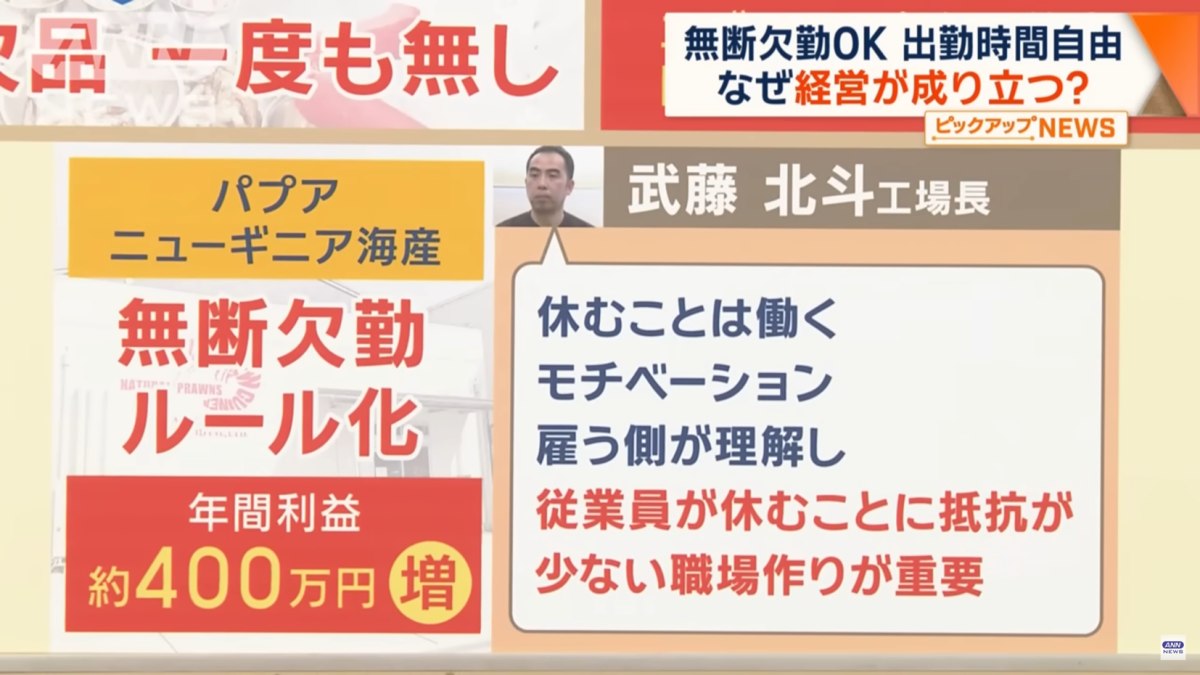
Well, in Osaka, Japan, a seafood processing company implemented this incredibly progressive "free-form work" system. Employees can take leave without notifying the company, and instead of chaos, the company's revenue has skyrocketed. What's the secret sauce?
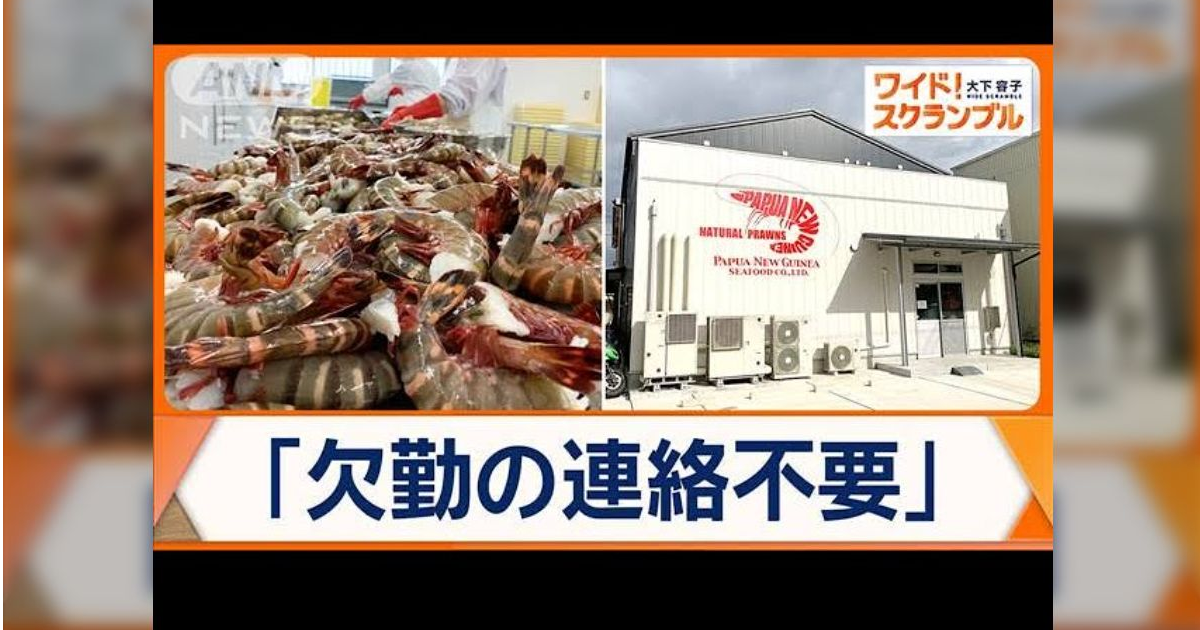
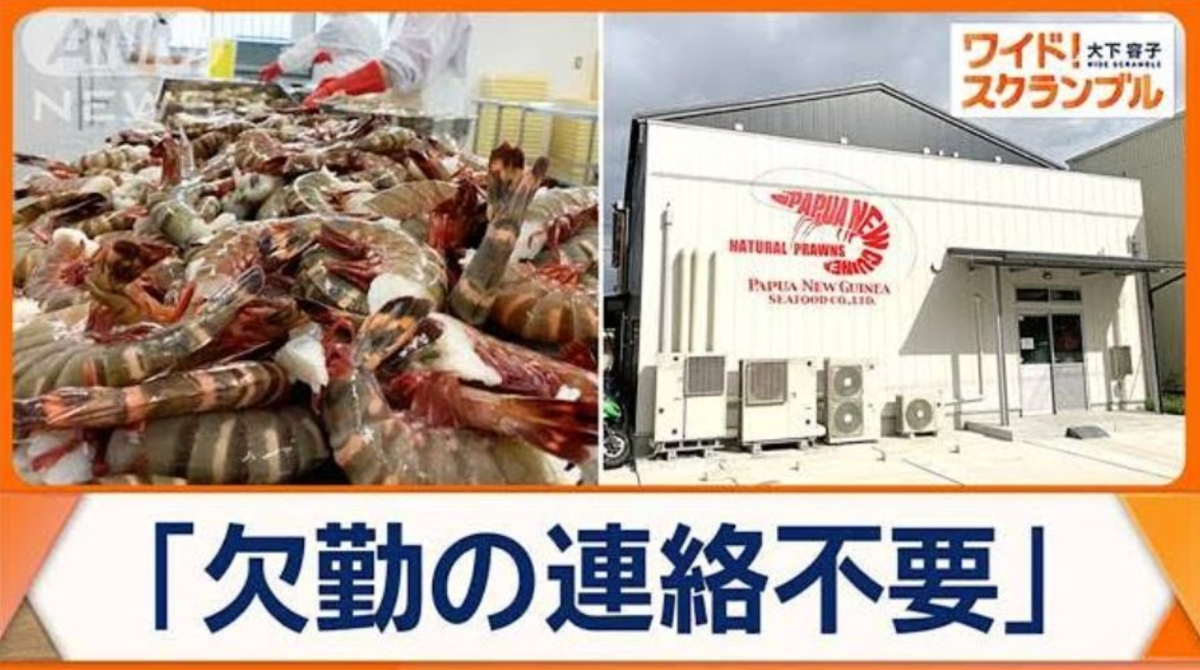
According to Japanese media reports, the company is called "Papua New Guinea Marine Products" (パプアニューギニア海産). At 8:40 AM, which is theoretically the start of the workday, only three people were on the job. Manager Hokuto Muto explained, "It looks a bit sparse today because it's raining. Fridays are often like this when it's wet and cold."
Here's the kicker: this company operates on a "no-report absence" system! That means if you don't feel like coming in, you don't have to. No need to request leave or even send a message; employees decide entirely for themselves whether to show up.
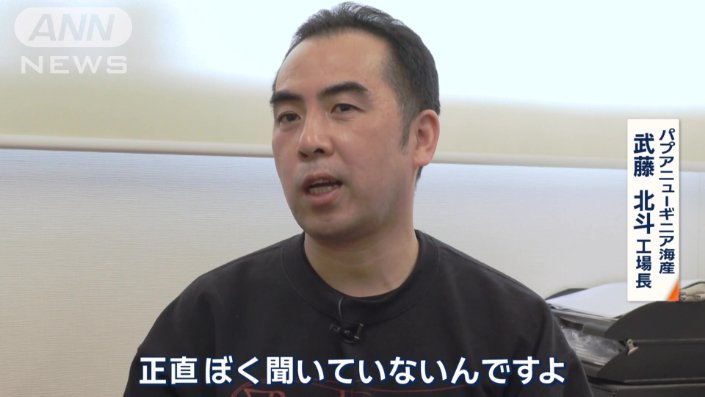
Why such an unconventional system? The company was originally located in Ishinomaki City, Miyagi Prefecture, but relocated to Osaka after the Great East Japan Earthquake. After the move, cultural differences and strict employee management led to an extremely high turnover rate, pushing the company to the brink of collapse.
Manager Hokuto Muto shared, "Many of our employees were mothers, and they all told me that if the company wanted to retain staff, it needed to make it easy to take time off." So, he completely flipped the script, implementing the "no-report absence" policy, which paradoxically made it easier for everyone to rest.
A female employee, a mother of three who has worked there for ten years, commented, "Before, I'd take time off for my kids' school events or when I wasn't feeling well." Another employee in her forties, who quit her previous job due to overwork, added, "My main reasons for taking time off are usually just rain or if I drank too much the night before."
Beyond flexible hours, the company has another wild rule: "Don't do work you hate."
The manager elaborated, "Every month, we send out a questionnaire where people can list tasks they dislike, and we then ensure they don't have to do those jobs." For instance, if someone hates sorting shrimp by size, packaging, washing dishes, or cleaning, they're assigned other duties. There's even an employee with a stutter who dislikes greetings and small talk, and the company fully respects that. This approach has significantly boosted employee retention. In the past five years, not a single person has left due to dissatisfaction with their work or the company, and performance targets are not only met but often exceeded.
While the system is incredibly employee-friendly, there are still boundaries. Manager Muto set a minimum attendance requirement: "At least 20 hours within two weeks," ensuring basic production volume.
What if there are too many people or too much product? Shrimp products can be frozen and stored, and if shipping volume is low, they offer discounts to encourage customers to buy more. This summer, they even plan to open a fried shrimp restaurant to help clear inventory. Manager Muto stated, "I believe that allowing employees to rest properly is a source of motivation in itself. If employers understand this, they can create a win-win work environment." Currently, due to the extremely low employee turnover, the company isn't even recruiting new staff.
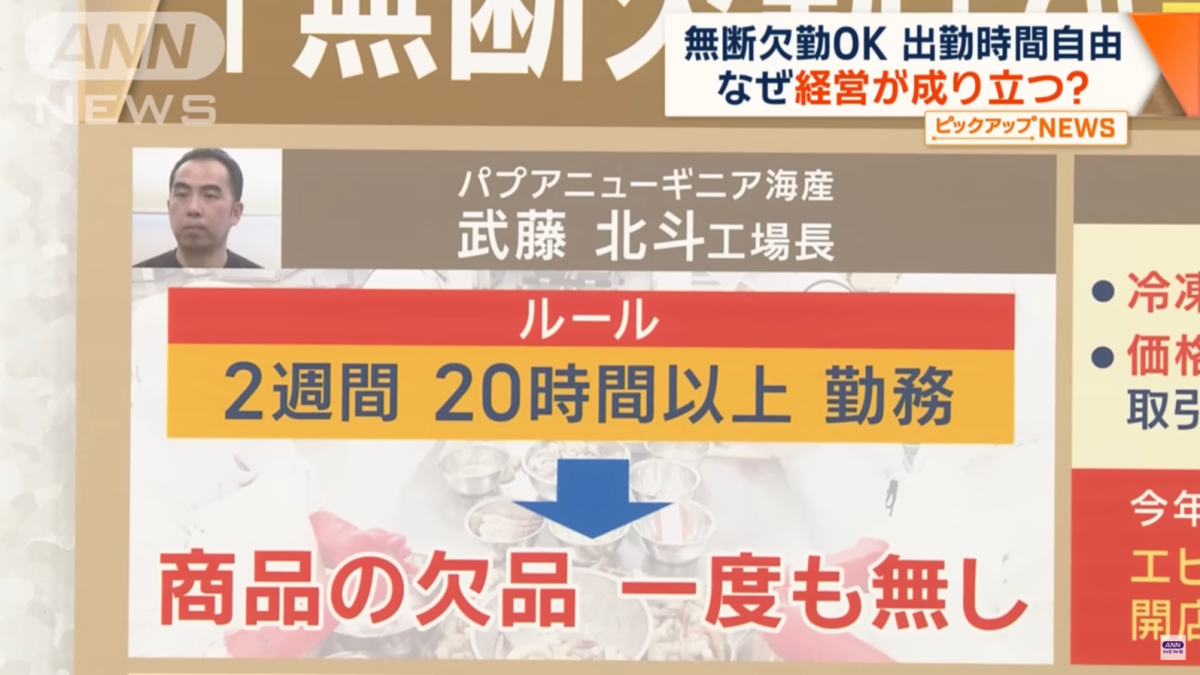
▼ ANN News report video
This system has garnered significant praise online. While some acknowledge it might be feasible "due to the nature of the industry," it undeniably empowers employees with work freedom and adequate rest. Those who want to do more can, which genuinely boosts work motivation.
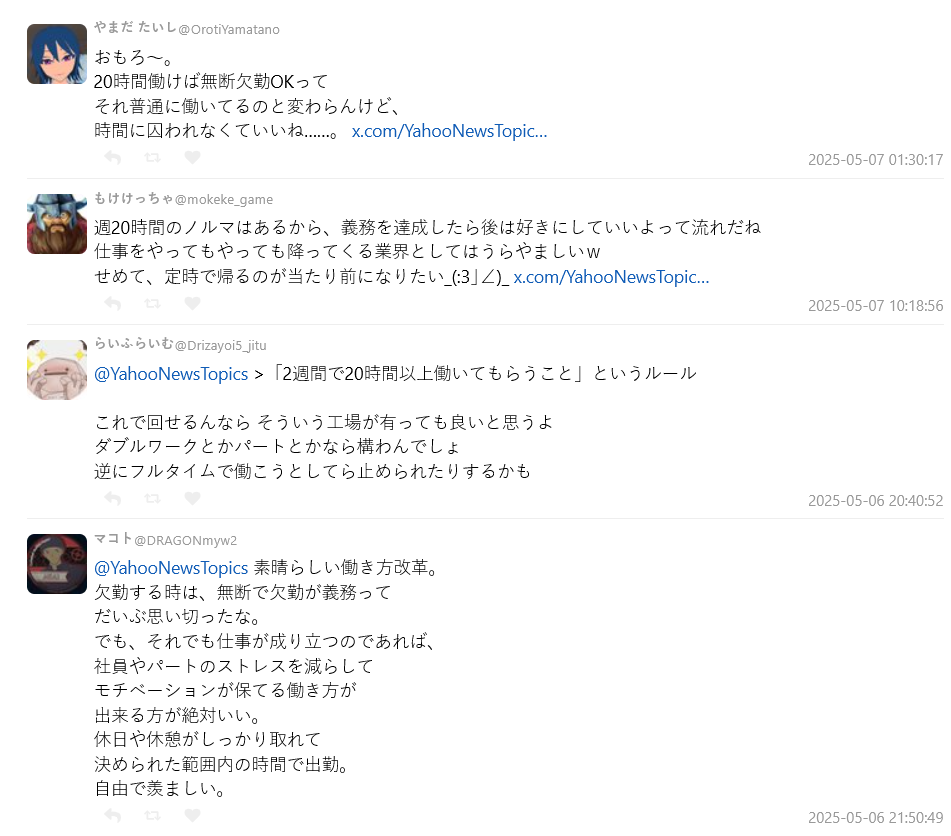
The "no-report absence" policy, in particular, has been lauded by many netizens. People often rack their brains for leave excuses, fearing company disapproval, so not having to explain themselves is a huge relief.
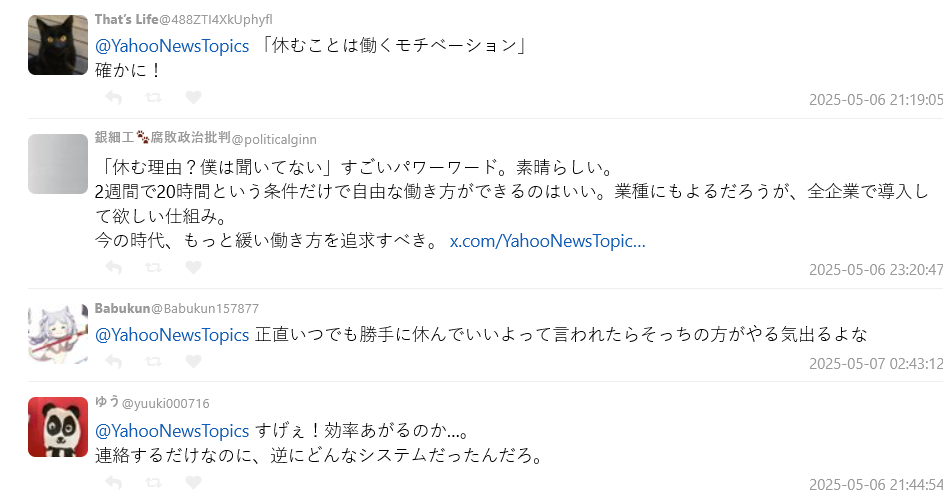
Of course, this can only be implemented in industries that can accommodate such working conditions. Many sectors still operate on tight schedules and emphasize productivity, making it difficult to accept staff absences that could lead to labor shortages.
However, if such a system can be implemented and also boost industry performance, it's certainly a commendable approach.
via: togetter