

Megumi Hayashibara (林原めぐみ) is a legend in the voice acting world, also known for her work as a singer, DJ, lyricist (under the pseudonym Grace), and author. Her iconic roles are countless, from Rei Ayanami in "Neon Genesis Evangelion" and Lina Inverse in "Slayers" to Ai Haibara in "Detective Conan" and Ranma Saotome (female) in "Ranma ½."
However, on June 8th, she unexpectedly trended on X after candidly discussing "the difficulty of talking politics" on her blog. Her open expression of concern over Japanese political apathy surprisingly drew accusations of xenophobia from some, leaving many shocked.

▼ Megumi Hayashibara appeared on Japan's X trending topics today.
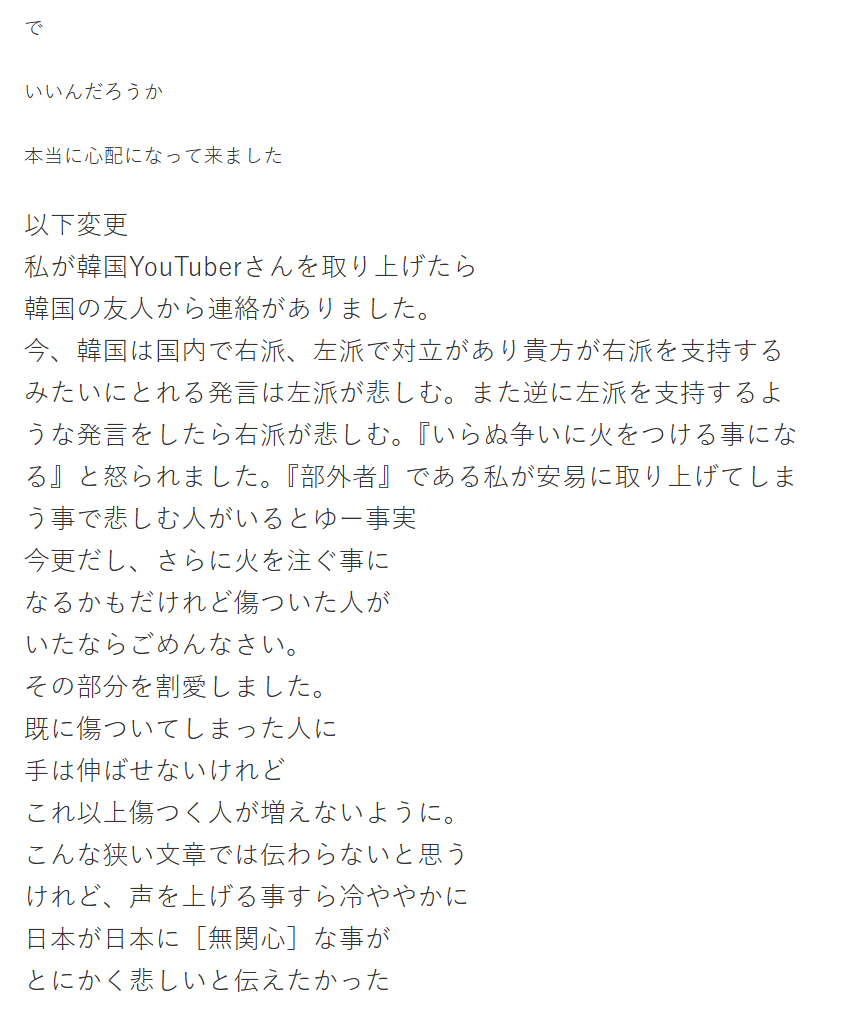
In her June 8th blog post, titled "No Interest, Don't Understand, Don't Know" (興味がない、わからない、知らない), she highlighted Japan's alarmingly low voter turnout. Initially, she even cited a Korean YouTuber actively discussing politics as an example. However, the post was later edited after a Korean friend advised her that "in Korea, the left and right are fiercely divided, and discussing politics can easily label you with a certain stance, potentially stirring unnecessary conflict."
Hayashibara explained that her original intent was simply to spark interest, but realizing she "might unintentionally hurt someone," she apologized and removed certain sections. She added, "What I truly wanted to convey was my deep sadness over the apathy Japanese people show towards their own country."
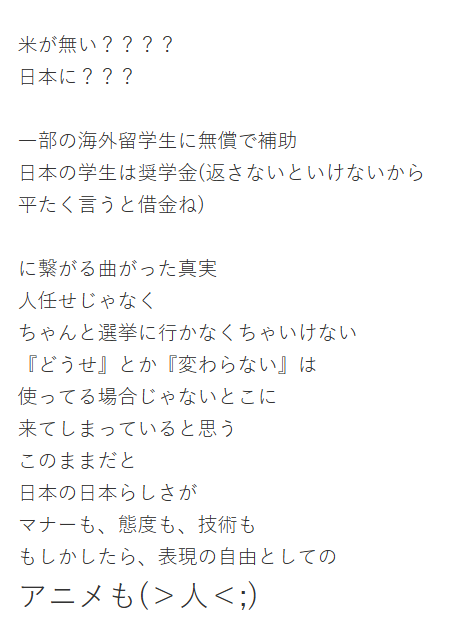
The article delved into Japan's recent rice shortage, noting how many international students receive full tuition scholarships while Japanese students often shoulder student loan debt. She warned that if people continue to shirk responsibility, avoid voting, and ignore politics, the situation will only worsen.
"We can no longer say things like 'it won't change anyway'," she wrote, emphasizing that Japan has reached a critical point. She fears that the "Japanese essence" – from manners, attitudes, and craftsmanship to the cherished culture of "free expression in anime" – could slowly vanish.
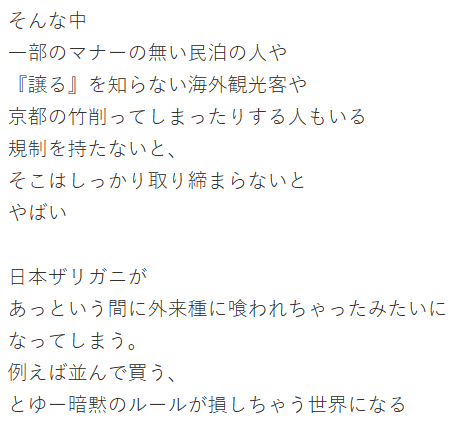
She also pointed to issues like disrespectful tourists at guesthouses, visitors who ignore basic etiquette, and even instances of people cutting bamboo in Kyoto. Without proper regulations and enforcement, she cautioned, these chaotic situations pose a real danger.
"Just as the native Japanese crayfish were quickly overtaken by invasive species, our culture could be swallowed up in an instant," she analogized, adding that even unwritten rules like "lining up to buy things" could become lost values.
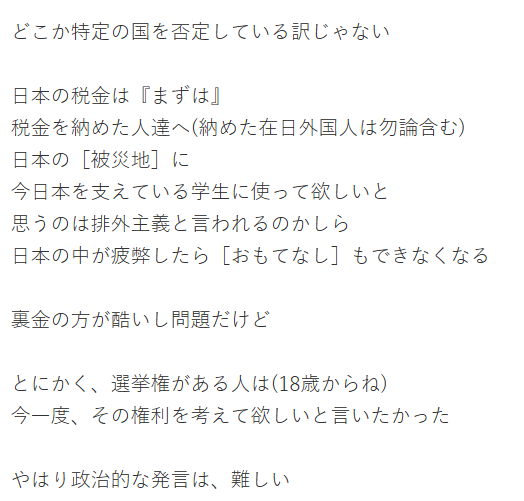
Hayashibara stressed that she wasn't targeting any specific country. Her point was that Japanese tax money should "prioritize" Japanese citizens who pay taxes (including foreign residents who pay taxes), hoping for more support for disaster-stricken areas and the students who represent Japan's future.
She lamented, "Is merely saying this considered 'xenophobic'?" If Japan can't sustain itself, it won't even be able to be "hospitable." While acknowledging Japan's significant political corruption, which certainly needs addressing, she ultimately urged all eligible voters: "Please, truly reconsider the meaning of the ballot in your hand." She concluded with a sigh, "Ah... political statements are so hard."
(Note: This paragraph was likely modified after the backlash.)
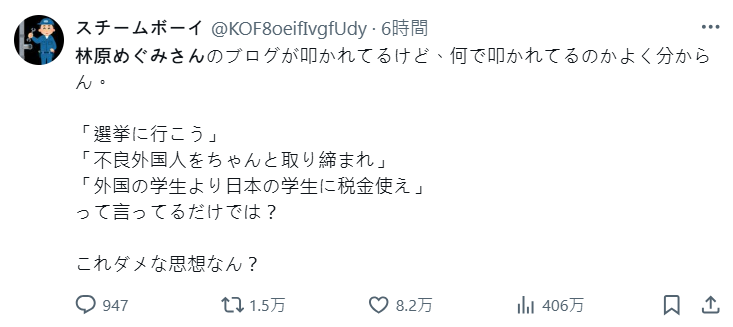
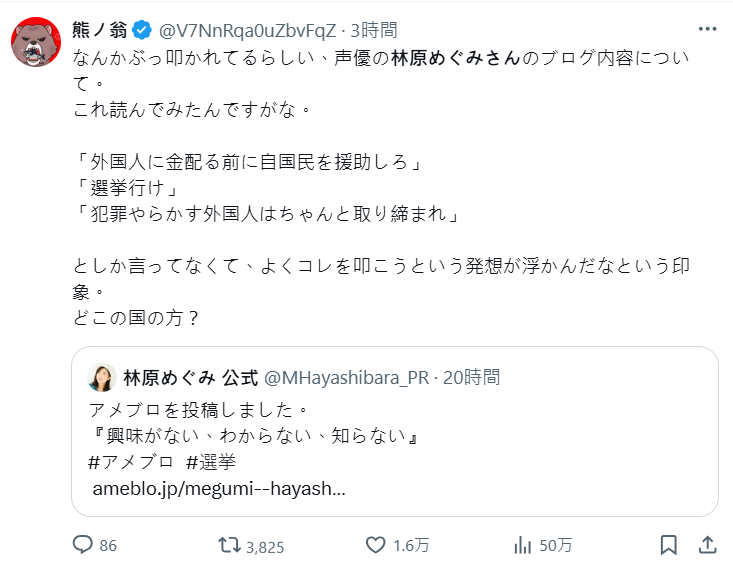
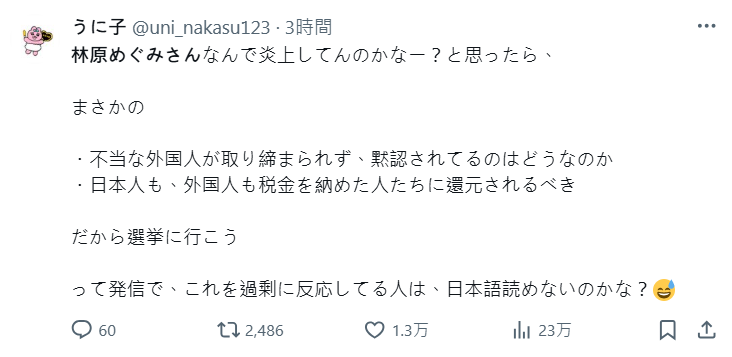
After trending on X and sparking widespread discussion, many netizens rallied behind Hayashibara. They questioned why her statements—encouraging people to vote, advocating for the crackdown on illegal foreign residents, and prioritizing tax money for Japanese students over foreign ones—were deemed problematic or xenophobic.
Historically, political commentary from the entertainment industry usually came from veteran artists or musicians, making a voice actor's public statement quite rare. This made Hayashibara's move both surprising and moving for many fans.
Overall, Hayashibara's remarks weren't extreme; they were filled with concern and worry, aiming to awaken a sense of responsibility and action towards one's own country. In an era where "anything you say can be used against you," her example might prompt a re-evaluation of whether celebrities and influencers truly can't discuss politics.