

Former PlayStation executive Shuhei Yoshida recently shared his thoughts on the relationship between Sony Interactive Entertainment LLC (SIE) and Nintendo during a podcast interview.
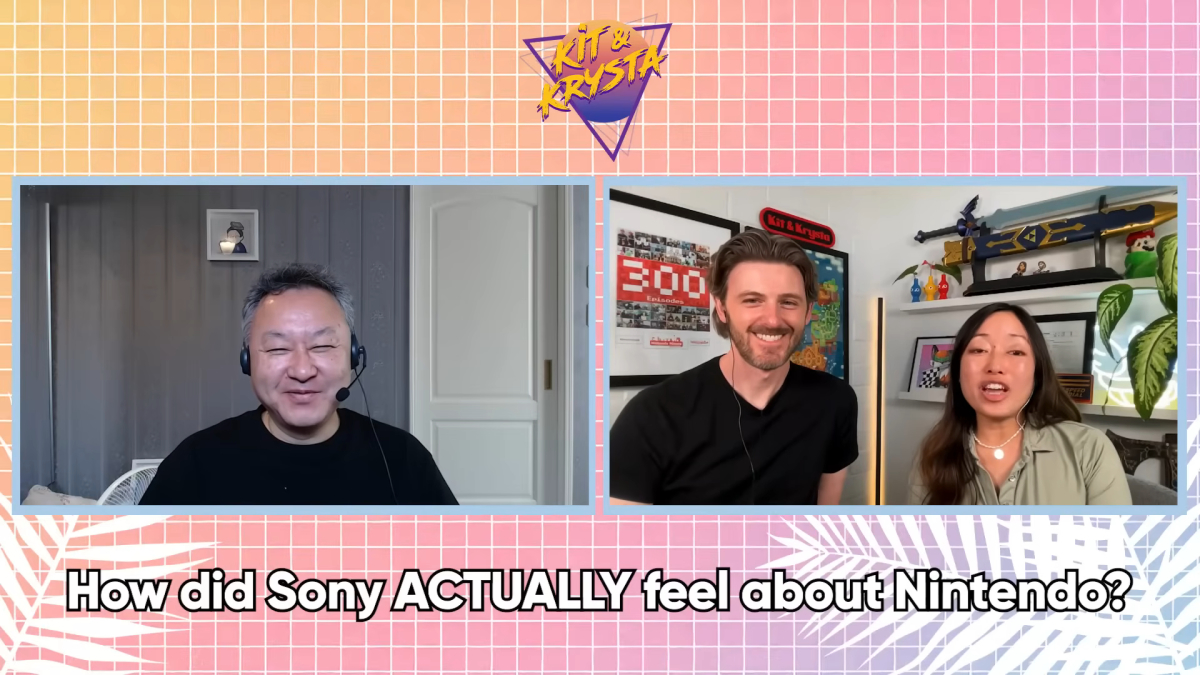
Appearing on the popular "Kit & Krysta Podcast," Yoshida suggested that "Nintendo attracts a lot of young people into gaming, and as they grow older, they might transition to more mature platforms like PlayStation or Xbox." He later clarified that Sony has always held Nintendo in high regard, viewing its success as a positive development for the entire industry.
What truly ignited discussion, however, was Yoshida's definition of "competitors." He stated that Sony primarily views Microsoft's Xbox as its rival, not Nintendo. He explained:
"Xbox utilizes high-performance hardware similar to PlayStation, and its game style is also more mature; whereas Nintendo focuses on family entertainment, emphasizing fun with friends and family rather than being technology-driven." Yoshida added that in Sony's internal market analysis, Nintendo "doesn't even appear on the reports" because the two companies have vastly different core objectives.
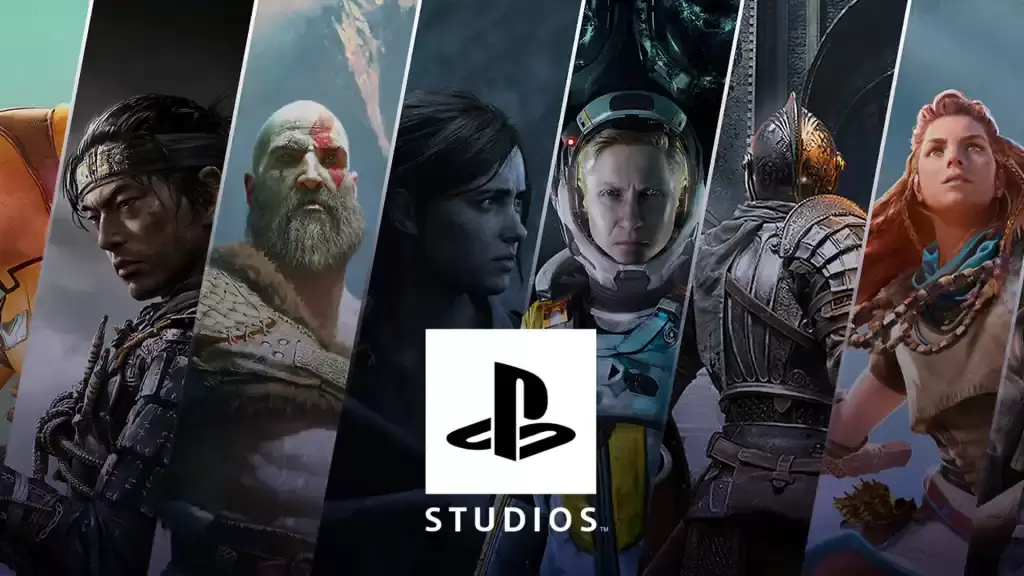
The use of the word "mature" immediately sparked a heated debate. Nintendo platforms have, in fact, supported numerous "M-rated" titles over the years, with major releases like "Doom," "Resident Evil," and "The Witcher 3: Wild Hunt" all making their way to the Switch. The perennial cultural debate over whether "mature" refers to violent and dark game content or deeper narratives and themes remains unresolved.
This statement quickly drew significant attention, particularly the definition of a "mature system." As many were quick to point out, Nintendo's platforms have long hosted a variety of "restricted" titles, including major hits like "Doom," "Resident Evil," and "The Witcher 3: Wild Hunt" on the Switch. The ongoing debate about whether "mature" signifies violent and dark content or more profound narratives and themes continues to be a complex discussion.

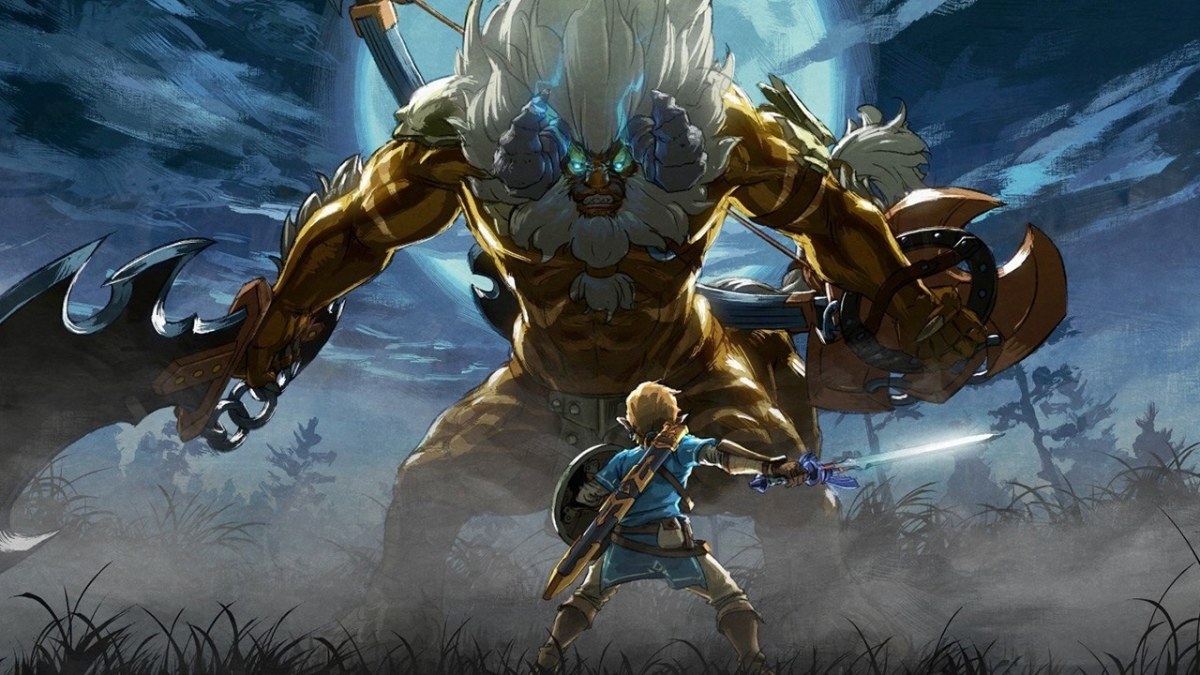
Some critics argue that Yoshida's comments echo Sony Interactive Entertainment's long-standing narrative: positioning PlayStation as the "advanced choice" for grown-up gamers, while relegating Nintendo to an entry-level platform. While this perspective might have its market logic, it risks overlooking the value of Nintendo titles like "The Legend of Zelda" and "Xenoblade," which boast mature themes and innovative design.
Although Shuhei Yoshida is no longer officially with Sony, his long tenure as a prominent PlayStation figure means his remarks still carry considerable weight. His recent comments both acknowledge Nintendo's market position and influence, and once again highlight Sony's strategic thinking and expectations regarding user migration.