

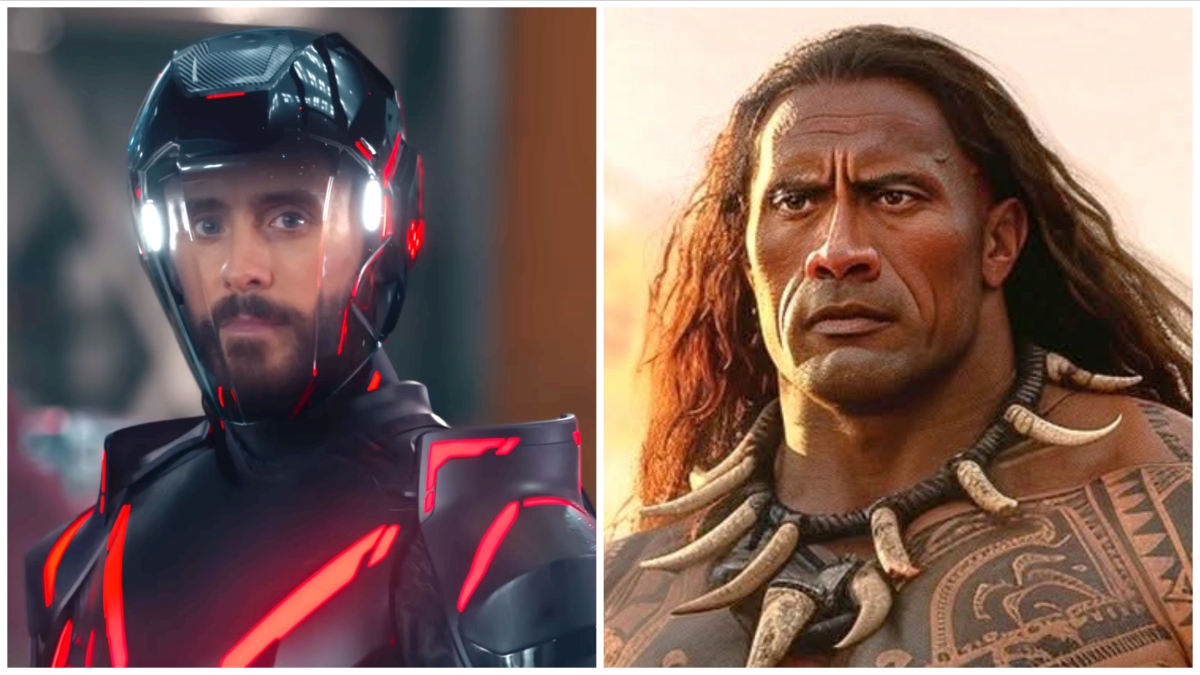
 (Image Source: Walt Disney Pictures, Pinterest)
The Wall Street Journal published a special report this morning titled "Is It Still Disney Magic If It's Made with AI?", revealing Disney's recent internal struggles with AI technology.
The report noted that the upcoming live-action "Moana" originally intended to use deepfake technology to superimpose lead actor Dwayne Johnson's face onto his stunt double cousin, Tanoai Reed (pictured right below), for stunt sequences. Johnson had initially approved this arrangement, working with AI company Metaphysic. However, the plan was ultimately abandoned due to emerging legal complications.
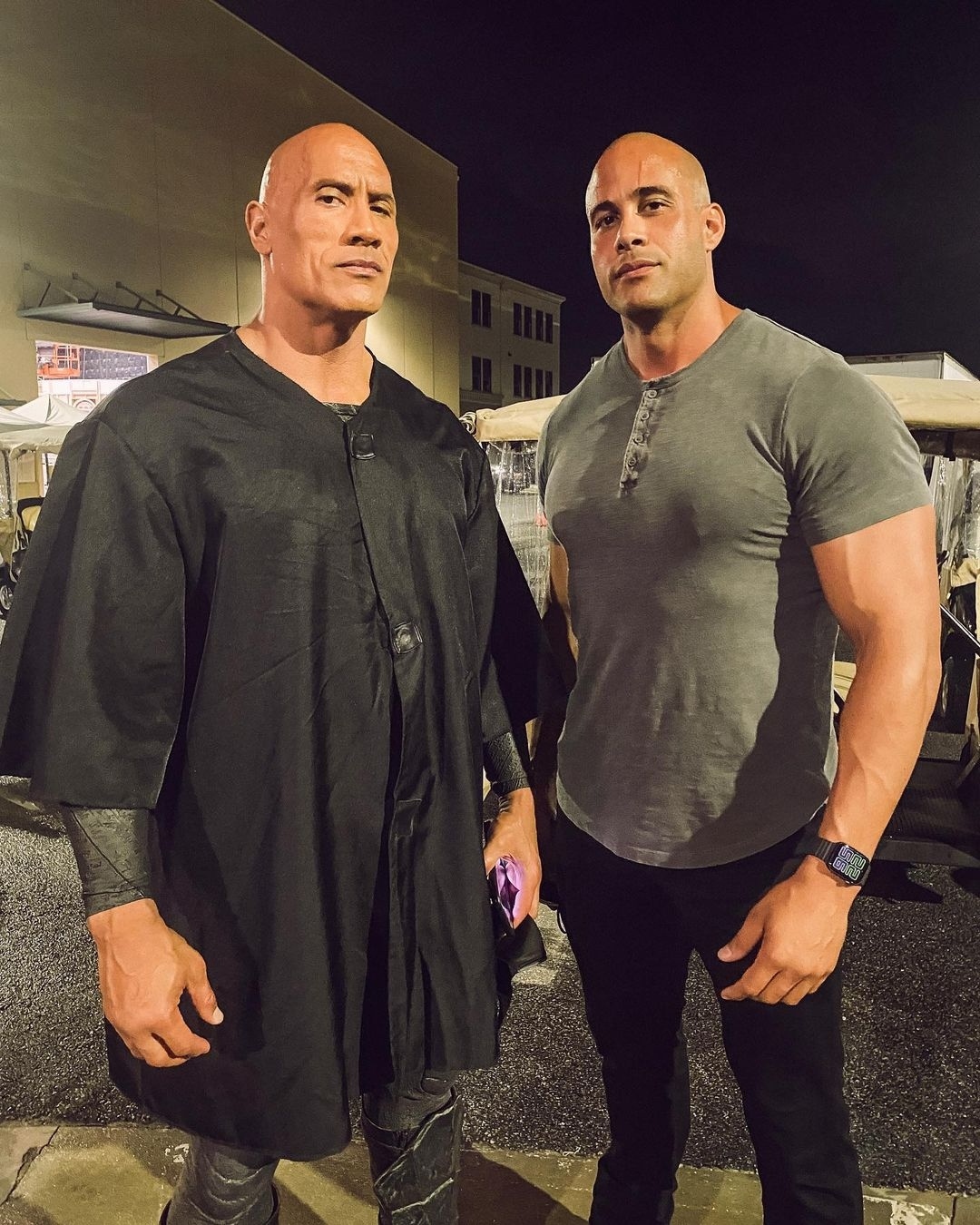
(Image Source: Pinterest)
The Wall Street Journal revealed that Disney's legal team engaged in extensive discussions regarding the protection of deepfake data. A primary concern was the potential loss of full ownership over the film's content if portions were generated by AI. Reportedly, Disney and Metaphysic spent 18 months in intermittent negotiations over contract terms and the scope of work for the digital double, but the already produced footage will ultimately not be included in the final film.
 (Image Source: Walt Disney Pictures)
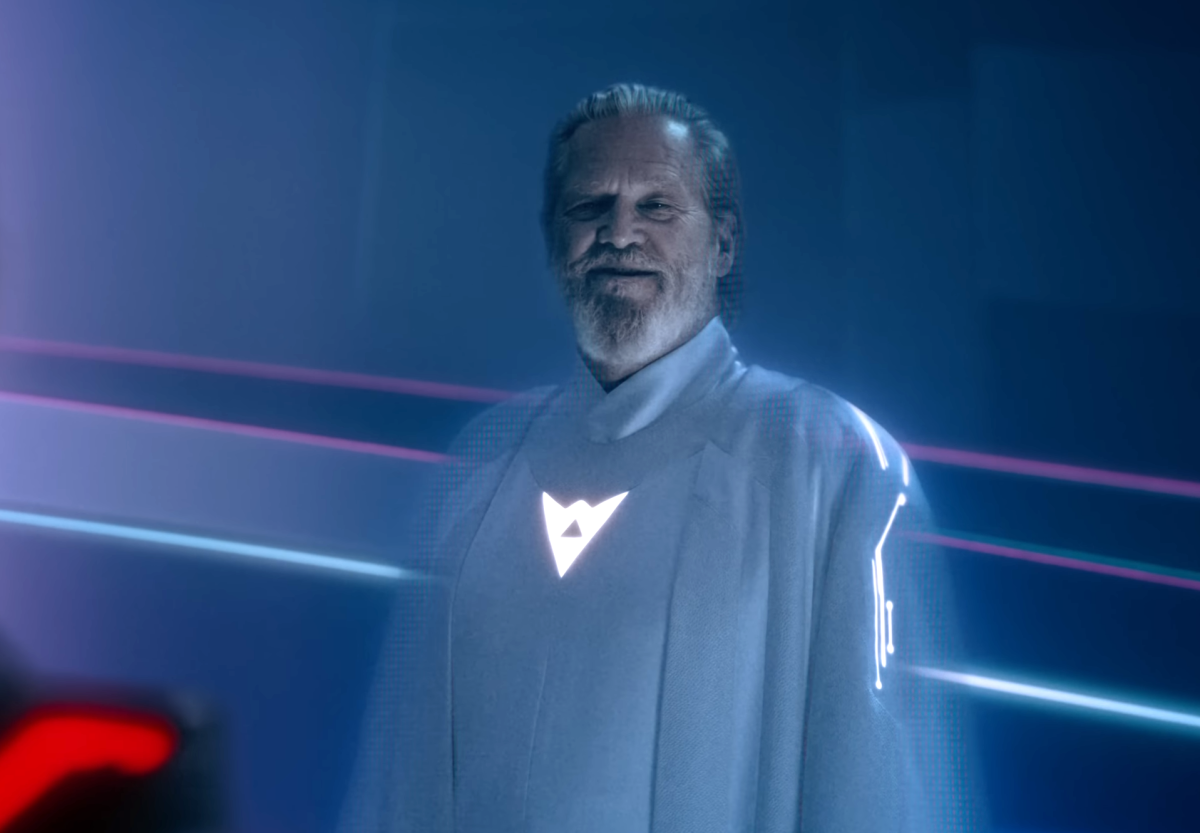
The Wall Street Journal also reported that Disney's other major sci-fi sequel, "Tron: Ares," a film whose narrative directly engages with AI themes, originally considered featuring a fully AI-generated character. An executive initially proposed this as a promotional stunt, where screenwriters would establish the character's initial persona, an actor would provide its voice, and it would autonomously respond to other actors' inquiries within the film.
This AI character was envisioned as an aide named Bit, accompanying original protagonist Jeff Bridges. However, the proposal was ultimately rejected, as other Disney executives feared it would generate negative public perception and intensify audience backlash against AI.