

Even as fans await the delayed release of "Grand Theft Auto VI," the University of Tennessee is getting a head start, launching the world's first history course centered on the "Grand Theft Auto" series in January 2026.
Titled "Grand Theft America: U.S. History Since 1980 through the GTA Video Games," the course will be taught by history professor Tore Olsson.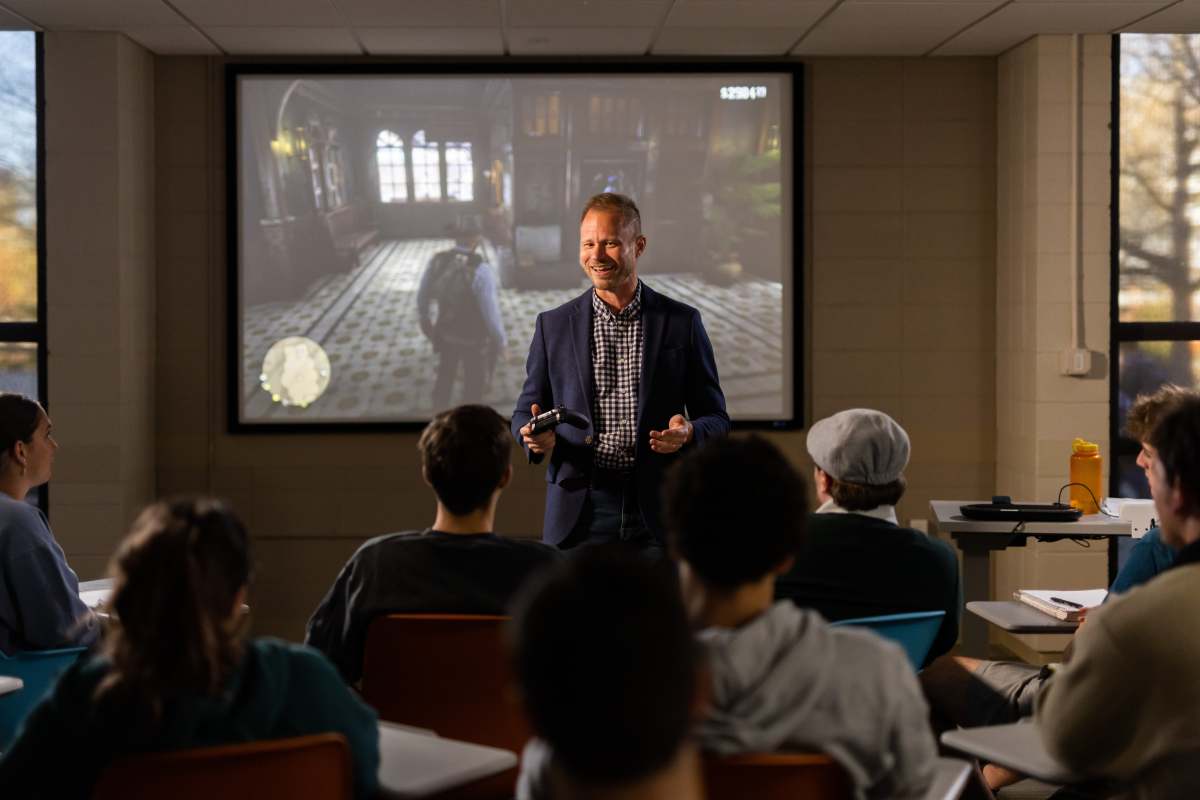
Olsson previously gained attention for a course themed around "Red Dead Redemption" and even published a book, Red Dead's History, with the audiobook narrated by Roger Clark, the voice actor for the game's protagonist, Arthur Morgan.
Now, he's once again using a Rockstar Games title as a teaching tool. However, unlike "Red Dead Redemption," the "GTA" series isn't a strict historical recreation but rather a dark, satirical portrayal of contemporary America.
"Video games can influence people's understanding of the real world," Olsson noted in an interview with IGN. "Millions of players imagine America through Los Santos, Liberty City, or Vice City. My course will use GTA's fictional world as a framework to explore the major transformations in American society since 1980."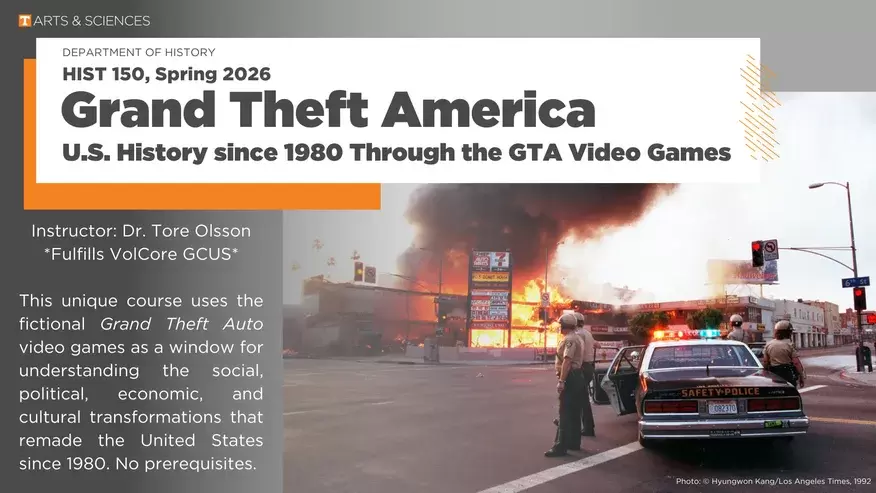
He emphasized that the period from 1980 to the present represents a unique and coherent era. At the start of this period, news sources were more unified and social disparities were smaller. Today, however, CEO pay is nearly 400 times that of the average worker, the immigrant population exceeds 15%, and the prison population quadrupled between 1980 and 2005.
"To understand the current United States, you have to look back at these last 40-plus years, and GTA provides the perfect entry point for that," Olsson said.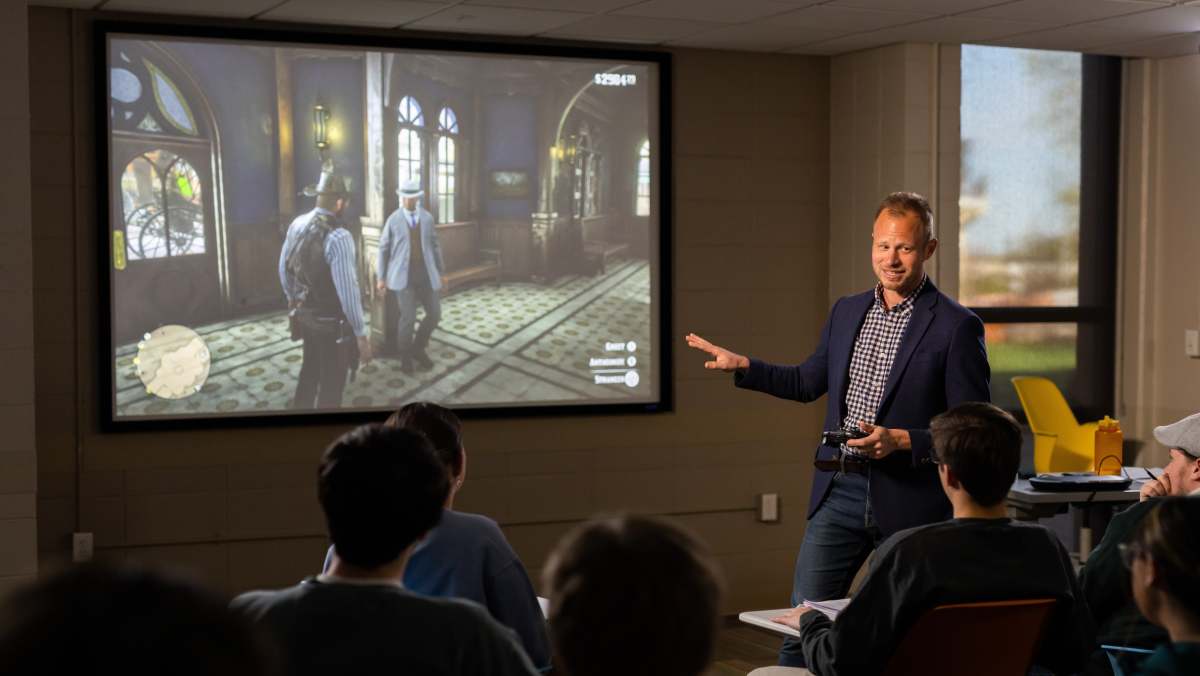
The course will use several games from the series as guideposts: "Vice City" and "Vice City Stories" will represent the 1980s, "San Andreas" will focus on West Coast society in 1992, and "GTA 3," "GTA 4," and "GTA 5" will depict different moments in the 21st century. Notably, the plot of "San Andreas," which involves police brutality and social unrest, is a clear reference to the 1992 Los Angeles riots.
Olsson stated that he will use these storylines to guide students toward a deeper understanding of contemporary American conflicts surrounding race, policing, and politics.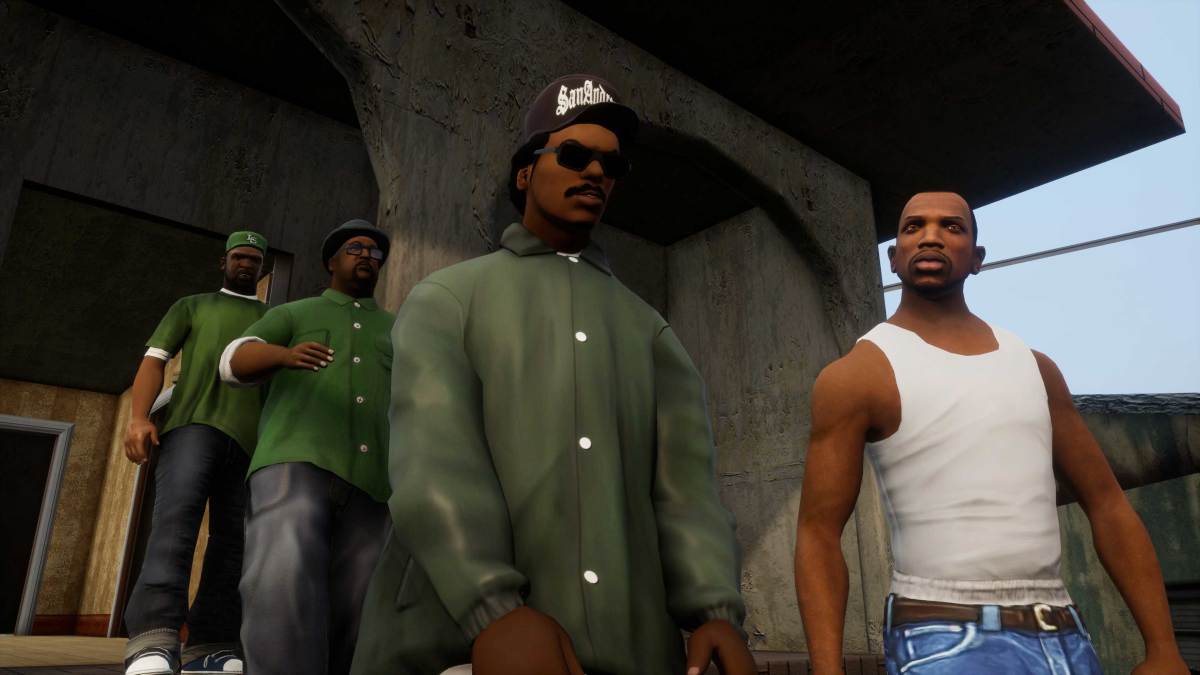
Regarding the games' accuracy, Olsson acknowledged that "GTA" often uses exaggerated satire, presenting a skewed vision of America as overrun with violence and sex work while ignoring suburbs and realistic traffic. However, he also pointed to details that ring true, such as the contrast between the docks and the manufacturing sector, the media polarization on radio stations, and even allusions to the 1987 repeal of the Fairness Doctrine, which led to an increasingly divided media landscape.
As for whether students will need to play the games, Olsson clarified that they won't be required to purchase or play "GTA." He will show clips and demonstrate gameplay in class, emphasizing that students will primarily be studying historical content, not the game's plot.
"While GTA is famous for its violence, the core of my course is anti-violence," Olsson explained. "The goal is to help students understand the roots of division in American society and see the potential for reconciliation."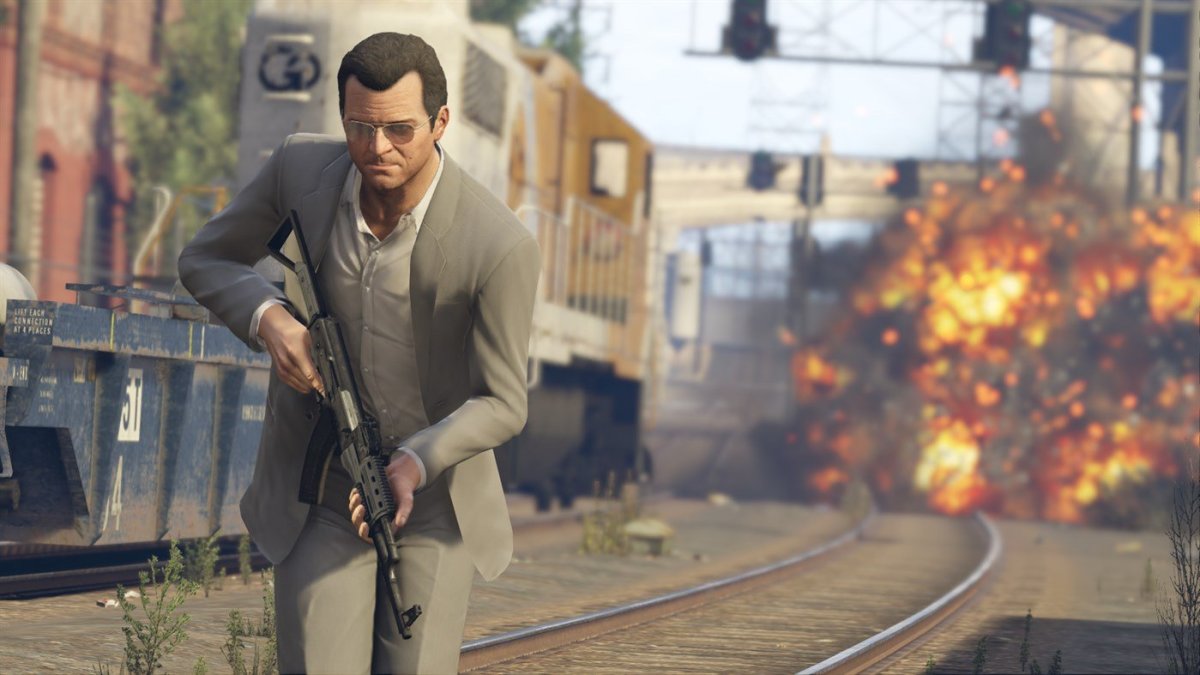
Although "GTA 6" is delayed until 2026 and won't be included in the initial curriculum, Olsson stressed that the course will be updated in the future.
"Yes, we are indeed getting a GTA history class before we get GTA 6!" he joked. For those unable to enroll, Olsson said he plans to share course progress on social media and is considering adapting the material into a new book.
As gaming becomes an increasingly mainstream part of culture, Olsson believes university curricula should embrace the trend. He noted that fifty years ago, people couldn't imagine rock and roll being a topic for a college class, yet such courses are very popular today. He suggested that in another generation, even more courses based on video games will likely emerge.
via: IGN