

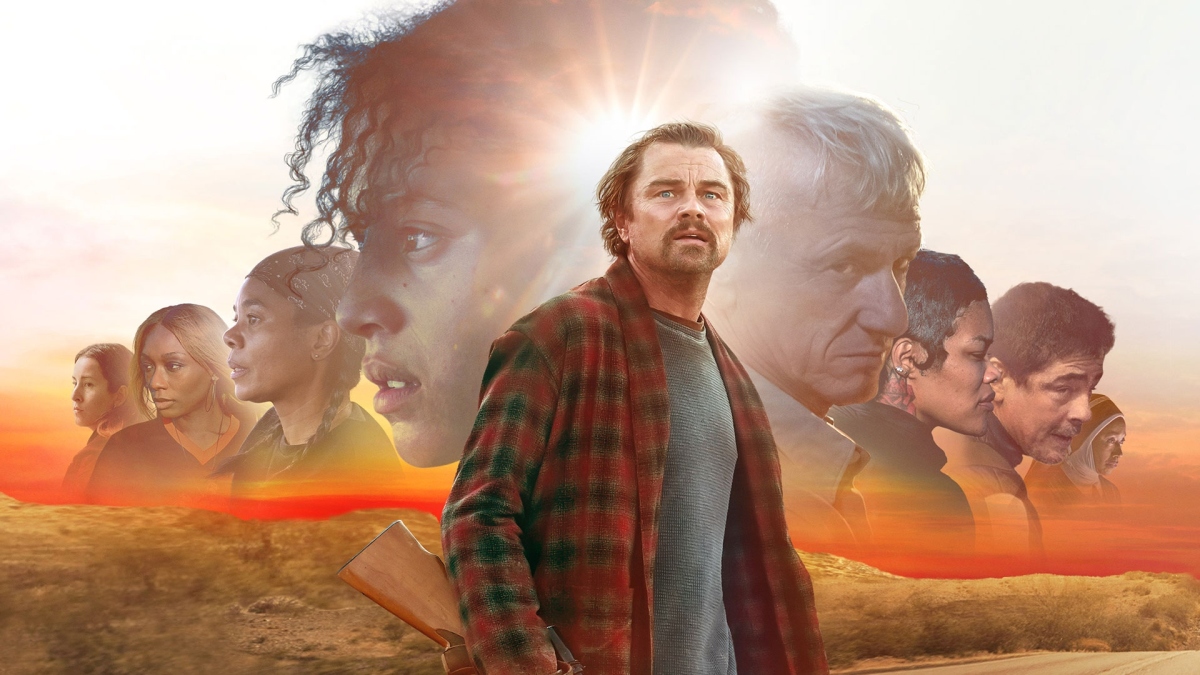
 (Image: Warner Bros. Pictures)
(Warning: Minor spoilers ahead)
Leonardo DiCaprio is a movie star of the old school—even more so than many of his contemporaries. He doesn't chase his own action hero franchise, nor does he churn out films simply to display his range. You won't find him taking on small indie projects just to mentor up-and-coming directors, and he certainly isn't content to step back into supporting roles as a wise elder or mentor. In fact, he's an actor who hasn't even done a playful cameo since hitting the big time. While we often call Tom Cruise the last great movie star, we might be overlooking that DiCaprio is an even rarer breed.
DiCaprio's old-school sensibility is evident first in his meticulous script selection, and second in the characters he chooses to inhabit. He has consistently, whether consciously or not, pursued a certain kind of aura—drawn to the scarred charisma of tragic figures, the fragile underbelly of masculinity, and the poignant downfall of entrepreneurs who burn too brightly on the wrong side of the law. Perhaps he isn't aware of it, but his roles rarely stray from these archetypes. These characters have bestowed upon him a star quality that is increasingly scarce in modern cinema, an aura that all but vanished after Hollywood’s golden age. It’s this quality that makes seeing DiCaprio on screen feel like witnessing the return of a legend from the era of Gregory Peck or James Stewart. That’s the source of his classic Hollywood vibe.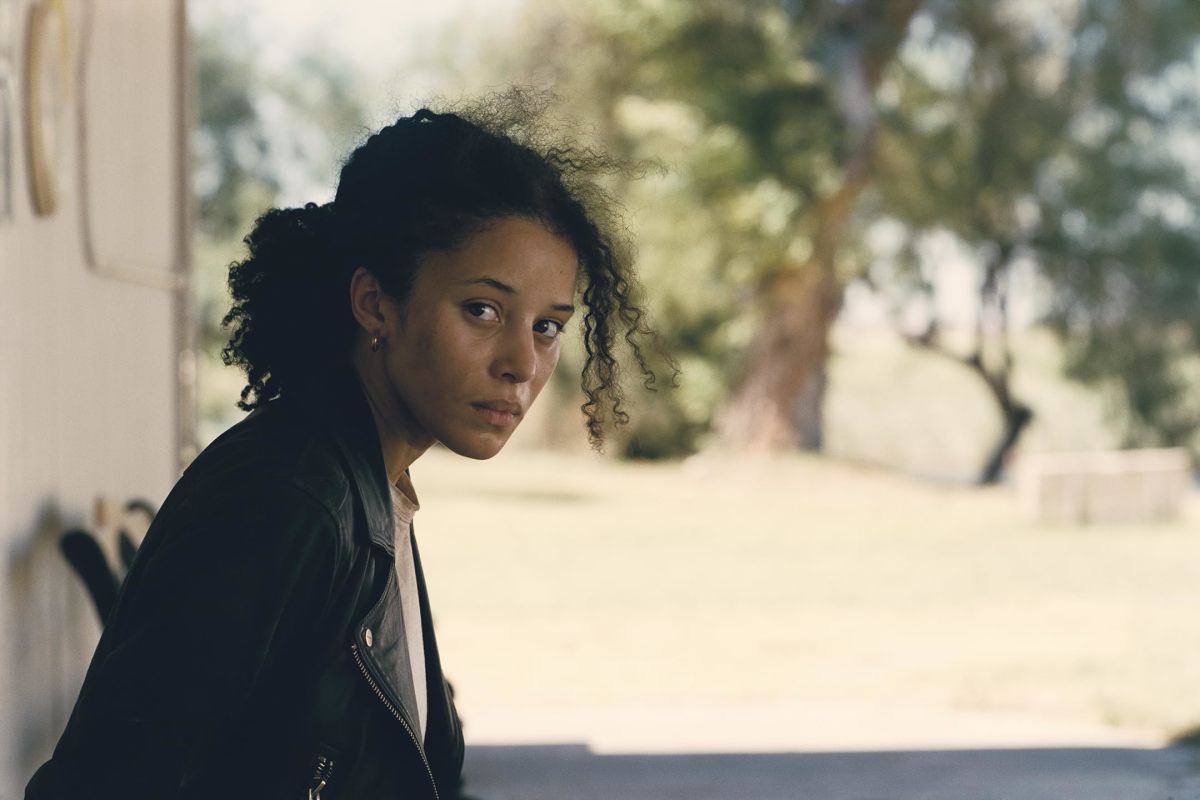
(Image: Warner Bros. Pictures)
In "The Battle Rages On," DiCaprio lands squarely on the "puncturing the fragile male ego" end of that spectrum. DiCaprio has a penchant for exposing his characters' weaknesses and vulnerabilities, sometimes with dramatic gravity and other times through absurd comedy. "The Battle Rages On" falls into the latter category, forming a unique throughline with "The Wolf of Wall Street," "Once Upon a Time in Hollywood," and "Don't Look Up" to create DiCaprio's personal "comedy collection." DiCaprio has never starred in a pure, 100% comedy; these four films are best described as dramedies, but he consistently uses these platforms to remind audiences that he has sharp comedic instincts.
And DiCaprio's path to comedy is simple: showcasing weakness and vulnerability. Will Ferrell gets laughs through narcissism, Bill Murray through his sardonic wit, Rowan Atkinson through slapstick blunders, Matthew Perry through sarcasm, and Jim Carrey through over-the-top exaggeration. Every comedy king has their signature move, and DiCaprio's is weakness. In "Don't Look Up," he's camera-shy and socially anxious. In "Once Upon a Time in Hollywood," he has a full-blown meltdown over a bad take, terrified of embarrassing himself in front of the crew. And in "The Battle Rages On," he's screaming at a customer service rep in a panic because he forgot a password. DiCaprio is at his funniest when he's flustered, when he's lost his confidence and can't keep it together.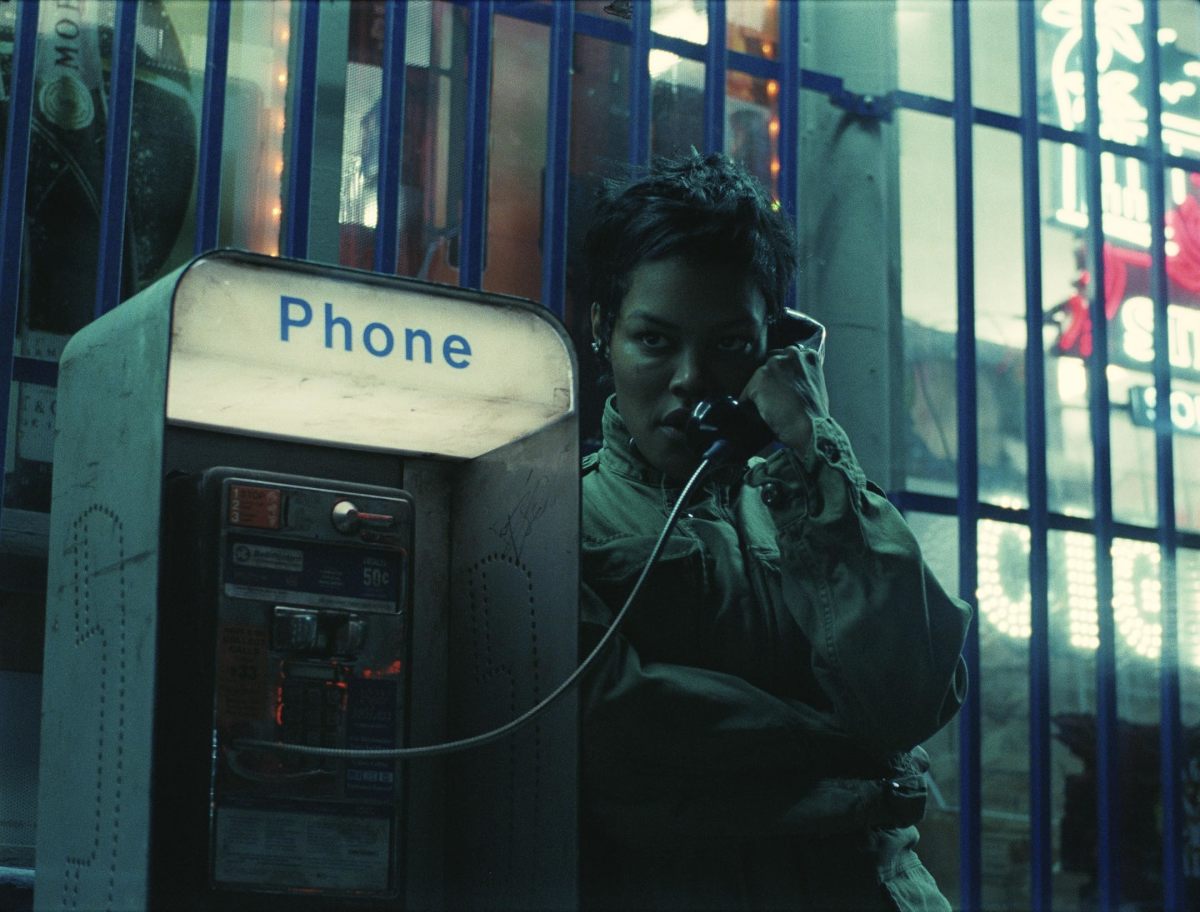 (Image: Warner Bros. Pictures)
A large part of why DiCaprio pulls this off so well is, of course, his handsome looks (even if people joke he's turning into Jack Nicholson, he still cleans up nicely) and his established reputation as a serious dramatic actor. The contrast is so stark it just works. Of course, DiCaprio's command of anxiety, helplessness, and panic has also become increasingly masterful. You can feel how completely at ease he is whenever he's in that state in "The Battle Rages On." He knows how to flexibly leverage his own screen persona and how to hit every beat of absurdist humor.
If "The Battle Rages On" is a showcase for DiCaprio's comedic firepower, then for director Paul Thomas Anderson, it's definitive proof he can helm a commercial blockbuster. While Anderson has always been categorized as an arthouse filmmaker and has never directed a true mainstream tentpole, he has never hidden his love for commercial cinema. We've seen countless prestige directors dismiss contemporary blockbusters and superhero films, but Anderson is one of the few indie darlings who openly admits to being a Marvel fan. He's such a die-hard that he'll proudly confess his love for the widely panned "Venom: Let There Be Carnage."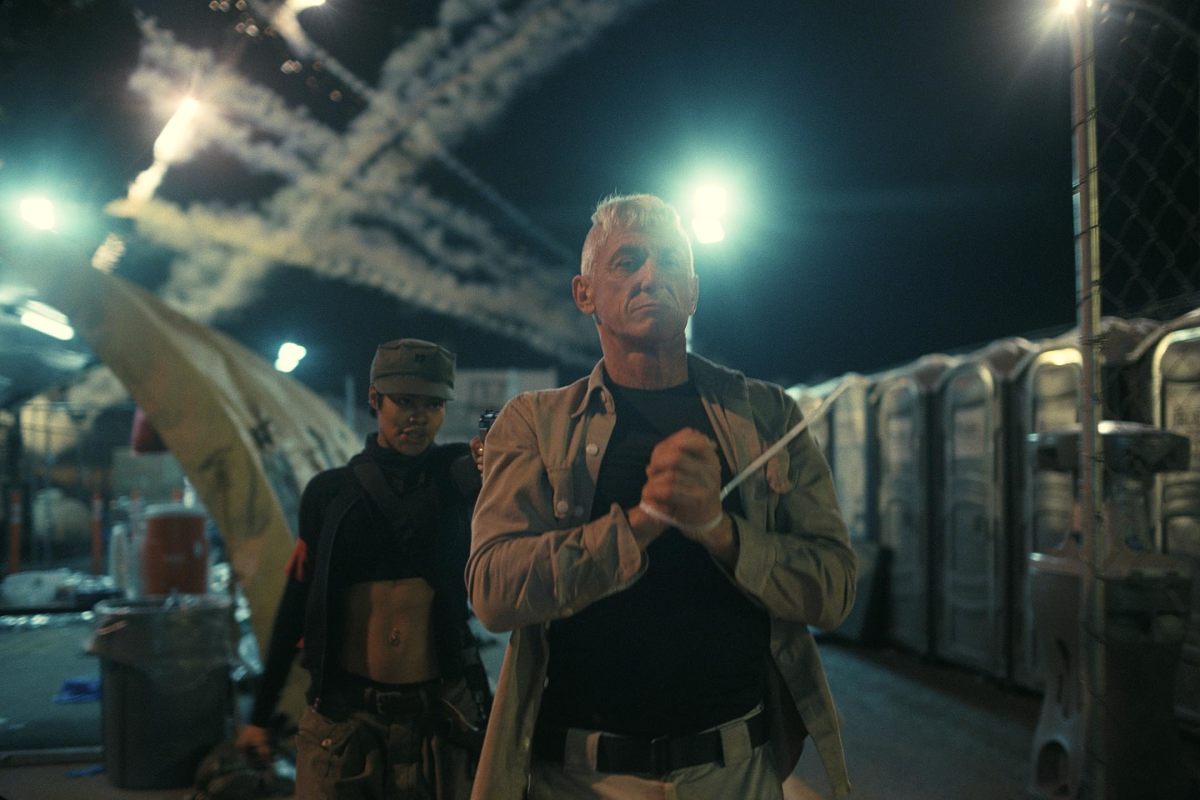 (Image: Warner Bros. Pictures)
Anderson hasn't given up on his blockbuster dreams. He recently lamented that Tom Cruise, his collaborator on "Magnolia," has never asked him to direct a "Mission: Impossible" film, much to his disappointment. While "The Battle Rages On" isn't a massive IP-driven production, in terms of genre, it is undoubtedly the most mainstream film Anderson has ever made. The film's core premise follows the familiar Hollywood formula of a "Taken"-style father on a mission to save his kidnapped child, mixed with a Masonic-esque secret society of elites driving a sprawling, race-fueled manhunt.
"The Battle Rages On" is both mainstream and anti-mainstream. Its formula is easy to recognize and the tension is expertly crafted, yet it delights in subverting expectations. Other movie dads have a particular set of skills; DiCaprio's character is a stoner who can't even remember his password, wasting precious time just trying to figure out a meeting spot. Other villains kidnap and kill for money, revenge, or radical political statements; Sean Penn's character is like a college kid desperate to join a fraternity, willing to do any ridiculous task to get in. Other car chases are about speed and spectacle. But this film's climactic pursuit is deliberately slow, with the cars crawling along. Yet, the slower they go, the more you sweat. Every time the rise and fall of the road appears on the horizon, you gasp. It's more thrilling than anything in the "Fast & Furious" saga.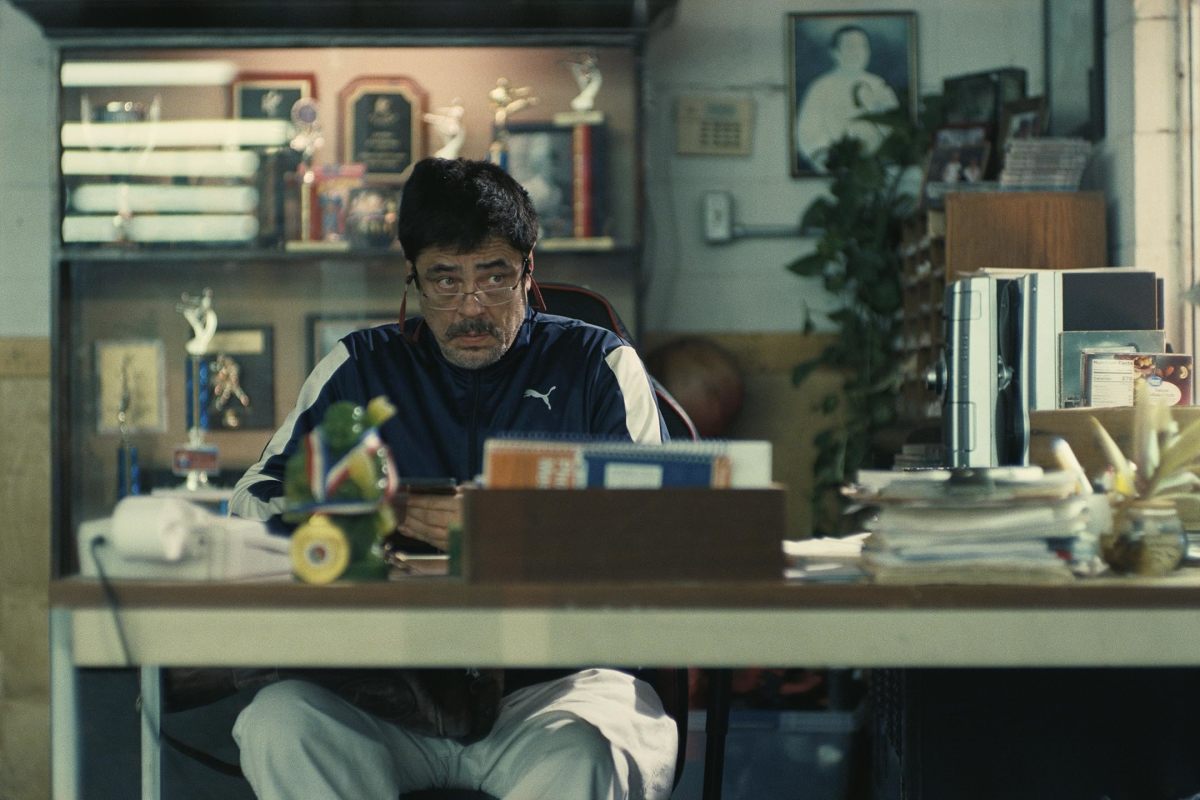
(Image: Warner Bros. Pictures)
"The Battle Rages On" is definitive proof that Anderson can command a commercial film, expertly using genre conventions while simultaneously flipping them to create even more surprises. Although the story is set against a backdrop of generational racial conflict, Anderson doesn't pause to preach. He propels the narrative forward with action, using the characters' journeys across different eras and locations to reflect how a revolution quietly persists, evolves, and is passed down. And Anderson's vision of passing the torch is simple and gentle: the once overprotective father finally allows himself to get a smartphone with his daughter, exploring its features with a mix of confusion and curiosity. He lets go, allowing her to find her own path and continue the unfinished work of the previous generation in her own way. One battle ends, another begins. Despite the story's epic scope, Anderson brings it to a close with a light touch, leaving the audience with a lingering, powerful resonance.
P.S. It feels like ages since we've seen Sean Penn in such a significant role in a major film, and I can't imagine any other actor being as effective. If Penn had turned it down, Anderson would have likely gone to his "Inherent Vice" collaborator Josh Brolin, who shares that same tough-guy persona. But Brolin is so prolific and has such high visibility that audiences might be too familiar with him. Penn, who is a relatively fresher face for modern audiences and delivers a more nuanced and restrained performance (that subtle lip twitch is brilliant), is arguably far more captivating.