

As the first part of "Stranger Things" Season 5 hits screens, the show's depiction of "Dungeons & Dragons" rules has once again sparked heated debate among veteran players. Josh Sawyer, Design Director at Obsidian Entertainment, was among the first to lampoon the series on social media, stating that "old players will spot" numerous rule inaccuracies. The discussion quickly spread across the RPG community.
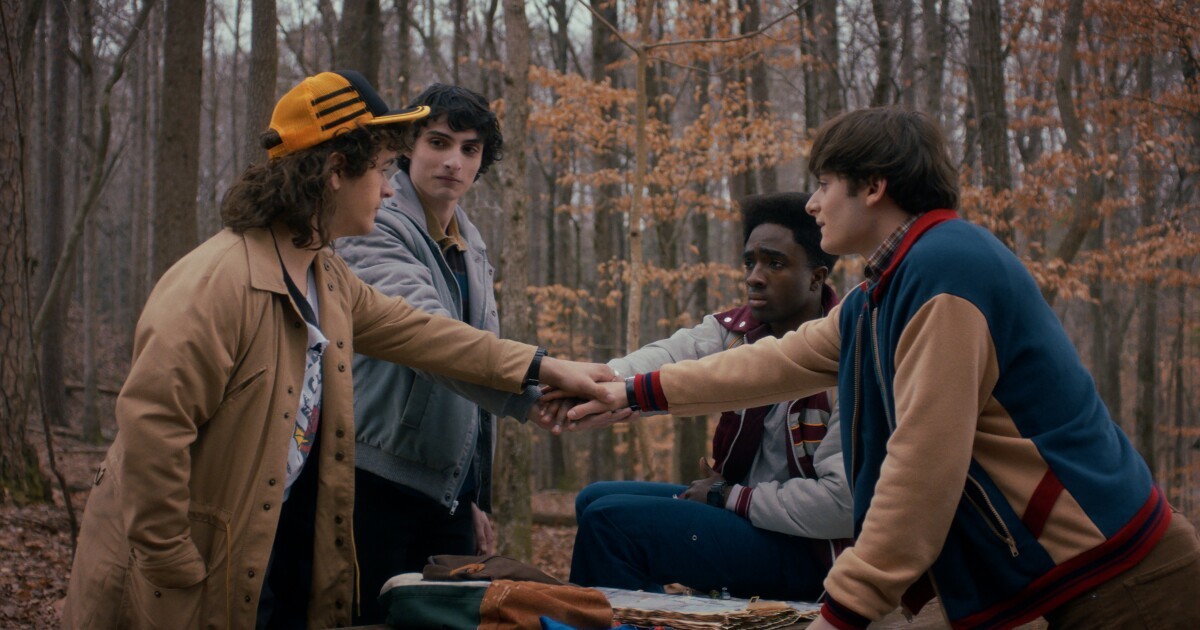
In the controversial scenes, characters are ostensibly playing with "Dungeons & Dragons" First Edition rules, yet the dialogue references character classes and abilities that only appeared in later versions. Sawyer specifically pointed out that elements like the sorcerer class, rogues being called "Rogue," and clerics casting "Gate" are all later edition designs, not rules players would have encountered in the 1980s.
What struck him as particularly jarring was that some errors weren't random fabrications but precisely aligned with the current Fifth Edition rules, suggesting the writers may have consulted newer source material. 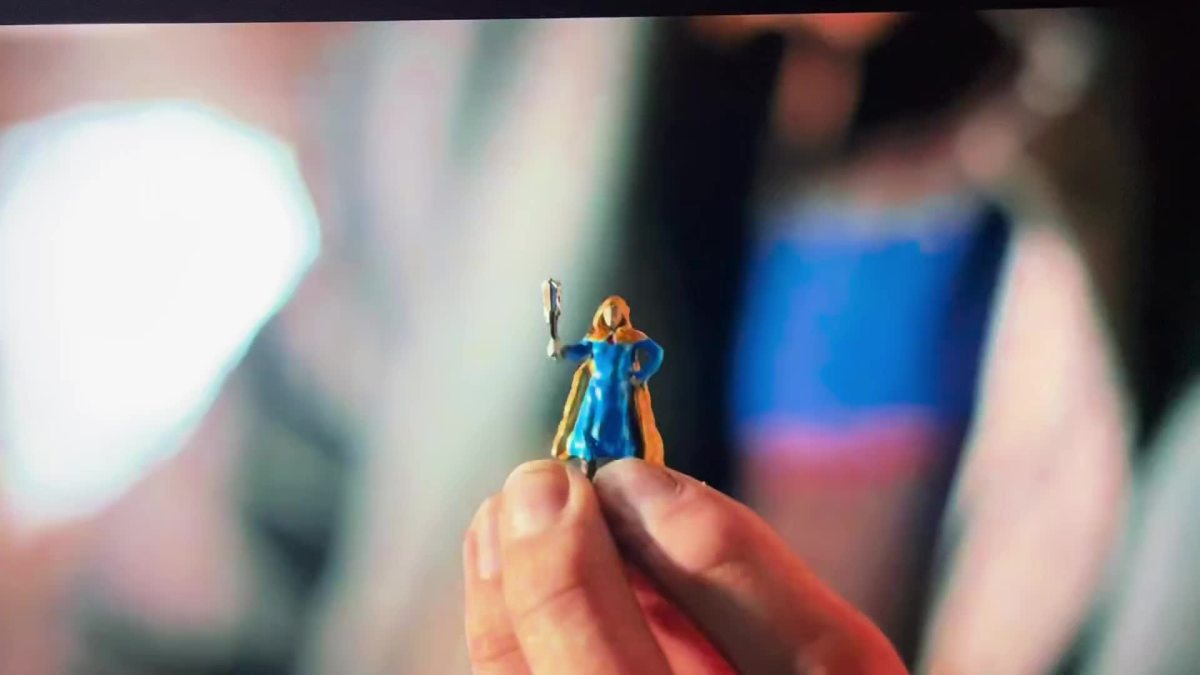
Sawyer further elaborated that characters in "Stranger Things," particularly Eddie Munson, are portrayed as seasoned players who take the rules seriously. This characterization, he argued, doesn't align with casually mixing or misusing rules, making it unreasonable to attribute the errors to "kids just playing around."
For Sawyer, the issue extends beyond mere factual details; it's about a show that prides itself on its period authenticity missing an opportunity to accurately portray the unfamiliar and often rough-around-the-edges nature of early "Dungeons & Dragons."
While these inaccuracies are unlikely to diminish the show's overall popularity, they can be quite jarring for audiences familiar with tabletop role-playing games. Sawyer admitted that his forty years of "Dungeons & Dragons" experience have ingrained these rules in his mind, making such anachronisms particularly noticeable. For many veteran players, this criticism is both a jest and a collective reminder about the importance of historical accuracy.
via: PC Gamer