

It's no secret that Japan's soft power and cultural content industry are among the best in the world, playing a massive role in boosting the nation's global presence.
In a special feature from the December 24th issue of Forbes JAPAN, titled "2026 General Forecast: 100 Questions to Understand the New Era," two of the country's most globally acclaimed directors, Hideaki Anno and Takashi Yamazaki, sat down to discuss the future of Japanese entertainment.
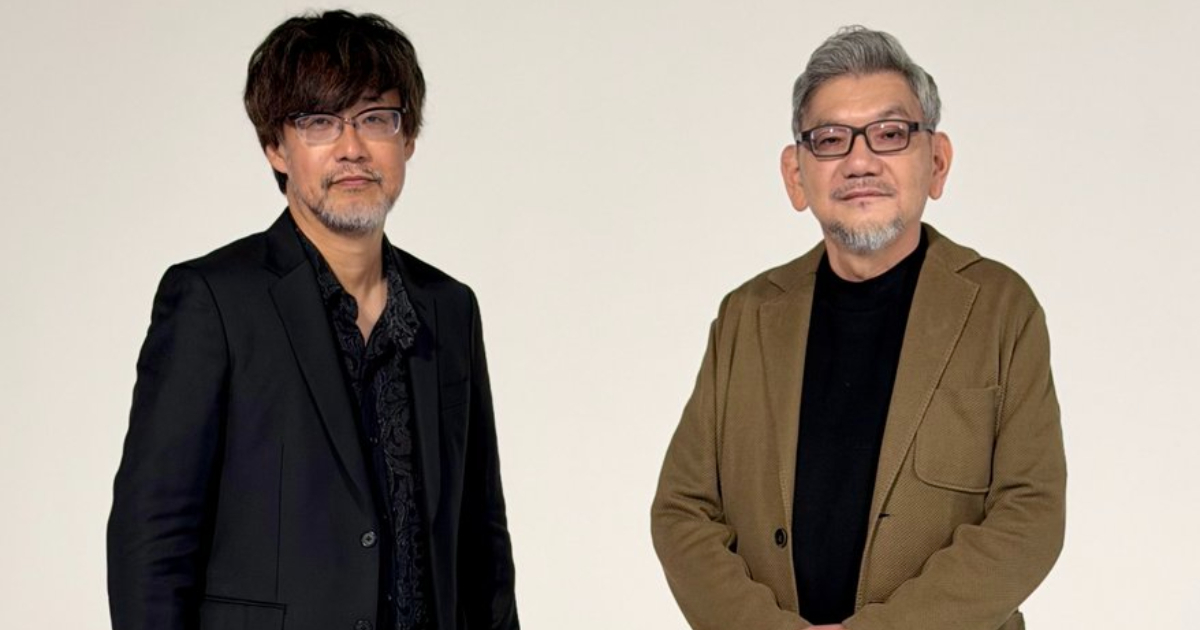
Q: Overseas revenue from Japanese content has roughly tripled in the last 10 years, reaching ¥5.8 trillion in 2023—surpassing exports of semiconductors and steel. With the rise of streaming platforms like Netflix, what changes have you seen in how works are made and distributed?
Hideaki Anno:
To be honest, not much has really changed on the ground, at least not in terms of mindset. The environment may have shifted, but I've never created a work specifically for the overseas market. The things I make are intensely "local to Japan." Movie studios often talk to me about "what's happening overseas," but that's not a target I set for myself.
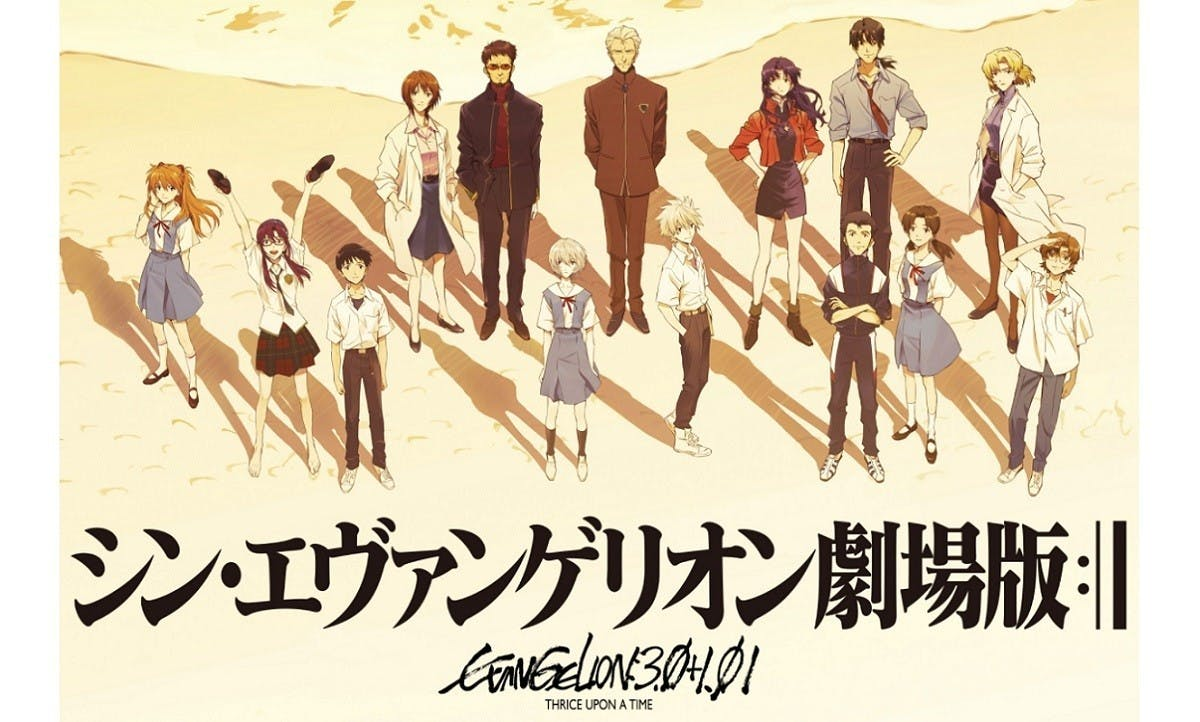
My philosophy has always been: first, make something that Japanese people will find interesting. If it happens to resonate with international audiences, then of course, I'm grateful. With the Rebuild of Evangelion films, we handled everything ourselves—the original story, production, distribution, and promotion. It was practically an independent production. The upside was that no one interfered, and we were solely responsible for profits or losses. While making them, I never once thought about the overseas market. I imagine Yamazaki gets asked about this more often.
Takashi Yamazaki:
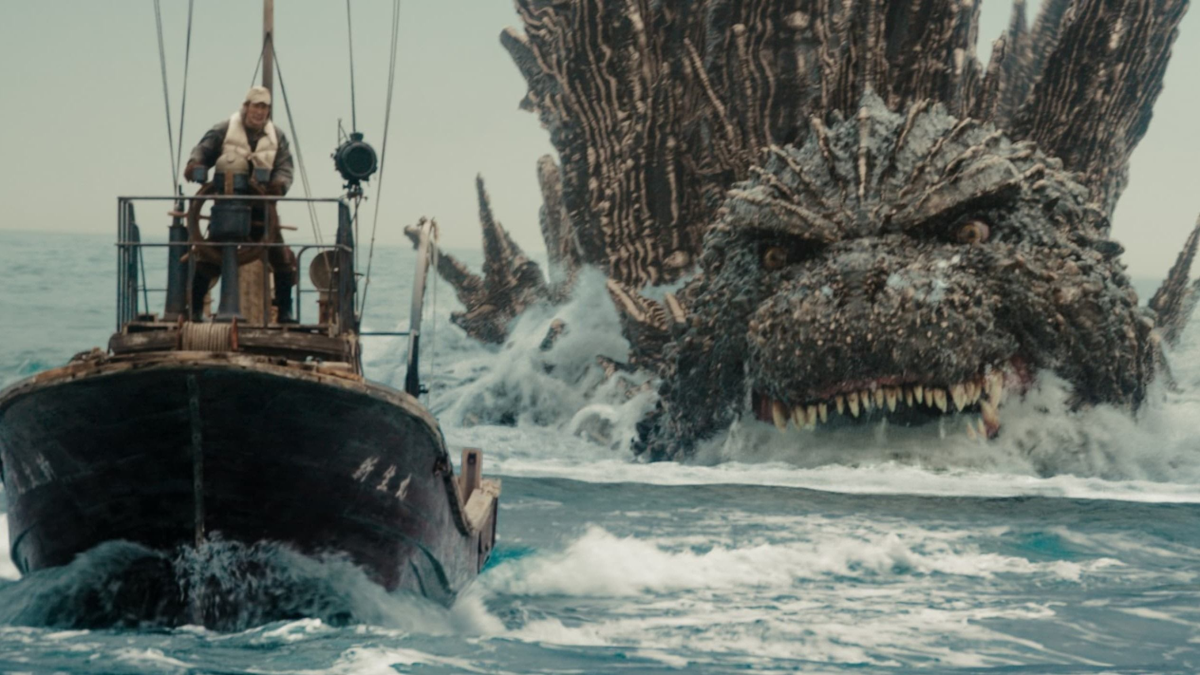
When we were making Godzilla Minus One, I honestly didn't think about the overseas market one bit. It wasn't until production was nearly finished that Toho even mentioned an overseas push. And they were planning to use subtitles, not a dub. At first, I thought, "That's pretty half-hearted."
But it turned out that during the pandemic, many people in North America had gotten used to watching Japanese and other Asian anime and dramas, and they actually found subtitles cool. It wasn't so much something we did, but rather that the times had changed; the market was ready. The fact that it went on to break box office records for a live-action Japanese film in the U.S. was, frankly, more shocking than gratifying.
Takashi Yamazaki also added:
I've always felt that for Japanese works to succeed abroad, our greatest weapon is actually to "completely ignore the overseas market" and push the local feel to its absolute limit. If you're trying to cater to a global standard, Hollywood has plenty of people who are better at it than we are. The strength of Japanese works lies in that "weird, but somehow interesting" quality. People feel Hollywood has gotten boring now because its success formulas have become too rigid; everything feels the same. In contrast, making things with a Japanese sensibility, rather than a deliberately "Japanese style," is our biggest advantage.
Q: The Japanese government recently announced a push for the content industry, setting a goal of ¥20 trillion in overseas revenue by 2033. Japan is also one of the few countries where domestic films have over 50% market share. What are your thoughts on the industry's challenges and government support?
Hideaki Anno: The first thing everyone sees is the money, but I don't think the point is how much you earn. It's about delivering Japanese culture to the world at a very low cost. That's truly amazing, and the country should value it more. South Korea and China are doing it, and Hollywood has been doing it for even longer. It's incredibly cost-effective, and nobody gets hurt.
Takashi Yamazaki: The perception of the U.S. among Japanese people after the war changed in large part because of American TV shows from that era. We used to call them "the American and British devils," but then we watched their shows and were like, "Wow, American life looks amazing." South Korea is another example where the content industry directly boosted the nation's standing.
Liking Japanese works leads to liking Japan, which leads to liking Japanese products. It's a low-cost, high-impact way to make people fall in love with a country, and the government is only just now realizing it.
However, Hideaki Anno pointed out what he sees as "Japan's current crisis":
The most serious problem I see right now is that there's just so little anime for younger age groups, for kids. When I was a child, primetime was packed with kids' programming—anime, tokusatsu, science shows. Those things shaped our sensibilities. That's all been severed now due to the declining birthrate, changes in television, and the flood of variety shows.
Another problem is that very few people treat anime, tokusatsu, and film as "history" to be organized and guided. I'm focusing heavily on archiving and preservation now, but that's something the nation should be doing, not something a single company or local government can sustain. By preserving the creative process, you let the next generation know "this is how it was done," which makes them think, "I want to make something like that, too."
Takashi Yamazaki believes the Japanese government needs to focus on commercial entertainment:
The film industry as a whole is constantly losing money, propped up by the occasional massive hit. It's like a huge gamble. At its core, this industry is supported by entertainment, but Japanese schools almost exclusively teach "art," not "entertainment." The U.S. walks on two legs—art and entertainment. If Japan keeps looking down on commercial entertainment, the industry will only continue to shrink.
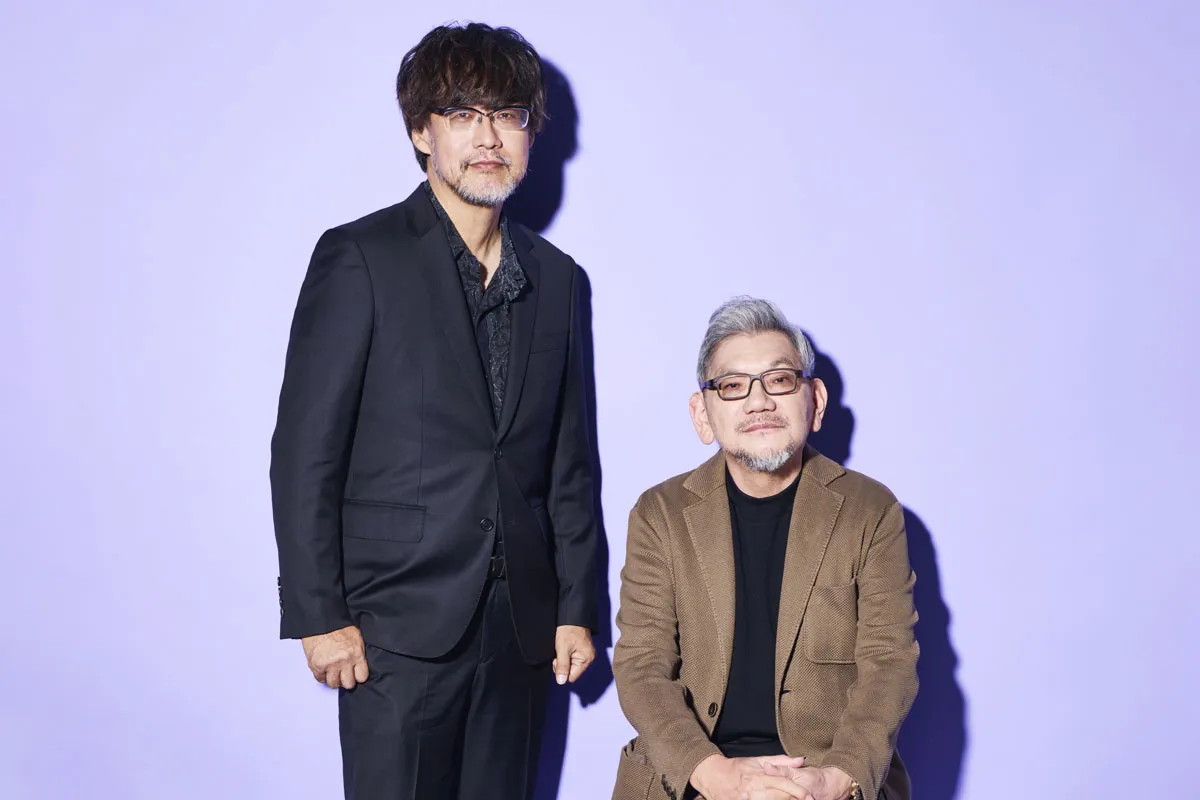
Both directors mentioned that growing up in the countryside made them incredibly hungry for information. Rewatching a specific anime episode was impossible; you had to wait years for a rerun. Movies might not even reach rural areas until after their city runs were over. That "once-in-a-lifetime" feeling made them watch everything with intense focus. That craving became the energy that fueled their desire to create.
They both expressed a hope that kids today could experience the same kind of "I can't wait to see this, I'm so excited" feeling they had.
This conversation reveals that both Hideaki Anno and Takashi Yamazaki are driven by a deep sense of identity and a commitment to the next generation. Their staunchly Japan-centric creative philosophy, it seems, might be the very thing that has successfully propelled their work onto the international stage.
via: Forbes JAPAN