

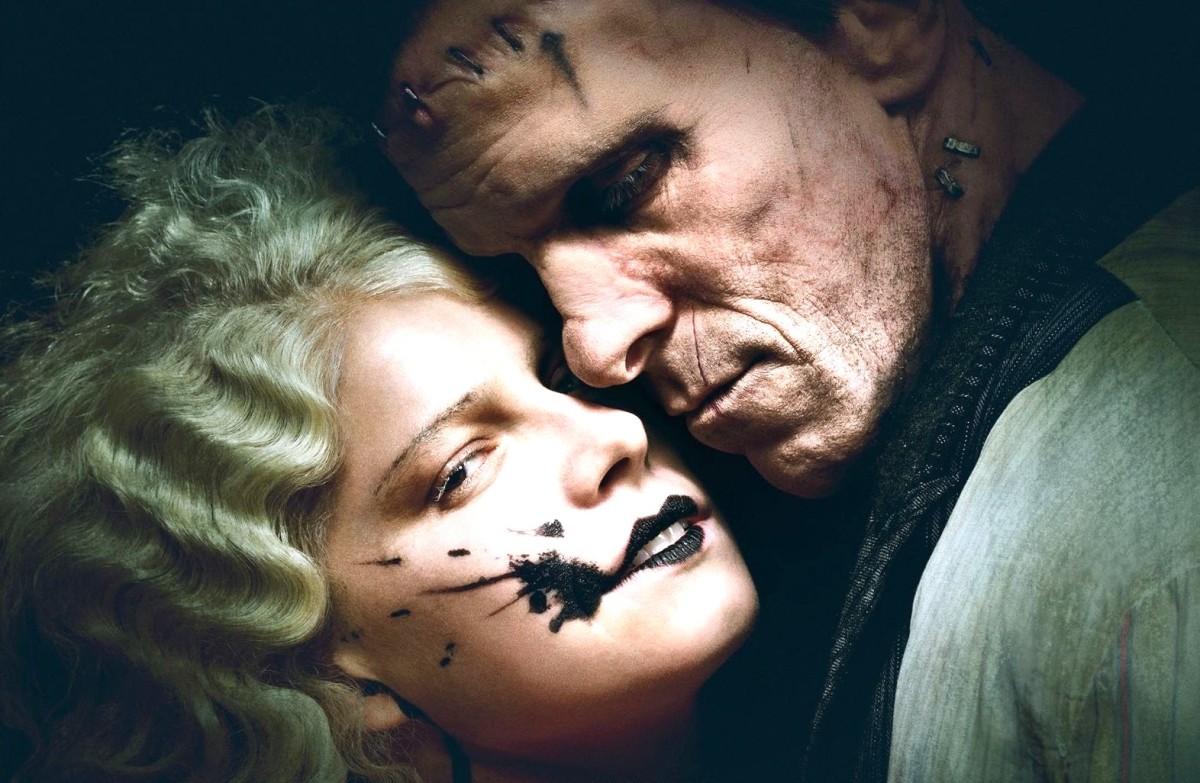
 (Image: Warner Bros. Pictures)
From its earliest stages of development, it wasn't just film fans but the entire Hollywood industry that was stunned: how did Maggie Gyllenhaal, with only one directorial credit to her name, land a budget north of $100 million for her second feature, a reimagining of "Frankenstein"? While Gyllenhaal's acting resume is extensive and her directorial debut, "The Lost Daughter," certainly showcased her considerable talent, even fellow actor-turned-director Greta Gerwig only took on a mid-budget adaptation of "Little Women" for her sophomore effort, not a blockbuster challenge like "Barbie." Gyllenhaal didn't just punch above her weight; she jumped several weight classes.
The reason this feels like such a massive leap is that "The Bride!" lacks the obvious commercial appeal of a film like "Barbie." What's more incredible is that Gyllenhaal deliberately embraces a highly anti-mainstream style, showing no interest in catering to the commercial market. Both she and her financial backers are incredibly brave. You can sense Warner Bros. tried its best to cut a thrilling, commercial trailer for "The Bride!," but its inherently rebellious, punk, counter-culture artistic spirit remains potent. After seeing the full film, you'll be even more baffled as to how Gyllenhaal ever convinced the studio to fund her vision.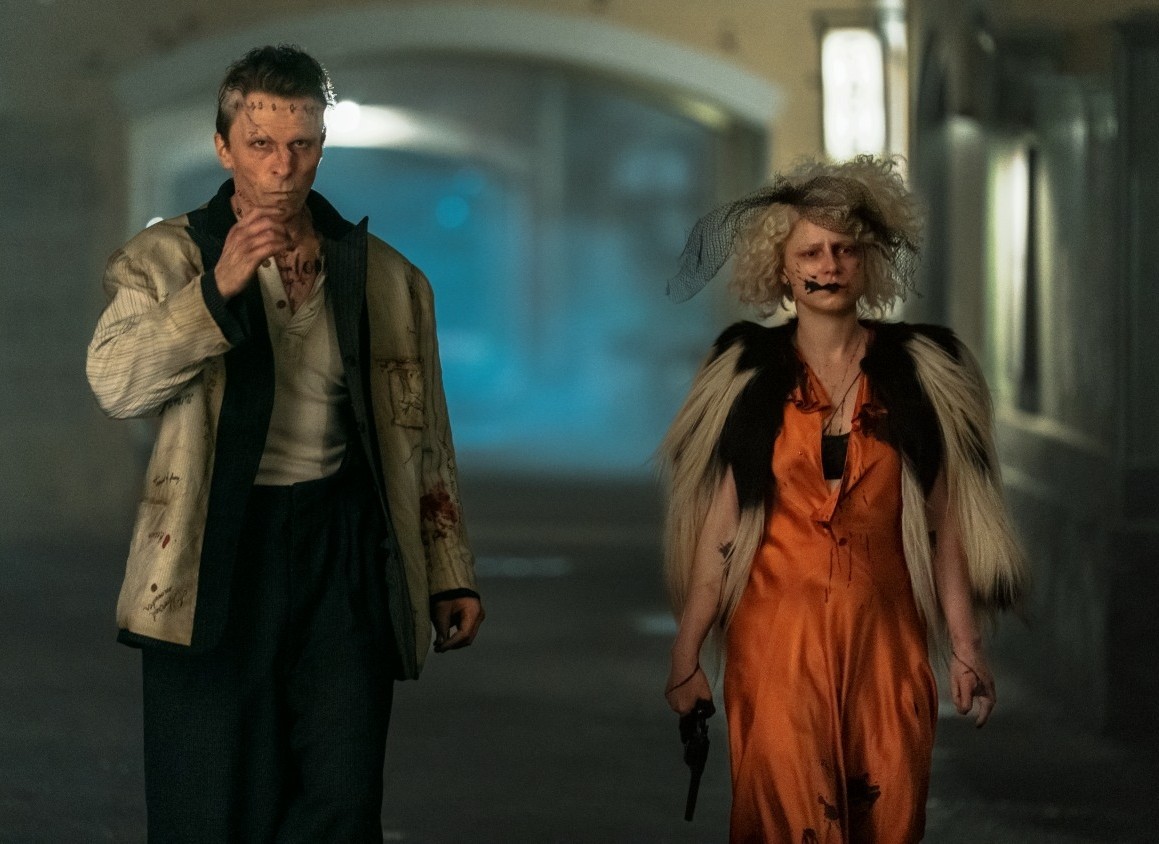
(Image: Warner Bros. Pictures)
"The Bride!" feels like the kind of abandoned script you'd hear about in an interview with some maverick director—a project shot down by a studio years ago. The idea always sounds cool, but *too* cool, to the point where the studio feared no mainstream audience would get it and refused to invest big money. But somehow, Warner Bros. didn't just greenlight it; they handed Gyllenhaal a nine-figure budget to play with. Whether Gyllenhaal will find her audience is hard to say, but I, for one, am ready to play along. I just never imagined she was the kind of creator who wanted to make a film in this style.
"The Bride!" carries echoes of many films that came before it. The journey of Frankenstein's monster and his Bride, wandering the world and causing trouble, coupled with their wild romance as two mad souls who find each other, is very "Natural Born Killers," very "Bonnie and Clyde." Their story of being ostracized, marginalized, and feared by society, only to unexpectedly spark a revolutionary movement and become symbols against the establishment, feels straight out of the "Joker" films (fittingly, they share the same composer). Becoming anti-hero social icons in a punk-rock infused setting is reminiscent of "Cruella." The monster's habit of only watching one specific movie even brought to mind Mel Gibson's character in "Payback," who insisted on buying a copy of "The Catcher in the Rye" every time he saw one.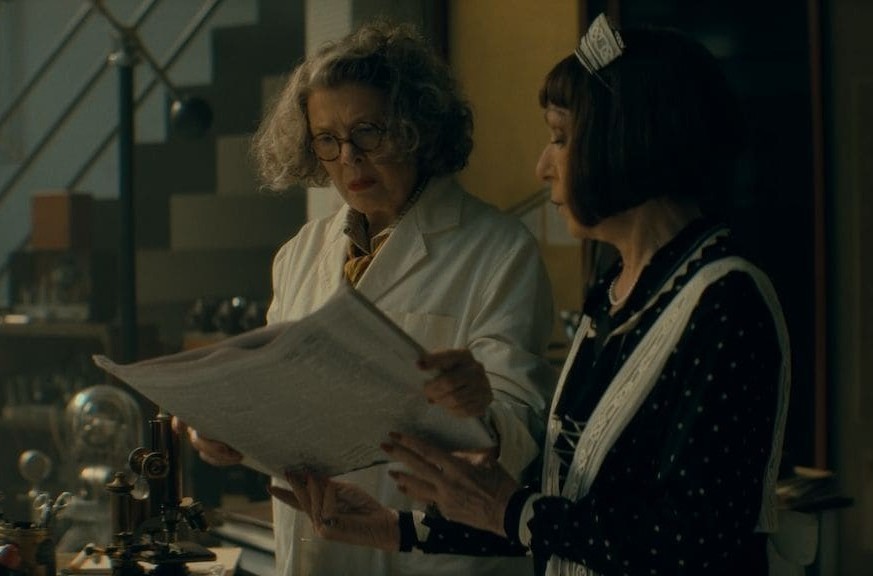 (Image: Warner Bros. Pictures)
Yet, the presentation of "The Bride!" is even more radical and harder to classify than any of the films mentioned above. For starters, turning the "Frankenstein" story into a Bonnie and Clyde-style narrative is a wildly imaginative leap no one saw coming. A major sticking point, however, is Gyllenhaal's fragmented, non-linear approach to feeding the audience information. Many crucial plot points and world-building details are explained vaguely or deliberately held back until much later, and when the reveals do come, they are often brief and abrupt. If you can't keep up with Gyllenhaal's logic, or simply dislike this method of storytelling, you'll likely find it frustrating.
However, that fragmented quality is also a source of the film's charm. It refuses to spell everything out, instead offering ambiguous, fleeting moments while dedicating more screen time to developing the relationship between the monster and his Bride. What might provoke a more visceral negative reaction from audiences, though, is the gender discourse and revolution sparked by the Bride, which can feel one-sided and difficult to connect with. While the film establishes that women's social status was devalued during that era, these details don't accumulate enough oppressive weight to fuel a convincing rebellion. Most of the resistance comes from the Bride's screams and shouts; the slogans are fierce, but the substantive plot to back them up is thin.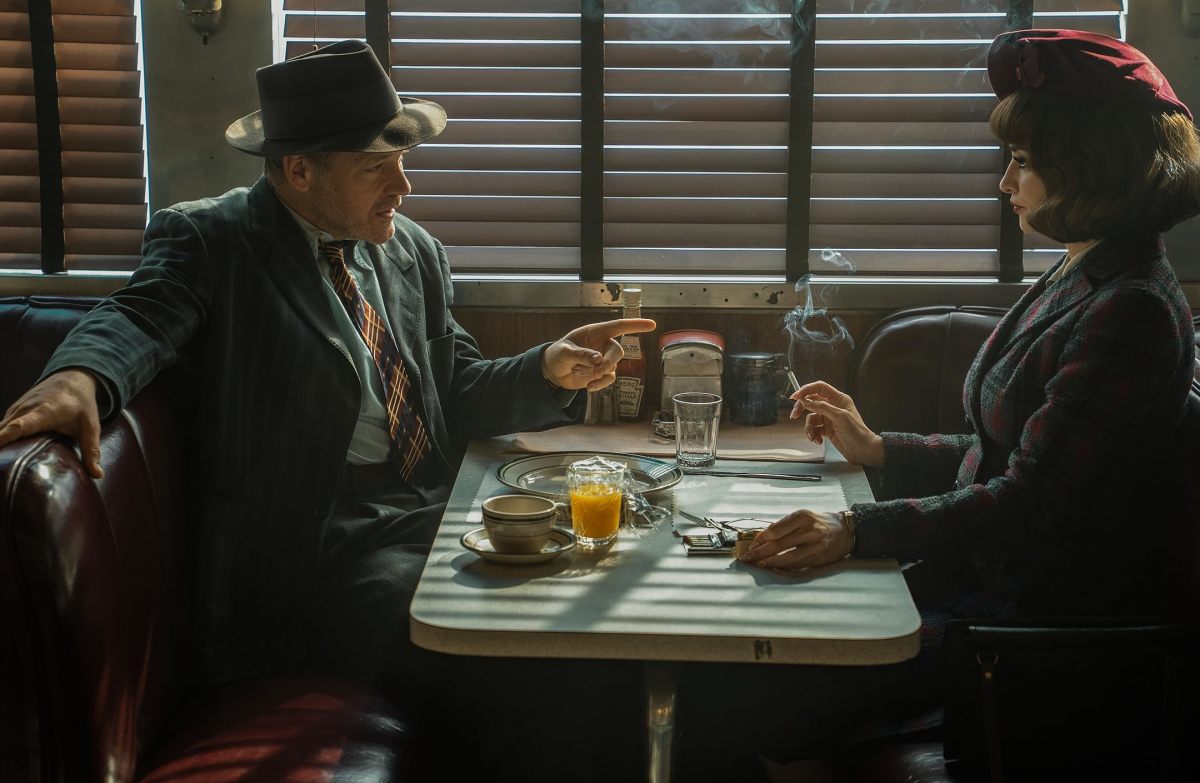 (Image: Warner Bros. Pictures)
I don't necessarily think the "Joker" films were masterful in their depiction of Gotham's class disparity and hardship, but by comparison, they at least spent more time on world-building. This made the central issues feel more present and allowed audiences to sense the subtle connection between the revolution and the Joker, highlighting his role as an accidental voice for the masses. The irony is that Joker became a voice for the people by a twist of fate, not by design, whereas the Bride's activism is conscious and targeted. Yet, Joker's connection with the public sentiment felt deeper.
"The Bride!" isn't perfect, and it could certainly be better, but I still admire its romance and creativity. Compared to Guillermo del Toro's conservative "Frankenstein" from last year, this film—conceived as an original sequel—is far more interesting and rich. This is the kind of adaptation (or continuation) that truly deserves to be made. Furthermore, "The Bride!" showcases Gyllenhaal's writing talent even more than "The Lost Daughter." The film features a sizable cast of key characters, and she ensures that everyone, from leads to supporting players, gets a moment to shine. No actor is wasted or treated as a mere plot device; each is given a character arc, big or small. She even gives her own brother, Jake, a chance to sing and dance, ensuring he's not just there for a bit part.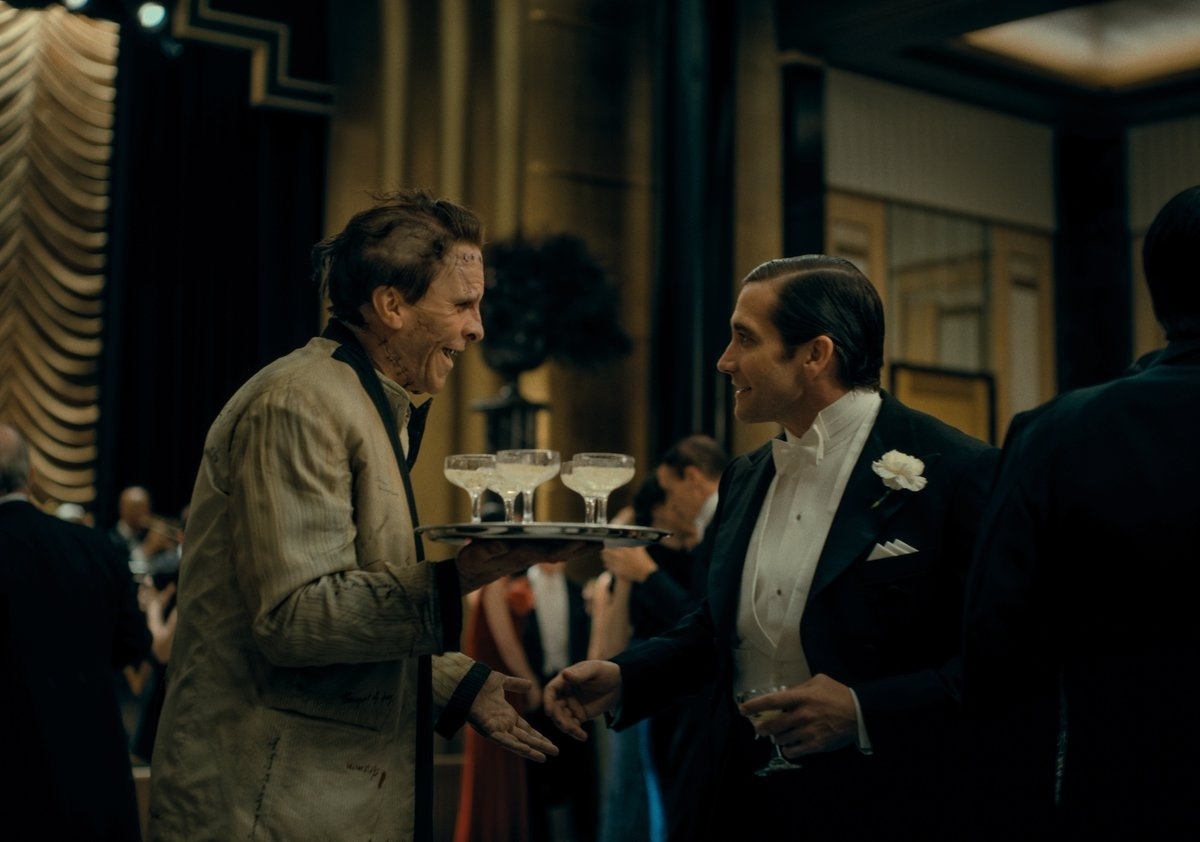
(Image: Warner Bros. Pictures)
Many actors who step into directing simply want to make stagey "character studies" or gain more control over shaping their roles. They want to "direct characters" more than they want to "direct a story." Some may not even be interested in learning the language of cinema, purely enjoying the experience of working with other actors. But that's not Gyllenhaal. She is someone who wants to direct characters *and* tell a story, and she is deeply ambitious about both. It's often actors like her who truly make a name for themselves as directors. I will continue to look forward to her next project as a writer-director, and I hope the performance of "The Bride!" doesn't make future investors shy away from her vision.
P.S. I believe Jessie Buckley's powerhouse performance in "The Bride!" is more deserving of an awards season campaign than her work in "Hamnet." This is a more complex, high-tension role that pushes her far outside her comfort zone, making it a performance far more worthy of a Best Actress win.