

HBO recently confirmed that the new "Harry Potter" series will not adopt an annual release model, and revealed that the second season is currently in the scriptwriting phase. This news has drawn fan attention, with concerns that the series' release pace might be extended, potentially taking over a decade for the entire series to be released.
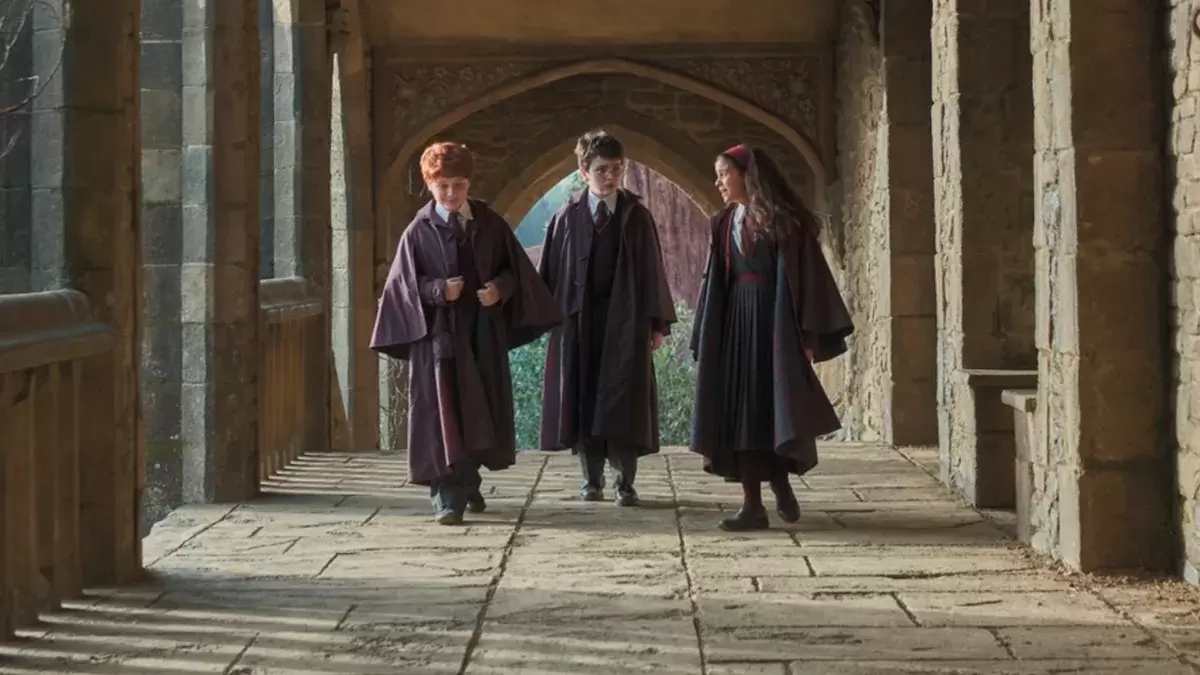
In a recent interview, HBO content chief Casey Bloys stated that due to the massive scale and extensive special effects requirements of the "Harry Potter" series, its production difficulty is similar to that of "House of the Dragon" and "The Last of Us," making it challenging to maintain an annual release schedule for new seasons.
"For a large-scale world-building project like 'Harry Potter,' of course, we'd hope to release it annually, but from a production standpoint, it's almost impossible," Bloys said.
This statement has caused concern among some fans, who worry that if the series adopts a two-year-per-season pace, similar to "House of the Dragon" and "The Last of Us," the anticipated seven seasons of "Harry Potter" could take up to 14 years to complete. Bloys acknowledged these concerns, stating, "Our goal is not to have too much of a gap, especially since the actors are children." However, he did not disclose a specific timeline.
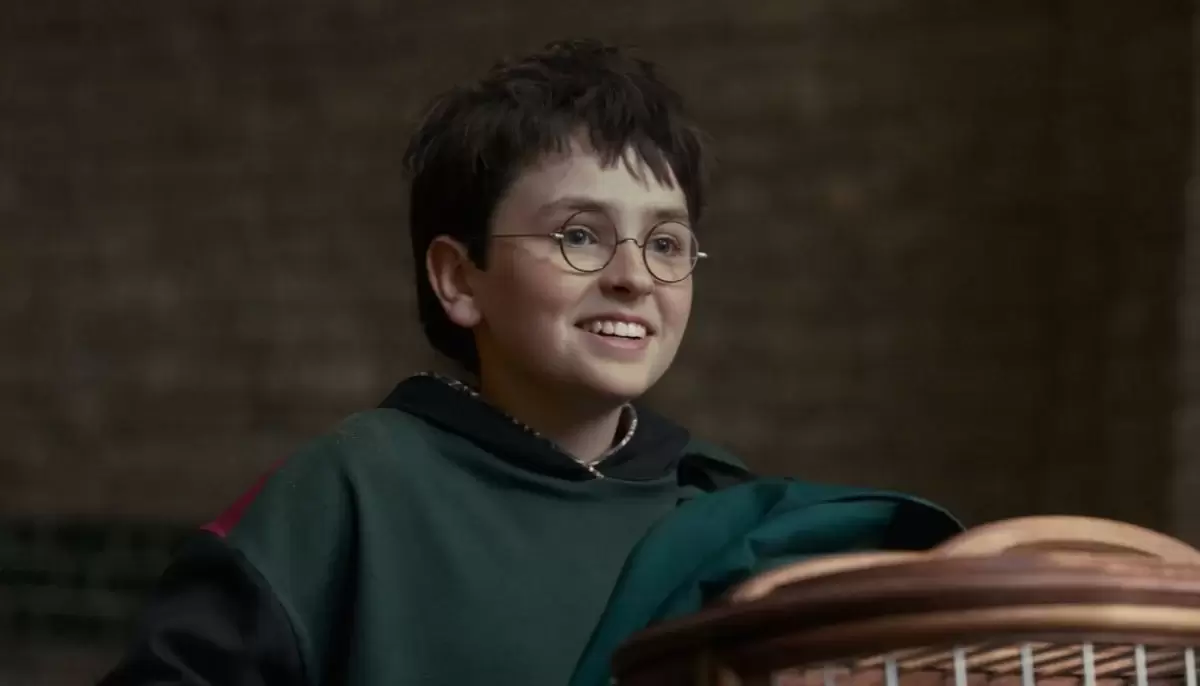
Bloys further noted, "This will not be an annual series; the scale is simply too massive. However, the script for the second season is currently being written." This also implies that the second season is still some time away from official filming, further intensifying concerns about the broadcast intervals.
It has been confirmed that the first season of the series will consist of eight episodes, with a premiere anticipated this Christmas and continuing into early 2027. HBO also stated that the show involves a massive production budget and the creation of entirely new sets, including the recently revealed Diagon Alley backdrop. As the production scale continues to expand, the "Harry Potter" series' release pace and long-term planning remain a key focus for fans.
via: The Times