

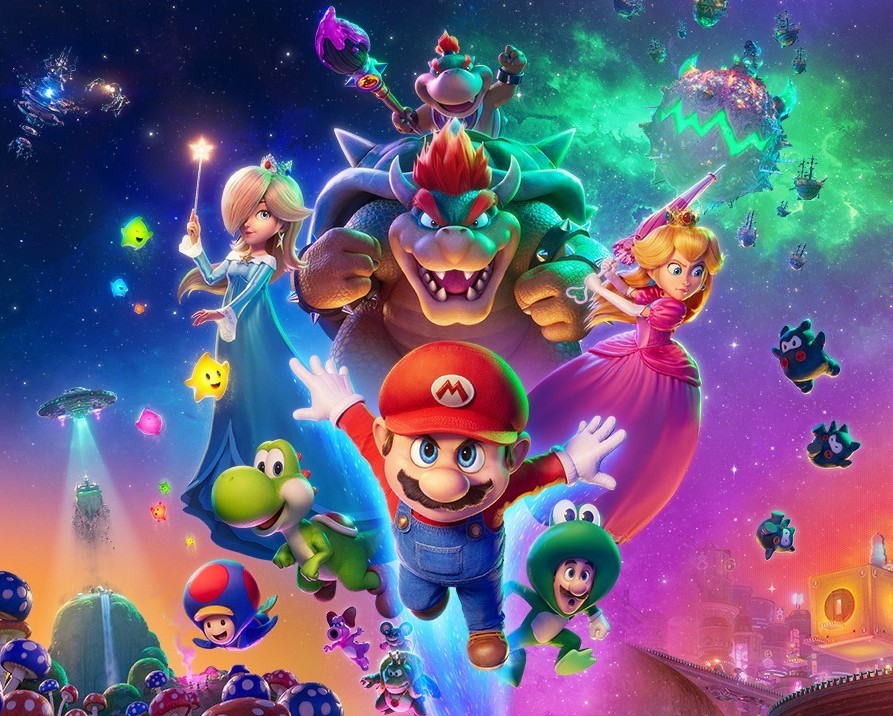
 (Image: Universal Pictures)
Let's get the ugly truth out of the way first: I'm one of those people who thought "The Super Mario Bros. Movie" was a steaming pile. For the trolls who love to jump to conclusions without reading, you can stop here. I'll be in the comments later, ready to shut you down with screenshots from this very article. I can't even be bothered to lazily slap on labels and distinguish between "audiences" and "critics," because I've seen plenty of "audience" members who loved the first film turn around and tear apart the "story" in other movies and shows. Critics aren't necessarily stricter; we've all been viewers who refuse to excessively lower our standards. We just don't always apply that refusal to the same movies.
Alright, disclaimer's out of the way. If you still want to pick a fight in the comments, at least read the whole piece, because you'll find that I actually like the sequel. (Of course, you might have skipped the disclaimer and charged in after just reading the headline). First, let me explain why I disliked the first movie. I'm just going to skip the tired argument that it was a brand commercial that practically gave up on storytelling (some commercials are better at it). You've all had that fight, and so have I.
(Image: Universal Pictures)
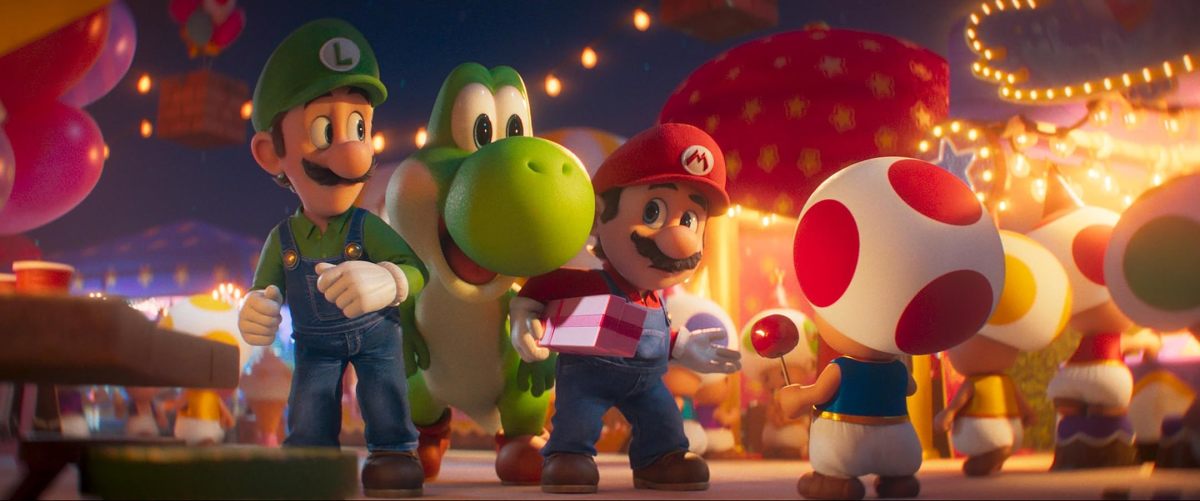
What I truly hated about the first film was that it wasn't honest about being a bad movie. (And let me be clear: if you think fun and nostalgia automatically make a good movie, that's your business. I'm not trying to change your mind, just offering my perspective). The filmmakers clearly didn't want to tell a story (I can almost hear Shigeru Miyamoto saying, "You Americans always have to complicate things! No story! No story!"), but they still had to stitch the levels together with some kind of character motivation. And every single one of those motivations was worse than the last. When Toad first sees Yoshi at the beginning of the sequel, his reaction is, "So this guy just gets to be in our friend group now?" That's exactly how I felt about the entire first movie.
I know, someone will argue that the "Super Mario" games never had much of a story. And I'll always reply, "Movies are movies, and games are games. A story can be simple, but it can't be lazy." I also know someone will say, "It's just a fun blockbuster, were you expecting an Oscar-worthy art film? Do you only like movies with DEI?" And I'll always shoot back, "Have you never seen a simple yet powerful action flick like 'Mad Max: Fury Road'? Is your only metric for a bad movie whether it has DEI?" Of course, I know many people have seen it. But when it comes to "Super Mario," you all seem to choose to forget. The dazzling array of references (some call them Easter eggs, but it's broader than that) softened your standards.
 (Image: Universal Pictures)
There's nothing wrong with that. I do the same thing when I watch a Jason Statham movie. But loving Statham's films doesn't mean I won't call them out. I can enjoy them while being fully aware of how formulaic and ridiculous they often are, and I certainly won't ignore how limited his acting range is. The connective tissue in the first "Super Mario Bros. Movie" was so bad I couldn't ignore it. It was irresponsibly random. The protagonist gains the trust of foreign characters with no effort, and Bowser's obsession with Peach comes out of nowhere. But what disgusted me most was the crude and severe overuse of classic pop songs, as if they were afraid the IP wasn't global enough and needed these tracks to feel more accessible. So they just crammed in every song that big-budget Hollywood blockbusters have already beaten to death.
Usually, when a film is this lazy about everything, it's aiming for some kind of meta-satire, deliberately mocking how cliché and contrived these formulas are. But "The Super Mario Bros. Movie" wasn't that kind of film. It was playing it straight. (Though it had a few self-aware jabs, those weren't the core of the movie. They felt more like a screenwriter, who took the job to pay the bills, couldn't stand writing this garbage and found tiny cracks to insert some self-deprecation as a form of quiet rebellion). And that's the difference between the first film and this sequel, "The Super Mario Galaxy Movie." It gets rid of the crude, cheap, and tasteless needle drops, and it does away with the lazy character motivations.
 (Image: Universal Pictures)
Without all that baggage, it's much more enjoyable. It's still hollow, still banking on nostalgia, and still focused on fan service while setting up a future Nintendo universe. But this time, I like it. It's become a purer adventure film: someone gets captured, someone goes for help, and a team assembles for the rescue. It's that simple. The film sheds any pretense that might make the audience expect more from it. It hides its flaws well and concentrates on being a good Statham movie. I'd even say that within these constraints, it manages a decent character arc. Bowser's brief turn to good before relapsing, and the son-avenging-the-father storyline (which cleverly inverts the usual evil-father-corrupts-good-son trope), are far more interesting than the first film's traditional fairytale forced-marriage plot.
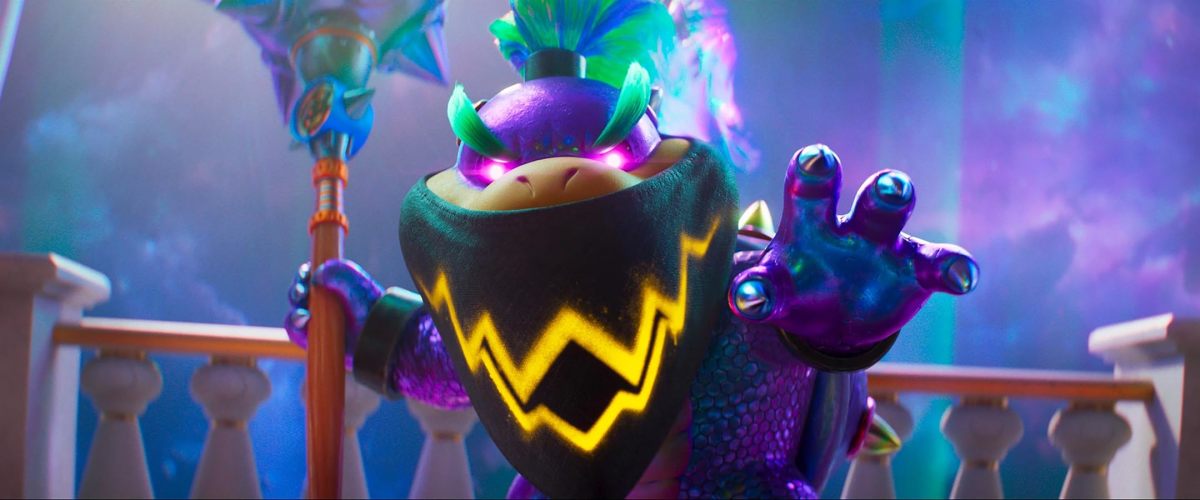
I firmly believe that the audience's unusual tolerance for "The Super Mario Bros. Movie" franchise stems largely from its visual design, which is arguably top-tier in all of pop culture. Or rather, Nintendo's games have always maintained this high standard with their clean lines and vibrant color palettes that are easy to get lost in. The sequel unquestionably leverages this advantage, maintaining a highly faithful aesthetic while choreographing even more flamboyant combat, parkour, and power-up duels. Every fight is packed to the brim, with energy blasts flying everywhere. The thrill factor is through the roof.
(Image: Universal Pictures)
What else is there? Oh, right. If you're going to attack critics, don't just whine that we don't play video games. Ninety-nine percent of the people who say that have only seen a Rotten Tomatoes score someone shared, without ever clicking to read the full reviews. I won't even bother mentioning how massive the market penetration for the "Super Mario Bros." series is. If your only assumption is that critics haven't played the games, that's just a pathetic way to argue. Are you out of ammo? Besides, if you actually clicked on the reviews curated by Rotten Tomatoes, you'd find that some critics specifically mention their own gaming experiences. They probably felt the need to issue a disclaimer, just like me, even though it never works. Certain toxic fans have a sense of superiority, a petty gatekeeping attitude, and you have to pass their fandom purity test or get ostracized for not wanting to act high and mighty.
But guess what? I like the second movie. I genuinely like it and even have praise for it. So I'm curious, and a little mischievously eager, to see what the trolls who can't comprehend a full article will find to argue with me about now. As I said before, I can distinguish a guilty pleasure, and I'm not afraid to admit I enjoy them. There's nothing wrong with admitting you love unhealthy fried fast food. As long as these types of movies have a clear identity, they can deliver their payload with precision. Could this franchise become an IP that tells genuinely good stories? Of course it could. But if it's not going to, then it should be completely honest about what it is and focus on being a great guilty pleasure—a meal that gives audiences a temporary high, but whose plot they'll completely forget (or stop discussing) by the following week.
 (Image: Universal Pictures)
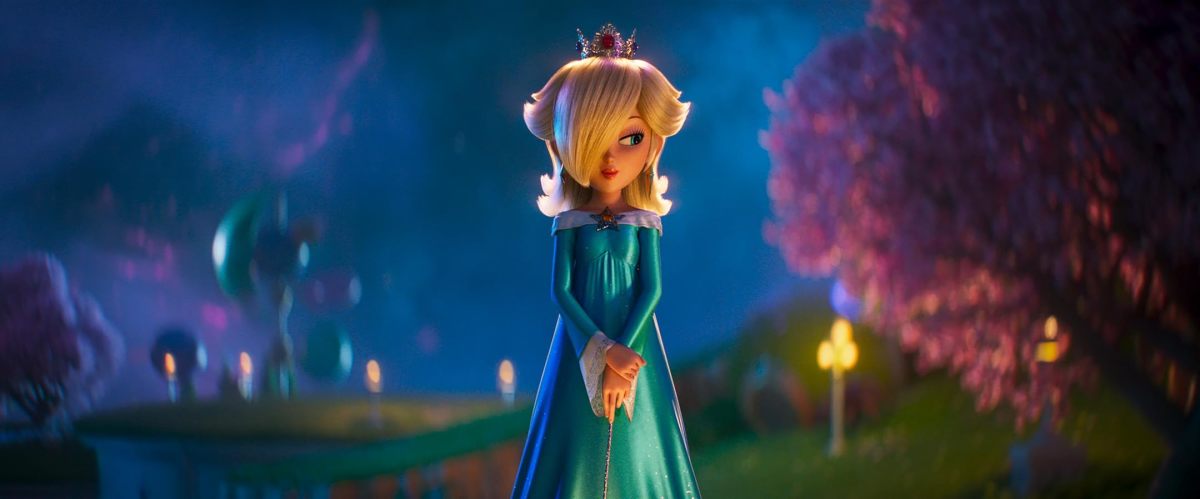
If I had to level any real criticism at the sequel, it would probably be the voice casting. Aside from Princess Peach and Mario, whose voices largely retain the actors' natural sound, I really don't see the need to have hired this particular group of stars for the other roles. I feel that if you're going to cast celebrities, you should let them inject some of their own vocal personality into the characters. But the others don't. They're either trying to imitate the original game voices or creating a voice that is completely unnatural to them. It can't help but feel like the studio just wanted to slap big names on the poster to sell tickets—a purely marketing-driven decision. If you don't want to use the stars' actual voices, then don't hire them. It's meaningless from a performance standpoint.
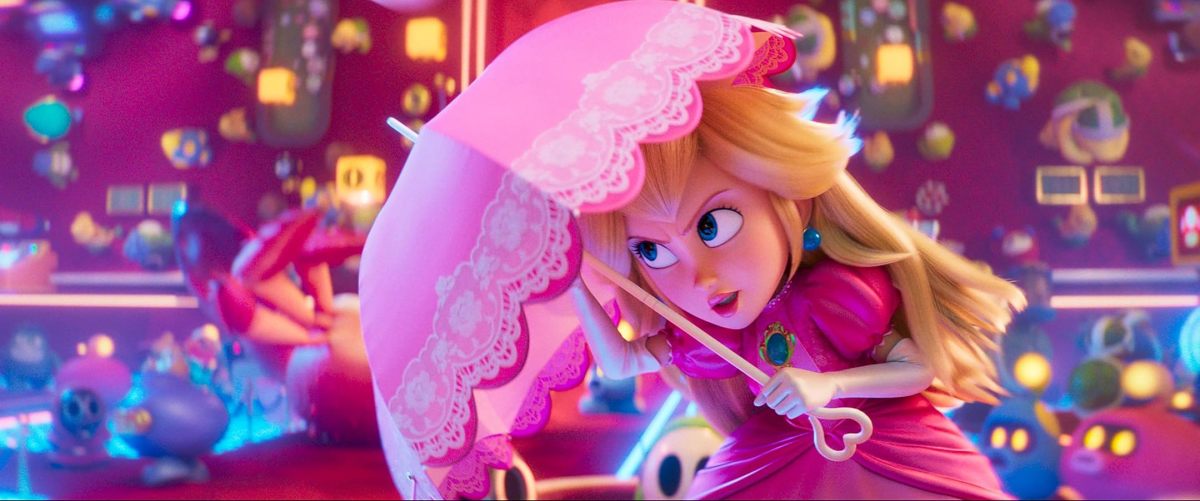
PS: Mario has a particularly standout trait in this movie: he's excellent at providing emotional support for Peach. He knows when to give her space to be alone and cool down. When she's venting her anger, he even joins her in kicking rocks to let off steam. Some might call him a simp, but I found it genuinely heartwarming.