

 (Photo: Warner Bros. Pictures)
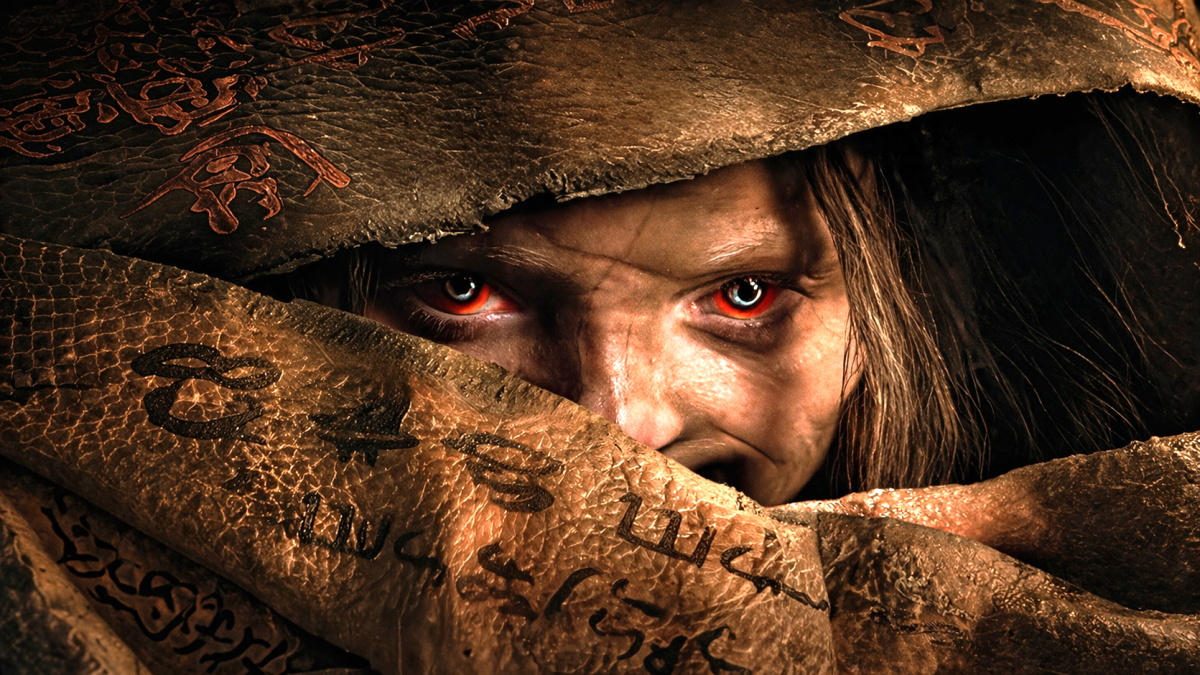
Of all Universal Pictures' classic monster IPs, "The Mummy" is arguably the most versatile. The 1932 original was a "Dracula"-style romantic horror, with Imhotep seducing another man's love interest. The 1999 version shifted into an "Indiana Jones"-esque action-adventure comedy, packed with vibrant CGI and physical humor. The 2017 installment, meanwhile, attempted a pivot into a superhero-like dark fantasy universe, expanding the scale even further.
Not only does "The Mummy" IP drastically switch genres with each reboot, but the stories themselves share very little in common. Essentially, each generation of filmmakers has simply borrowed the brand name to tell their own, nearly original stories. Even Hammer Films' series of British "Mummy" movies in the 1950s only lifted select elements from the American version rather than being straight remakes. Perhaps because the early versions are so old, or because the genre differences are so vast, the general public rarely perceives "The Mummy" as a long-standing franchise, let alone remembers that its original form was pure horror.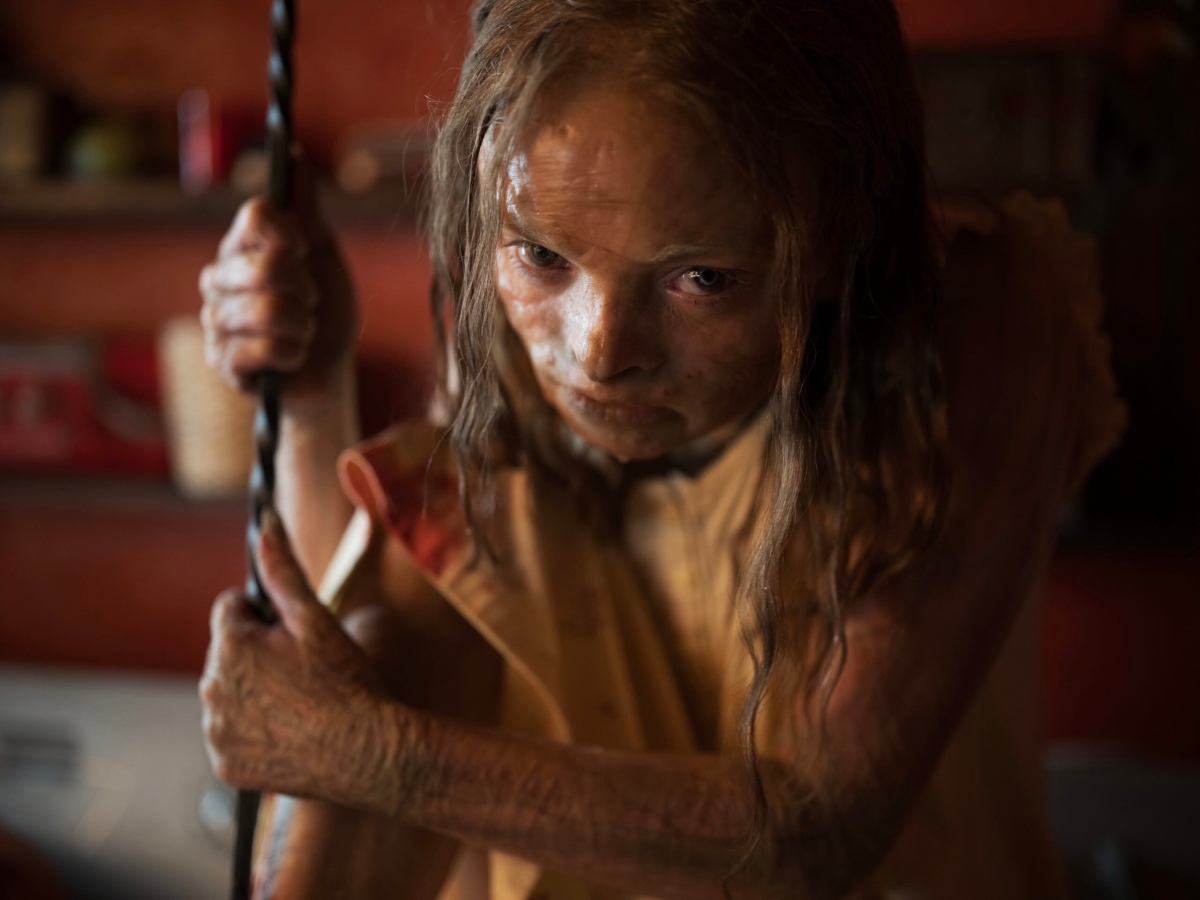
(Photo: Warner Bros. Pictures)
The 2026 version of "The Mummy" is here to change that. It serves as a stark reminder to old fans who've forgotten—and a lesson to new audiences—that horror is the franchise's true DNA, making the Brendan Fraser and Tom Cruise iterations feel like offshoots from a different family tree. Yet, this 2026 film is not a direct remake of the 1932 classic. It still aims to forge a new path, but its creative approach is similar to its predecessors: it's wearing the skin of "The Mummy" but selling the flesh of other horror films. This time, it's as if the filmmakers are treating it as an installment in the "Evil Dead" or "The Exorcist" series.
At the helm is Lee Cronin, whose last project was "Evil Dead Rise," so this direction might not come as a surprise to those who've seen it. He essentially swaps the Deadites for a mummy but keeps the classic horror template of a family under siege. Some might even find that a reanimated corpse in the latter half bears a striking resemblance to the possessed characters from the first "Evil Dead." Cronin brings the same penchant for bodily torment from "Rise" into "The Mummy," and not only brings it but cranks the dial way up.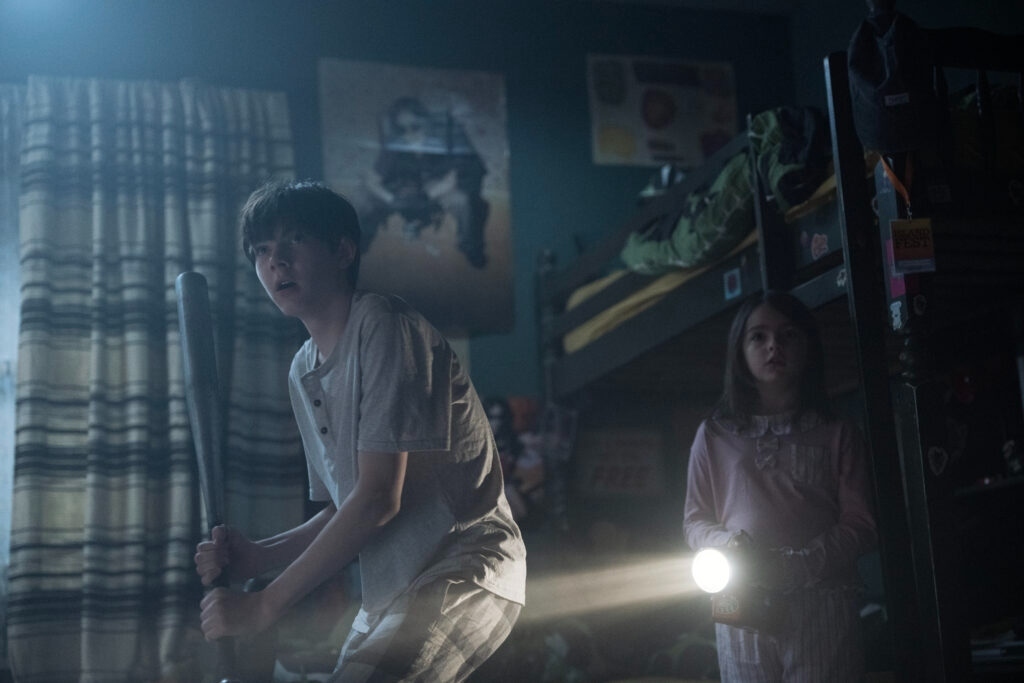 (Photo: Warner Bros. Pictures)
It may sound superficial, but the dramatic tension in "The Mummy" is derived almost entirely from its physical brutality. The script is serviceable, hitting all the expected beats and connecting its plot points smoothly, but it lacks any standout creativity. The characters are largely functional, serving the plot without much depth. But in terms of overall execution, I'd call it an entertaining film. It's as if the director set up a very standard amusement park but then played in it with such infectious, imaginative abandon that I couldn't help but get swept up in his enthusiasm.
And where Cronin's enthusiasm shines brightest is in his relentless effort to gross out the audience—to elicit those visceral hisses and groans as viewers share the characters' agony. He doesn't just show a fingernail being ripped clean off, flesh and all; the sound design for every nail-gouge, neck-bite, and squelch of gore is rendered with THX-level clarity. His methods for conveying the ancient evil possessing human bodies are crude and brutal, but undeniably effective. It's a pure creative obsession that faithfully serves the spirit of a demon that loves to "destroy all things happy."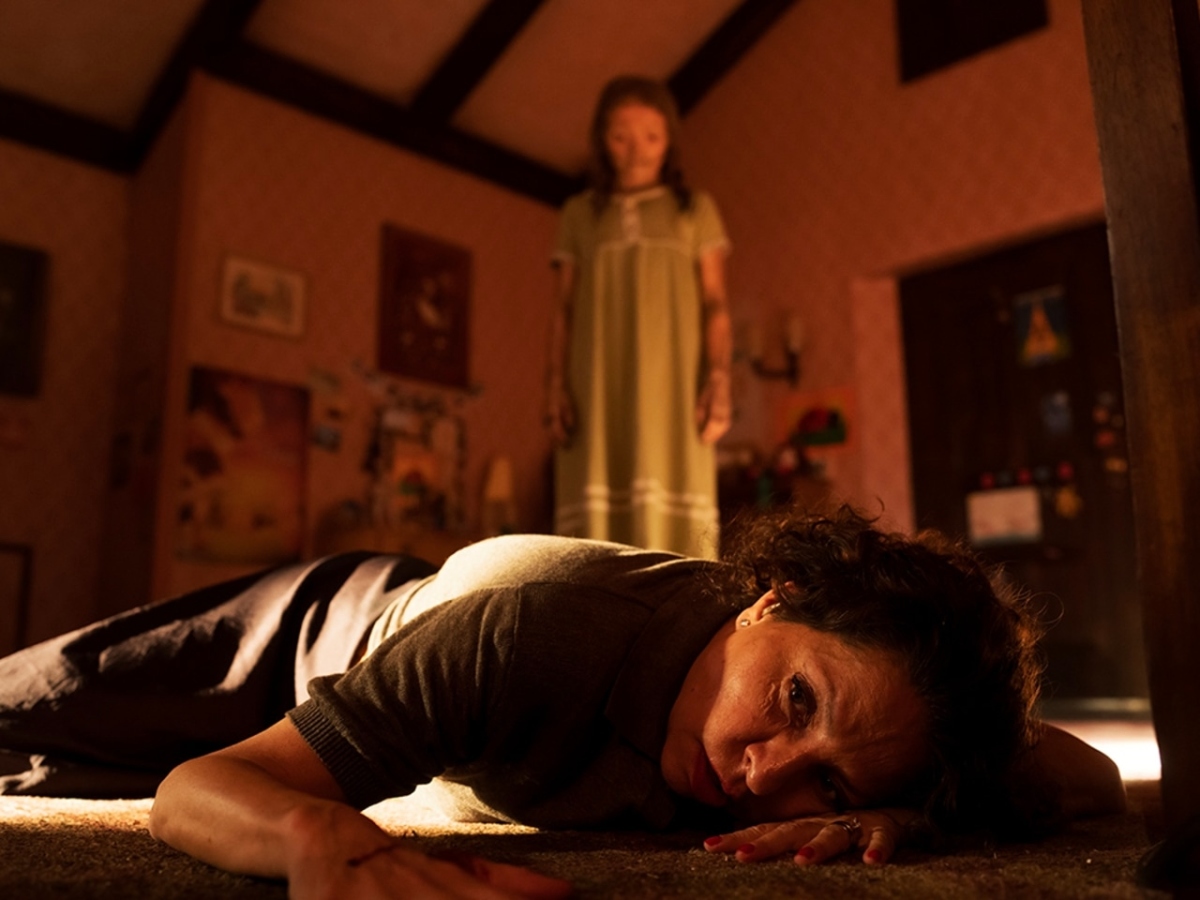 (Photo: Warner Bros. Pictures)
Cronin doesn't just want to be gross; he wants to be evil, and to achieve that evil, he must first be gross. Some Western critics have described "The Mummy" as nasty and mean-spirited, and I agree that's precisely what Cronin was aiming for. It's about watching a perfectly fine family get systematically destroyed by a senseless, malevolent force. Unfortunately, this sense of despair doesn't hold until the very end. The father's decision to sacrifice himself is too predictable, and the method is highly reminiscent of Father Karras's climactic self-exorcism in "The Exorcist." But where Karras's sacrifice amplified the despair, this film's version feels overly heroic, canceling out the dread built up earlier. The father is even given a chance to return to a normal life, providing a neat, happy ending that completely erases any lingering hopelessness.
While I enjoyed "The Mummy," when it comes to recent films with similar themes, I found "Immaculate" to be far more impressive. It delivered on the gore, the pain, and the demonic atmosphere. Dealing with a forced possession and a "damn the consequences for others" setup, "Immaculate" makes you feel the gut-wrenching horror of involving innocent people out of selfishness and self-preservation, and the sheer terror of living with a demonic child. "Immaculate" did what "The Mummy" tried to do, but better, and it also took care of character development. You actually feel for the characters by the end—it wasn't just physical pain; it was heartache.
In recent years, Universal has frequently partnered with Blumhouse Productions to revive its classic monster properties on a low budget, with mixed results. The 2020 version of "The Invisible Man" remains the high watermark, while the worst was Leigh Whannell's "Wolf Man." This 2026 "Mummy" falls somewhere in between. I support Blumhouse continuing these experiments, but whether Universal still has the appetite will depend on how "The Mummy" performs at the box office.