

 (Image Source: Marvel Studios)
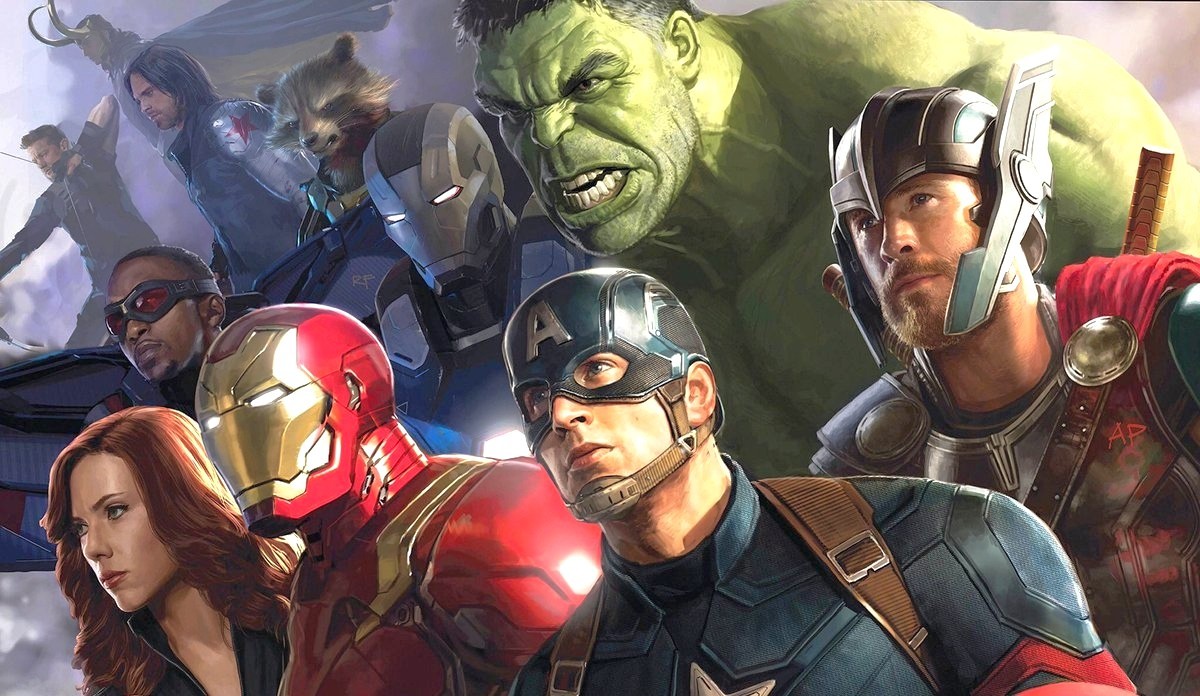
This week, the Walt Disney Company initiated a widespread round of layoffs, significantly impacting various divisions, including Marvel Studios' internal Visual Development Department. The vast majority of the department's employees were let go, with only a minimal number retained.
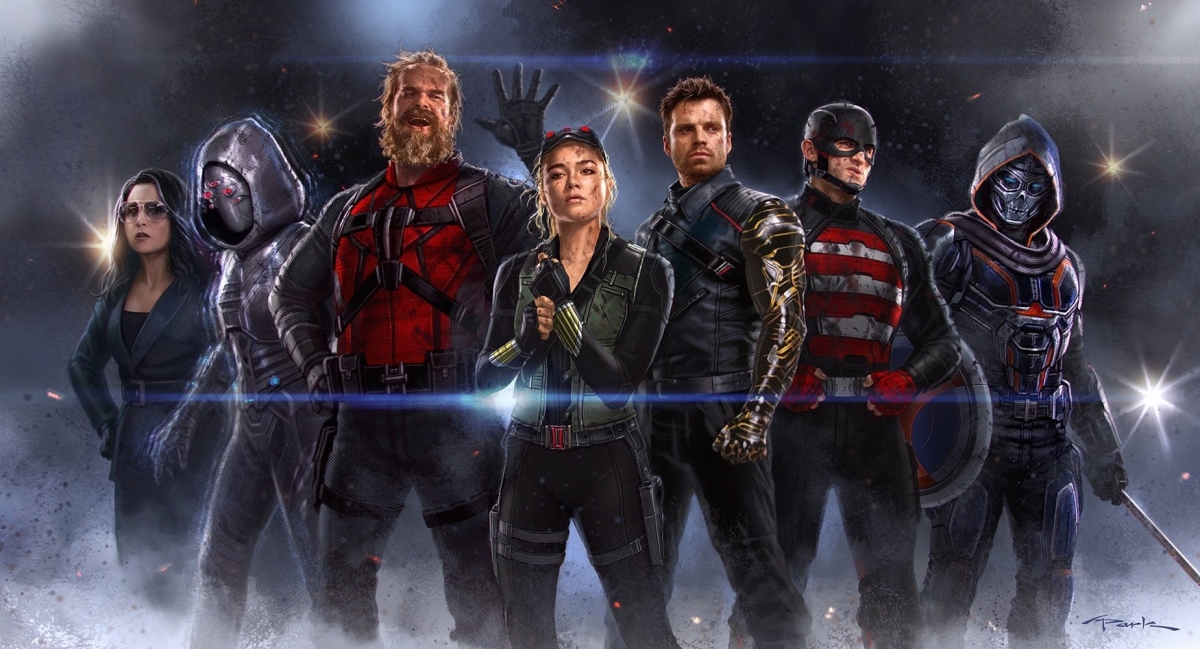
Following the layoffs, Polygon published an in-depth report, which included an interview with former department employee Michael Uwandi. Uwandi underscored the critical importance of the Visual Development Department to Marvel, explaining that it often established the overarching visual style for numerous films and series long before scripts were even written or directors were attached, with the final products closely aligning with these initial visions.
(Image Source: Marvel Studios)
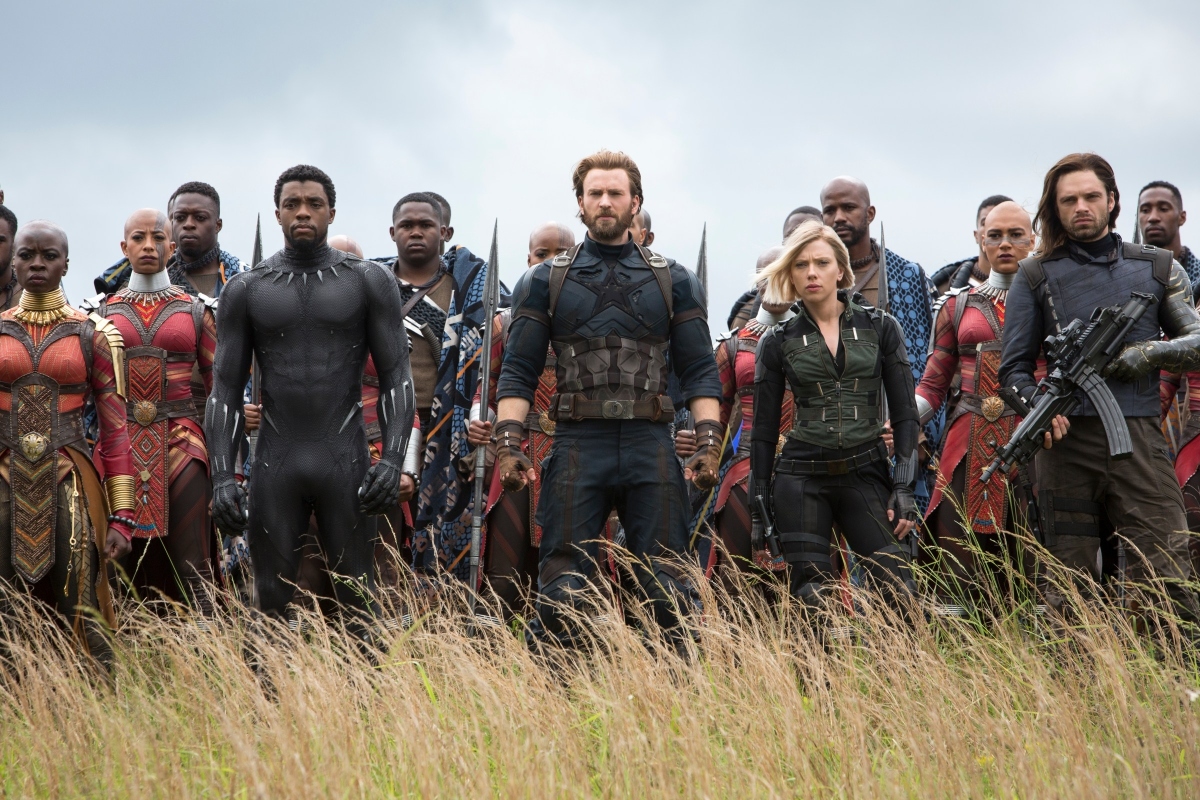
Anonymous sources also indicated that Marvel Studios President Kevin Feige held the department in high regard. As a devoted Marvel comics fan with a distinct vision for adaptations, Feige relied on the department's members, many of whom were deep-seated comic enthusiasts themselves, to precisely translate his specific aesthetic goals onto the screen.
Uwandi further noted that the department's artists possessed such a profound understanding of the original comic books that they could often begin drawing without extensive research. They adeptly balanced engaging visuals with aesthetic designs that resonated with fans, a marked contrast to other industry professionals who often sought to distance themselves from the comics' original style.
 (Image Source: Marvel Studios)
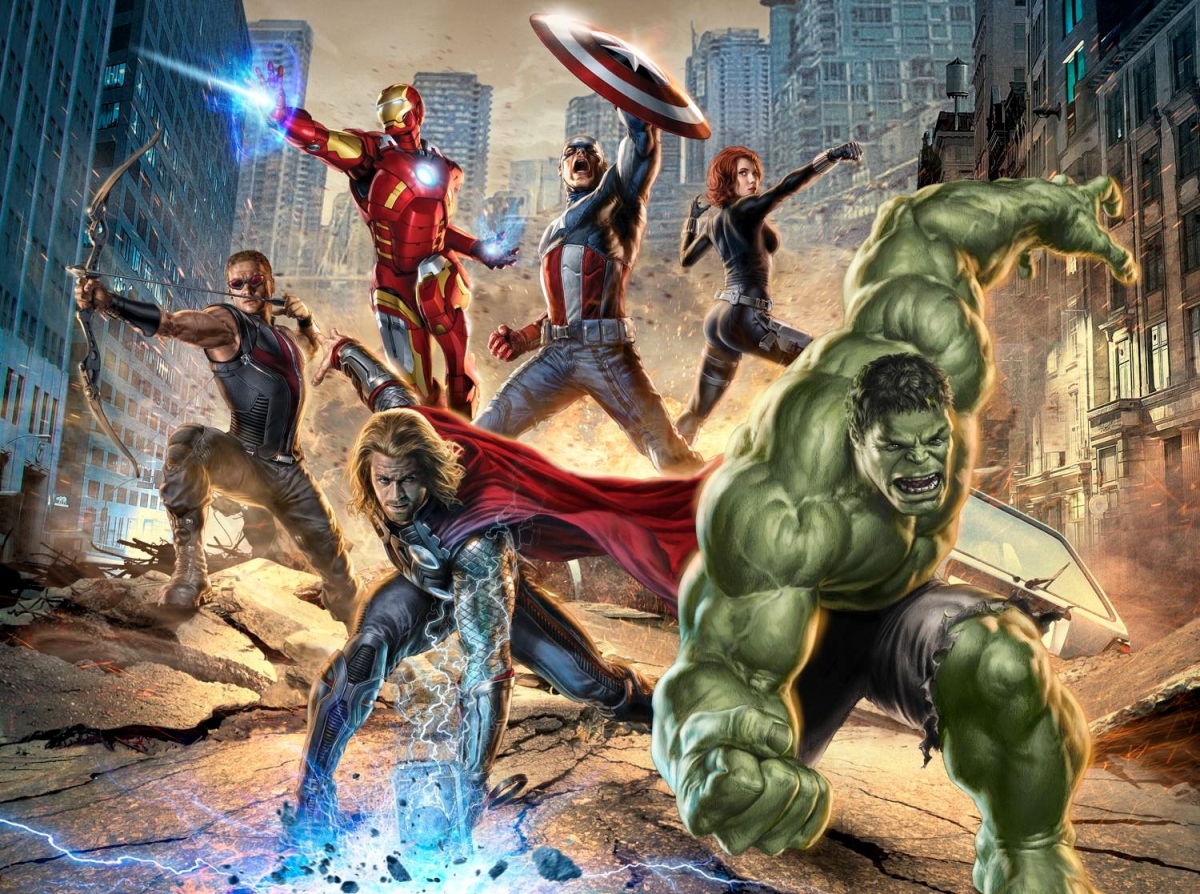
However, an anonymous source also revealed that other Marvel departments, particularly costume design, harbored a dislike for the Visual Development team. This friction wasn't rooted in competition but rather in differing office political dynamics. Despite this, the Visual Development team was largely credited for the unified aesthetic of the Marvel Cinematic Universe, having contributed to the development of numerous big-screen and small-screen projects to maintain overall consistency. Consequently, Uwandi pessimistically predicted that future Marvel productions might suffer from a lack of aesthetic coherence.
Uwandi also emphasized that the Visual Development team was a major asset for Marvel's high productivity. Its members, largely unchanged over the years, had cultivated exceptional familiarity and synergy, which significantly accelerated the development process. He argued that if artists had to negotiate with various studios and adapt to different design styles from multiple teams, the development time for a single project would be considerably longer.
 (Image Source: Marvel Studios)
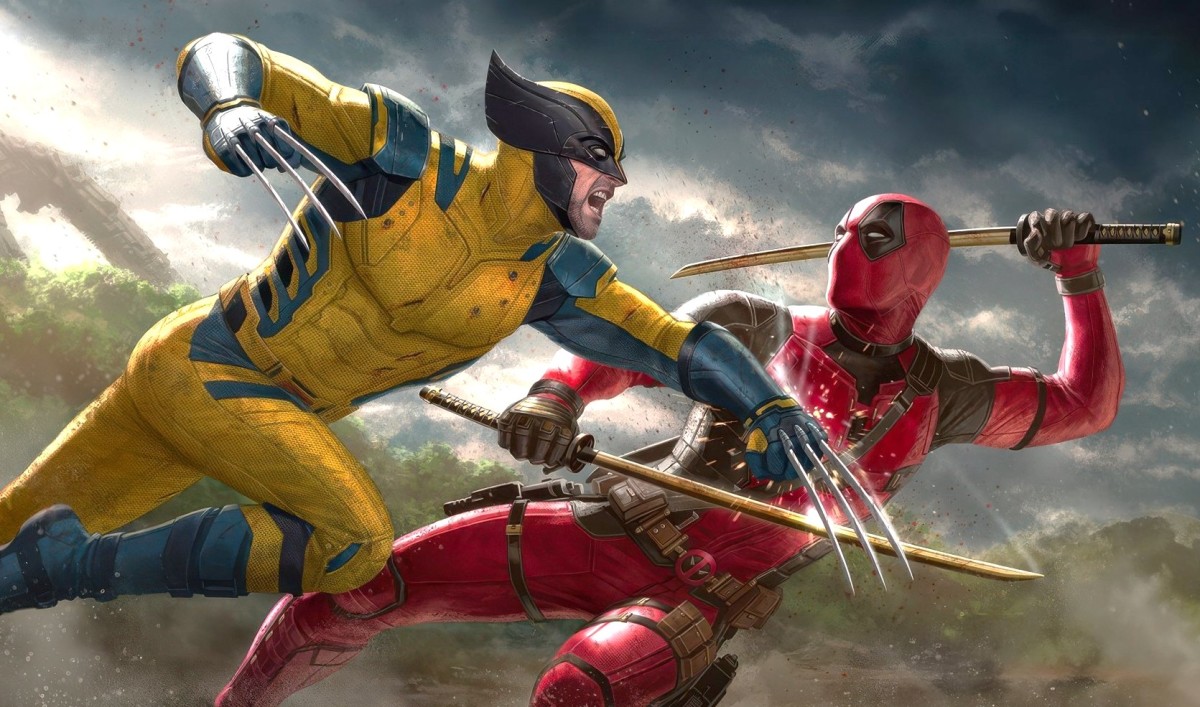
While layoffs are typically understood as cost-saving measures, Uwandi considered this decision "short-sighted," believing it could actually diminish the quality of future projects. He stressed that the camaraderie among department employees was crucial for maintaining high standards, as they mutually inspired and challenged each other. This connection, he warned, would significantly wane without the team working together internally. Uwandi lamented, "The Marvel Visual Development team has been together for 20 years, and for it to be disbanded like this is truly unfortunate for those who were incredibly loyal to Marvel. They could have worked anywhere else, but they chose to stay at Marvel."
(Image Source: Marvel Studios)
The Visual Development team's layoffs have also led many outsiders to speculate that Marvel might frequently use AI to replace traditional visual development work in the future. Uwandi stated he wasn't sure but wouldn't be surprised if it happened. Another source claimed that some external partners collaborating with Marvel had already begun using AI, including art departments and costume designers. However, this source also clarified that the layoffs were not AI-related but stemmed from Disney's changing approach to full-time employees versus contractors, with Marvel reportedly planning to rehire laid-off staff as outsourced contractors.
via: Polygon