

Ever actually read the nutrition labels on your canned goods? Most of us probably just give it a quick glance for calories, protein, or fat to get a rough idea of what we're chowing down on.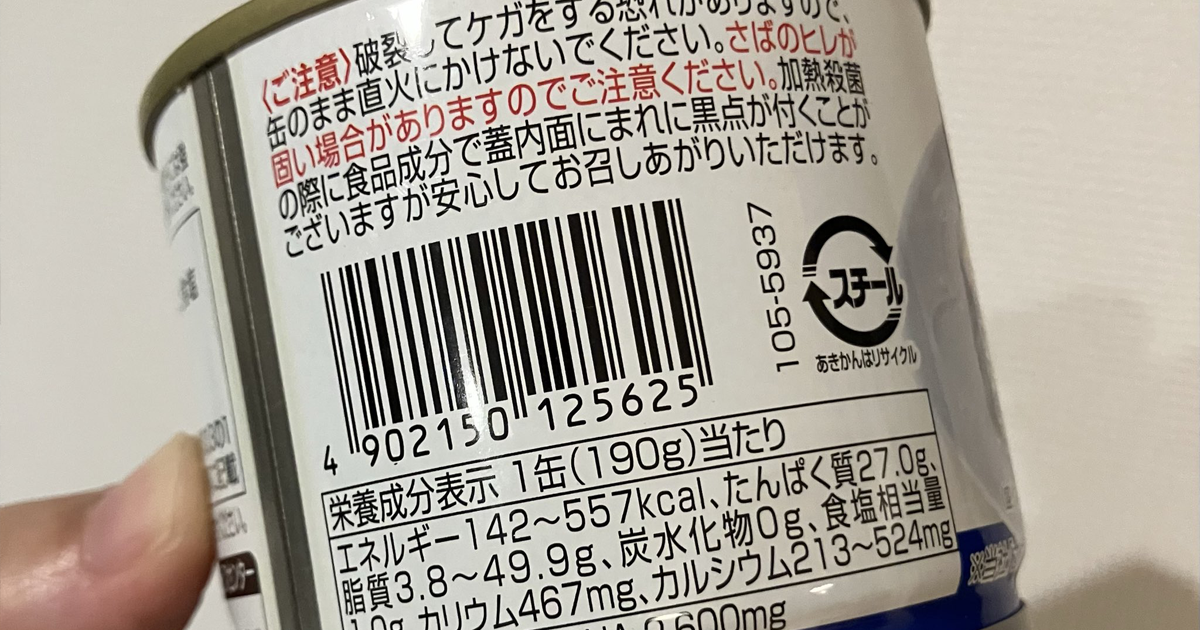 But recently, a Japanese netizen stumbled upon a mackerel can with a mind-boggling calorie range: "142-557kcal"! The massive difference left them scratching their head, prompting a viral post asking, "What gives? Is this a gacha roll?"
The photo of the mackerel can, shared by Twitter user "キムラ〜(@seinougatakai)," clearly shows the calorie count isn't a single, fixed number. Instead, it's that wild "142-557kcal" range. With such a massive spread, it's practically impossible to tell at first glance if you're getting a light snack or a calorie bomb!
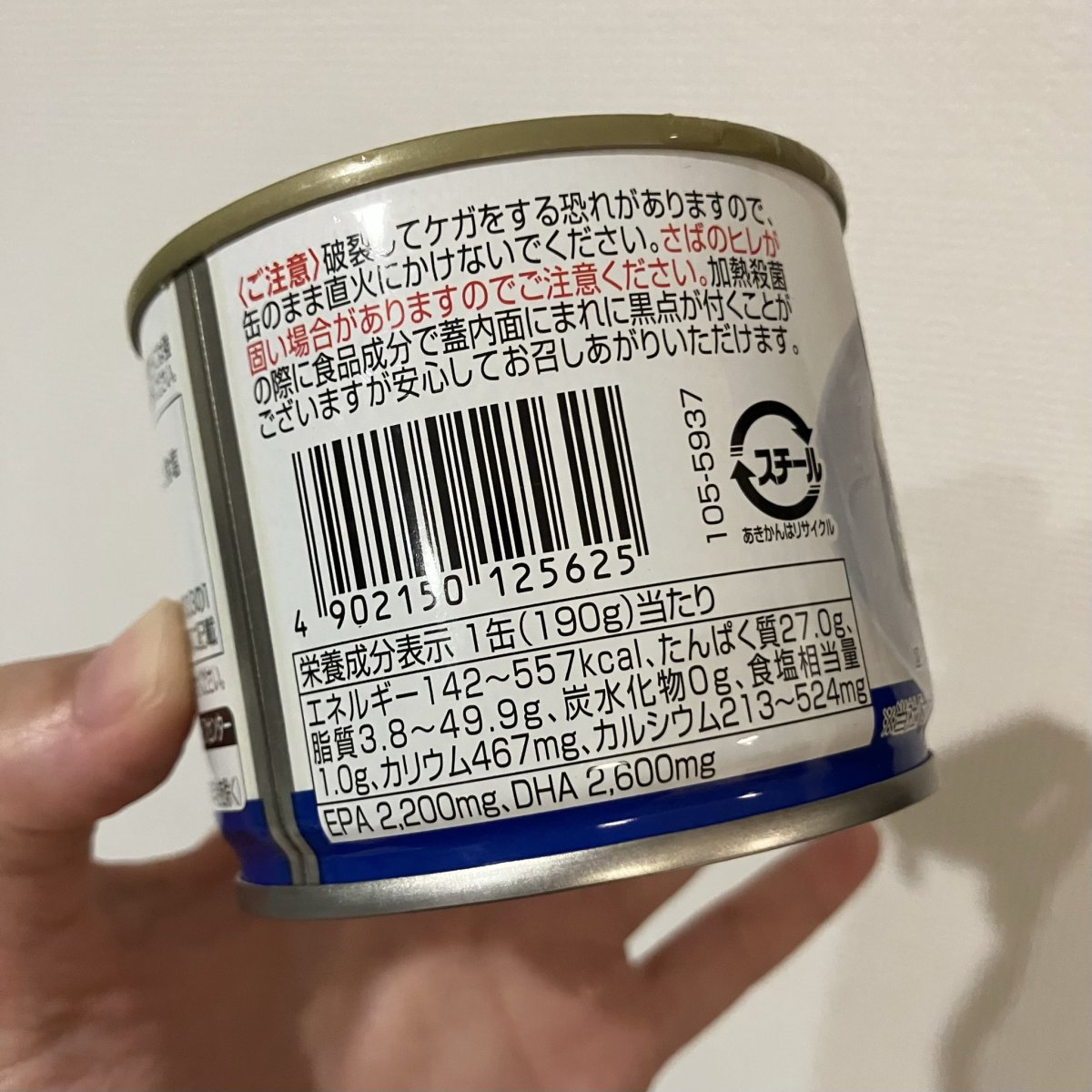
Naturally, this label sparked a ton of online chatter. Some netizens hilariously compared it to those ridiculously broad salary ranges you see on job hunting sites – the kind where the actual difference is so huge, you don't know what to believe!
But then, some helpful netizens stepped in with a serious explanation: the calorie variation in canned mackerel primarily comes down to changes in fat content. Mackerel itself can be fattier or leaner depending on its origin, the season it was caught, and even its individual size. Plus, the specific part of the fish used in canning also impacts how much oil is present. If you happen to get a can packed with fattier sections like the belly, the calorie count will naturally be much higher than if it's a leaner cut.


Another user chimed in, adding that Japanese nutrition labeling standards sometimes permit the use of "approximate values." Since it's practically impossible for manufacturers to measure the exact fat content of every single fish in every single can, the labels typically rely on estimated figures. They also noted that if a package doesn't show the "~" (range) symbol, it might be presenting the estimated maximum value. 
Foodies online even offered up some examples: mackerel caught in peak summer usually has less fat and lower calories. But winter mackerel, or the belly cuts of Norwegian mackerel, can be super fatty – almost like premium tuna belly – pushing the calorie count close to that whopping 557kcal mark. Even within the same fish, the tail and belly can have more than double the calorie difference!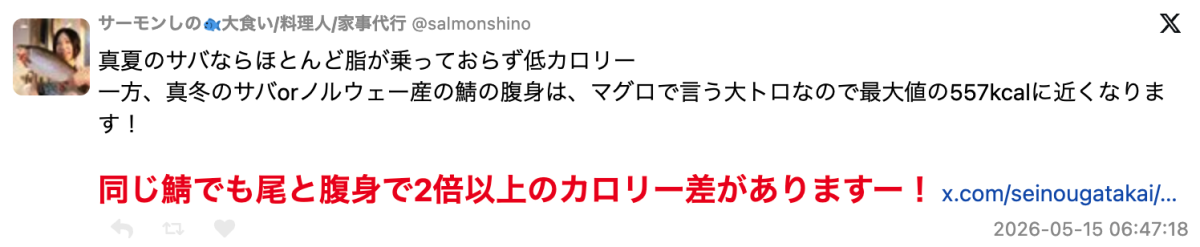 So, what seems like a plain old can actually hides a ton of variables. For anyone trying to watch their diet, figuring out if that can is a low-cal win or a high-cal splurge really does come down to pure luck when you crack it open. Talk about a literal mackerel gacha roll! QQ