
After nearly a decade since its initial reveal, the wait is almost over. The cross-platform MMORPG "Mabinogi Mobile," published by NEXON and developed by devCAT, is finally approaching its launch.
"Mabinogi Mobile" is built around the core tenets of adventure, social encounters, and a rich fantasy life, allowing players to return to the familiar world of Erinn with a fresh perspective and new gameplay systems. We were fortunate enough to attend a recent media hands-on event to experience this new era of Mabinogi firsthand. Here's our report on what "Mabinogi Mobile" truly has to offer.
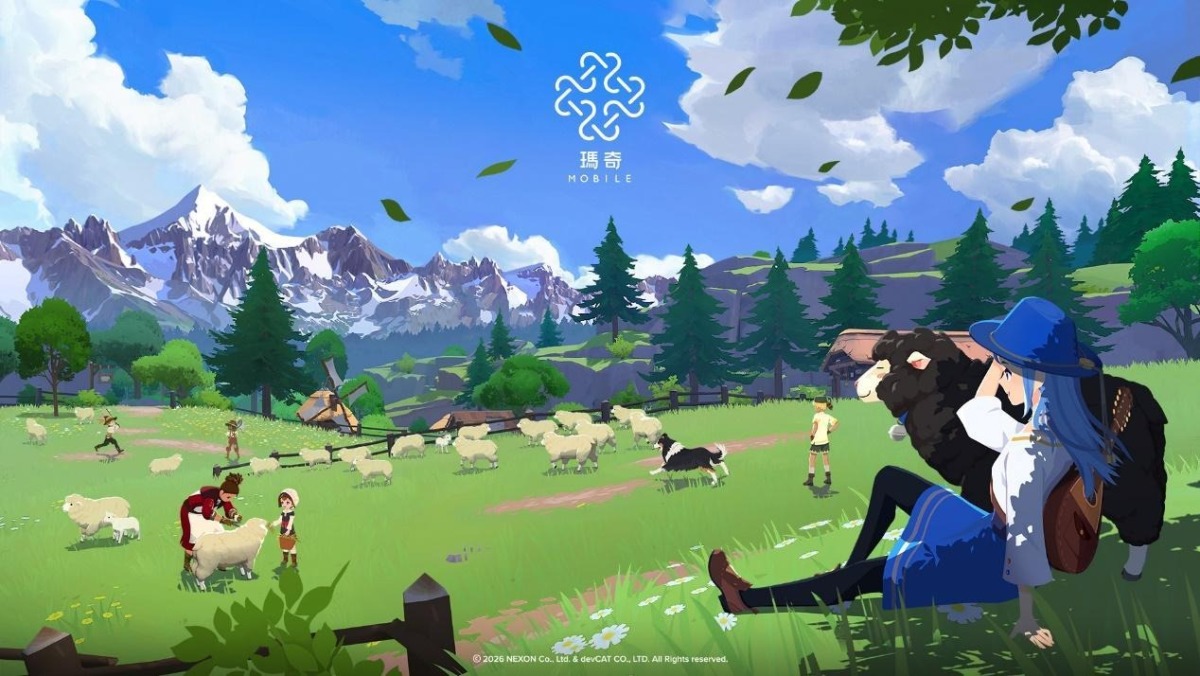
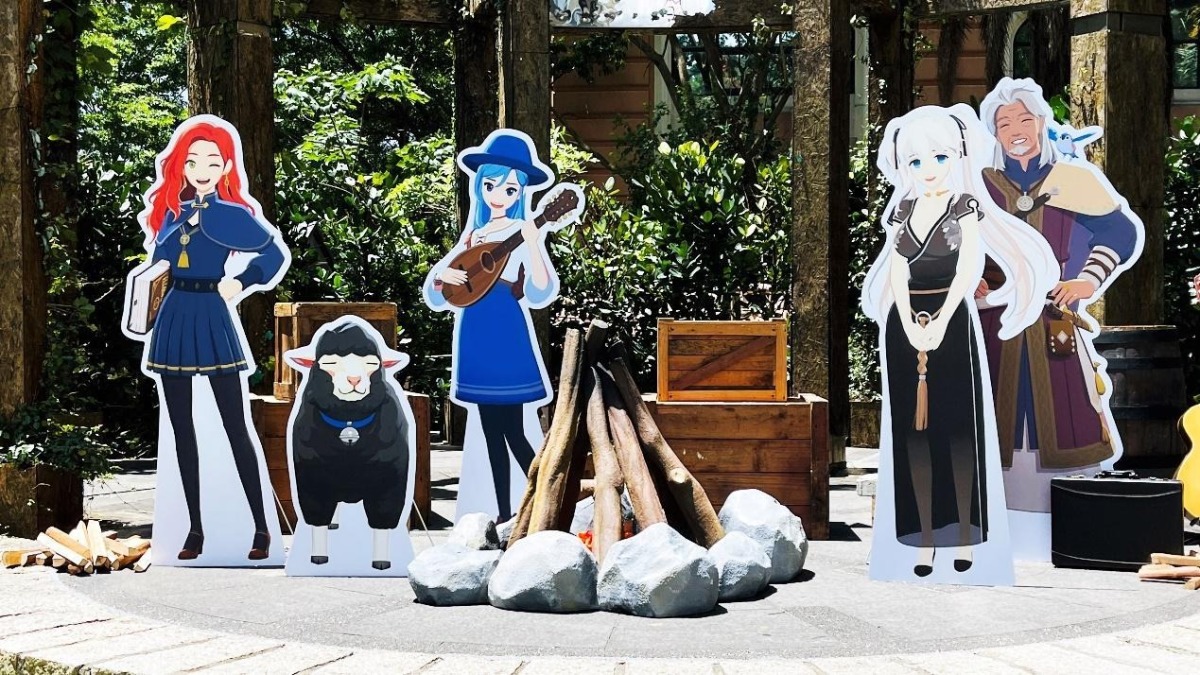
The event was held at a semi-outdoor venue at the Dazhi Denwell. Upon entering, we were immediately greeted by a large photo wall featuring the series' iconic welcomer, Nao. Beyond that, the event organizers made excellent use of the outdoor space, setting up displays of the classic Three Warriors, a campfire scene central to the game's theme, and standees of new characters. The wave of nostalgia hit hard before we even touched the game.



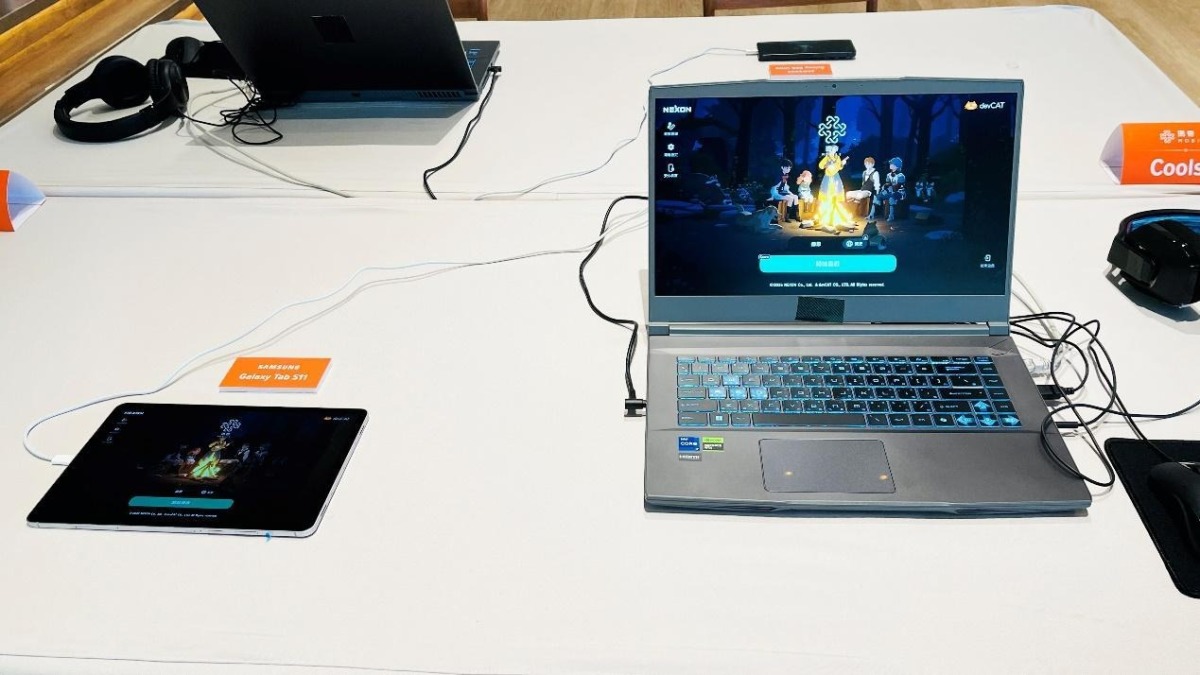
Inside, the venue was further decorated with character standees and a wall art piece of the goddess Morrighan. A full suite of hardware was ready for us, including Gigabyte PCs, laptops, and Samsung tablets, allowing everyone to experience the game's cross-platform capabilities. My initial impression across both PC and mobile was that the optimization is excellent. The game ran smoothly with impressive visuals and virtually no stuttering. Thanks to the high-end devices provided, performance remained solid even on tablets, with no noticeable downgrade in frame rate or effects. It's also worth noting the game supports both horizontal and vertical screen orientations—a clear nod to mobile-first convenience, though I unfortunately didn't get a chance to capture this feature.


After a bit of exploring, the event kicked off. Following a screening of a new commercial, Development Director Lee Jin-hun, who braved a typhoon to be there, took the stage. After a brief introduction to the game's main features and a group photo session, we finally got to dive into the all-new "Mabinogi Mobile." I chose to play on a Gigabyte laptop for my session.



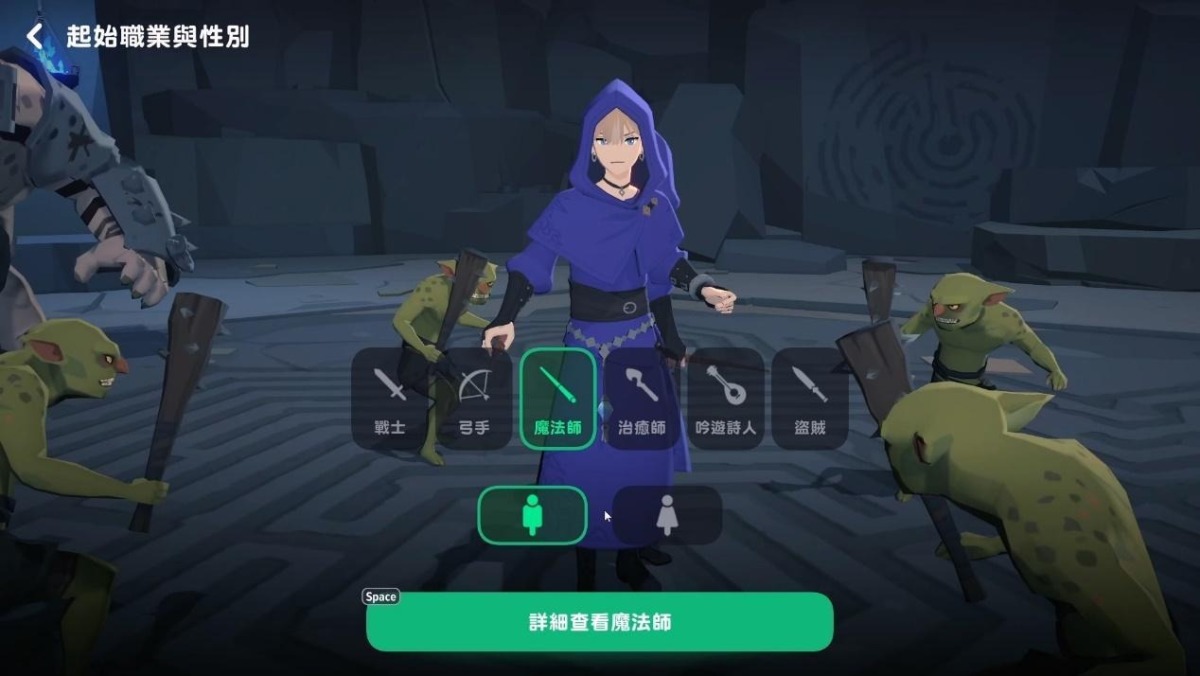
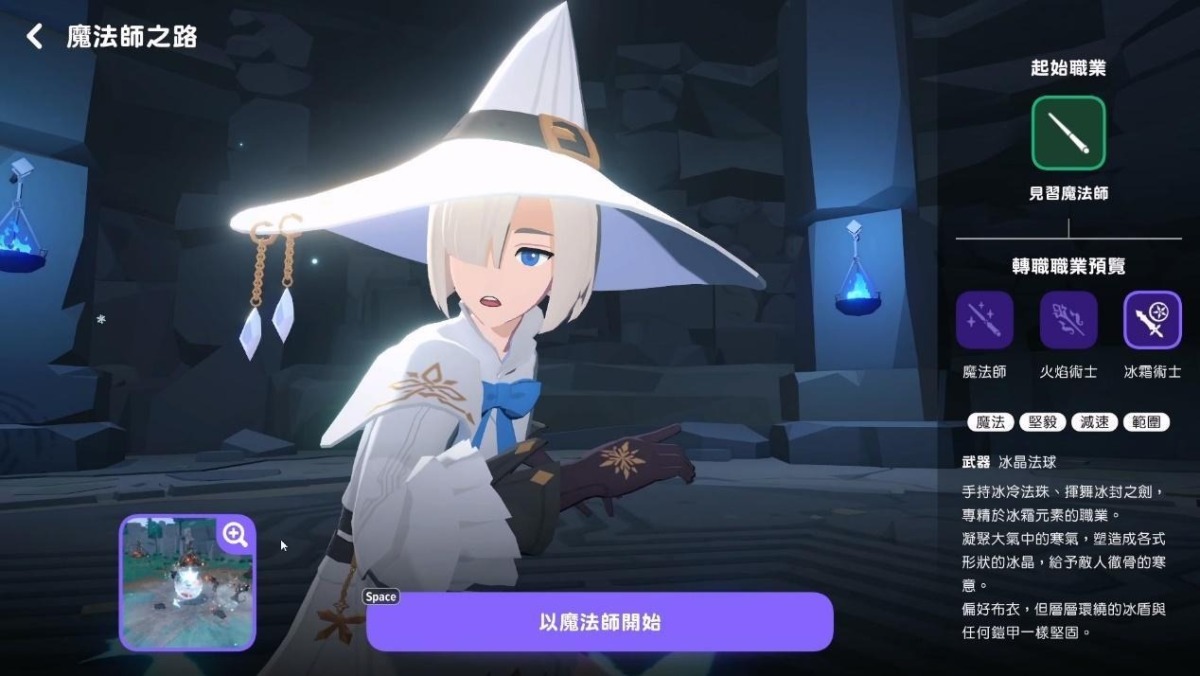
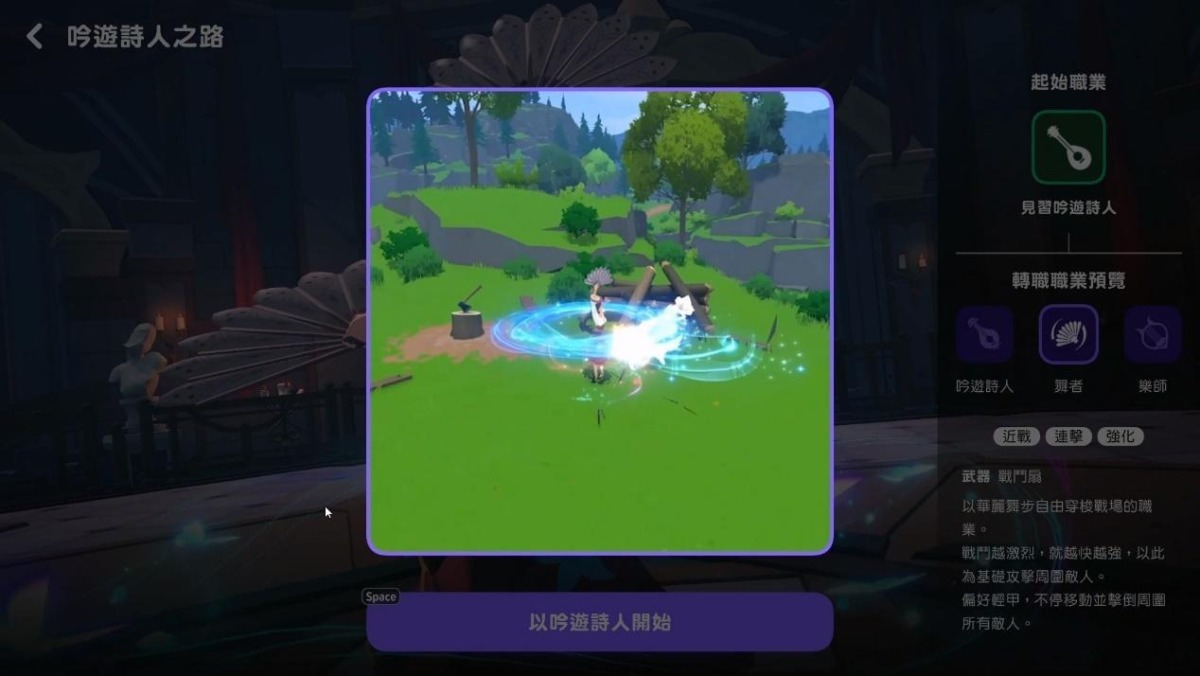
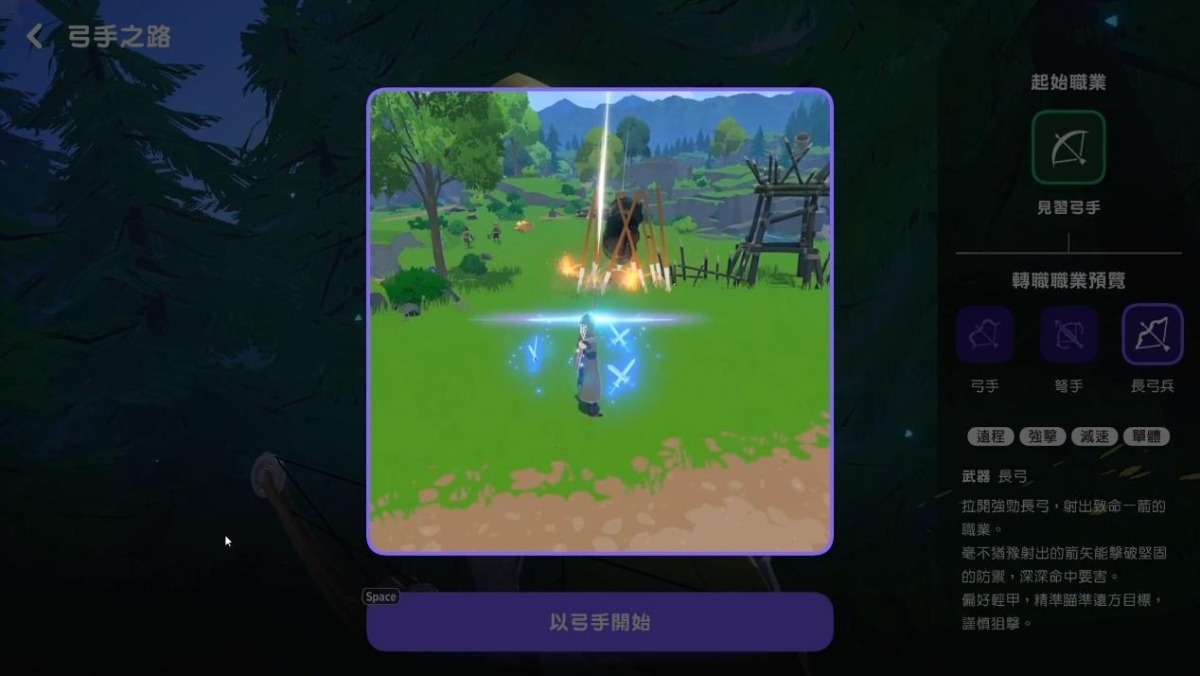
One of the most revolutionary features of the original "Mabinogi" was its complete removal of a rigid class system, allowing players to learn any skill they desired. While "Mabinogi Mobile" does introduce classes, it honors that original philosophy by letting you switch your class simply by changing your weapon.
The game offers six main class paths, each with three advanced specializations. For example, the "Apprentice Archer" can advance to become a nimble "Archer," a burst-damage "Crossbowman," or a long-range "Longbowman." Similarly, an "Apprentice Mage" can become a balanced "Mage," a high-damage "Fire Mage," or a defensive "Ice Mage" with a unique ice shield. Each path offers a distinct tactical role and playstyle. Being a fan of unconventional classes and wanting to see if the old title systems like "who defeated a bear at age ten" were still around, I opted to start as a Bard at the youngest possible age, 10.
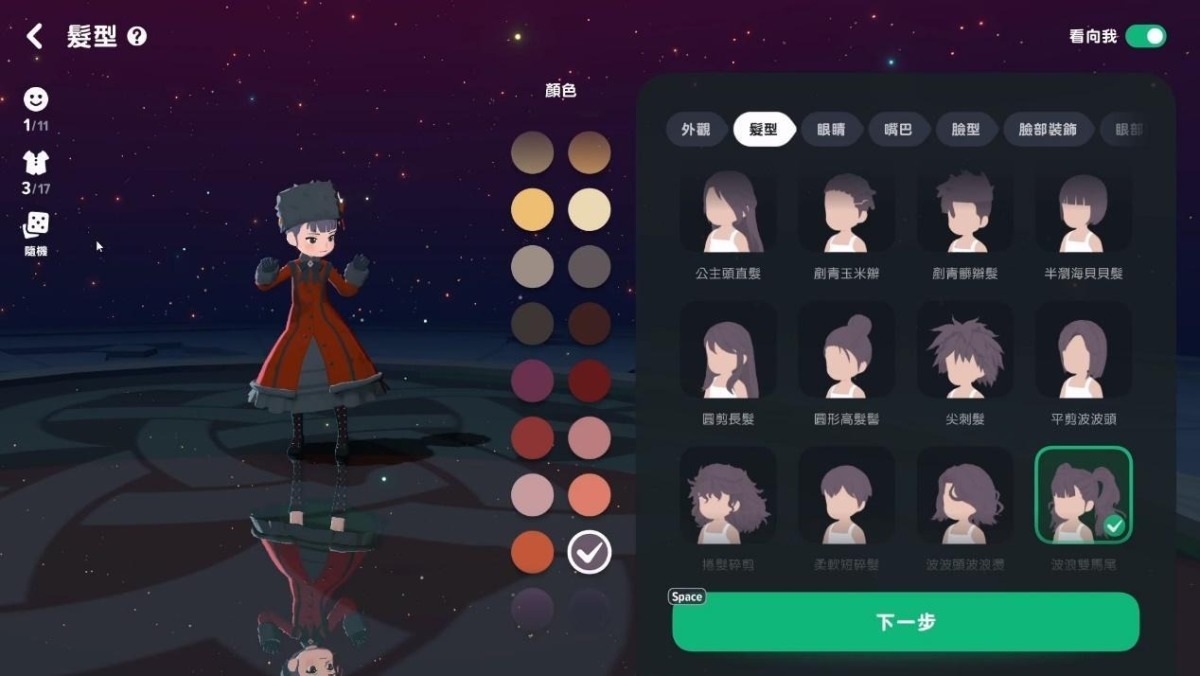
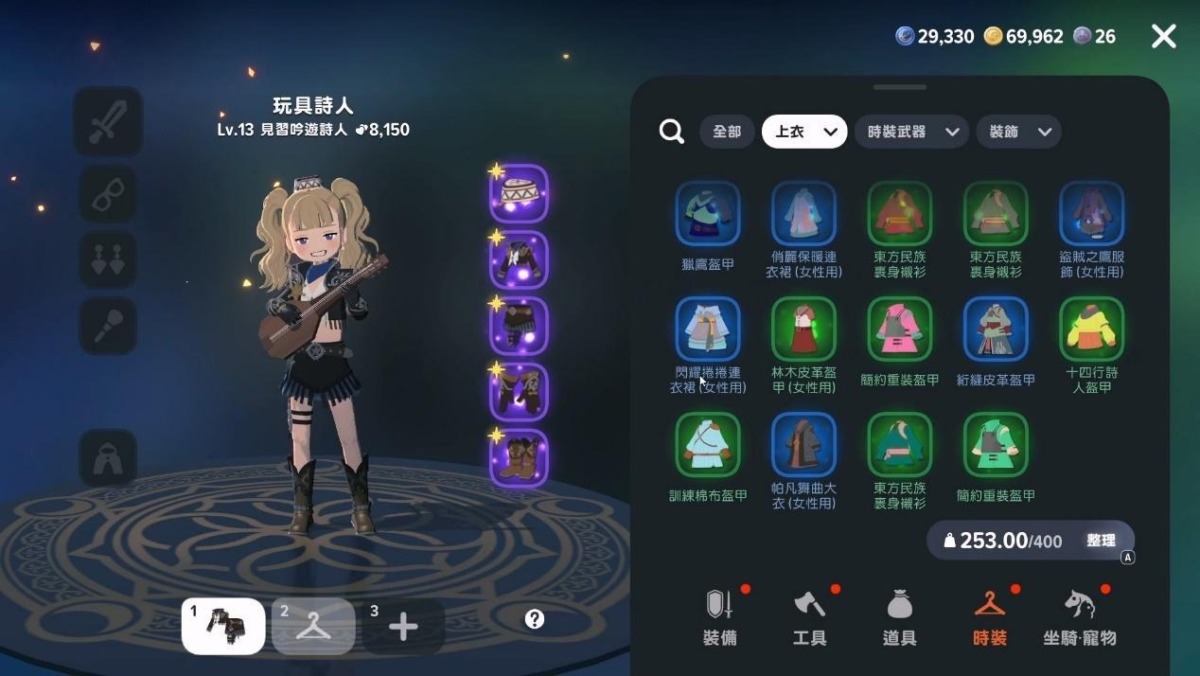
On a side note, the character creator is quite robust, offering plenty of detail and even several outfits to try on from the start. It's clear that cosmetics will be a major focus for the game's economy.
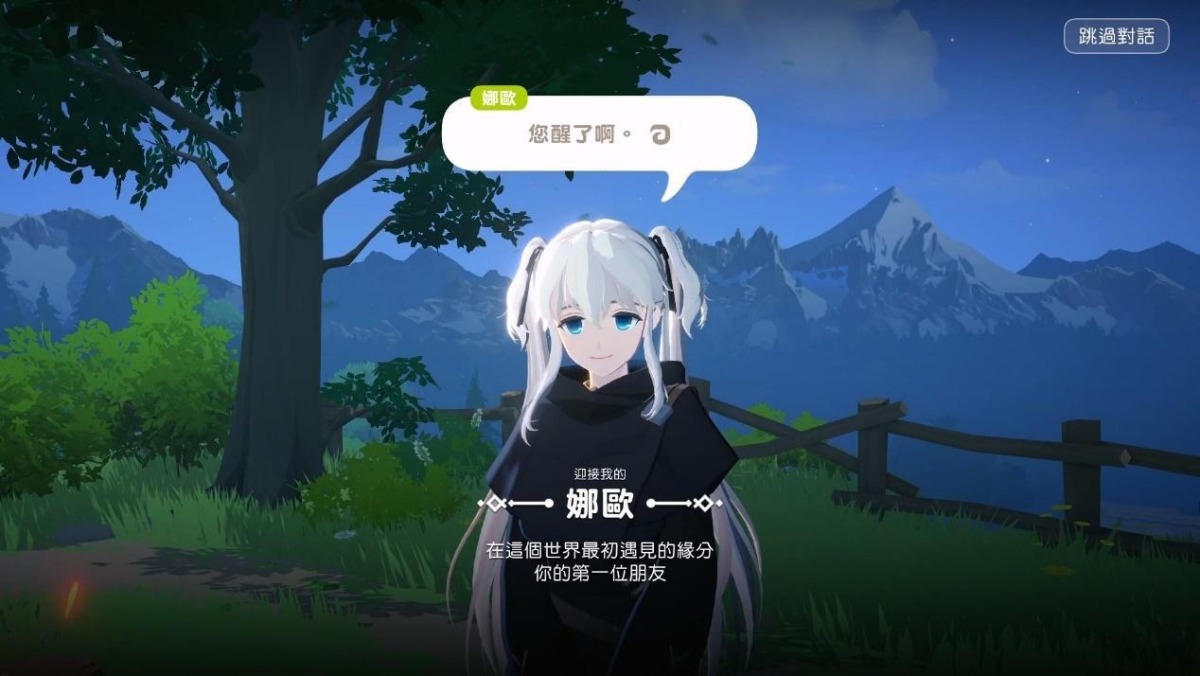
After a brief combat tutorial, my new adventurer returned to Erinn and met the most familiar face of all: Nao. According to previous interviews, while Nao was primarily a guide in the original, she will play a much more significant role in the main story this time. Though my time was too short to delve deep into her new narrative, seeing her again felt like coming home.
Let's break down the basic gameplay loop. True to its roots, the game offers immense freedom and doesn't force you down the main quest line. Players can progress at their own pace, balancing "Mabinogi Mobile's" combat and life skill content. You can shape your character's growth by choosing from a variety of randomized enhancement options, creating a truly unique build. Within this framework, three key features stand out:
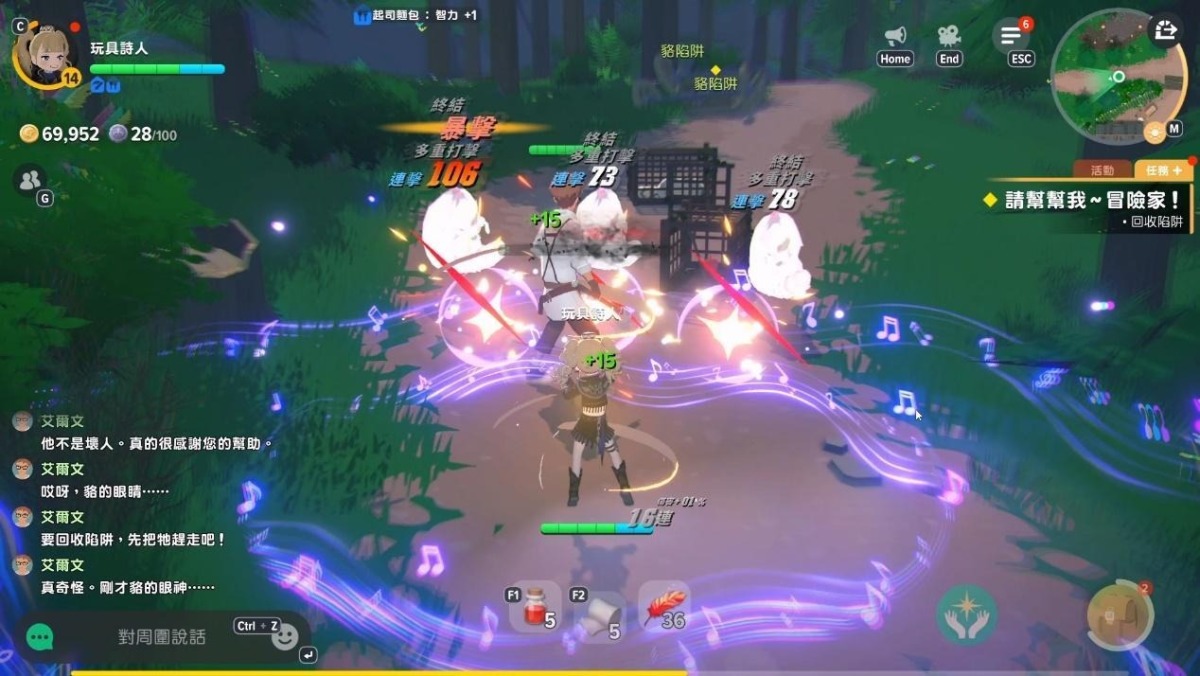
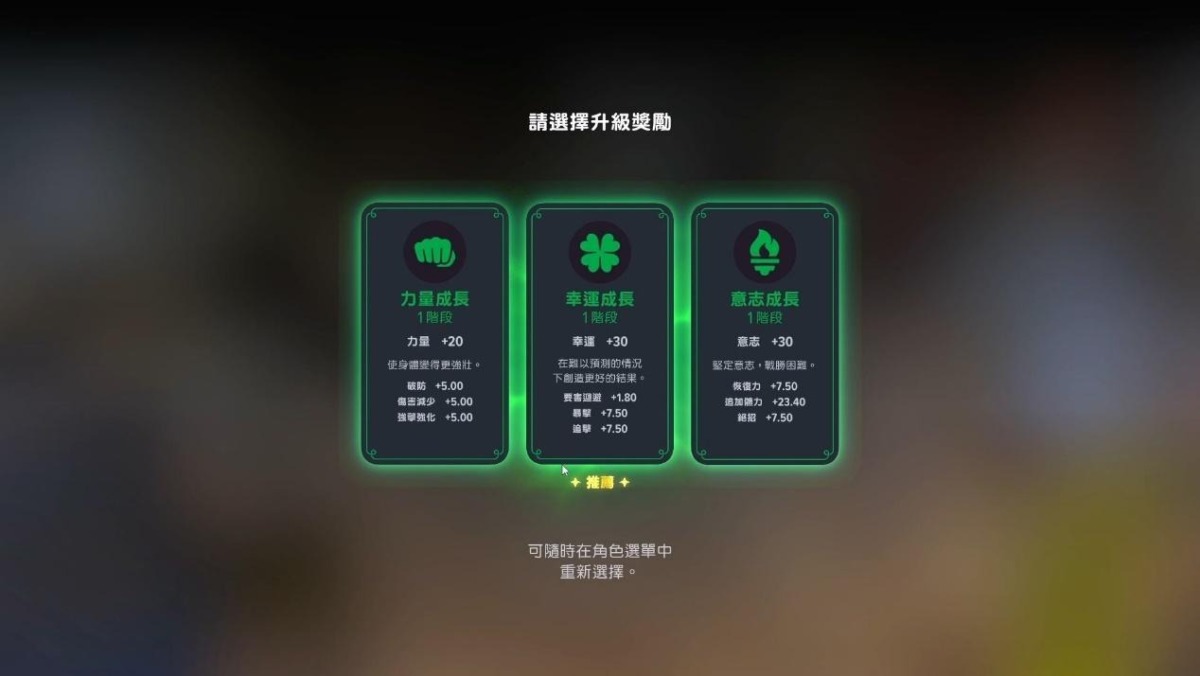
Leveling up doesn't use a point-allocation system; instead, you choose your desired growth bonuses, which can be re-selected to easily facilitate class changes.
First is the combat. Veterans of the original will remember its slower-paced but highly tactical, action-oriented combat that even featured a rock-paper-scissors-like counter system. "Mabinogi Mobile" adapts this for modern platforms, shifting to a command-based system that's simple to control but still feels impactful.
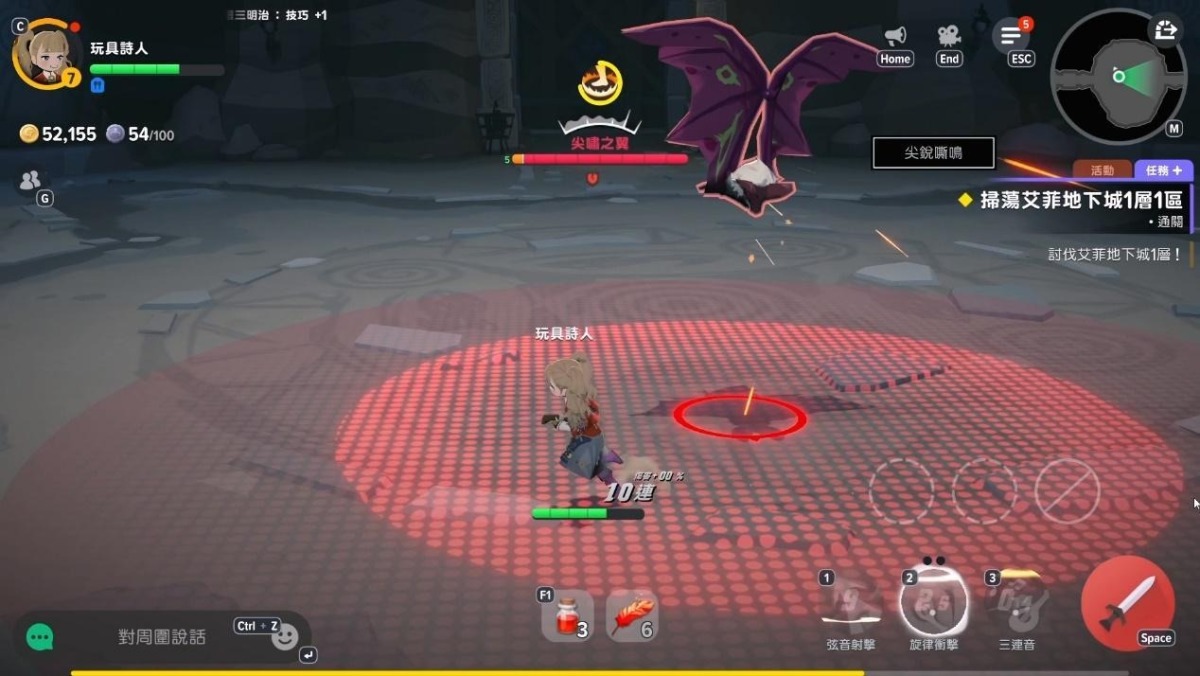
While the action elements have been streamlined, the core combat logic of timing and observation remains intact.
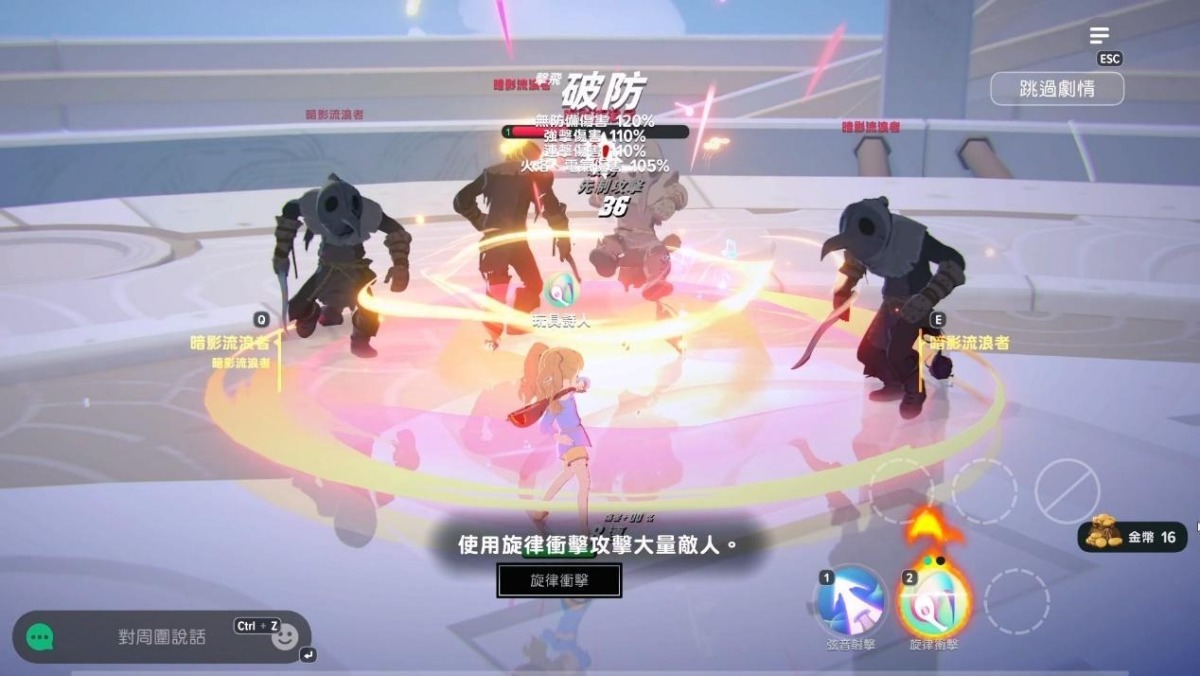
The game uses a real-time command system where your character auto-attacks, while you are responsible for activating skills. But it's not an idle game; you must actively dodge boss AOE attacks and monitor the boss's defense gauge to decide whether to evade or use skills to execute a Guard Break. Successfully breaking a boss's guard not only interrupts their attack but also creates a crucial window for dealing bonus damage. This suggests that, much like the old Icebolt-Smash combos, there will be optimal skill rotations to exploit enemy openings, though I didn't have enough time to discover them.
Interestingly, you can quickly switch targets using the Q and E keys or by tapping the sides of the screen, showing a clear effort to create a streamlined control scheme that feels fun and responsive on any platform.
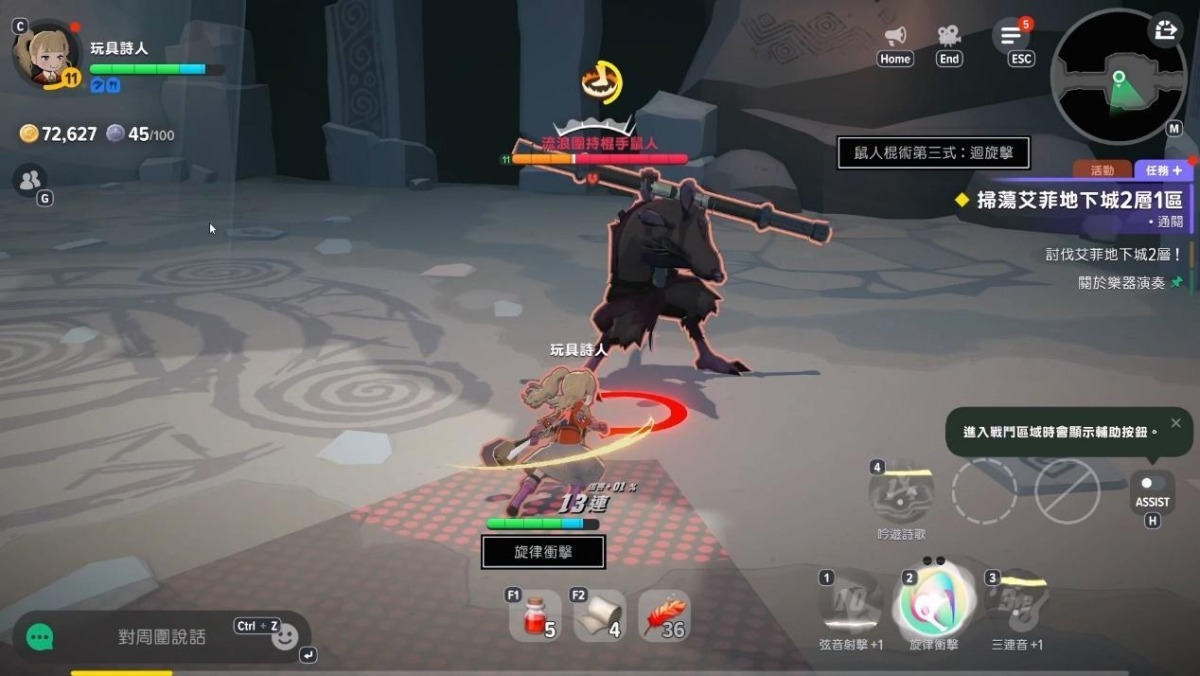
The boss is about to unleash an AOE, but its defense is on the verge of breaking...
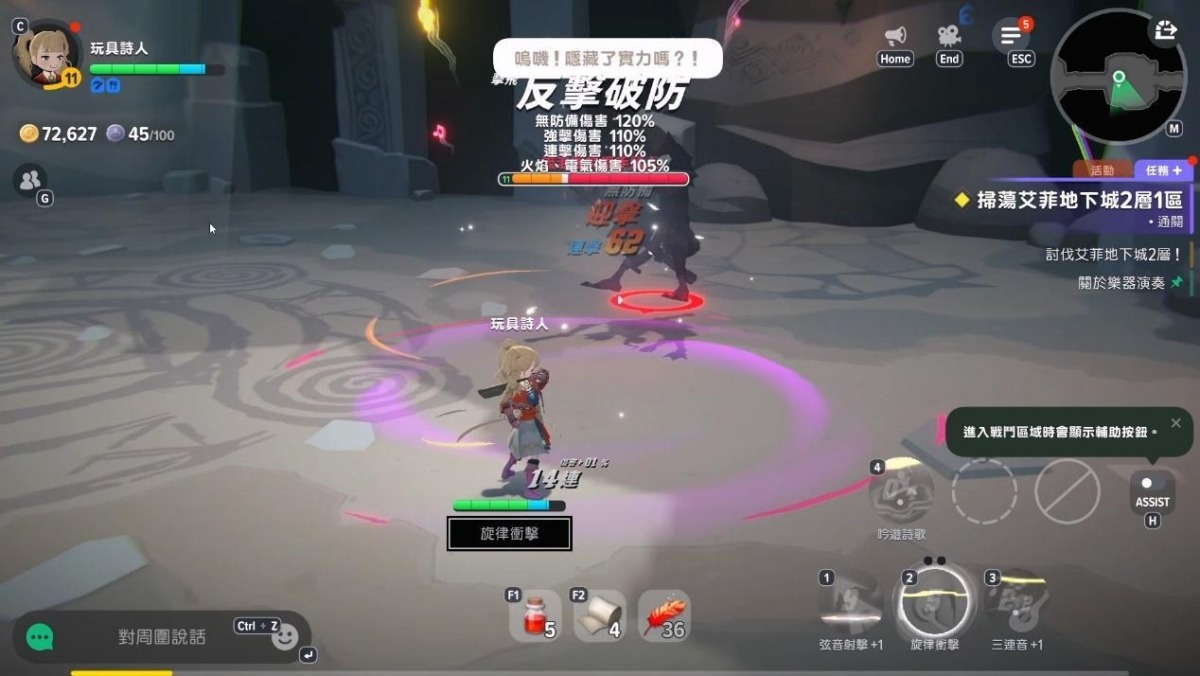
Unleash an active skill to trigger a Guard Break, granting a bonus to all subsequent damage.
The primary combat stages are divided into "Hunting Grounds" and "Dungeons." The former are open-field areas packed with monsters and resources for gathering, while the latter are instanced zones with specific entry requirements, offering varied challenges and powerful bosses.
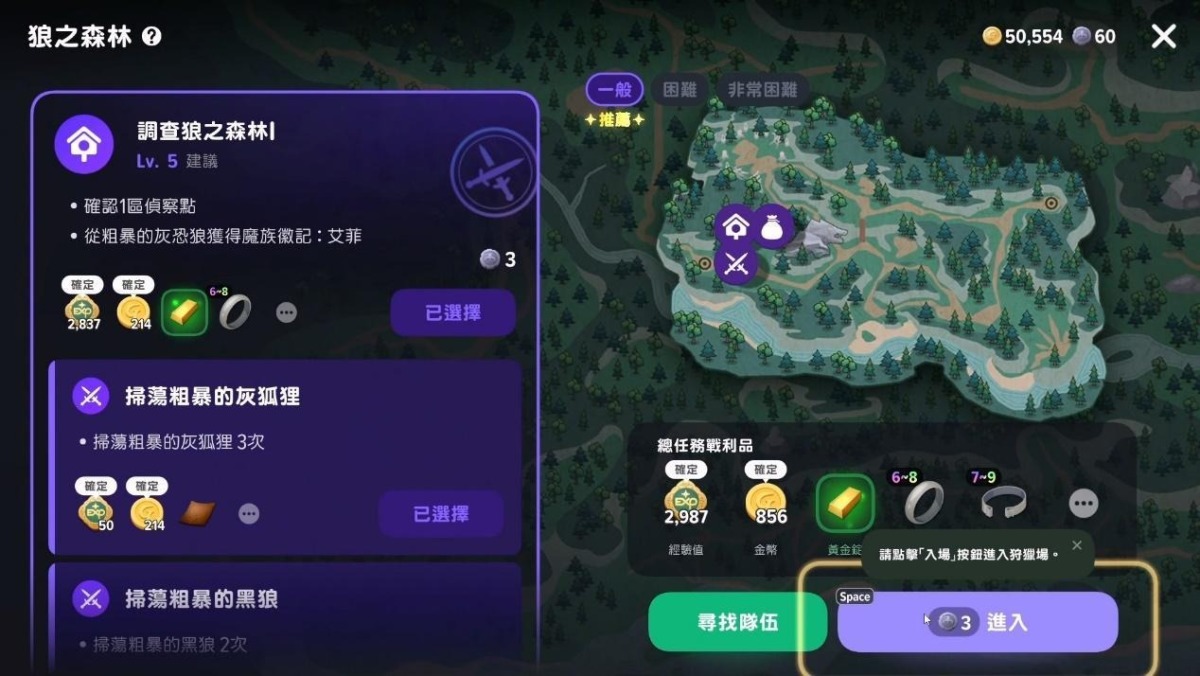
Most combat in the game takes place within Hunting Grounds or Dungeons, rather than the open world.
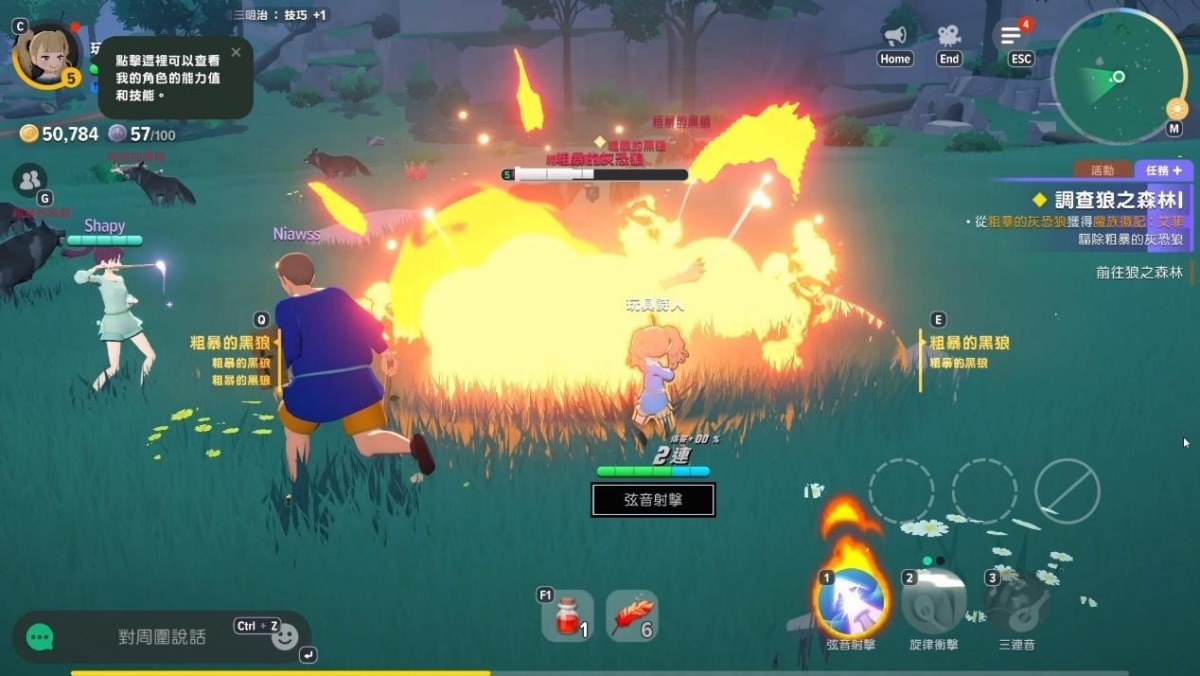
Hunting Grounds are essentially designated zones filled with monsters where you can freely hunt or gather resources, leaving once your current objective is complete.
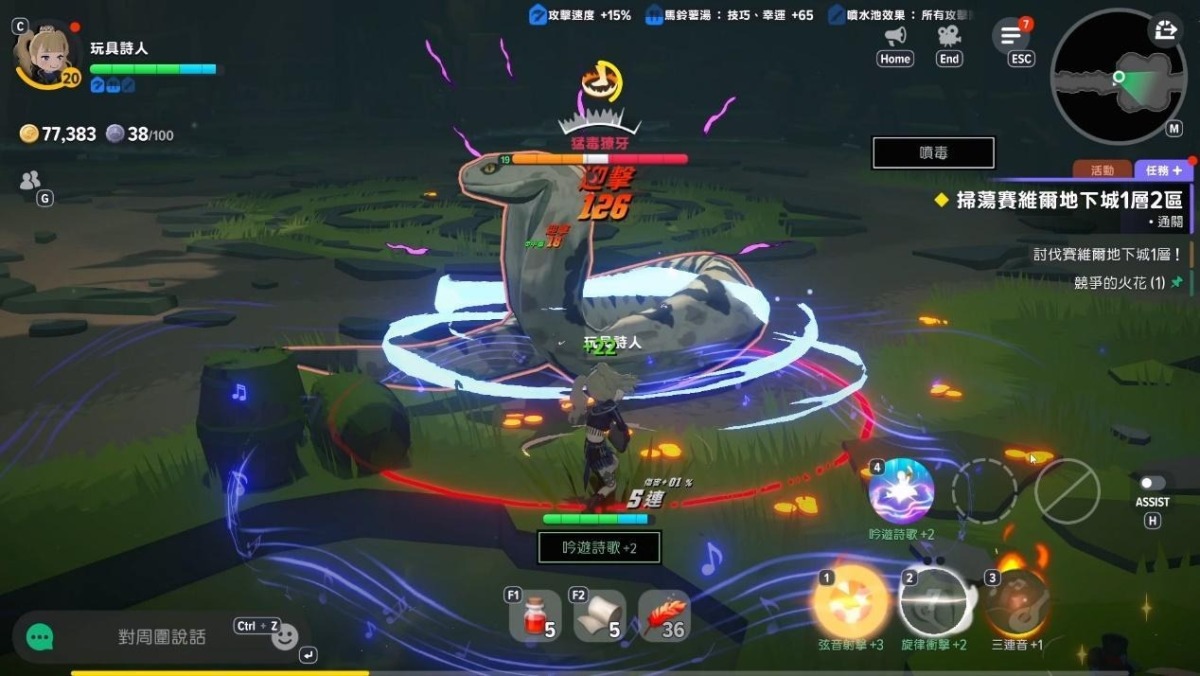
Dungeons typically feature special events and powerful bosses, serving as the primary place to test your strength and farm for loot.
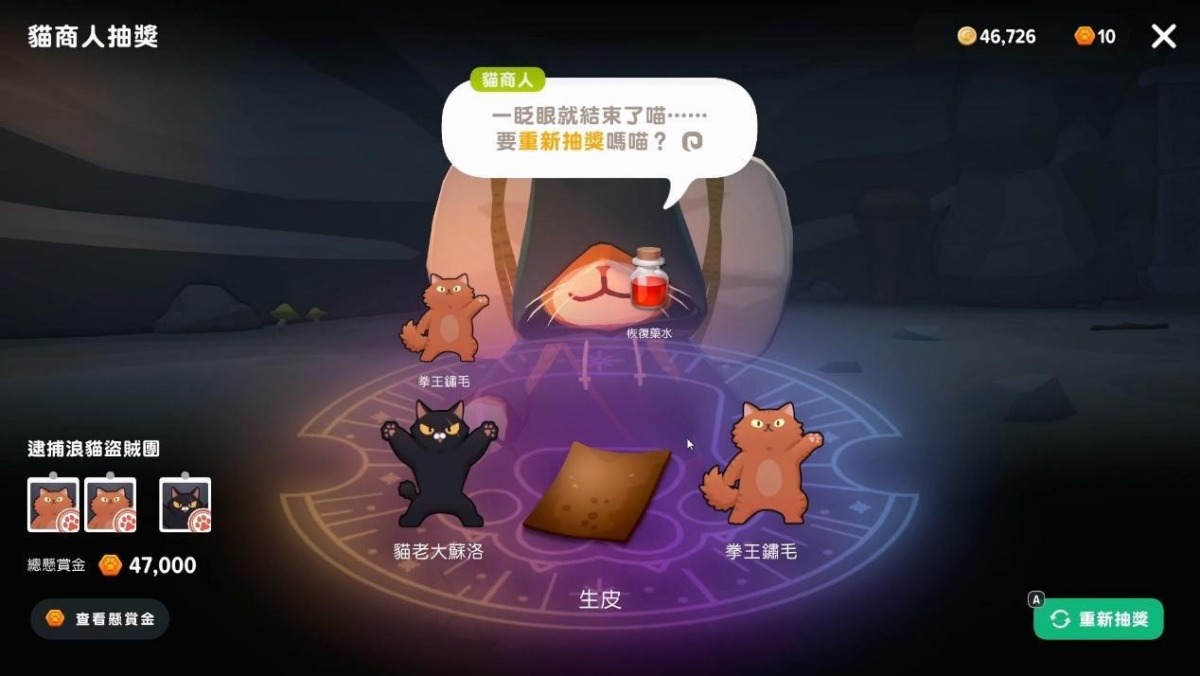
For example, you might run into a cat merchant who offers a chance to win materials or potions.
While both are technically instanced, the game introduces a fascinating "Encounter" system to promote cooperation. This feature allows players with similar quest progress to seamlessly meet inside the same Hunting Ground or Dungeon, even if they aren't in a party. You can then team up to take down bosses and clear the area more efficiently. This not only provides companionship during your adventures but also expands your social circle. That helpful stranger you just fought alongside could become your best friend tomorrow!
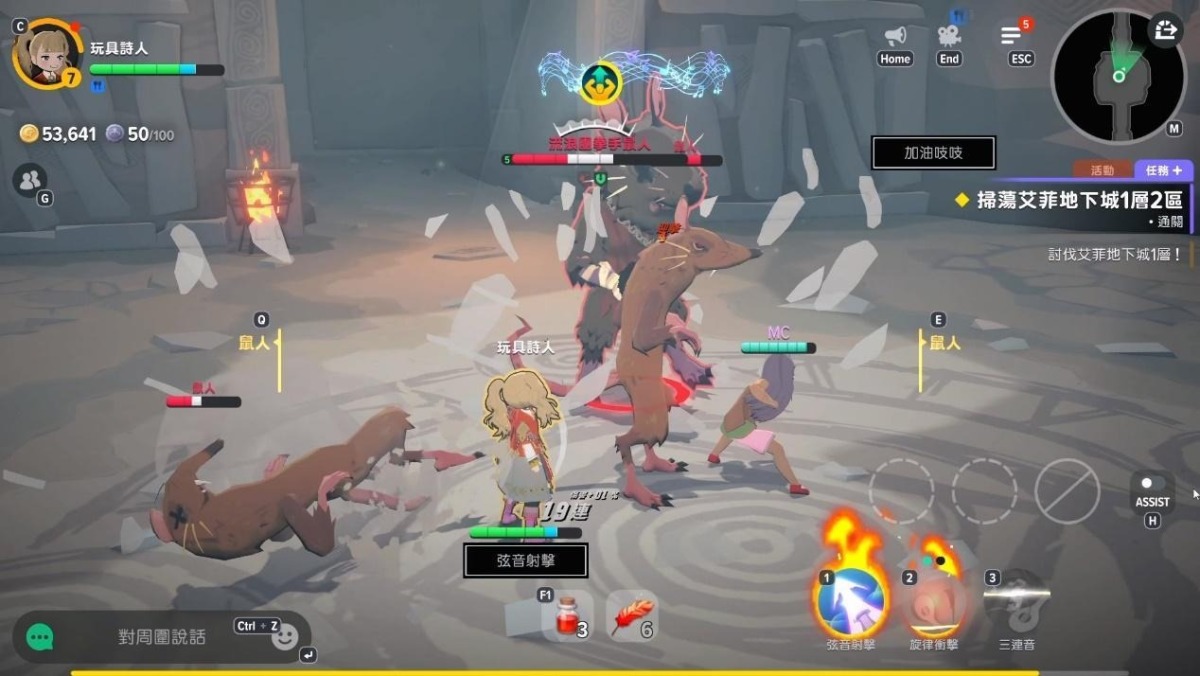
The Encounter system is completely seamless. Players just naturally appear in the same area and instinctively start fighting together.
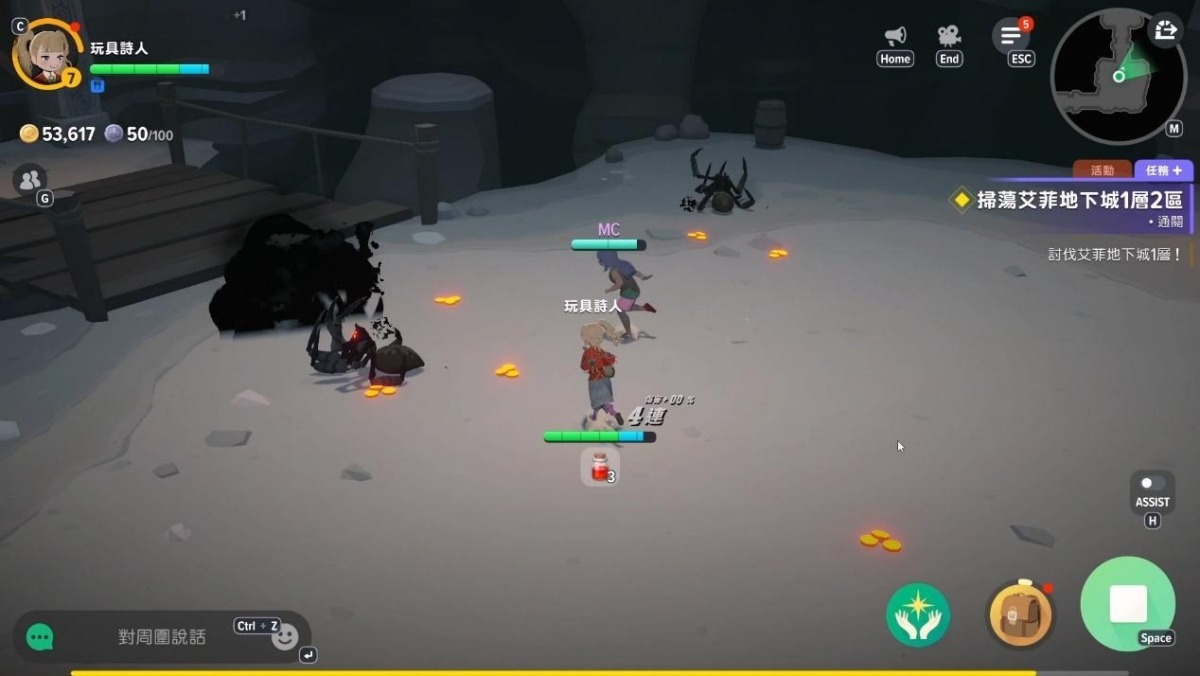
Of course, it's a good idea to send a friend request after a successful run, since meeting up means you're at a similar stage in the game.
The game's second major feature is its expansive life skill system.
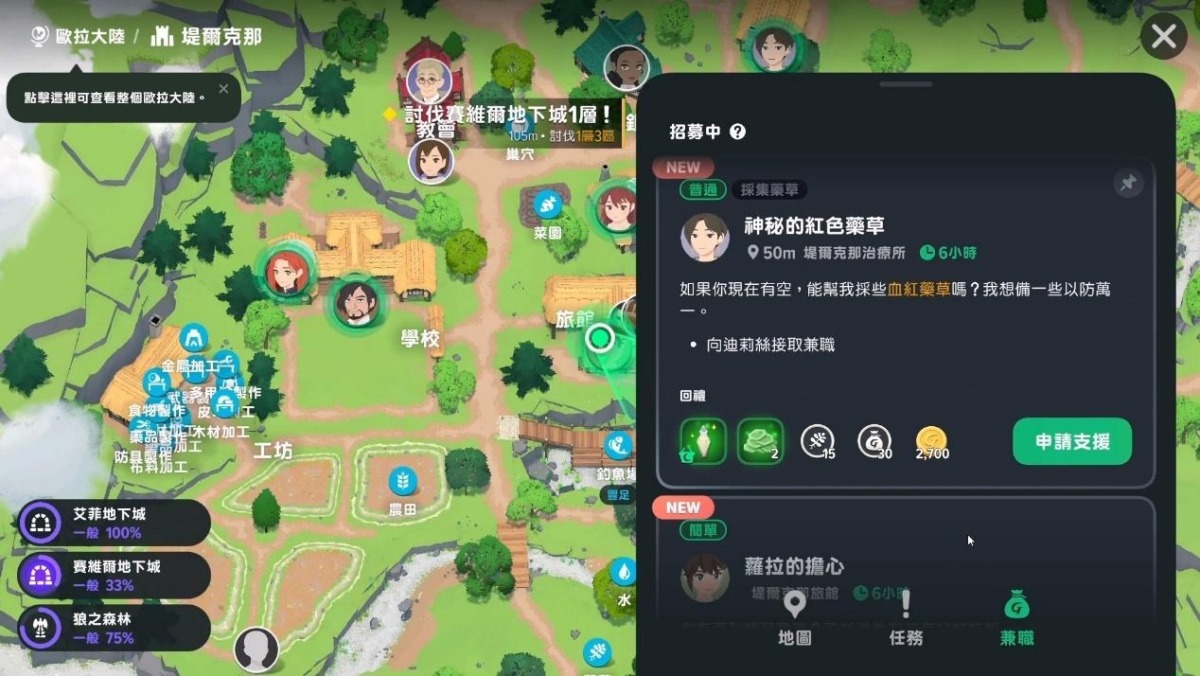
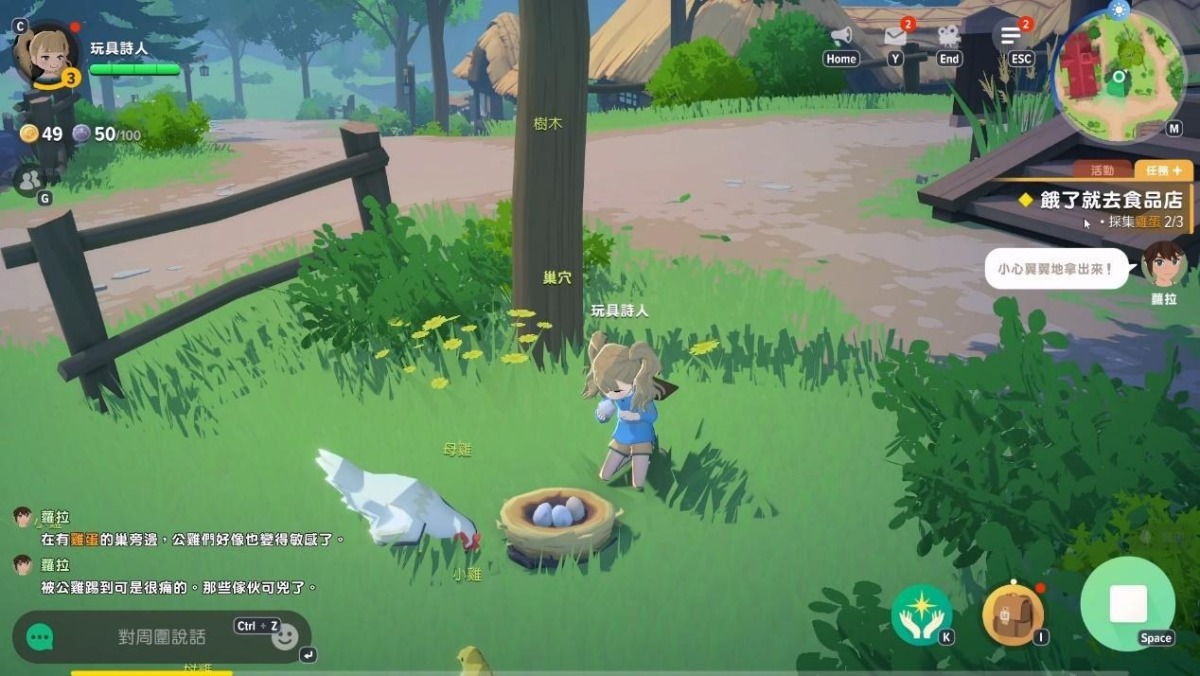
If you ever get tired of adventuring, you can stop at any time to try out the life skill content.
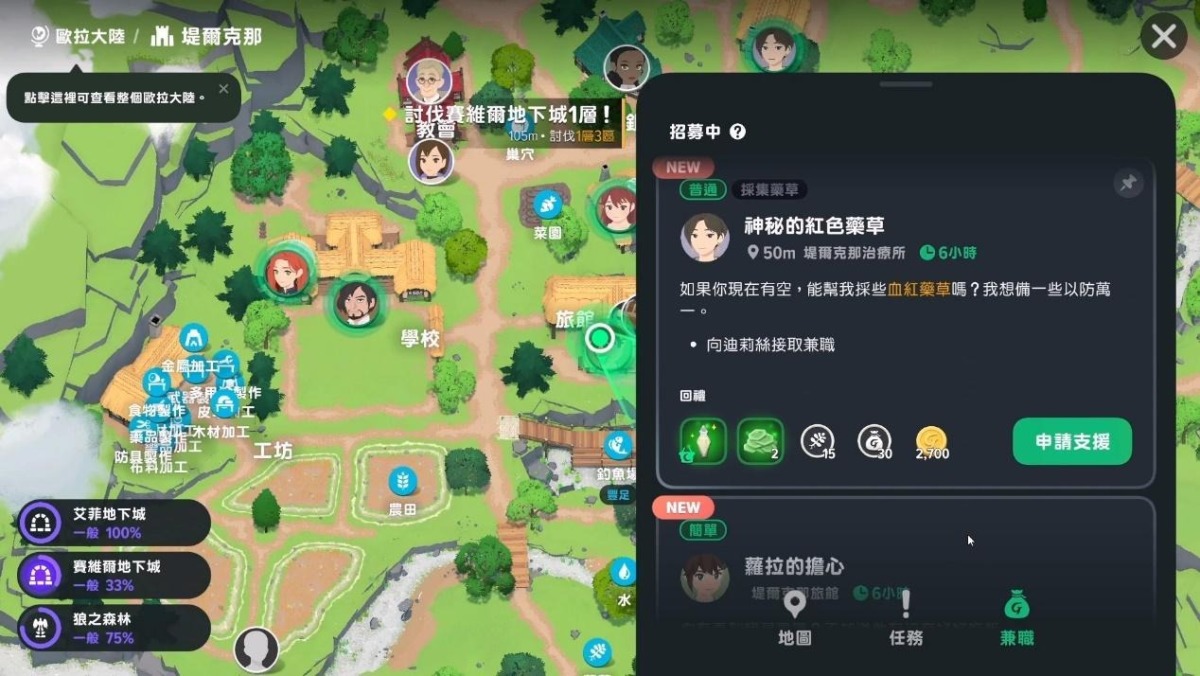
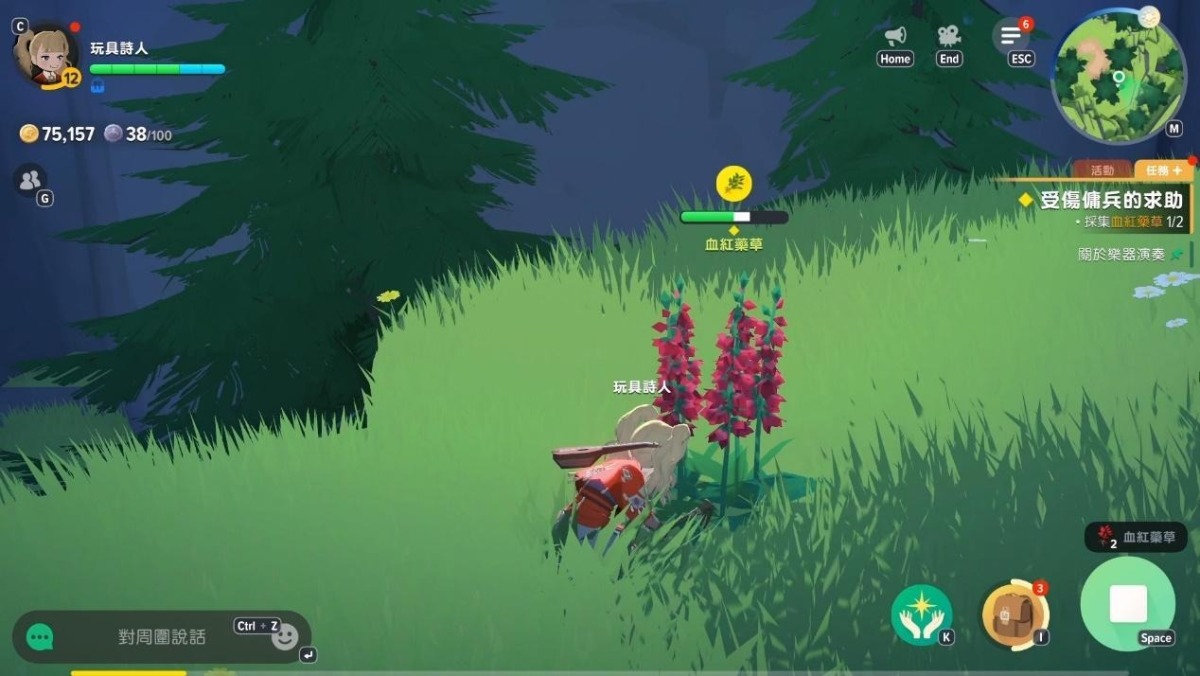
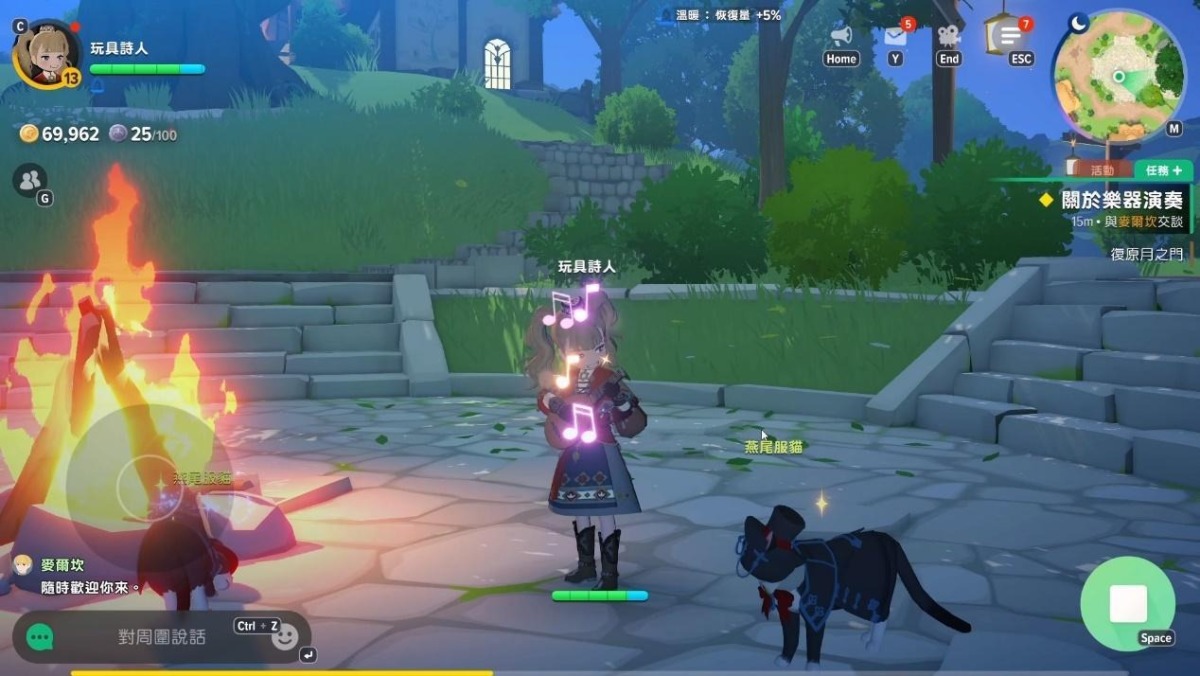
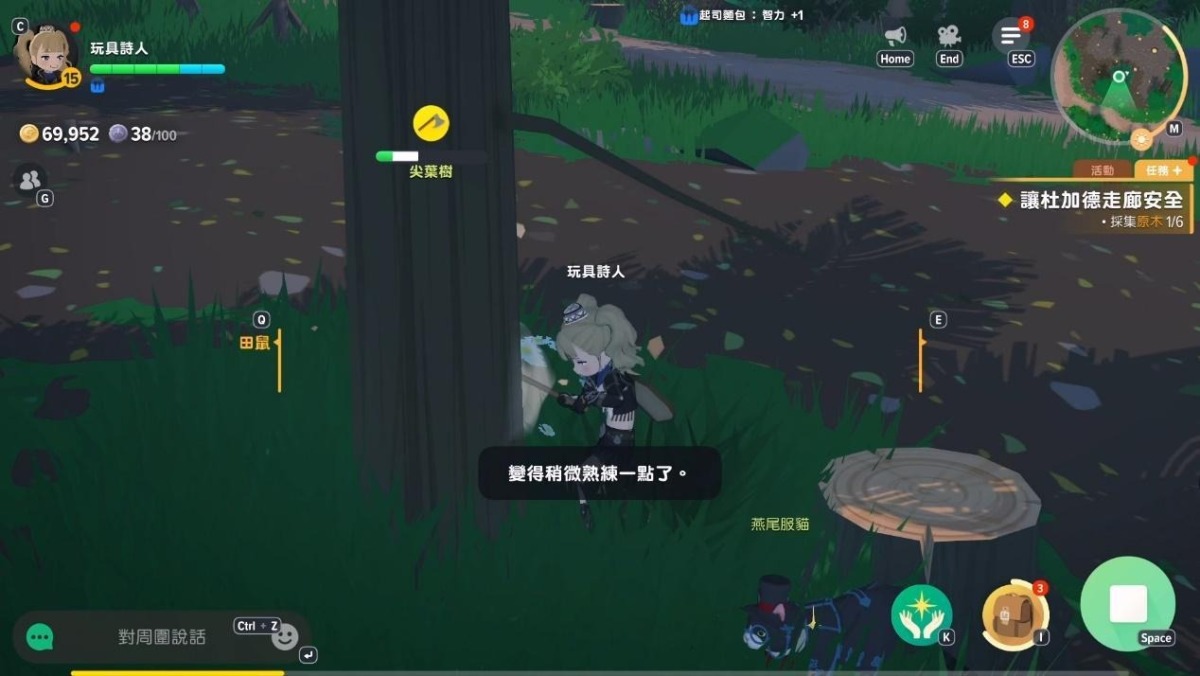
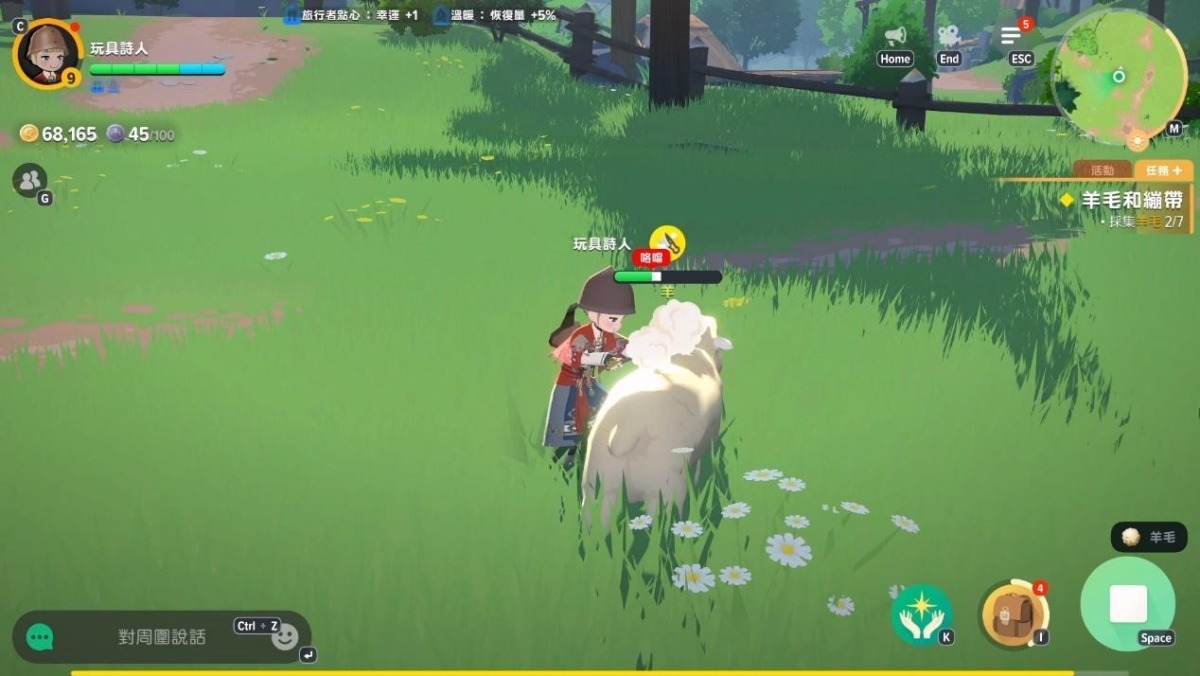
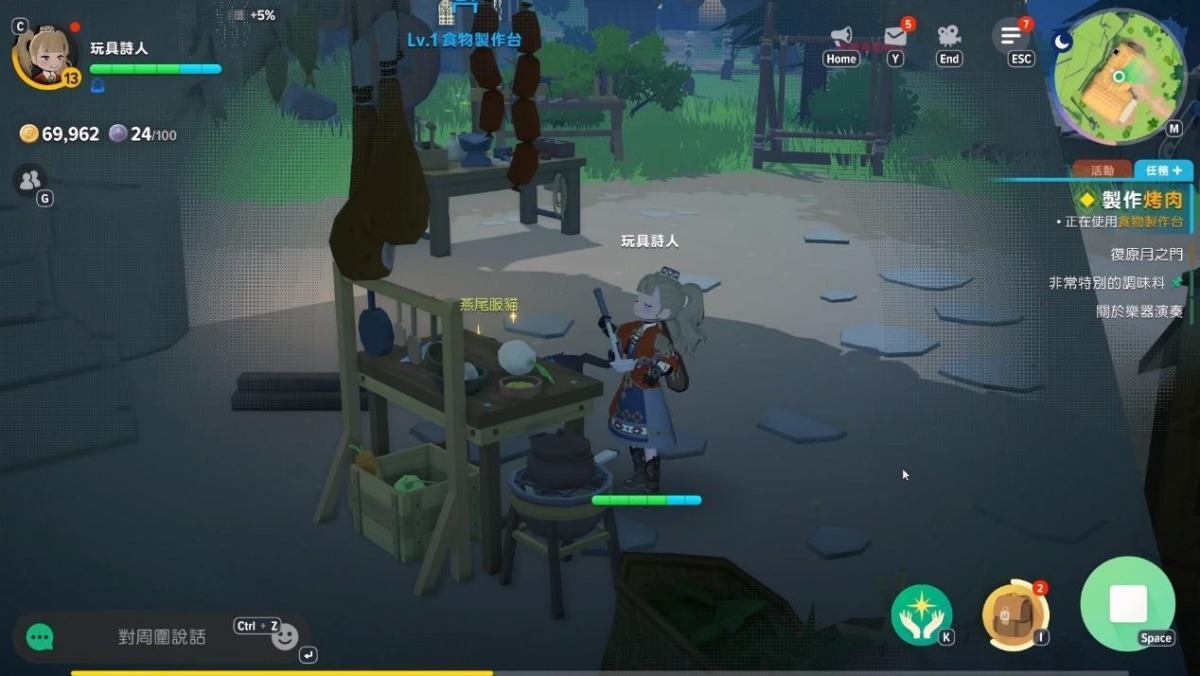
Players can freely engage in activities like "Gathering," "Sheep Shearing," "Cooking," "Fishing," and "Playing Instruments," while also completing part-time jobs for rewards. There are virtually no barriers to entry for these skills. Once you complete the basic introductory quest and get the necessary tools—like an axe or shears—you can start practicing and leveling up your life skills anytime. I particularly enjoyed the instrument playing and was curious to see how many more songs could be performed.
Naturally, leveling up these skills provides tangible benefits for your adventures, such as crafting higher-tier food or equipment. Best of all, life skills are no longer tied to the old AP system, removing the high-difficulty, mandatory grind of the original. Now, players can truly decide for themselves whether or not to engage with this content.
The final standout feature is, of course, one of the game's few monetization avenues: the rich cosmetic and pet system.
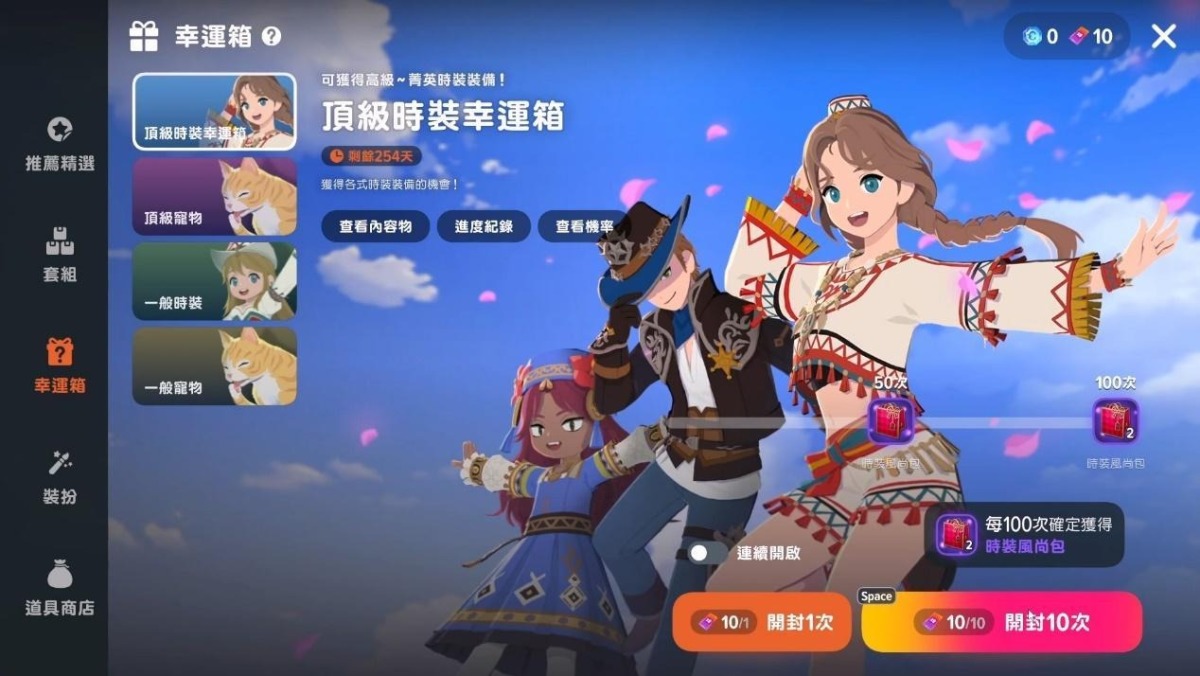

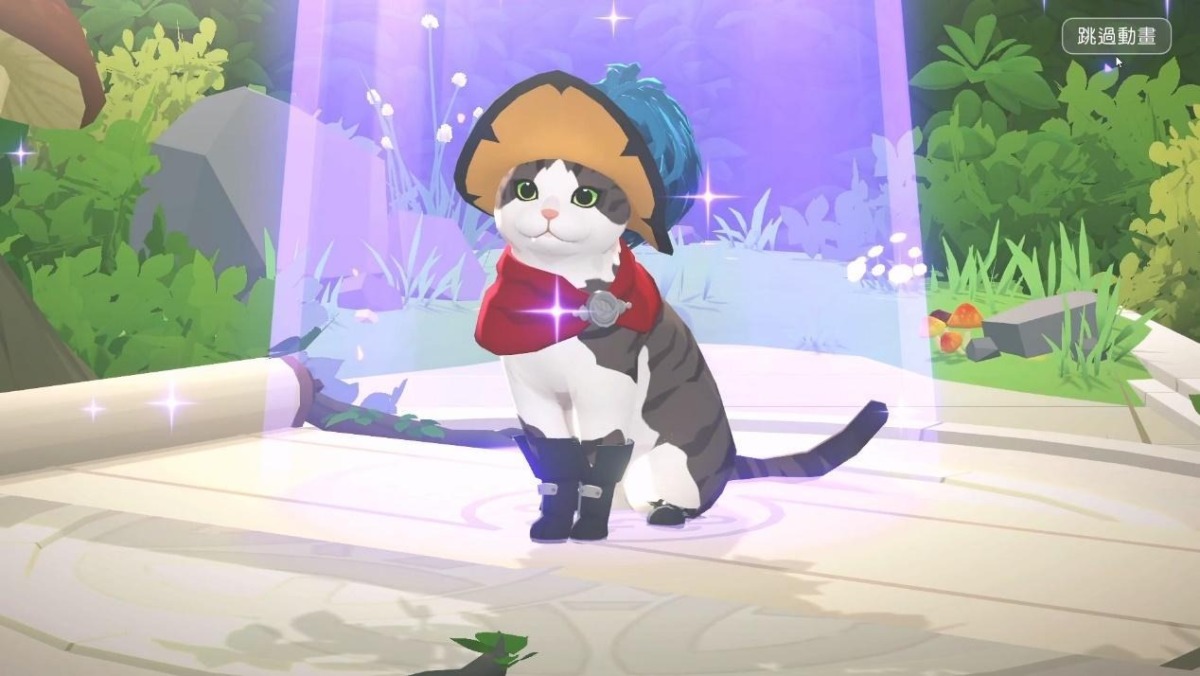
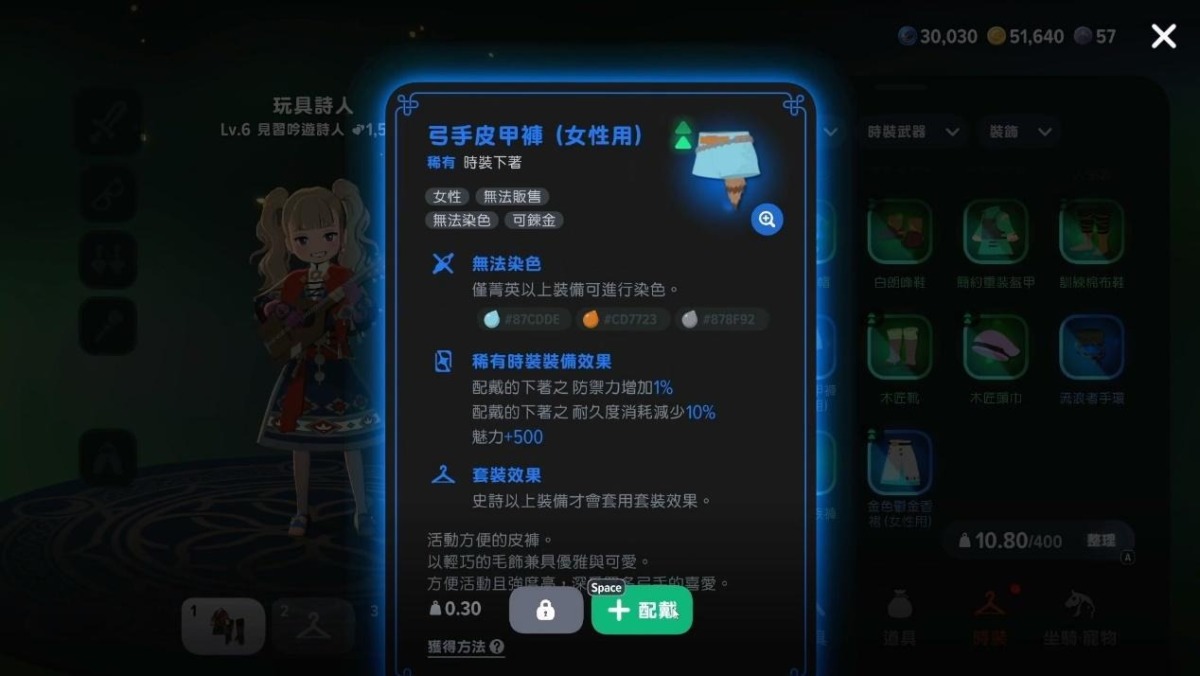
The vast majority of content in "Mabinogi Mobile" is free. The main paid elements are the clothing and pets available from the "Lucky Box" gacha system. These boxes contain hundreds of meticulously designed outfits and premium pets. I especially loved the box-opening animation, which transports you to a fitting room where your own character models the new apparel, giving you an instant preview. These cosmetics aren't just for looks; they offer multiple dyeable parts and provide minor stat bonuses that don't disrupt game balance. This is a proven and successful model for major MMOs, and with "Mabinogi Mobile's" focus on appearance, it's a system that should keep players satisfied.

In conclusion, while the overall gameplay of "Mabinogi Mobile" has been significantly updated to suit modern mobile gaming habits, and it doesn't lean too heavily on nostalgia just for the sake of it, the core philosophy of freedom, relaxation, and social connection remains unchanged. The numerous new systems and more accessible gameplay ensure that both hardcore adventurers and casual life-skillers can find their own rhythm. Even for those not looking to play intensely, it stands to be an excellent and relaxing casual title.
"Mabinogi Mobile" is set to open pre-creation and pre-downloads on July 20, with the official launch on July 22. Pre-registering now will also grant a limited "Boba Tea Drinking" emote. Whether you were a resident of Erinn back in the day or not, we invite you to join us in "Mabinogi Mobile" on July 22. You'll quickly fall in love with this continent of freedom.
➤ Pre-registration Link: https://abr.ge/gnzqdp