
In the summer of 1994, Weekly Shonen Jump's flagship manga, "Yu Yu Hakusho," officially concluded. This might have seemed like a sign that Weekly Shonen Jump, which had soared to sales peaks in the early 90s, was about to cool down. However, that wasn't the case. With Kurama and Hiei still gracing television screens in the wildly popular "Yu Yu Hakusho" anime, the manga's conclusion in Weekly Shonen Jump felt less like a somber farewell. In fact, Weekly Shonen Jump's golden age was just beginning.
Image credit:まんだらけ
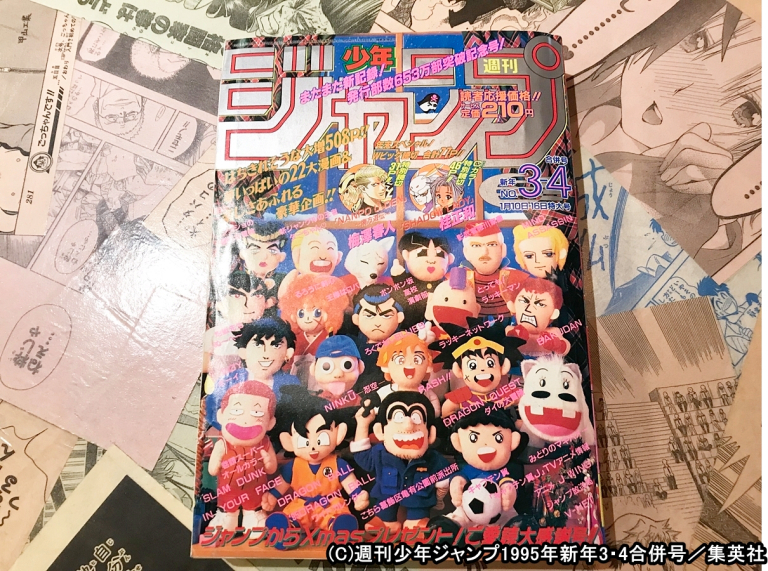
Even after "Yu Yu Hakusho" wrapped up its serialization in July, the manga magazine's sales continued to climb. By December, the "1995 New Year's 3-4 Combined Issue" sold an astounding 6.53 million copies, marking the highest single-issue sales in Weekly Shonen Jump's history.
傳說中的《週刊少年Jump 1995年新年3・4合併號》 Image credit:Rocket news 24
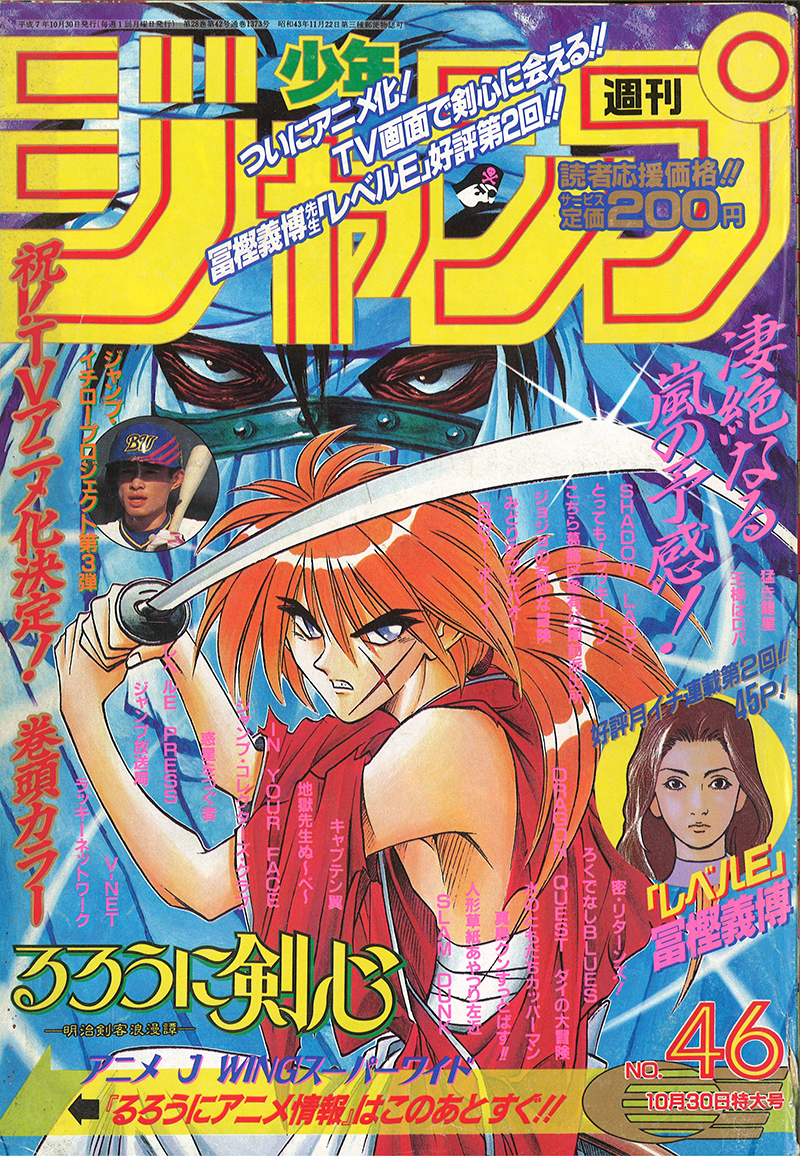
It's no exaggeration to call 1994 a legendary year for Weekly Shonen Jump. It represented the end of one era and the dawn of another. The series that perfectly bridged this generational shift was "Rurouni Kenshin," which began its serialization in early 1994. Set during the Meiji era, a period of intense ideological upheaval, "Rurouni Kenshin" became a timeless bridge both within its narrative and in its real-world impact. Its five-year run left behind a legacy of cherished memories.
《神劍闖江湖》 Image credit:Web漫画大辞典
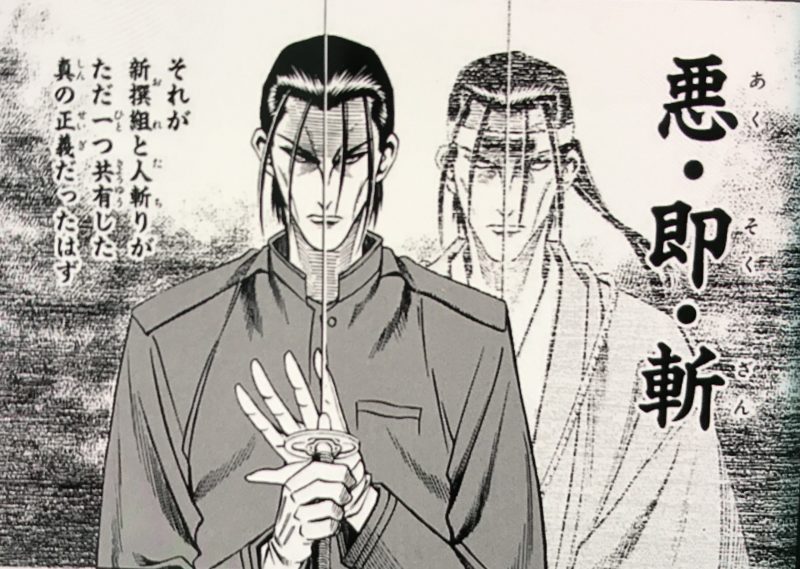
The very fact that "Rurouni Kenshin" was serialized in Weekly Shonen Jump was a miracle in itself. After all, it was rare to find an 80s or 90s manga that kicked off with the Boshin War – kids picked up Weekly Shonen Jump for entertainment, not history lessons. Yet, "Rurouni Kenshin's" narrative was rich with real historical figures and events from the Bakumatsu period, often delving into less commonly known historical contexts. While the "strongest boy band of the Bakumatsu," the Shinsengumi, appeared in "Rurouni Kenshin," readers weren't introduced to the familiar Okita Sōji or Hijikata Toshizō. Instead, the manga featured the stern and unyielding Saitō Hajime – a character rarely given such prominence in previous Shinsengumi-centric manga.
《神劍闖江湖》齋藤一 Image credit:あにまんch
Weekly Shonen Jump editors criticized "Rurouni Kenshin" for its heavy historical atmosphere, deeming it unlike a typical Jump manga. Following discussions, when "Rurouni Kenshin" officially began serialization, it was given the subtitle "Meiji Kenkaku Romantan" (Meiji Swordsman Romantic Story). This was meant to emphasize that it wasn't just a tale of Meiji swordsmen, but also a "romantic story" with a folkloric flavor, aiming to alleviate readers' potential apprehension towards historical narratives. However, "Rurouni Kenshin's" unconventional fit within Weekly Shonen Jump didn't stop there. Compared to other Jump titles running in 1994 when it debuted, "Rurouni Kenshin's" protagonist, Himura Kenshin, completely lacked the typical "Jump vibe."
《神劍闖江湖》主角緋村劍心 Image credit:ホンシェルジュ
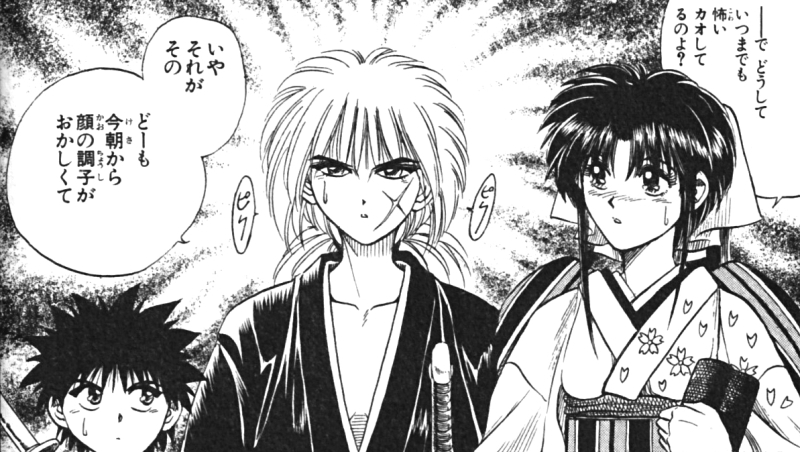
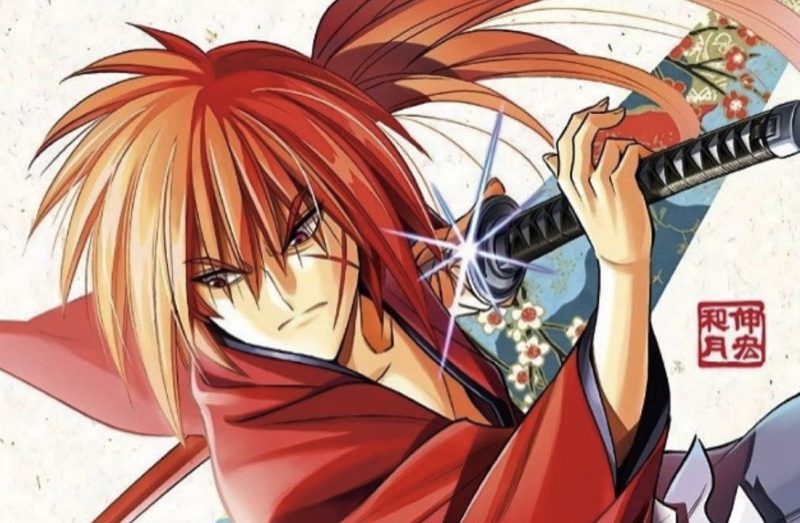
The year 1994 was undeniably pivotal for "Weekly Shonen Jump," and many of its blockbuster series from that era left an indelible mark on readers. Iconic titles like "Slam Dunk," "Dragon Ball," "JoJo's Bizarre Adventure," "Dragon Quest: The Adventure of Dai," "Tekken Chinmi," "Jigoku Sensei Nube," and "Captain Tsubasa" each boasted fanbases large enough to sustain an entire manga magazine, with individual sales figures soaring into the tens of millions. Yet, "Rurouni Kenshin" stood apart from them all. Its protagonist, Kenshin Himura, was gentle yet mysterious, often sporting a faint smile and an enigmatic cross-shaped scar, frequently appearing as a somewhat naive, good-hearted soul.
"Rurouni Kenshin" protagonist Kenshin Himura Image credit:ホンシェルジュ
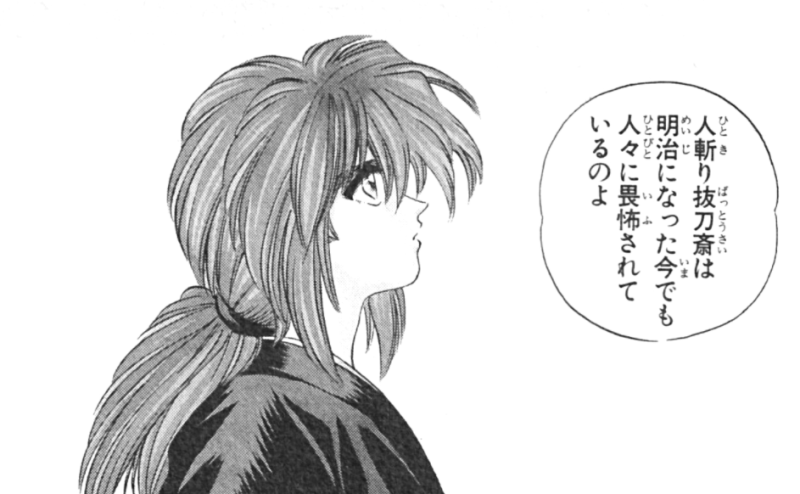
Kenshin wasn't your typical hot-blooded shonen hero; he lacked the grit-and-grind spirit, and his power level clearly dwarfed most other characters. This made him one of "Weekly Shonen Jump"'s most enigmatic figures. His mystery wasn't rooted in revenge or theatrical pretense, unlike a Count of Monte Cristo biding his time for vengeance. Instead, his aura carried an unspoken, almost preternatural weariness—a profound weight of time-worn experience and self-reproach. Kenshin felt distinctly distant from "Weekly Shonen Jump"'s core 12-18 year-old demographic; if not for his youthful face, he would easily pass for a grizzled, middle-aged veteran.
"Rurouni Kenshin" protagonist Kenshin Himura Image credit:好書好日
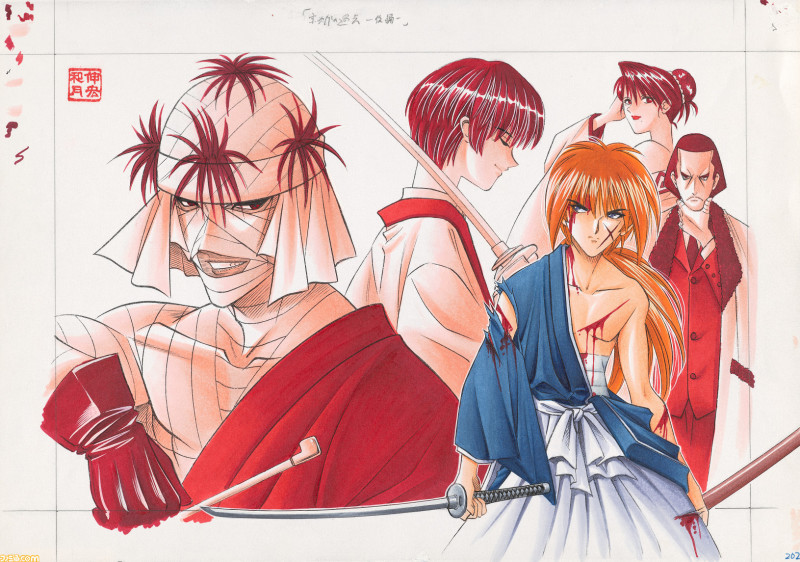
While shonen manga protagonists typically need to resonate with young readers, Kenshin was far from a traditional shonen lead. Author Nobuhiro Watsuki attempted to introduce a reader surrogate in Yahiko Myojin, but Yahiko was clearly a child, too young for many middle school and older readers. Watsuki himself noted, "For some reason, 'Weekly Shonen Jump' had many readers who were middle school age or older. For them, Yahiko was simply too much of a kid. Thinking about it now, 'Rurouni Kenshin' completely lacked a character for 'Weekly Shonen Jump' readers to identify with... I think for 'Weekly Shonen Jump' at that time, it was a very rare design."
"Rurouni Kenshin" Image credit:ファミ通
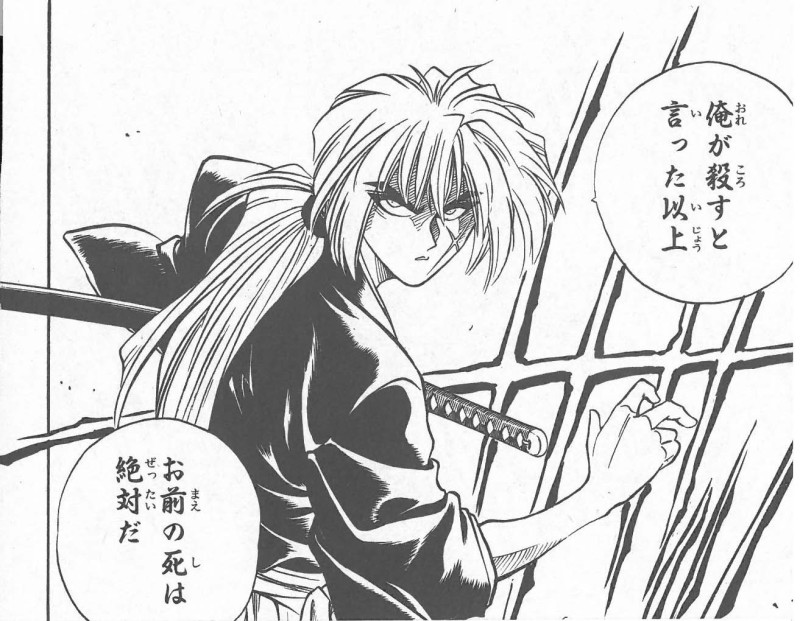
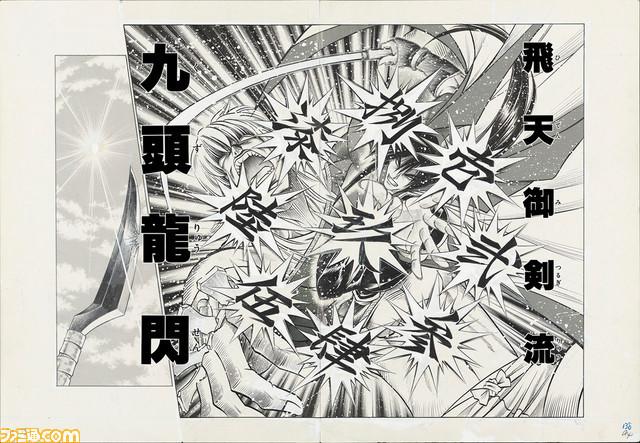
Much like Kenshin's iconic Sakabatō, or Reverse-Blade Sword, "Rurouni Kenshin" was an exceptionally unique "Weekly Shonen Jump" series, truly marching to the beat of its own drum. To this day, readers debate whether the Sakabatō represents a hypocrisy in Kenshin's "no-kill" philosophy or a profound form of mercy. Protagonists in other "Weekly Shonen Jump" titles rarely presented such ambiguous values; their resolve was typically unwavering and clear, with goals set in the first volume pursued relentlessly. Even under the pens of genre film enthusiasts Yoshihiro Togashi and Hirohiko Araki, it would be rare to find a protagonist quite like Kenshin.
"Rurouni Kenshin" Kuzuryūsen Image credit:ファミ通
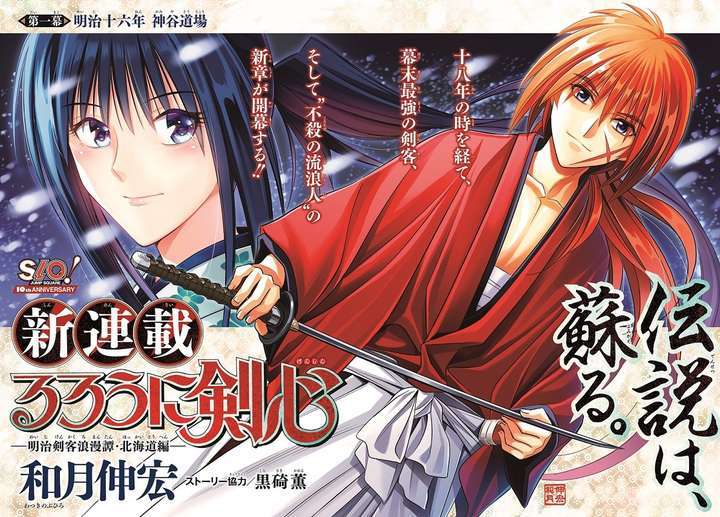
By late 1994, "Weekly Shonen Jump" had reached its zenith, but a decline soon followed. In 1995, "Dragon Ball" concluded its epic saga, famously leaving Namek on the brink of explosion for 300 more years. "JoJo's Bizarre Adventure"'s longest arc, "Diamond is Unbreakable," also wrapped up by year-end. June 1996 saw "Slam Dunk" conclude with a resounding impact, leaving a famously open-ended finale, and "Dragon Quest: The Adventure of Dai" finished Dai's grand adventure by the end of that year. The dream lineup of "Weekly Shonen Jump" from 1994 saw its titans depart one by one within just two years. It was during this transitional, uncertain period that "Rurouni Kenshin" stepped up, shoring up the fortunes of a "Weekly Shonen Jump" facing a downturn.
"Rurouni Kenshin: Hokkaido Arc" Image credit:MANTANWEB
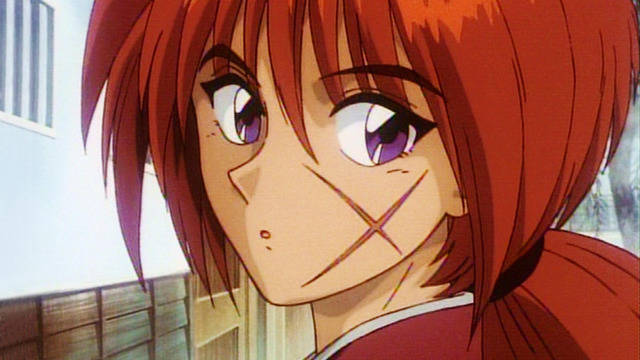
"When 'Weekly Shonen Jump' sales were plummeting, 'Rurouni Kenshin' was the magazine's flagship title, and I felt a deep sense of frustration," Watsuki stated. "However, I firmly believed then that we had to support 'Weekly Shonen Jump,' at least until it found its next big hit. So, when 'One Piece' revitalized 'Weekly Shonen Jump's' sales, I was truly happy." What Watsuki didn't mention was that "Rurouni Kenshin," a series initially deemed by editors to have a short lifespan, face reader disapproval, and grapple with historical sensitivities, ultimately won over its audience. It wasn't just him propping up a declining "Weekly Shonen Jump"; it was the readers' love for "Rurouni Kenshin" that sustained the magazine's sales.
"Rurouni Kenshin" anime Image credit:アニメ!アニメ!
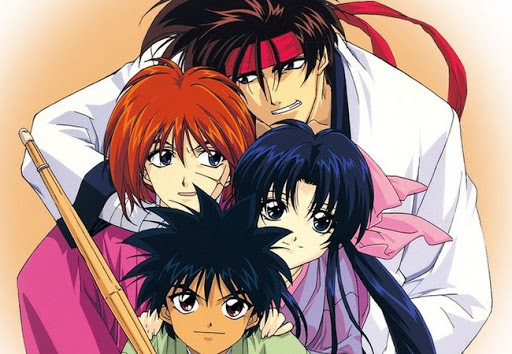
During the five years "Rurouni Kenshin" was serialized, from 1994 to 1999, "Weekly Shonen Jump" underwent significant changes, with a palpable sense of new talent pushing out the old. Tsukasa Hojo officially departed from shonen manga magazines, and Masakazu Katsura was compelled to abandon his preferred tokusatsu sci-fi genre style. Meanwhile, a wave of younger, new creators emerged. While they might not have always presented unprecedented story concepts, their creativity shone through in character personalities or world-building, offering readers fresh experiences. This generational shift also had a connection to Nobuhiro Watsuki: Hiroyuki Takei, creator of "Shaman King"; Eiichiro Oda, creator of "One Piece"; and Shinya Suzuki, creator of "Mr. Fullswing," all served as Watsuki's assistants.
"Rurouni Kenshin" Image credit:Woder Bridge
Oda's "One Piece" and Takei's "Butsu Zone" (his first serialized work in "Weekly Shonen Jump") both began in 1997. Takei's "Shaman King" then started serialization in 1998. Both "One Piece" and "Shaman King" ran for over five years. It's fair to say that in the latter half of the 90s, these two former assistants, colloquially known as the "Watsuki-gumi" (Watsuki Group), along with Nobuhiro Watsuki himself, were crucial pillars of "Weekly Shonen Jump." Their influence extended into the early 2000s, with "Mr. Fullswing" and Watsuki's new work, "Buso Renkin," significantly contributing to "Weekly Shonen Jump's" sales in its renewed battle against "Weekly Shonen Magazine."
Miki Itou, also a member of the Watsuki Group, depicted the struggles of the Watsuki Group members like Oda and Takei in "Monday Rivals." Image credit:このマンガがすごい!WEB
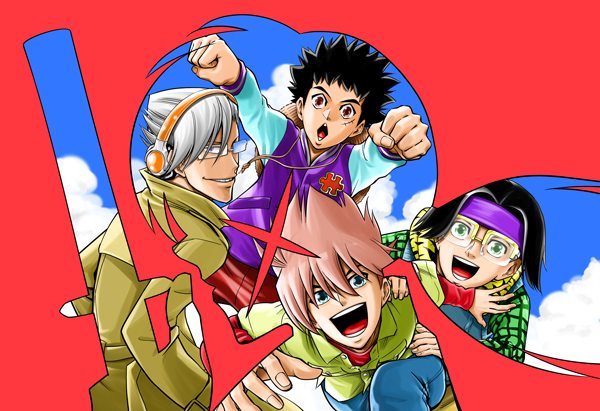
Of course, each creator forges their own path; a genius like Eiichiro Oda would undoubtedly have achieved great success even if he hadn't worked under Watsuki. Within the Watsuki Group's studio environment, there wasn't a strict master-apprentice hierarchy. Even Oda and Takei, who had yet to debut at the time, worked under Watsuki with the clear goal of becoming manga artists themselves one day. Essentially, Nobuhiro Watsuki didn't nurture these young talents as mere employees or disciples, but rather affirmed their ambitions and viewed them as "unripe rivals." This free-spirited atmosphere fostered a positive, competitive attitude within the studio, making assistant work not just a job, but a crucial training ground for realizing their own dreams.
Hiroyuki Takei Image credit:コミックナタリー
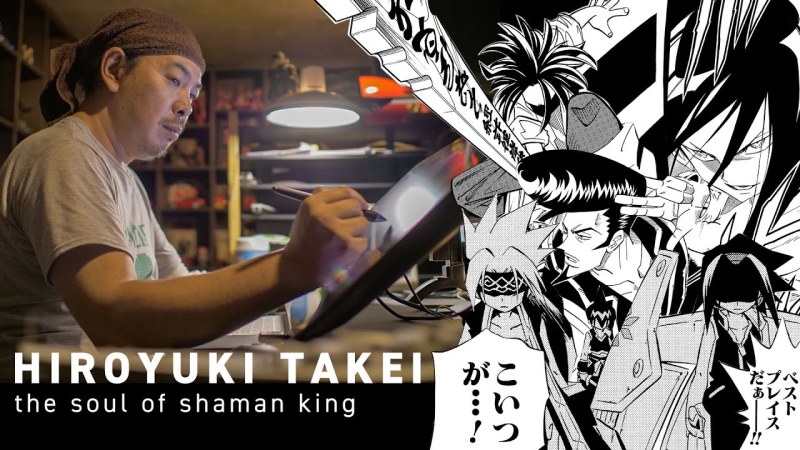
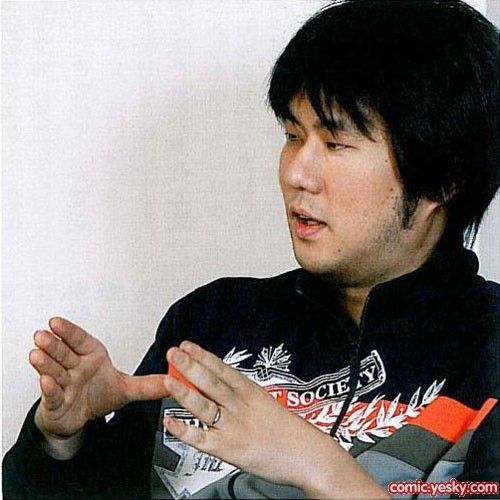
"'Because the serialization of 'Rurouni Kenshin' was so demanding, I imagine they all worked with the mindset of 'Let's finish 'Rurouni Kenshin' quickly so we can debut sooner!'' Watsuki commented. Even though they saw each other as rivals, the creators of the Watsuki Group shared a common thread in their works, deeply influenced by Nobuhiro Watsuki's philosophy. For him, drawing what he found interesting was the most crucial responsibility of being a manga artist. He even believed that manga artists didn't necessarily need to care about sales or reader opinions, but they absolutely had to create works they themselves were satisfied with. He observed that the protagonists in both Oda's and Takei's works possess a certain self-assured, almost domineering aura, suggesting this might be influenced by his "self-first" mentality.
Eiichiro Oda Image credit:オレ的ゲーム速報@刃
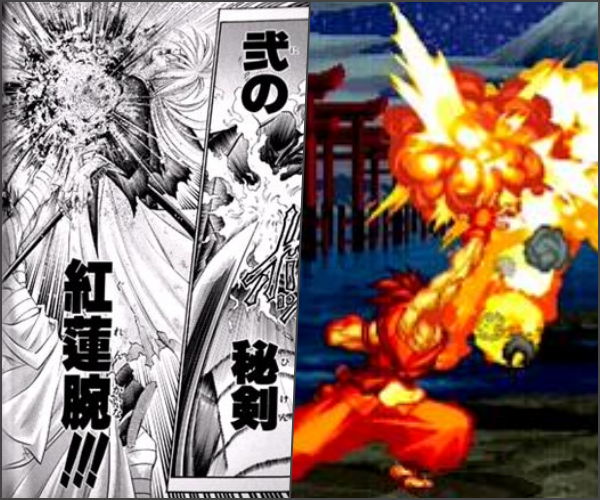
While it might seem innocuous, some of the most criticized elements within "Rurouni Kenshin" actually originate from this "self-satisfaction first" approach. For instance, "Rurouni Kenshin" features numerous clear examples of "homage." These include Shishio Makoto, who appears to pay tribute to Genjuro Kibagami from SNK's arcade game "Samurai Shodown". Shishio's signature move, "Guren Kaina" (Crimson Lotus Arm), also bears a strong resemblance to Kazuki Kazama's techniques in "Samurai Shodown". Furthermore, Udo Jine's design seems to be an homage to Gambit from "X-Men." Whether these are considered homages, plagiarism, or mutually agreed-upon references, such instances in a mangaka whose selling point is creativity inevitably draw criticism from readers.
Guren Kaina is practically an SNK staple Image credit:maromeru
Watsuki once stated that his creative process begins with the thought, "I really want to draw this"—perhaps a character, a special move, or a battle. He then uses this core idea as a foundation to construct the plot's flow and logic, allowing him to create works he genuinely enjoys. Therefore, it's plausible that Watsuki genuinely loves "Samurai Shodown" or "X-Men." He absorbed these entertainment elements and ultimately placed them within his own Bakumatsu and early Meiji-era world. Whether or not this constitutes plagiarism was not a concern for him—he responded to these "homages" as a way of "serving the readers," a justification that completely decriminalizes plagiarism.
Someone compiled examples of "Rurouni Kenshin" paying homage to American comics Image credit:Twitter
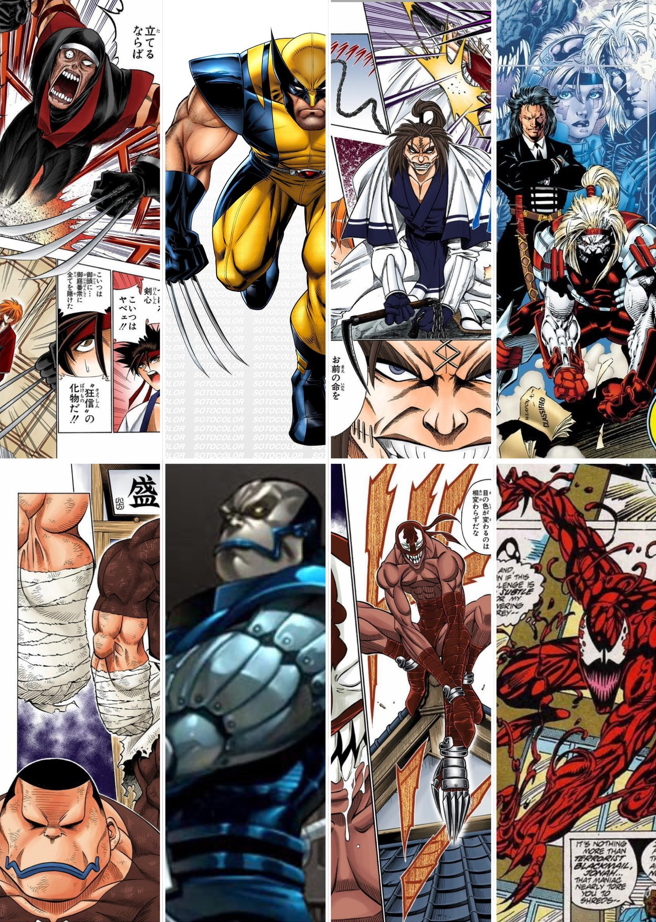
For shonen mangaka, Nobuhiro Watsuki is undoubtedly a highly controversial figure (though nothing is quite as explosive as being convicted for possessing child pornography DVDs). However, his and "Rurouni Kenshin's" achievement in helping "Weekly Shonen Jump" overcome difficult times cannot be overlooked. This controversial mangaka has now returned to Kenshin's world with a new serialization, "Rurouni Kenshin: The Hokkaido Arc," while the latest "Rurouni Kenshin" film continues to be a hit in Japanese theaters. It seems "Rurouni Kenshin's" influence is far greater than we might imagine.