
It was March 22, 1996. On this day, CAPCOM released a 3D game on the PlayStation console that the company itself wasn't particularly optimistic about. Internal estimates suggested that selling around 300,000 units would be considered acceptable. However, no one could have imagined that this game, initially unappreciated, even once internally assessed as a potential loss and ordered to cease development, would astonishingly achieve over 1 million units in sales within a year of its launch.
That game was the incredibly well-known "Bio Hazard" (known as "Resident Evil" in the West). The director of this game was Shinji Mikami, who had been with CAPCOM for six years at the time and rose to fame with this title. He took on the task from his superior and mentor, Tokuro Fujiwara, to transform CAPCOM's horror RPG game "Sweet Home" into a 3D game. He successfully completed and launched it. Tokuro Fujiwara planted the seed, and his apprentice Shinji diligently nurtured it, resulting in the great success of the classic "Resident Evil" game series.
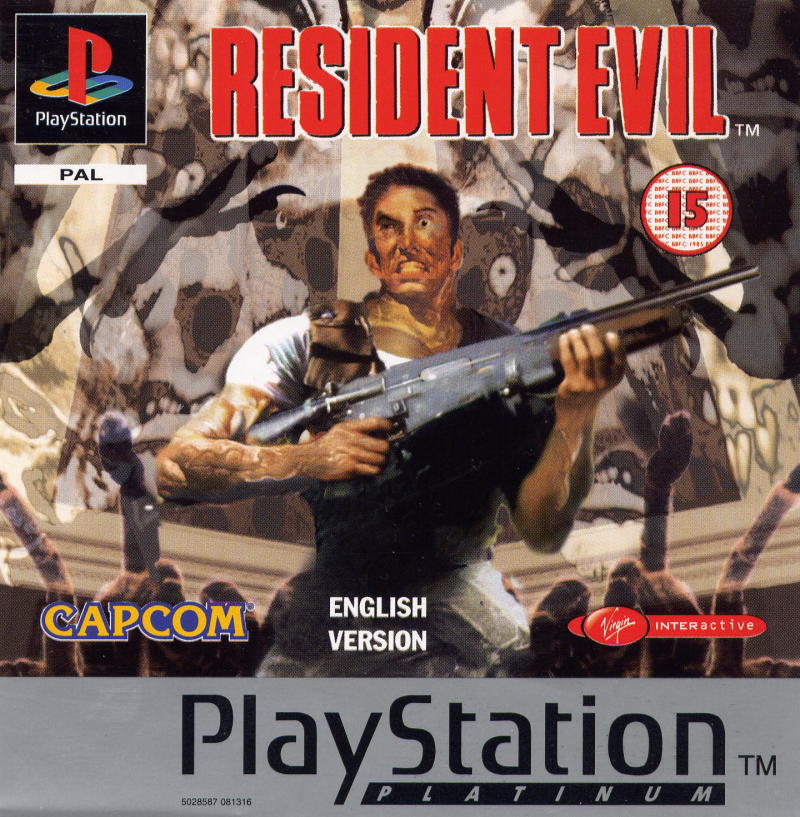
▼The original "Resident Evil," with vastly different cover designs for the Western and Japanese versions. Image credit:Wiki
After the release of "Resident Evil," it received continuous acclaim. CAPCOM's executives naturally wouldn't miss such a good opportunity and quickly sought ways to accelerate the development of a sequel with their colleagues. Originally, Shinji Mikami hoped to continue as the game director and develop new titles. However, Yoshiki Okamoto, who was then the head of development, advised Shinji Mikami not to personally undertake the development. Instead, as someone with greater responsibilities, he should act as a producer, guiding others in the development of more new projects.
So, the question arose: who should be responsible for the development of "Resident Evil 2"?
Shinji Mikami noticed a young man within the "Resident Evil" development team who had been with the company for just over two years, was around 26 years old at the time, and had a somewhat hot-blooded temperament. He was responsible for game planning, design, and animation. One day, Shinji Mikami called him into a meeting room and asked him: would he be willing to take on the task of directing the development of "Resident Evil 2"? The young man, who had been with the company for about two years, was initially surprised but, after some thought, he accepted Shinji Mikami's offer, deciding to take on the job and embrace the challenge.
▼Shinji Mikami and Hideki Kamiya during the development of "Resident Evil 2." Image credit:twitter
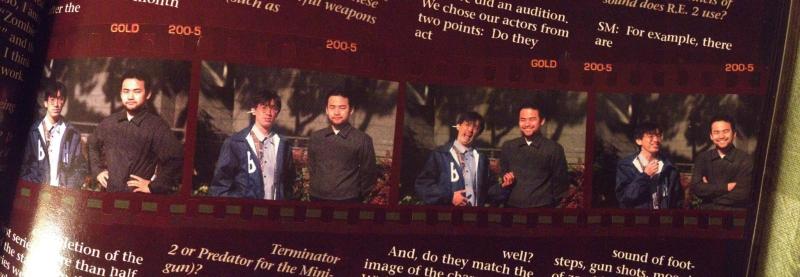
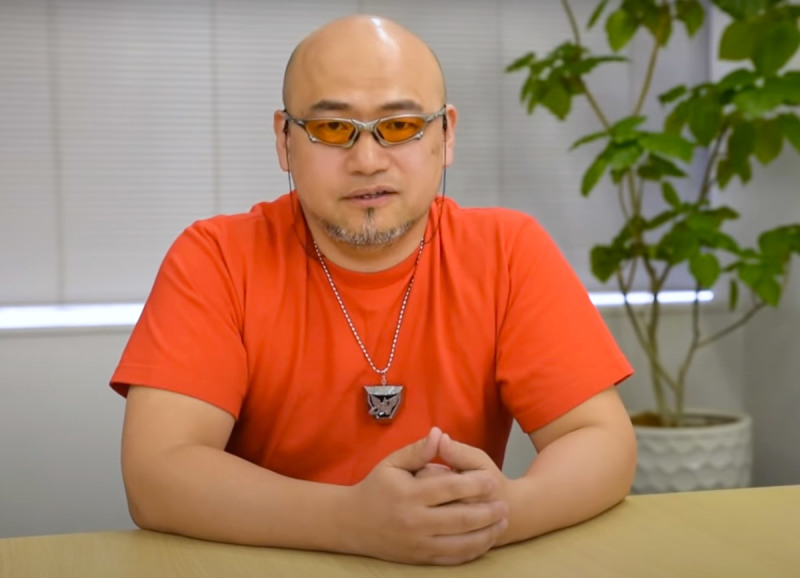
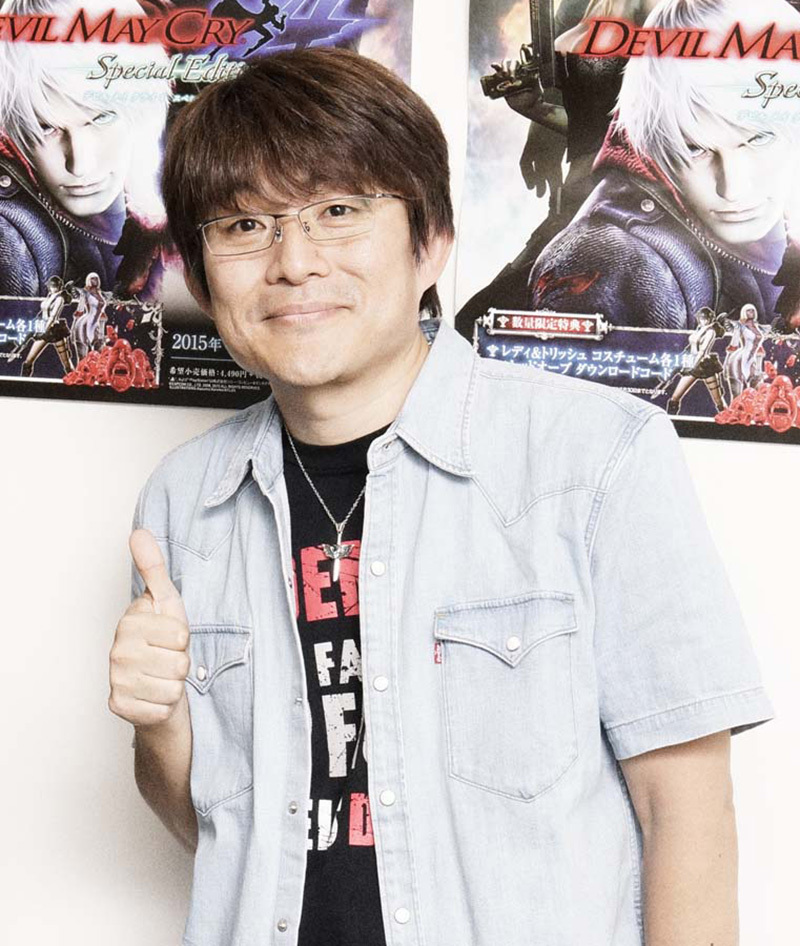
That young man from back then has now become a bald uncle. You can still frequently see his somewhat emotional remarks on his Twitter account, and you've likely played games he's made. He is currently the Creative Director at "PlatinumGames Inc."—Hideki Kamiya.
▼Hideki Kamiya. Currently serving as Creative Director at PlatinumGames Inc. Image credit:YouTube
The Nagano Youth Who Loved Games and Wanted to Make Them
Hideki Kamiya is five years younger than Shinji Mikami, born in 1970 in Nagano Prefecture, Japan. Like most veteran gamers, he didn't have a game console at home as a child. He was introduced to the world of gaming through department store arcades and playing the Nintendo Famicom at friends' houses. Deeply captivated, he began playing games relentlessly: Mega Drive, PC-Engine, Super Famicom... As he played, the idea of "wanting to make games" also began to sprout in his mind.
While studying foreign languages at university in Tokyo, he began his job search even before graduation. Although he initially planned to return to his hometown for work, his desire to create games gave him the courage to set his sights on the game industry. Hideki Kamiya, who could draw, created a game proposal for his job applications and submitted it to several major companies, including Nintendo, KONAMI, NAMCO (which had not yet merged with BANDAI at the time and was known as NAMCO), and CAPCOM. Ultimately, only NAMCO and CAPCOM responded to him.
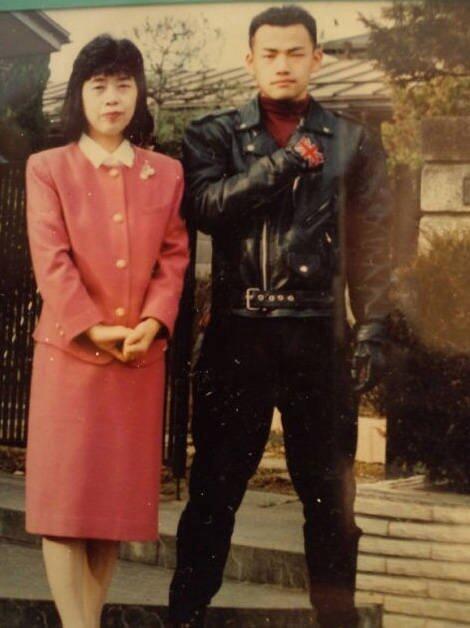
▼A young Hideki Kamiya. Image credit:twitter
▼Those who follow Hideki Kamiya's Instagram and Twitter will easily notice that he is also a player who loves collecting toys and retro game products. Image credit:instagram
Hideki Kamiya initially loved KONAMI's games and hoped to work there, but received no response. NAMCO was impressed by his drawing skills and offered him a game artist position. Although he was interested in NAMCO, Kamiya preferred game planning work. Ultimately, he chose CAPCOM, a company he initially didn't feel particularly fond of.
Before starting his new role, Kamiya visited the Game Show in Makuhari. He saw NAMCO's "Ridge Racer" and SEGA's "Virtua Fighter," both created using the latest 3D polygon technology. However, CAPCOM, the company he was about to join, was showcasing flat 2D games like "Street Fighter," which left him somewhat disappointed and worried that he might have chosen the wrong company.
Fortunately, after starting, Hideki Kamiya discovered that CAPCOM was also embarking on 3D game development, and he was lucky enough to join that team. This was 1994. SEGA released the SEGA SATURN in November of that year, and the following month, on December 3rd, SONY officially launched the PlayStation console, ushering players into the era of 3D gaming.
The Man Who Made Both Resident Evil 1.5 and 2
Hideki Kamiya recalled that his days as the development leader for "Resident Evil 2" were very challenging. With his intense and outspoken personality, he often clashed and argued with his senior, Shinji Mikami, who was five years his senior and had joined the company four years earlier, due to differing work philosophies.
Kamiya said he knew he was an emotional person, and still is (laughs), but at the time, Shinji Mikami not only guided him on work-related issues but also taught him a great deal about the correct behavior and attitude expected after entering the professional world, helping him gradually become what a "working professional" should be. For this, he is extremely grateful to Shinji Mikami.
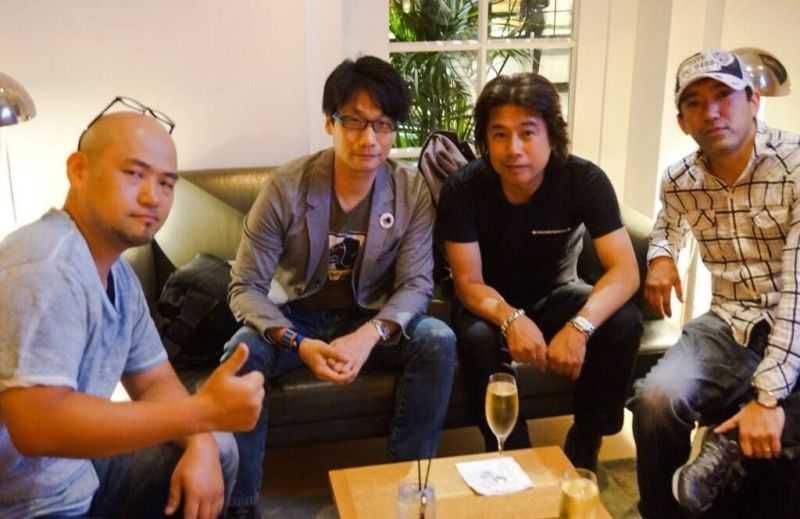
▼In addition to his excellent senior Shinji Mikami (far right), Hideo Kojima (second from left) is also a producer Hideki Kamiya greatly admires and respects. The person second from right is Tatsuya Minami. Image credit:Pinterest
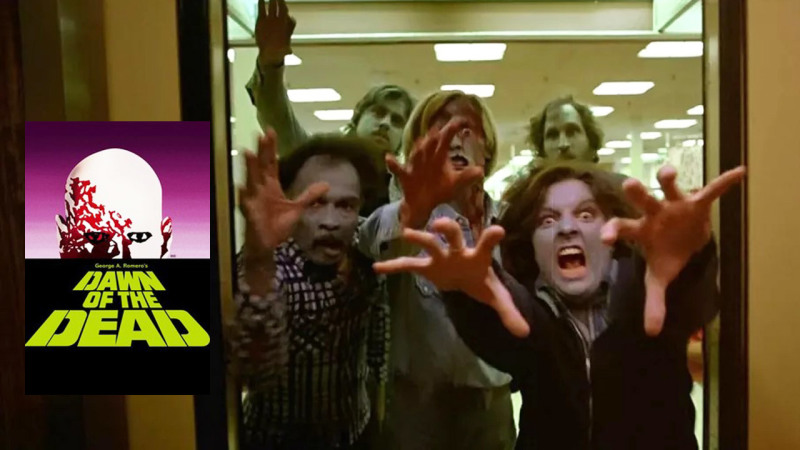
To create Resident Evil 2, Shinji Mikami compiled a list of various horror films, requiring Hideki Kamiya to watch all of them and report his impressions. Kamiya himself actually dislikes horror films and is even quite afraid to watch them. Initially, he ignored Mikami's requests until he was finally forced to, reluctantly watching "Dawn of the Dead." He genuinely found it to be a very sad and painful experience.
▼Released in 1978, George A. Romero's "Dawn of the Dead" is a classic zombie film, which was remade in 2004 and released in Taiwan under the title "Dawn of the Dead." Image credit:CINEMABLEND
Looking back at "Resident Evil 2" now, most players still have a lot of praise for the game. The dual male and female protagonists, the 2 x 2 story experience, weapon upgrades, and more characters all contributed to a highly engaging experience. However, what Kamiya initially created was quite different from what players eventually got, leading to the famous "Resident Evil 1.5."
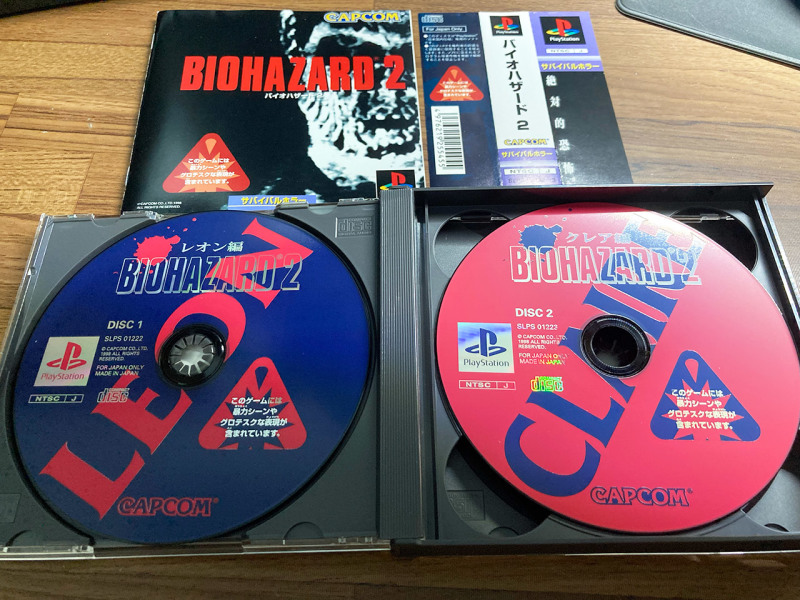
▼Xiaohu's personal collection of the original BIO2 game. Incidentally, the decision to split it into two discs was not planned; it was due to an accidental miscalculation of disc capacity. One disc couldn't hold everything, so it had to be split into two, increasing costs. Image credit:CAPCOM
From Hideki Kamiya's later games, it's evident that he prefers action elements. Therefore, when development for "Resident Evil 2" initially began, he considered incorporating more action elements. However, as it was his first time as a director, his experience was limited, and many things were conceived and implemented on the fly, without proper prior planning.
Hideki Kamiya himself stated that for him, "Resident Evil 1.5" was a major failure. At the time, he couldn't, like Shinji Mikami, have a clear direction and vision in his mind for what needed to be done, nor could he systematically plan how to gradually complete it. As a first-time development director, Kamiya failed in this regard, leading to a situation where 60-80% of the development work was completed before it had to be entirely scrapped and restarted. He himself reflected deeply on this experience.
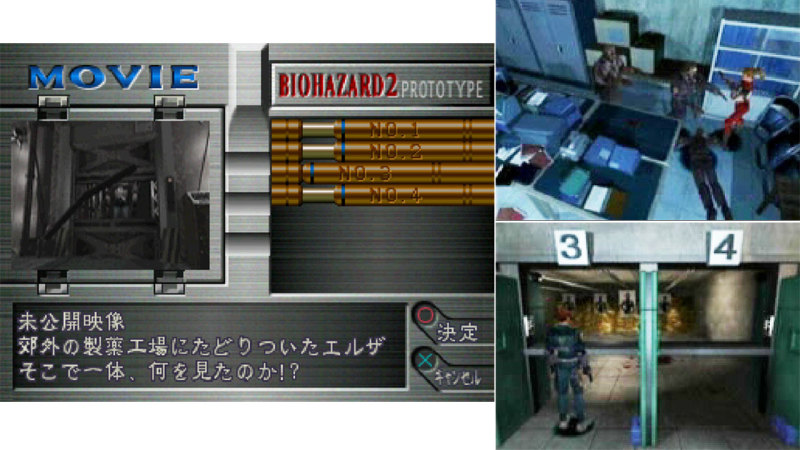
▼The "Resident Evil 1.5" that was originally halted and discarded, also known as "Phantom BIO" at the time, had its game footage included in the later released "Resident Evil Director's Cut Dual Shock ver." Image credit:CAPCOM
After Yoshiki Okamoto and Shinji Mikami reviewed "Resident Evil 1.5" and concluded that this unfinished product would not be an enjoyable game, the development team decided to start over. It was certainly too late for the original May 1997 release date, so the launch had to be postponed. This time, CAPCOM enlisted the help of the renowned late scriptwriter Noboru Sugimura. He transformed the original plot, which had no connection to the first game, by replacing the heroine Elza with Claire, the sister of the first game's protagonist Chris. This made some of the game's settings more logical, added side character stories, giving the game a grander scope, and also attempted to connect it with other related works already in planning (such as "0" and "Code: Veronica").
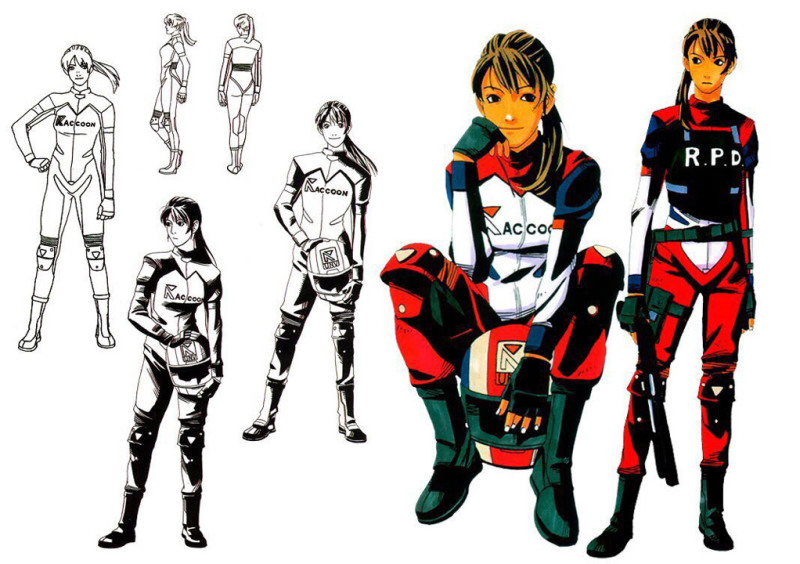
▼The original design draft for "Elza Walker," the heroine of Resident Evil 2. This character was later changed to Claire, and her outfit also changed, but this racer outfit later appeared as a hidden costume in the remake. Image credit:Pinterest
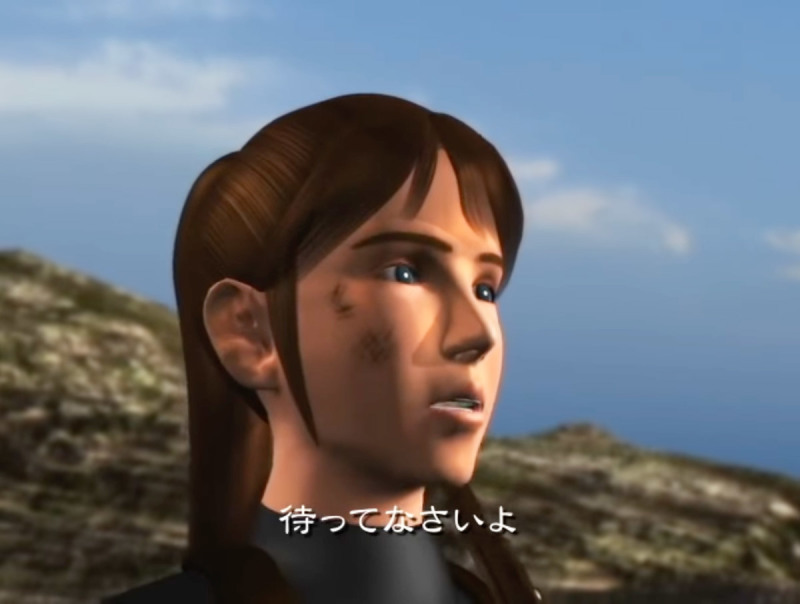
▼Hideki Kamiya's unauthorized addition of the line "Chris, I have to find you." to Claire's ending in the original Resident Evil 2 infuriated Noboru Sugimura, as he had to extensively revise the already completed "Code: Veronica" script because of it. Kamiya later expressed regret for acting on his own initiative, and a similar situation occurred with Ada. Image credit:YouTube
"Resident Evil 2" was finally released in January 1998. Its final sales in Japan reached 2.15 million units, with global sales nearing five million (4.96 million), an outstanding achievement that significantly boosted the reputation of Hideki Kamiya, who was directing for the first time. Kamiya naturally felt immense gratitude for the assistance from veterans like Shinji Mikami and Noboru Sugimura, who helped salvage what could have been a failed "Resident Evil 2."
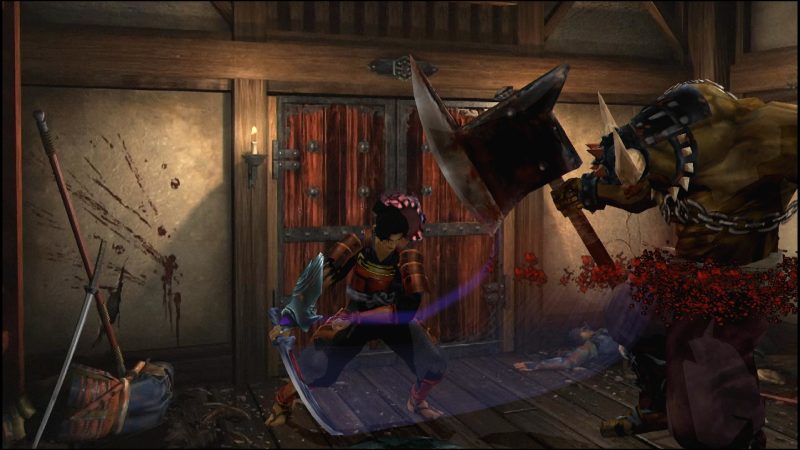
Incidentally, the abandoned "Resident Evil 1.5" prototype was later taken and improved upon by Keiji Inafune, and the resulting game developed was "Onimusha," starring Takeshi Kaneshiro.
▼Onimusha also originated from Resident Evil, with an HD remastered version released in 2019. Image credit:Steam
Over-Seasoned: Accidentally Turning Resident Evil into Devil May Cry
After the release of Resident Evil 2, CAPCOM naturally began actively planning sequels for the series. As the new generation of consoles was on the horizon, Shinji Mikami and Hideki Kamiya both believed that new titles should be developed on new hardware to break through old limitations and further enhance game performance. Thus, the development project intended to be "Resident Evil 3" was confirmed for the PS2 console.
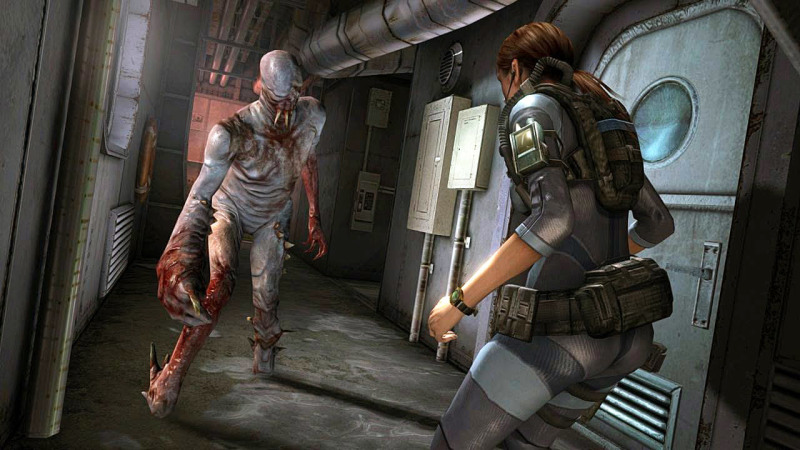
▼The earliest "Resident Evil 3" development project, intended to be set on a ship, was affectionately dubbed "Ship BIO" by Kamiya, but was later completely overhauled and remade into Devil May Cry. However, the concept of a ship setting was later applied in "Resident Evil: Dead Aim" and "Resident Evil: Revelations." Image credit:steam
However, events always take unexpected turns. Seeing competitors releasing horror-genre games, CAPCOM worried that too long a gap would negatively impact future sales. Thus, they decided to take Shinji Mikami's ongoing "Resident Evil 1.9"—a spin-off game utilizing assets from the second installment with special gameplay—and directly elevate it to become the mainline "Resident Evil 3" to fill the original release void.
This sudden change genuinely displeased Shinji Mikami, but under pressure from upper management, he reluctantly complied. Consequently, the PS2 development project originally slated to be "Resident Evil 3" was naturally postponed, temporarily becoming "Resident Evil 4."
▼Due to the changes, "Resident Evil 4" was originally intended to be the third installment. However, the officially released "Resident Evil 4" later turned out to be an entirely different project from the original plan. Image credit:steam
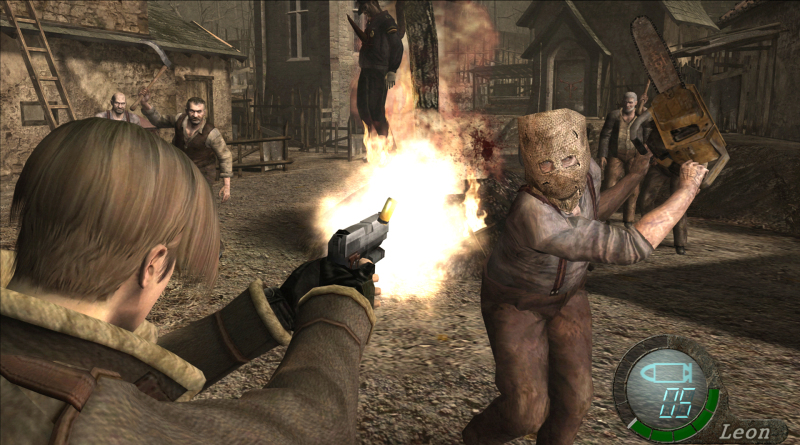
After Shinji Mikami informed Hideki Kamiya of the management's decision, he hoped Kamiya would serve as the director for this PS2 development project. Kamiya agreed, eager to try developing on new hardware. Mikami also requested that Kamiya ensure this project, intended as the fourth installment, should ideally break away from the past, offering a fresh experience and no longer being confined to "horror." After all, three consecutive titles with the same theme were the limit, and a new project should ideally have a new scope.
Hideki Kamiya, who already favored rich action elements, naturally found that moving the development environment to the PS2 meant he could do more than before. Many of his past ideas seemed achievable through the PS2's powerful capabilities. The first thing he wanted to create was a fully 3D polygonal game, an idea he got after seeing "Dino Crisis."
Released in July 1999 on the original PlayStation console, "Dino Crisis" was directed by Shu Takumi, who joined CAPCOM at the same time as Hideki Kamiya and later became famous for the "Ace Attorney" series (with Shinji Mikami also credited as producer). The game was made entirely with 3D polygons, including characters, dinosaurs, environments, and items, resulting in more consistent visual effects during gameplay, without the sense of disparity sometimes felt with pre-rendered backgrounds.
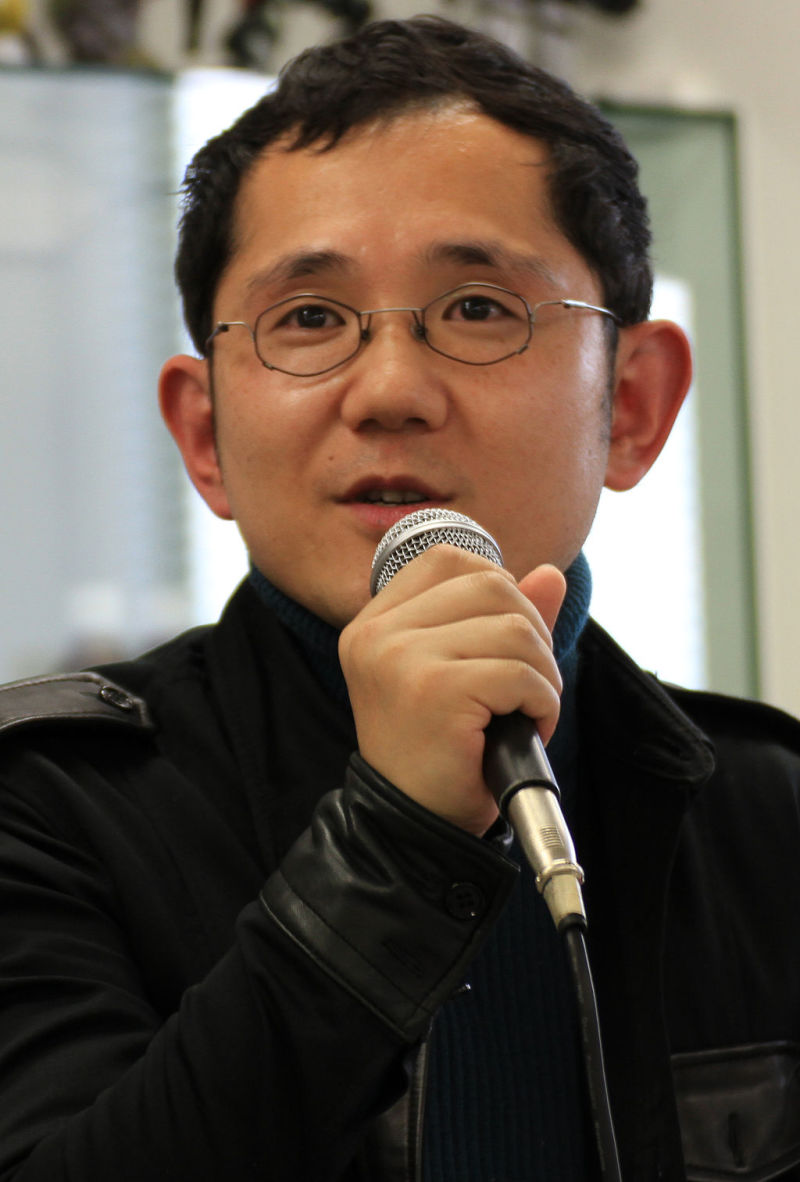
▼Shu Takumi, who joined CAPCOM at the same time as Hideki Kamiya and is known for the "Ace Attorney" series, is also a close drinking buddy of Kamiya's. Image credit:wiki
▼"Dino Crisis," released in 1999.
To infuse "Resident Evil 4" with more action, Hideki Kamiya incorporated numerous new moves, most notably jumping and melee weapon swings. Perhaps due to the novelty of developing on new hardware for the first time, the action was overdone. Kamiya Hideki stated that the completed prototype closely resembled what we now know as "Devil May Cry." However, when Shinji Mikami and Yoshiki Okamoto saw it, they simply wondered what it was, concluding it could no longer be called "Resident Evil."
▼The original "Resident Evil" development project featured a police officer named "Tony Redgrave" as the protagonist, who possessed superhuman jumping abilities due to a virus. Later, as the project's concept changed, the police officer transformed into a devil hunter, leading to the name change to Dante and his now-familiar appearance. The original name, Tony, then became the name of the protagonist in the "Devil May Cry" novels. Image credit:twitter
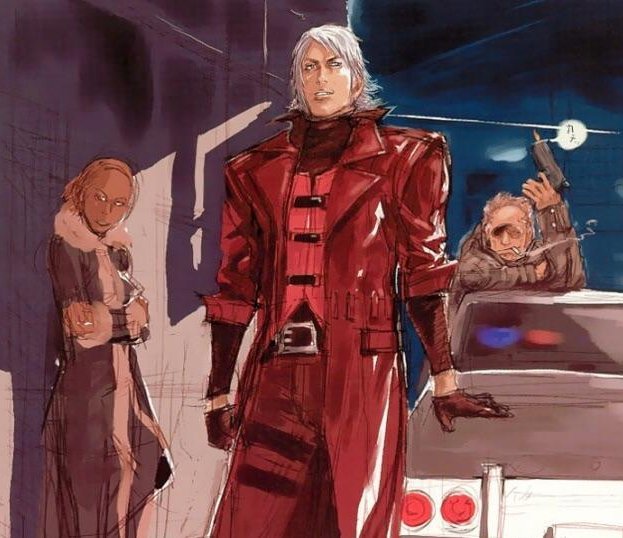
Initially, Hideki Kamiya thought such a creation would be quite interesting as a "Resident Evil" sequel. However, after multiple discussions with Shinji Mikami, it was ultimately decided to separate this project, not brand it as "Resident Evil," and instead develop it as an original new title. Consequently, the story and all settings had to be completely revised.
It was at this opportune moment that a highly imaginative designer named Katsutoshi Karatsu joined the team. He proposed many intriguing ideas, including creating enemies that float in the air and having giant spiders spit fire instead of webs. Since being tied to the "BIO" name prevented the realization of these exciting concepts, why not just make it a war between gods and demons? Hideki Kamiya decided to unleash his creativity, incorporating more exaggerated elements and bringing all his original ideas to life, ultimately transforming it into the "Devil May Cry" that everyone knows today.
▼The advertisement from that year, which showed characters being launched into the air, left a deep impression on players. However, this signature action mechanic of "Devil May Cry" was actually inspired by a bug in the company's own "Onimusha."
▼When "Devil May Cry" finally defeated Mundus, Kamiya originally intended to use the same cinematic as "Resident Evil," pulverizing Mundus with a rocket launcher. However, Shinji Mikami had strong reservations about another rocket launcher ending. It was later changed to Trish lending her power to Dante, unleashing a powerful dual-gun attack, and shouting his iconic line, "Jackpot."
▼Hideki Kamiya later mentioned on his Twitter that upon seeing the "Onimusha" bug that launched enemies into the air, he immediately returned to his department and requested Katsutoshi Karatsu to incorporate this action into the game. Since such a move didn't exist at the time, the responsible programmer, Kazunori Inoue, simply reversed the downward slash animation to create an upward strike.
僕は「ふうん…」と平静を装ってその場を去りつつ、足早に自分のフロアに戻って、速攻ドンさんに「敵を斬って空中に跳ね上げたい!」と…
— 神谷英樹 Hideki Kamiya (@PG_kamiya) August 23, 2021
In a magazine interview, Yoshiki Okamoto once jokingly said that if "Devil May Cry" was just a thousand copies short of reaching a million sales, he would personally buy those thousand copies to ensure it became a million-selling masterpiece. This clearly demonstrates his absolute confidence in this serendipitous creation.
"Devil May Cry" ultimately sold 650,000 copies in Japan and 2.16 million copies worldwide. Though a beautiful accident, Hideki Kamiya had once again forged a classic series.
Though he didn't take over Devil May Cry sequels, he later released many classic games
Despite completing the first "Devil May Cry," Hideki Kamiya was unable to work on its subsequent sequels. However, he once praised Hideaki Itsuno, who took over the sequels and was his contemporary at CAPCOM, for further perfecting "Devil May Cry," considering it a formidable competitor to his own later release, "Bayonetta."
▼From Devil May Cry 2 to 5, Hideaki Itsuno served as director and producer. Hideki Kamiya believes this colleague has developed the IP very well. Image credit:Steam
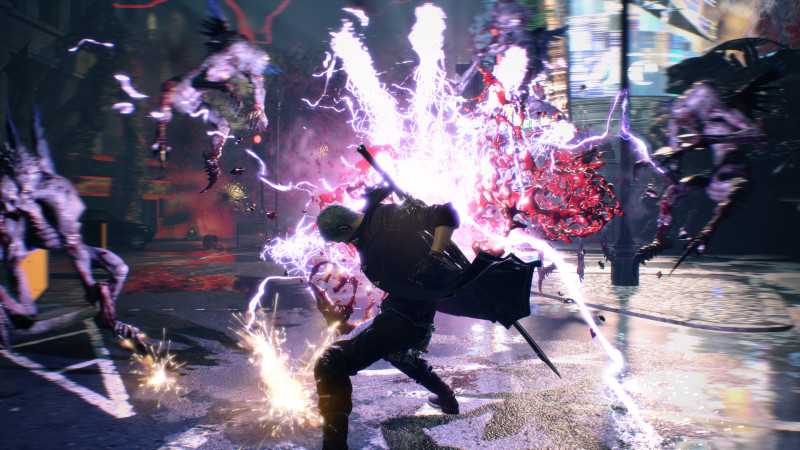
▼Hideaki Itsuno. Image credit:Twitter
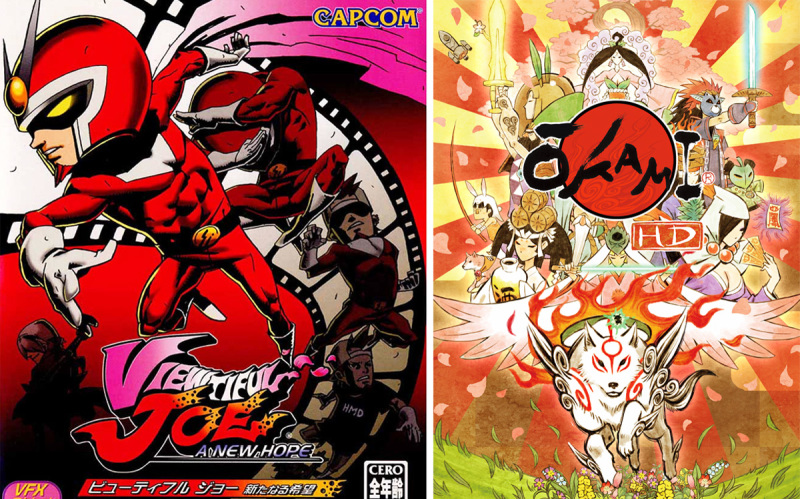
Hideki Kamiya, who did not develop subsequent Devil May Cry titles, later created several other famous works. These include the renowned action game "Viewtiful Joe," which is full of strong action movie elements and features exaggerated, flashy, and fun combat, as well as "Okami," an action game that utilized an ink wash painting style to create a Japanese-inspired fantasy world. Both were crafted by Hideki Kamiya.
▼"Viewtiful Joe" (left) and "Okami" (right) were both created by Hideki Kamiya. Both games are action titles with very distinct and unique characteristics. Image credit:InstantGamingAmazon
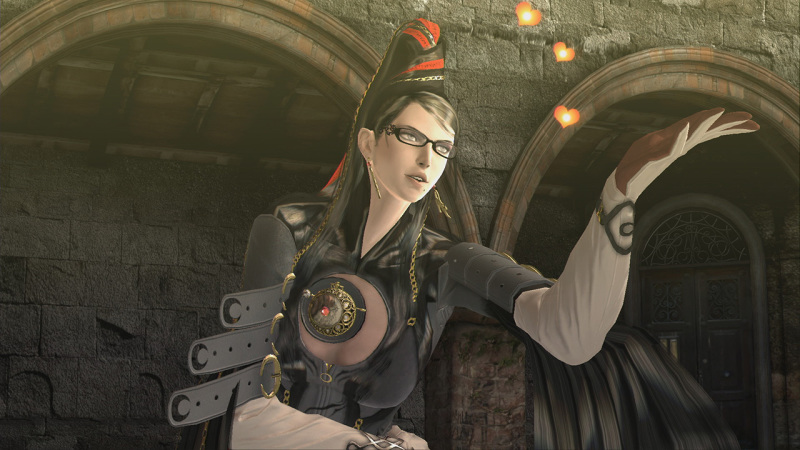
In 2006, with the dissolution of Clover Studio (a CAPCOM subsidiary) where he worked, Hideki Kamiya also left CAPCOM. He subsequently joined SEEDS with colleagues like Atsushi Inaba, and later SEEDS merged with ODD company to become the current PlatinumGames. The most famous work from this period is undoubtedly "Bayonetta," starring the witch protagonist Bayonetta, whose actions are even more flamboyant, exaggerated, and boldly unrestrained.
▼Bayonetta, the protagonist witch of "Bayonetta." Due to similar gameplay, she is often compared to Devil May Cry, but the former's performance is even more intense. Image credit:Steam
Hideki Kamiya, a lover of action games, is already half a century old but continues to strive for the ideas in his heart. He is currently diligently working on the development of "Bayonetta 3," which is slated for release on the Switch in 2022. It is sure to be an outstanding work, a "masterpiece forged over a decade," and its arrival is eagerly anticipated.