

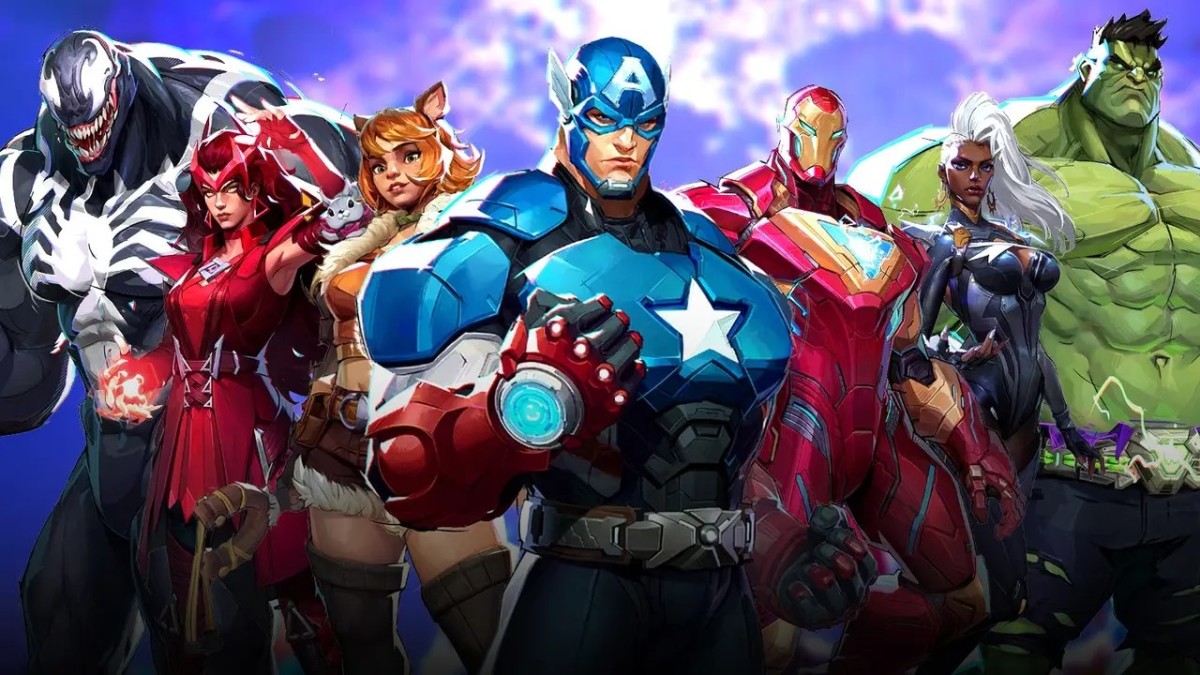
The third-person PvP game "Marvel Rivals," a collaboration between Marvel Games and NetEase, has exploded onto the scene since its free-to-play launch on December 6 across Steam, the Epic Games Store, and PlayStation 5. After hitting over 440,000 concurrent players on its first day, the title has already attracted a staggering 10 million players in just three days. Its concurrent player count on Steam has even surpassed that of "Grand Theft Auto V," climbing to the sixth spot on the charts and cementing its status as the latest live-service sensation.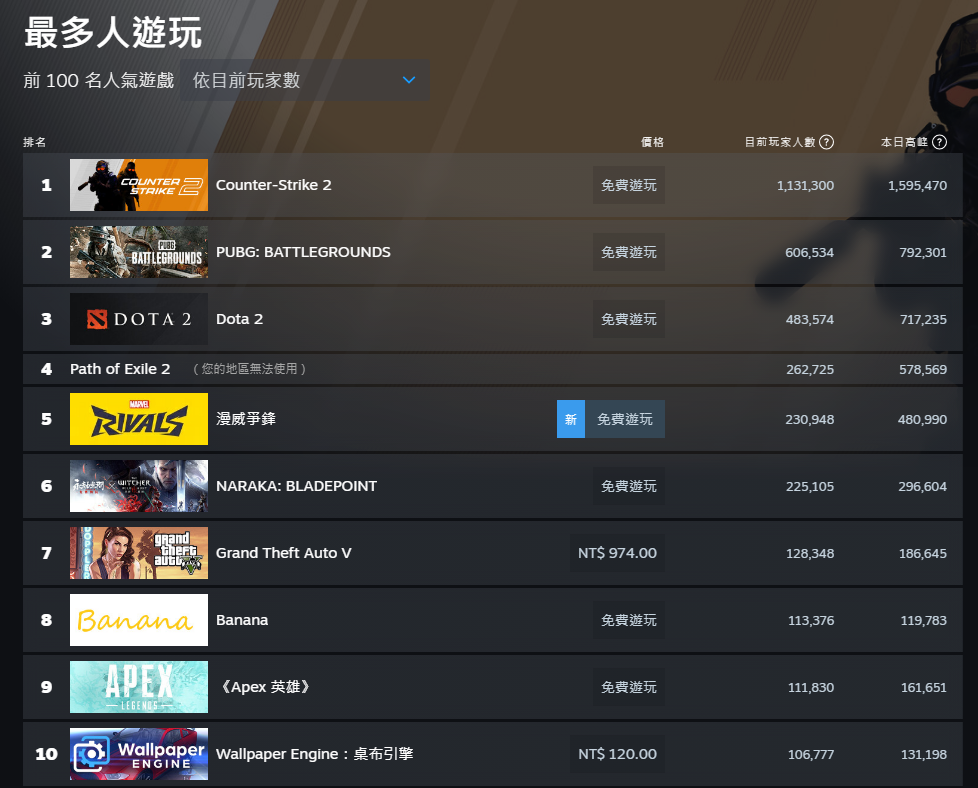
This impressive debut puts "Marvel Rivals'" Steam player count at six times that of "Overwatch 2" at its 2022 launch. Even during its open beta this past summer, the game was frequently compared to the controversial and ultimately unsuccessful "Concord." The sheer power and recognition of the Marvel IP have been a major draw, positioning "Marvel Rivals" to compete directly with established giants like "Overwatch," "Apex Legends," and even "Fortnite."
Permanent Battle Pass
Of course, a star-studded roster of heroes isn't enough to guarantee success. The development team, understanding this, has not only crafted gameplay that satisfies players but has also clearly studied the live-service market. According to industry analysts, a key factor is the implementation of the promised "Permanent Battle Pass."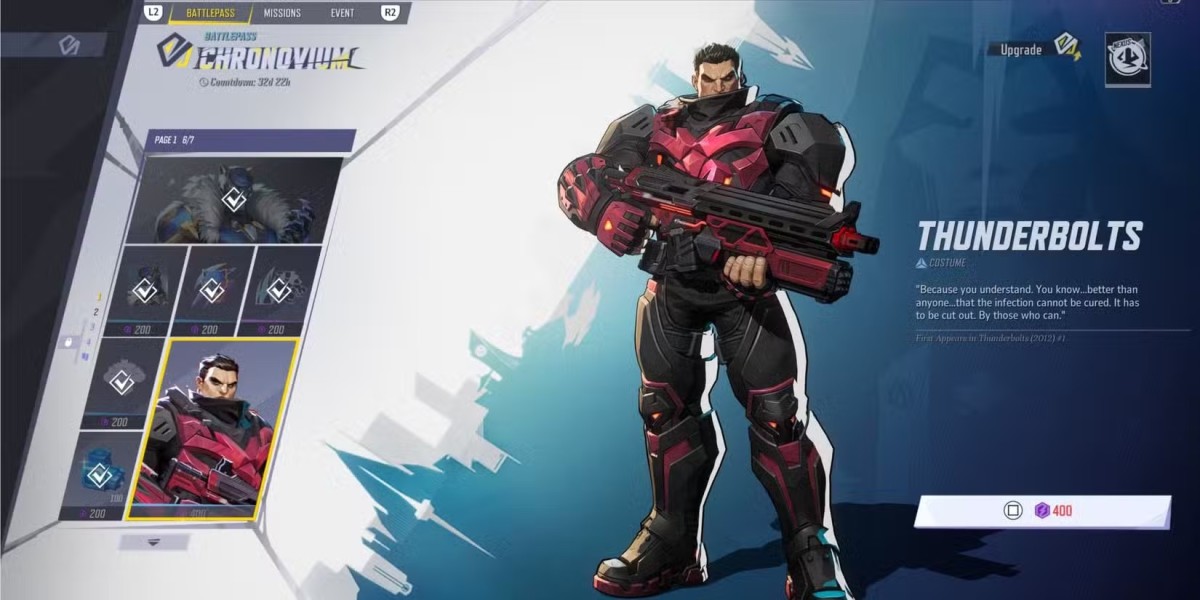
This system allows players to continue unlocking rewards from a previous season's pass even after the season has concluded—a model similar to the one used in "Halo Infinite." This stands in stark contrast to major competitors like "Overwatch," "Apex Legends," and "Fortnite," which have not adopted such a policy, leading players to question why other titles can't follow suit.
If "Marvel Rivals" solidifies its position as a top-tier live-service game, it could force these established titles to re-evaluate their own battle pass strategies.
Building Communication with Players
Furthermore, the development team has actively engaged with its community. Prior to launch, they utilized platforms like Discord to gather extensive player feedback, consistently sharing updates and asking fans which heroes and villains they wanted to see in the game. Popular requests like Ghost Rider and Deadpool have already been added to the roster.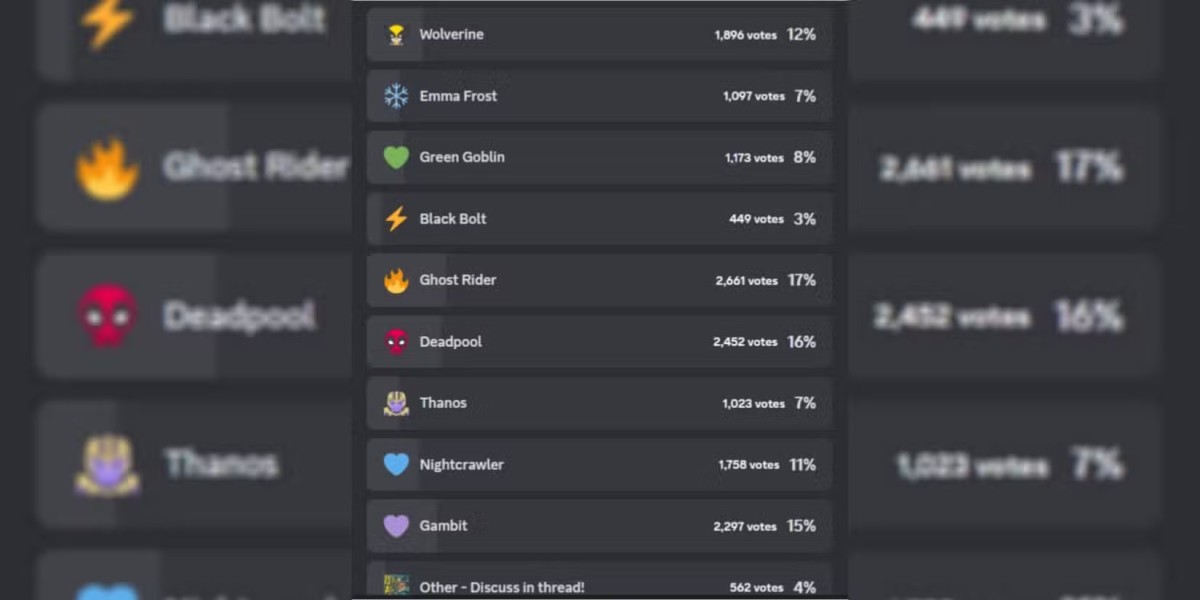
This direct approach differs significantly from methods like "Fortnite's" more mysterious voting system. Players seem to prefer transparent communication and the ability to directly influence the game's content over unpredictable reveals.
This has led analysts to speculate that "Marvel Rivals" could succeed where Square Enix's "Marvel’s Avengers" fell short—specifically, by collaborating with Marvel Studios to introduce MCU-inspired character skins.
That speculation was quickly confirmed, as NetEase and Marvel Games released the first trailer for MCU crossover skins shortly after these analyses were published.
The Live-Service Market Isn't Saturated
While the failure of "Concord" led prominent journalists like Bloomberg's Jason Schreier to suggest the live-service market was saturated, the immediate success of "Marvel Rivals" appears to debunk that theory, proving there is still significant potential.
Analysts note that while many studios have attempted to enter the live-service space, they often only learn superficial lessons, merely copying the success of others while ignoring the market's rapid evolution. Without genuine innovation or a unique player experience, new entries are quickly pushed aside.
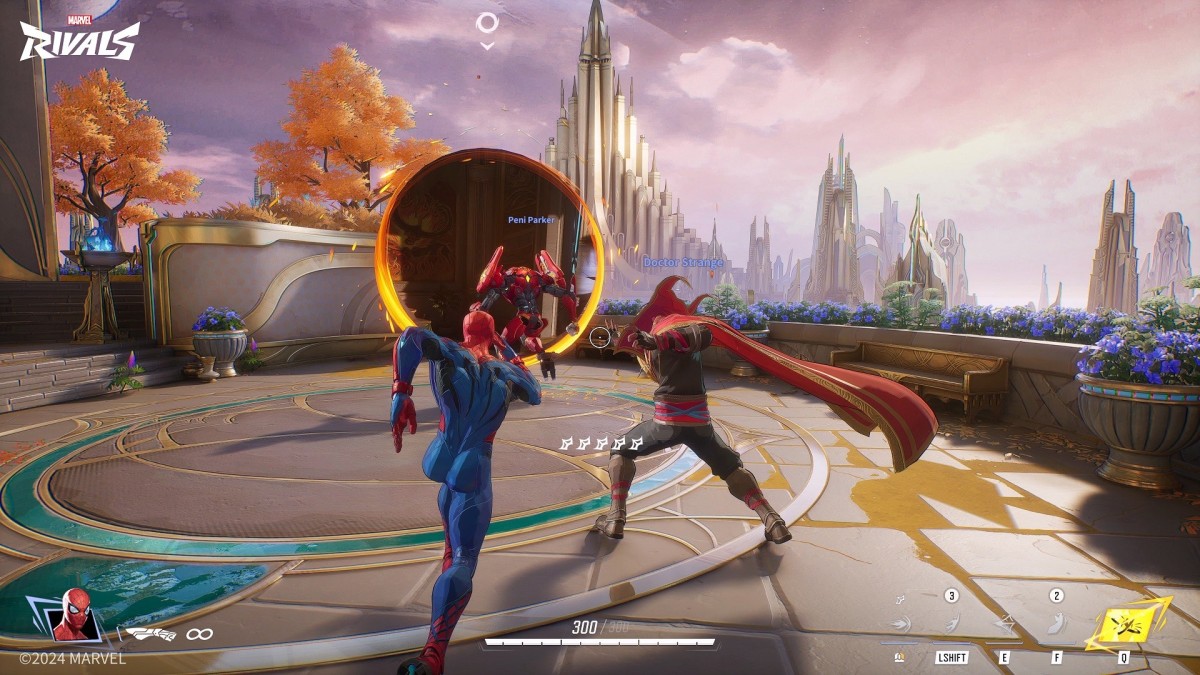
"Marvel Rivals," however, holds a massive advantage: an 85-year-old library of iconic comic book characters. This powerful IP, analysts believe, makes "Marvel Rivals" one of the few games that can lean heavily on its character roster and potentially achieve massive success even without meticulously chasing every market trend.