

Whether you're hyped for it or not, Naughty Dog's new sci-fi title, "Intergalactic: The Heretic Prophet," has been the talk of the town online ever since its stunning reveal at The Game Awards 2024.

Following the game's debut trailer, Naughty Dog President Neil Druckmann sat down with The New York Times to share more details about the creative vision and development process behind the studio's brand-new original sci-fi IP.
Druckmann explained that the title "Heretic Prophet" itself hints at religious themes. Combined with Naughty Dog's official description of the game as "an emotional, character-driven, epic adventure," he confirmed the story will center on a fictional religion, exploring "the potential impact and changes that arise when people place their faith in different belief systems."
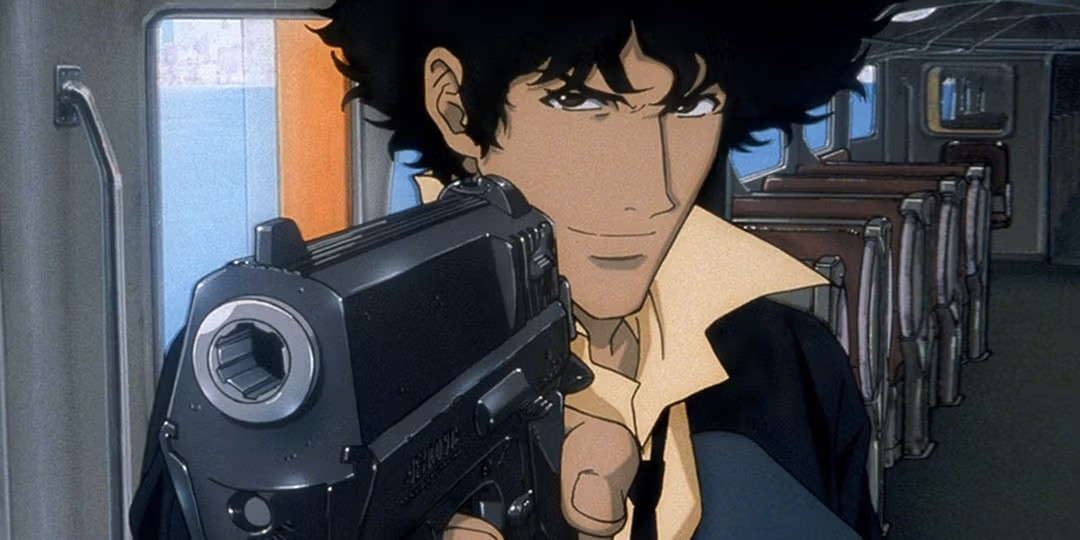
Furthermore, Druckmann revealed that the game's design—particularly its visual style and atmosphere—is heavily inspired by classic Japanese sci-fi anime like "Akira" and "Cowboy Bebop." The game is set in a parallel universe where space travel was highly advanced as early as 1986, creating a unique aesthetic that blends retro-futurism with modern sensibilities.

According to the official synopsis, "Intergalactic: The Heretic Prophet" is set thousands of years in the future. Players will take on the role of Jordan A. Mun, a bounty hunter who becomes stranded on Sempiria, a remote planet that has been cut off from the outside world for centuries. Mun must use her wits and skills to survive and find a way off the mysterious world.
The protagonist, Jordan A. Mun, will be portrayed by Tati Gabrielle, known for her roles in Season 3 of "You" and the "Uncharted" feature film.
While a release date for "Intergalactic: The Heretic Prophet" has not yet been announced, the project is a massive undertaking. With a team of 250 developers and contributions from external artists, the studio is reportedly targeting a 2026 release, though potential delays could push it into 2027.
via: The New York Times